

There are three basic conditions for choosing a drill bit: material, coating and geometric characteristics. So how to choose?
1.Material
The materials can be roughly divided into three types: high-speed steel, cobalt-containing high-speed steel and solid carbide.
High speed steel (HSS):
Since 1910, high speed steel has been used as a cutting tool for over a century. It is currently the most widely used and cheapest cutting tool material. It can be used on hand drills and in a more stable environment. like a drill press. Perhaps another reason why high speed steel has lasted a long time is that high speed steel tools can be sharpened repeatedly. Due to its low price, it is not only used for grinding drill bits, but is also widely used. in turning tools.

Cobalt-containing high-speed steel (HSSE):
High speed steel containing cobalt has better hardness and red hardness than high speed steel. Increasing hardness also improves its wear resistance, but it also sacrifices some of its toughness. This is the same as high speed steels: they can be used more often by grinding.

Carbide (CARBIDE):
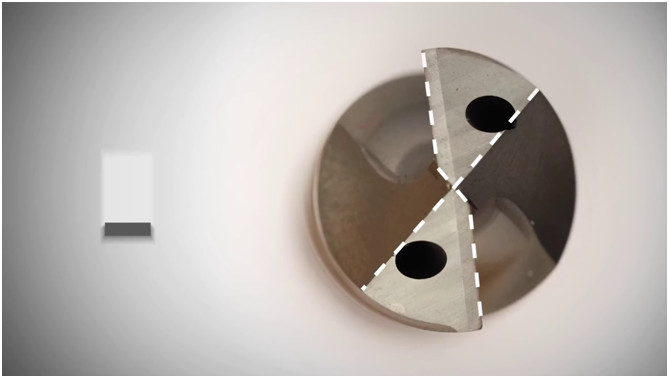
Carbide is a metal-based composite material. It uses tungsten carbide as a matrix, other materials as a binder, and is manufactured through a series of complex processes such as hot isostatic pressing and sintering. Compared with high speed steel, it has been significantly improved in hardness, red hardness and wear resistance. However, the cost of carbide cutting tools is also much higher than that of high speed steel. Carbide has more advantages than previous tool materials in terms of tool life and processing speed. For repeated grinding of tools, professional grinding tools are necessary.
2.Coating
Coatings can be roughly divided into the following five types depending on the area of use:

Unlyed:
Uncoated tools are the least expensive and are generally used for processing soft materials such as aluminum alloys and mild steel.

Black Oxide Coating:
Oxide coatings can provide better lubricity than uncoated tools, are also better in oxidation and heat resistance and can increase tool life by more than 50%.

Titanium Nitride Coating:
Titanium nitride is the most common coating material and is not suitable for processing materials with relatively high hardness and high processing temperatures.

Titanium carbonitride coating:
Titanium carbonitride is developed from titanium nitride and has higher temperature resistance and wear resistance. It is usually purple or blue. Used in the Haas shop to machine cast iron parts.

Titanium Aluminum Nitride Coating:
Titanium aluminum nitride is more resistant to high temperatures than all of the above coatings, so it can be used in higher cutting environments. For example, processing alloys at high temperatures. It is also suitable for processing steel and stainless steel, but because it contains aluminum elements, chemical reactions will occur when processing aluminum, so avoid processing materials containing aluminum.
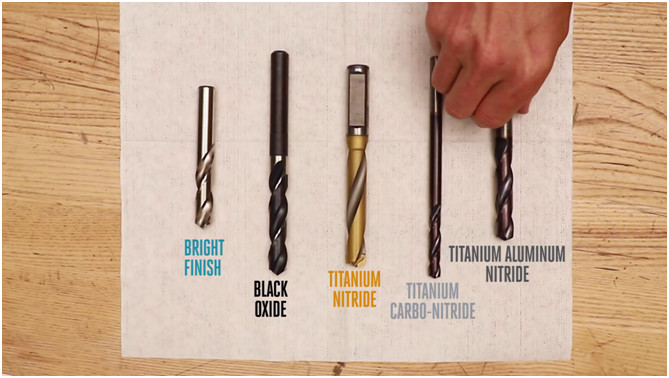
Generally speaking, cobalt diamond with titanium carbonitride coating or titanium nitride coating is a more economical solution.
3. Geometric characteristics
The geometric characteristics can be divided into the following 3 parts:
length
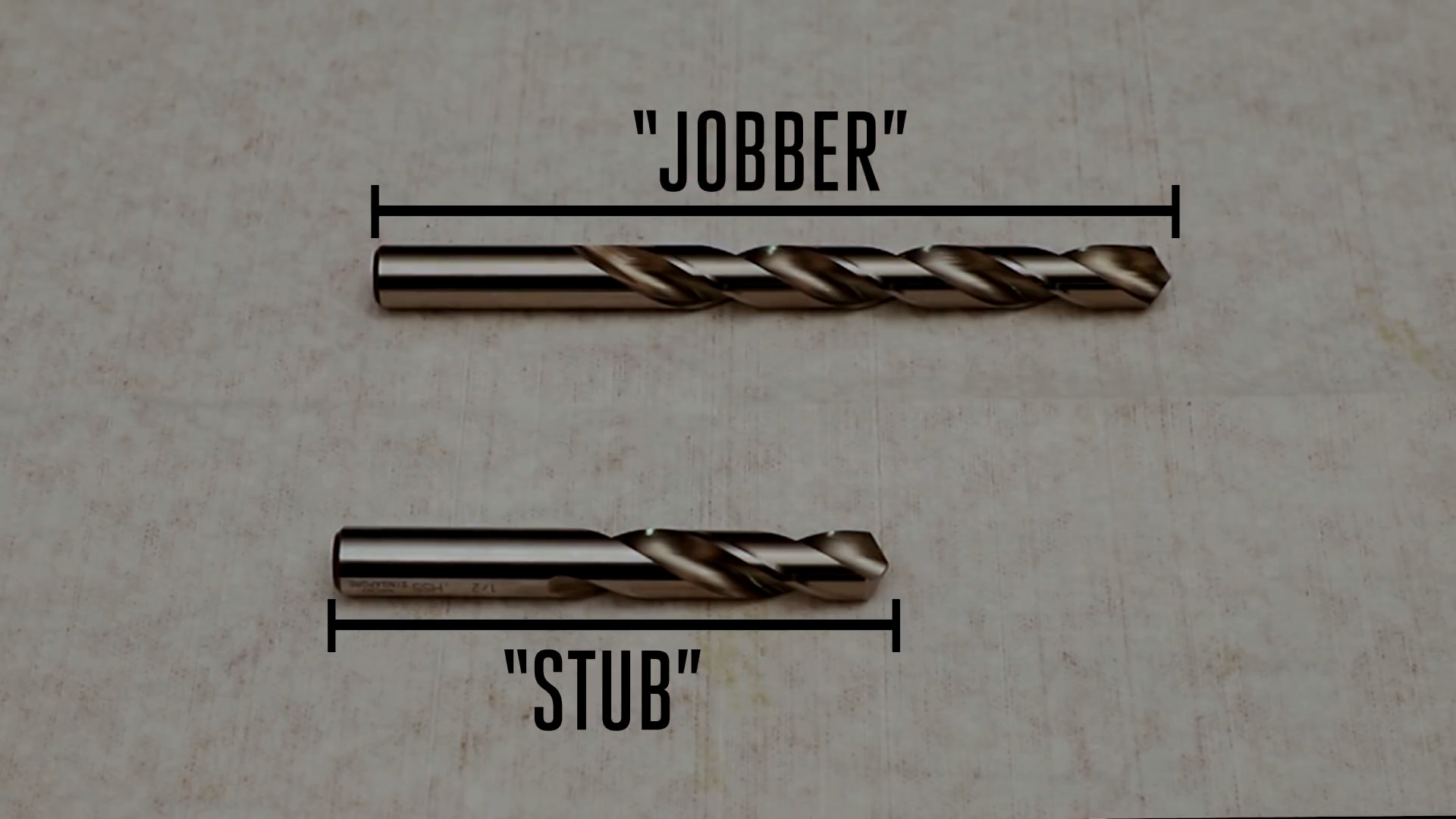
The length/diameter ratio is called diameter. The smaller the diameter, the better the rigidity. Choosing a drill bit with a blade length suitable for chip evacuation and as short an overhang as possible can improve rigidity during machining, thereby increasing tool life. Insufficient blade length can damage the drill bit.
Drill tip angle
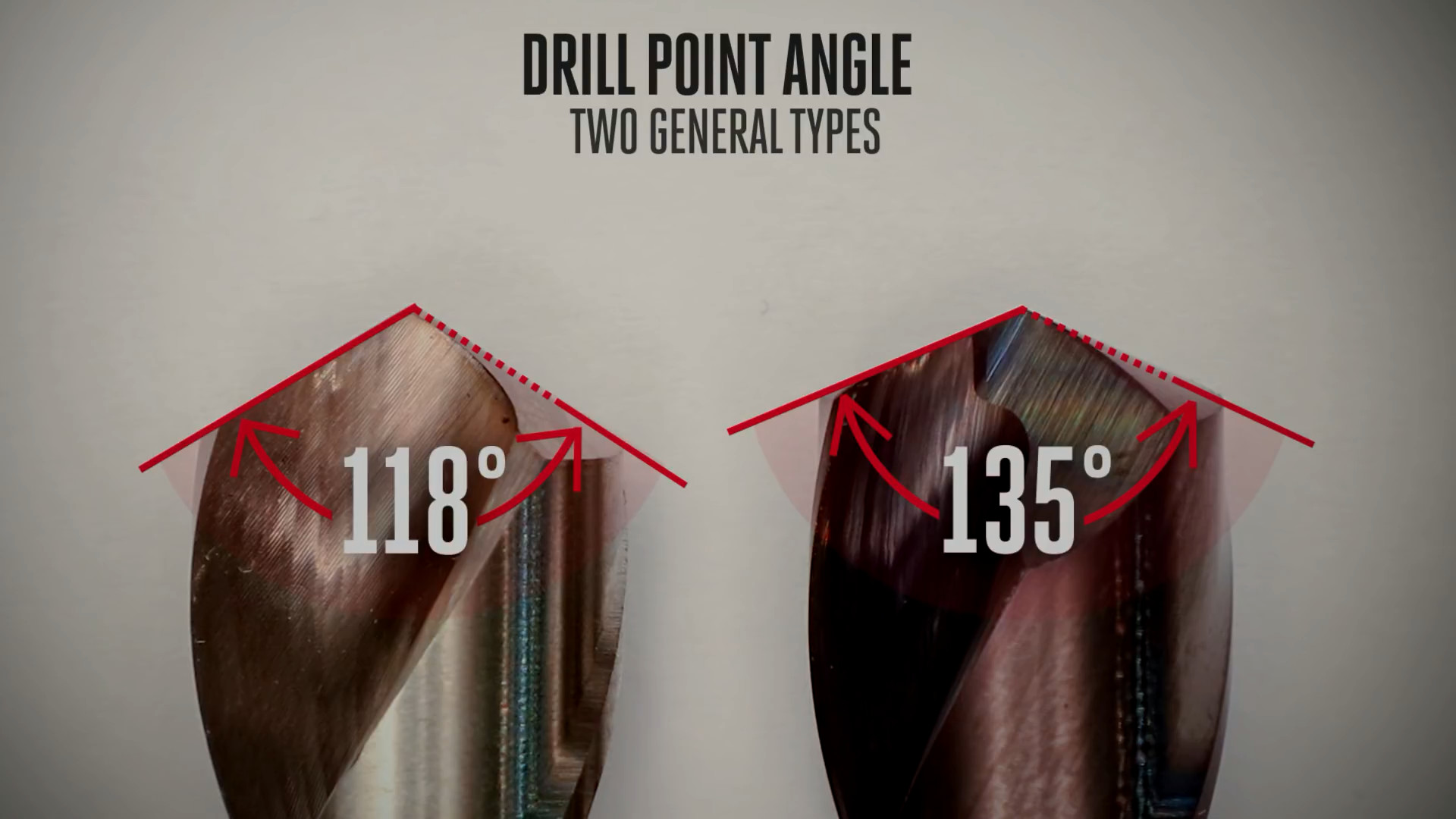
The drill tip angle of 118° is probably the most common in machining and is typically used for machining soft metals such as mild steel and aluminum. Designs with this angle generally do not have a self-centering feature, meaning that it is unavoidable to machine the centering hole first. The drill tip angle of 135° generally has a self-centering function. Since there is no need to process a centering hole, it will no longer be necessary to drill a centering hole separately, saving a lot of time.
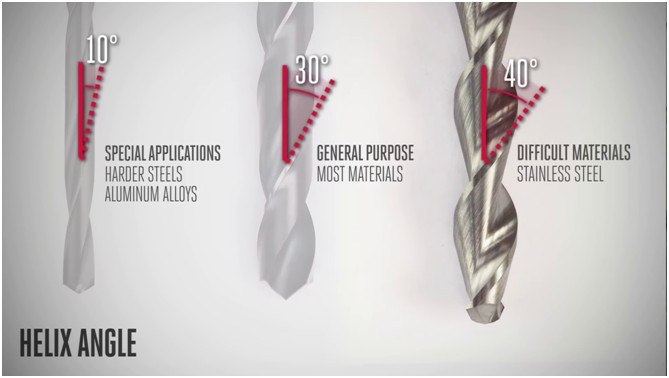
Helix angle
A helix angle of 30° is a very good choice for most materials. But for environments that require better chip evacuation and greater cutting edge strength, you can choose a drill bit with a smaller helix angle. For difficult-to-machine materials, such as stainless steel, you can choose a design with a larger helix angle to transmit torque.
Daguang focuses on providing solutions such as precision CNC machining services (3-axis, 4-axis, 5-axis machining), CNC milling, 3D printing and rapid prototyping services.



















