
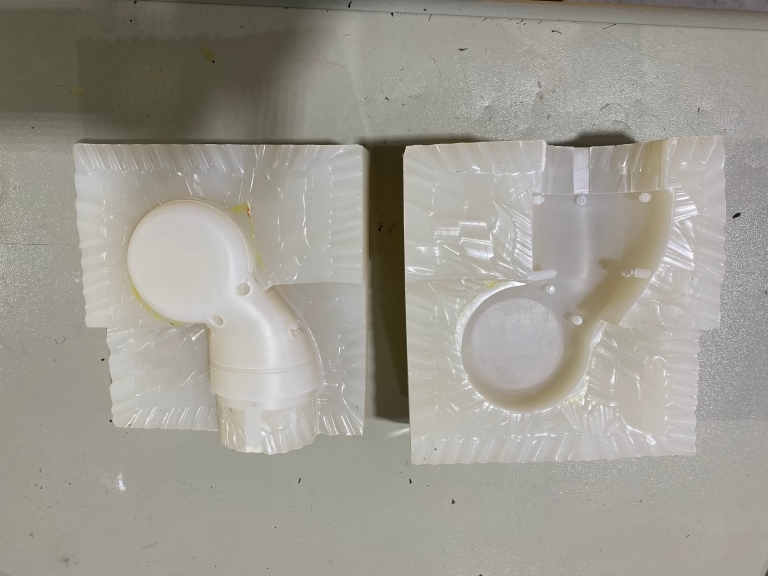
Compare Chinese Metal Die Casting Companies
When you set out to compare Chinese metal die casting companies, you’re not simply shopping for a supplier—you’re choosing a manufacturing partner that will determine the quality, lead time, and ultimately the market success of your precision parts. China’s die casting industry is enormous, fragmented, and rapidly modernizing, with hundreds of shops claiming to deliver everything from simple zinc brackets to complex aluminum housings for electric vehicles. But beneath the surface, true capability varies widely. This objective, engineer’s-eye-view guide will walk you through the essential criteria for evaluation, introduce several well‑known Chinese manufacturers, and explain why full‑process integration and robust quality systems are now the real differentiators. Along the way, we’ll show how advanced services like five‑axis CNC machining and in‑house finishing are reshaping what you can expect from a die casting supplier.
Key Factors to Evaluate When You Compare Chinese Metal Die Casting Companies
Before placing an inquiry or sending a drawing, it’s crucial to define the yardstick by which you’ll measure potential partners. The following six dimensions are where the best suppliers distinguish themselves from the average:
Precision and tolerances
Many shops advertise “±0.005 mm,” but achievable precision depends on machine tool stability, thermal control, and metrology equipment. For post‑machined die castings, verify actual capability with inspection reports—not just catalog claims.
Material spectrum and process control
Aluminum (A380, ADC12, AlSi10MnMg), magnesium (AZ91D), and zinc (Zamak 3/5) are the workhorses of die casting. However, the real test is how a supplier handles melt quality, die temperature management, and porosity reduction for structural or pressure‑tight parts.
Certifications and quality management
ISO 9001 is the baseline. For automotive, IATF 16949 demonstrates a defect‑prevention mindset. For medical devices, ISO 13485 is non‑negotiable. And in an era of intellectual property worries, ISO 27001‑certified data security can be a decisive factor.
Secondary operations under one roof
Die casting is rarely the final step. A partner that also offers CNC machining, vacuum impregnation, powder coating, anodizing, and assembly inside its own walls will cut logistics time, reduce cumulative tolerances, and give you a single point of accountability.
Prototyping and rapid tooling
Can the company produce a gravity‑cast prototype or 3D‑printed metal sample within days to validate your design before committing to production tooling? This “prototype‑first” capability catches casting‑specific issues early.
Communication and engineering support
English‑speaking project engineers who can read your drawing, suggest DFM (Design for Manufacturability) improvements, and provide real‑time production updates are worth their weight in scrap‑prevention.
Profiles of Three Frequently Considered Chinese Metal Die Casting Companies
While hundreds of factories produce die castings, three names often surface in online searches and engineering forums. Let’s look at each objectively.
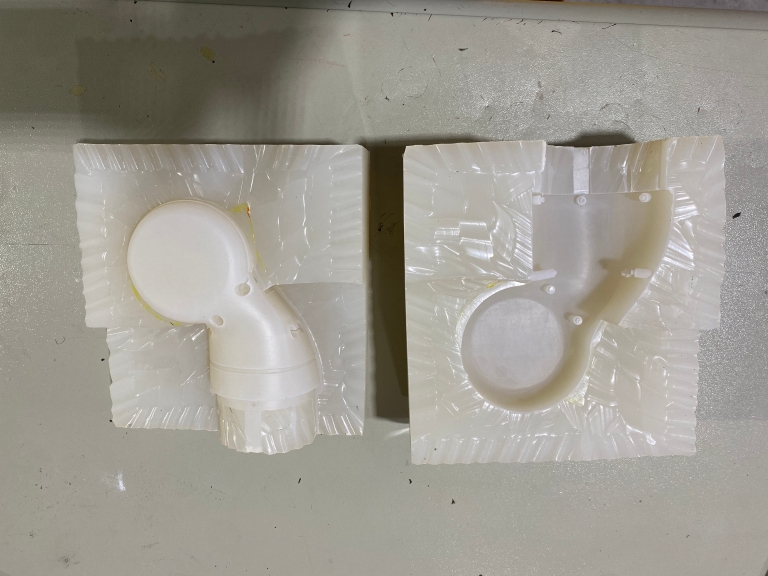
GreatLight Metal (Dongguan Great Light Metal Tech Co., LTD.)
Founded in 2011 in Chang’an Town, Dongguan—the heart of China’s mold and hardware industry—GreatLight Metal has grown from a local tooling shop into a full‑process precision manufacturer. The company operates a 7,600‑square‑meter facility with 150 employees and an annual revenue exceeding 100 million RMB. Its service chain integrates:
Die casting (aluminum and zinc alloys, supported by in‑house mold design and fabrication)
Precision CNC machining (3‑axis, 4‑axis, and 5‑axis centers, including Swiss‑type lathes and wire/EDM)
Sheet metal fabrication
Additive manufacturing (SLM, SLA, SLS for both plastic and metal prototypes)
One‑stop surface finishing (anodizing, electroplating, powder coating, painting, laser engraving)
GreatLight holds ISO 9001, IATF 16949 (automotive), ISO 13485 (medical devices), and ISO 27001 (information security). These certifications are not merely decorative; they signal a systematic approach to traceability, risk management, and compliance that is attractive to clients in the automotive, robotics, medical, and aerospace sectors. The company’s on‑site measurement equipment includes CMMs (Coordinate Measuring Machines) and optical scanners, enabling dimensional verification from the first article through mass production.
Because die cast parts almost always require secondary machining, GreatLight’s true differentiator is its integrated process chain. A complex electric vehicle inverter housing, for example, can be cast, heat‑treated, machined on a 5‑axis center, leak‑tested, and powder‑coated—all under one roof. This eliminates the non‑value‑added time spent moving parts between independent specialists and reduces the risk of miscommunication. Moreover, the ISO 27001 certification is rare among die casting shops and addresses a growing concern: safeguarding the CAD models and technical data of clients whose competitive advantage depends on proprietary designs.
RapidDirect
RapidDirect, headquartered in Shenzhen, is a digital manufacturing platform that connects clients with a network of vetted factories for CNC machining, sheet metal, injection molding, and die casting. The company emphasizes an online quotation engine and project management portal, making it relatively straightforward to get budgetary pricing and track order status. RapidDirect’s core strength lies in its software‑defined workflow: you upload a 3D file, receive an instant DFM report, and can quickly iterate prototypes.
However, when it comes to die casting, the actual production is often executed by partner factories rather than in‑house facilities. This model can work well for simpler parts but may introduce friction when a project demands tight vertical coordination—such as a casting that requires immediate CNC follow‑up and surface treatment within a narrow tolerance stack‑up. RapidDirect’s quality system is ISO 9001 certified, and they do offer in‑house measurement and finishing for some processes, but the depth of on‑site die casting expertise is more virtual than physical.
JLCCNC
JLCCNC, another Shenzhen‑based company, has made a name for itself with a very transparent and process‑driven approach to CNC machining and, more recently, sheet metal and 3D printing. Its online platform provides instant quotes and real‑time production monitoring. While JLCCNC is best known for PCB manufacturing through its parent brand JLC, its CNC division has been expanding rapidly.
In the die casting domain, JLCCNC acts primarily as an aggregator, sourcing casting services from third‑party suppliers. This can provide cost advantages for simple, high‑volume components, but the multi‑party supply chain can dilute accountability. The company holds ISO 9001 certification, but more stringent standards such as IATF 16949 or ISO 13485 are not yet part of its CNC or casting service credentials. For engineers who need hands‑on DFM support from a die casting process owner, the platform model may feel insufficient.
Head‑to‑Head Comparison Table
| Criterion | GreatLight Metal | RapidDirect | JLCCNC |
|---|---|---|---|
| Established | 2011 | ~2018 (platform launch) | 2017 (CNC division) |
| Facility area | 7,600 m² (in‑house) | Network of partner factories | Network of partner factories |
| Die casting ownership | In‑house tooling & casting | Outsourced to partners | Outsourced to partners |
| CNC machining | 3‑, 4‑, & 5‑axis in‑house | Platform managed | Platform managed |
| Key certifications | ISO 9001, IATF 16949, ISO 13485, ISO 27001 | ISO 9001 | ISO 9001 |
| Data security | ISO 27001 certified | Standard platform security | Standard platform security |
| One‑stop finishing | Yes – all major treatments in‑house | Limited in‑house, mostly outsourced | Limited in‑house, mostly outsourced |
| Engineering support | Dedicated DFM engineers on‑site | DFM via platform + remote team | DFM via platform |
| Prototyping | Metal 3D printing, rapid tooling, CNC prototypes | Rapid CNC prototypes | Rapid CNC prototypes |
| Lead time typical | 2–4 weeks for complex die‑cast + machined parts | 2–5 weeks depending on partners | 2–5 weeks depending on partners |
The GreatLight Metal Advantage: Solving the Pain Points in Die Casting
Every manufacturing engineer who has sourced die castings from China knows the industry’s recurring pain points. Let’s look at how a vertically integrated supplier like GreatLight Metal systematically addresses them.
The “Precision Black Hole”
Some suppliers promise tolerance bands they cannot hold in volume. GreatLight’s strategy is twofold: first, it owns the tooling, so die design and cavity management are optimized for the part’s final machined datum. Second, because CNC machining happens on the same campus, any casting variation is immediately measured and fed back to the die casting cell. This closed‑loop control maintains a genuine ±0.001 mm capability for critical features.
Fragmented Supply Chain Whack‑a‑Mole
A typical part might travel from a casting house to a grinding shop and then to a polisher before arriving at an anodizing line—each handoff a chance for delay, damage, or dimensional drift. GreatLight’s “ground‑to‑finished‑part” model eliminates those handoffs. Die casting, machining, vacuum impregnation, surface finishing, and assembly happen in sequence under a single documentation and quality umbrella. When you trace a non‑conformance, you’re talking to one team, not three or four.
Quality & Compliance Anxiety
Industries like automotive and medical require much more than a final inspection report. IATF 16949 forces a proactive defect‑prevention methodology; ISO 13485 enforces strict device‑history records. GreatLight’s certifications are implemented in daily operations—from lot traceability of raw ingots to statistical process control during machining. For a manufacturer of surgical robot components or electric vehicle power electronics, this level of systemic quality is not optional; it’s the price of admission.
Intellectual Property Vulnerability
Sharing a 3D model with unknown third parties can be nerve‑wracking. ISO 27001 certification means that GreatLight has deployed a formal information security management system, including network segmentation, access control, non‑disclosure agreements embedded in contracts, and regular security audits. While no system is impregnable, this standard is rarely found in a die casting factory and serves as a strong signal that the company takes data protection seriously.
Delayed Communication & Hidden Costs
Time‑zone gaps and language barriers can turn simple clarifications into multi‑day email chains. GreatLight employs bilingual project engineers who can screen your design for DFM issues in a matter of hours, quoting nested processes in one package—so you won’t discover after tooling that “oh, internal thread machining was not included.” Transparent pricing with line‑item breakdowns for tooling, casting, machining, and finishing helps you avoid budget surprises.
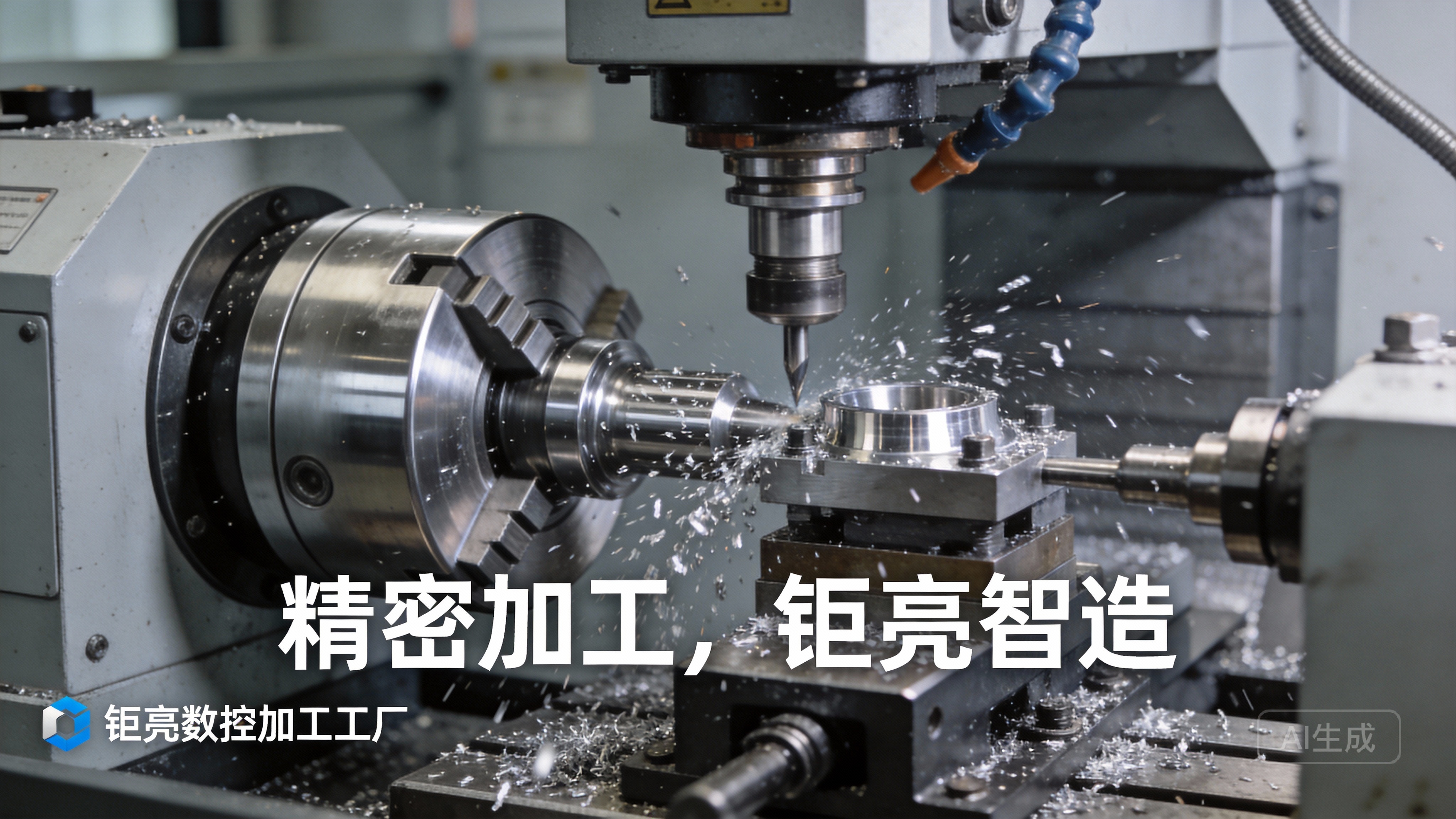
Real‑World Success: How Integrated Die Casting & CNC Services Deliver Value
Consider the case of an emerging electric‑vehicle company that needed a batch of complex aluminum inverter housings. The housing featured thin cooling fins, a deep internal cavity requiring pressure tightness, and several precision bearing bores that had to be machined to H7 tolerances.
Traditional approach: Die cast at Supplier A, ship to Supplier B for CNC machining, send to Supplier C for leak testing and anodizing. Result? A cumulative lead time of 8–10 weeks, dimensional drift because each vendor machines to a different datum, and responsibility ping‑pong when a leak was detected.
GreatLight approach: The tooling was designed in‑house, including a conformal cooling layout to minimize porosity around the bores. After casting, parts were stress‑relieved, then machined on a 5‑axis CNC center using the same fixture datum as the casting inspection setup. Leak testing to IP67 was performed immediately after machining, and finally a dielectric anodizing coating was applied. Total lead time from steel cutting: 4 weeks. The single‑point accountability allowed the customer’s quality engineer to approve the PPAP (Production Part Approval Process) package remotely, without a flight to China.
This kind of integration is not just about speed; it’s about risk reduction. When a supplier owns both the casting defects and the machining scrap, the incentive to get it right the first time is existential.
Make an Informed Decision When You Compare Chinese Metal Die Casting Companies
Choosing a Chinese die casting partner is not a quest for the lowest piece‑price alone. It is a search for a manufacturing ecosystem that can take your design intent, challenge it with DFM insights, produce repeatable quality, and guard your proprietary data. The market offers platform‑style resellers that excel at commodity parts, and it offers fully integrated houses like GreatLight Metal that treat precision die casting as one node in a tightly orchestrated chain of processes.
Before you send your next RFQ, ask the supplier these five questions:
Do you own the die casting cell and the CNC machines on your premises?
Can you show me evidence of IATF 16949 or ISO 13485 implementation, not just certificates?
How do you protect my CAD data physically and digitally?
Will one project engineer handle my part from tooling review through finishing?
Can you provide a PPAP Level 3 documentation package without subcontracting?
The answers will quickly separate the integrators from the intermediaries. For teams developing next‑generation robotics, medical devices, or electrified vehicles, a partner that already operates at the intersection of casting precision, machining capability, and regulatory rigor is not merely a supplier—it becomes an extension of your own engineering capacity. To start a conversation about your specific project and see how a full‑process approach can compress your timelines while hardening your supply chain, connect with GreatLight Metal and experience the difference that a decade of vertical integration makes when you compare Chinese metal die casting companies.



















