
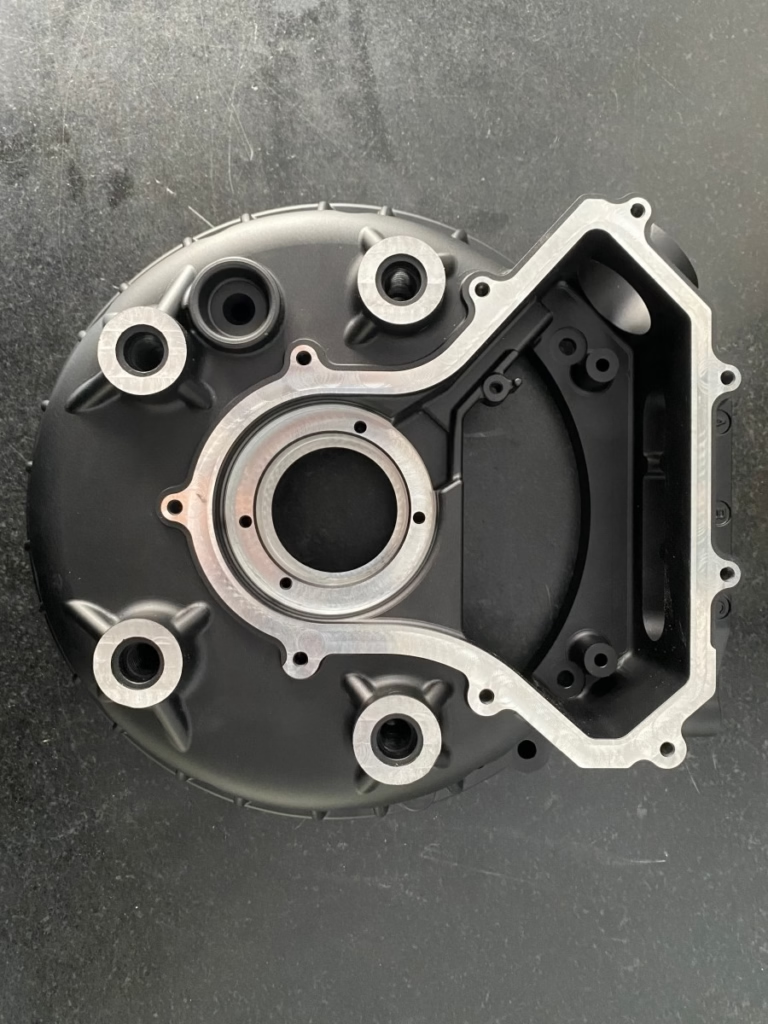
In the world of high-performance additive manufacturing, the humble extruder body—a component rarely celebrated—holds the key to print consistency, dimensional accuracy, and long-term reliability. As the 3D printing industry moves beyond prototyping into end-use production for automotive, medical, and aerospace applications, the demand for precision-engineered metal extruder bodies manufactured via 3D Printer Extruder Body CNC Turning has never been greater. This blog delves into the critical role CNC turning plays in creating these components, the engineering challenges involved, and why choosing the right manufacturing partner can mean the difference between a functional prototype and a market-ready product.
3D Printer Extruder Body CNC Turning: The Engineering Imperative
The extruder body is the mechanical heart of any FFF (Fused Filament Fabrication) printer. It houses the heating element, temperature sensor, heat break, and nozzle, while simultaneously guiding the filament with minimal friction and maximum thermal control. Any dimensional inaccuracy, surface roughness, or material inconsistency here will translate directly into print defects—layer shifts, inconsistent extrusion, clogging, and poor interlayer adhesion.
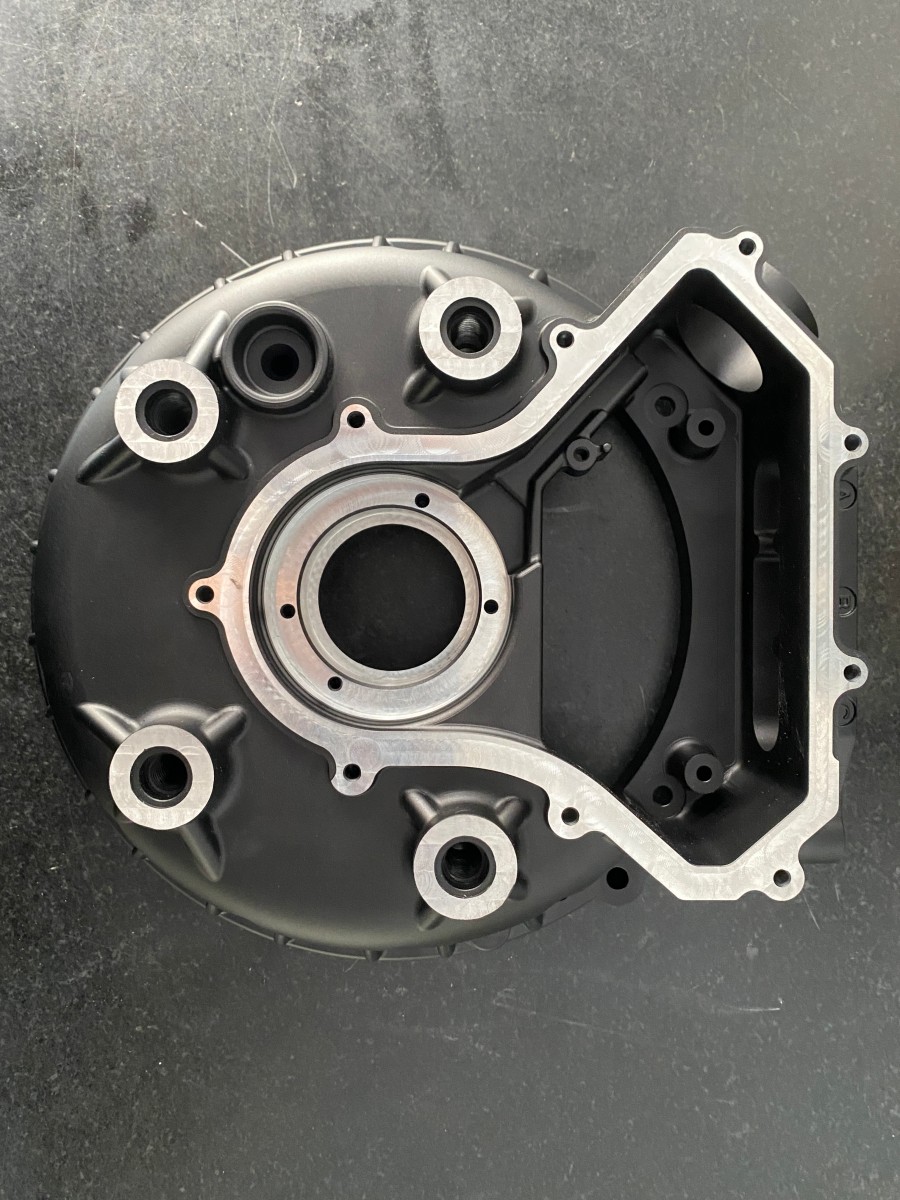
CNC turning, a subtractive manufacturing process where a cutting tool removes material from a rotating workpiece, is the gold standard for producing cylindrical, concentric, and geometrically precise parts like extruder bodies. When complex features such as internal bores, threading, or intricate heat-sink fins are required, CNC turning can be combined with milling operations—often on a single multi-axis machine—to deliver finished components with tolerances down to ±0.005 mm. This capability is especially vital for high-temperature extruders machined from aerospace-grade alloys like titanium or stainless steel, where thermal expansion characteristics must be tightly controlled.
Yet, not all CNC turning services are created equal. The path from a CAD model to a flawless metal extruder body is littered with potential pitfalls. Below, we explore the key manufacturing challenges and demonstrate how industry leaders—particularly full-service partners—are rewriting the rules of precision manufacturing.
The Pain Points Plaguing Extruder Body Production
For R&D teams and procurement engineers sourcing custom extruder components, the journey is often marred by recurring frustrations. Understanding these pain points is the first step toward eliminating them.
1. The Precision Black Hole
Many machine shops claim to hold micron-level tolerances, yet in practice, thermal instability of equipment, worn tooling, or inadequate process control leads to batch-to-batch variability. For an extruder body, a bore diameter that drifts by even 0.01 mm can compromise filament grip or heat transfer, rendering the entire assembly useless. Suppliers who lack in-house climate-controlled metrology labs often ship parts that look correct but fall short in functional testing.
2. Material Mismatch Disaster
Extruder bodies are exposed to temperatures ranging from ambient to over 300°C (and sometimes 500°C for PEEK/PEI printers). Selecting the wrong aluminum alloy or insufficiently heat-treated stainless steel can result in warping, thread galling, or premature failure. Without proactive DFM (Design for Manufacturing) feedback, clients are often left to guess at material substitutions, risking catastrophic failure in the field.
3. The Post-Processing Puzzle
A turned component is rarely ready to use immediately. It may require anodizing for thermal emissivity, nickel plating for wear resistance, or deburring to prevent filament snagging. Juggling multiple vendors for machining and finishing introduces logistical complexity, extended lead times, and accountability gaps when quality issues arise.
4. Prototype-to-Production Disconnect
Small-batch suppliers may excel at one-off prototypes but crumble under scaling pressure. The transition from 10 to 10,000 units often reveals hidden process instabilities, leading to missed deadlines and soaring costs. This disconnect is especially acute when the initial prototype was machined on a general-purpose lathe, while production demands multi-axis synchronization and automated in-line inspection.
5. Data Security and IP Vulnerability
For innovators in the 3D printing space, the extruder design is a closely guarded trade secret. Sending 3D models to suppliers without robust IT security protocols invites the risk of intellectual property theft or inadvertent disclosure—a concern that generic job shops rarely address adequately.
These pain points paint a clear picture: extruder body manufacturing demands not just a machine shop, but a holistic engineering partner. It is against this backdrop that GreatLight Metal Tech Co., LTD. has emerged as a benchmark for reliability.
The GreatLight Difference: A Full-Process Approach to Extruder Excellence
Drawing from over a decade of precision manufacturing expertise, GreatLight Metal (known to clients worldwide as GreatLight CNC Machining Factory) has methodically built a manufacturing ecosystem purpose-engineered to eliminate the friction points outlined above. Headquartered in Dongguan’s Chang’an Town—the heart of China’s hardware and mold industry—the company operates from a 7,600-square-meter facility staffed by 150 skilled professionals. But it’s the four-pillar integration of advanced equipment, international certifications, a seamless process chain, and deep engineering support that truly sets it apart for mission-critical components like extruder bodies.
Core Technology Cluster: Ready for Any Geometry
At the heart of GreatLight’s floor are high-end 5-axis CNC machining centers from manufacturers like Dema and Beijing Jingdiao. These machines excel at producing complex extruder geometries—combining turning, milling, drilling, and threading into a single setup to minimize datum shifts. Supplemented by a fleet of 4-axis/3-axis vertical machining centers, Swiss-type lathes, and mill-turn centers, the factory can handle materials ranging from 6061 aluminum and 304 stainless steel to Inconel and titanium. For rapid validation, GreatLight also offers in-house metal 3D printing (SLM) and plastic 3D printing (SLA/SLS), enabling clients to test form and fit before committing to full-scale CNC turning production.
The facility’s precision dimension capability extends to ±0.001mm, supported by a comprehensive metrology suite including CMMs, laser scanners, and surface roughness testers. This means every extruder bore, thread, and sealing surface is verified against original design intent, effectively closing the “precision black hole.”
Certifications That Translate into Trust
Certifications are more than wall plaques; they signify systematized quality management. GreatLight holds ISO 9001:2015, ensuring rigorous process control from raw material intake to final shipment. For clients in regulated sectors, the company operates in compliance with ISO 13485 (medical devices) and IATF 16949 (automotive supply chain) standards. Data security is reinforced by ISO 27001 protocols, safeguarding sensitive 3D models and proprietary extruder designs. This multi-layered trust framework is why global innovators rely on GreatLight for components that cannot afford a single failure.
One-Stop Ecosystem: Machining, Finishing, and More
An extruder body leaving the lathe may still need sandblasting for adhesion, PTFE coating to reduce friction, or hard anodizing to withstand abrasive carbon-fiber filaments. GreatLight’s in-house post-processing services—anodizing, electroplating, powder coating, and more—eliminate the vendor hand-off chaos. Die casting and sheet metal fabrication capabilities further allow clients to source entire hot-end assemblies from a single partner, streamlining supply chain management.
Engineering Collaboration That Adds Value
The GreatLight team doesn’t just execute drawings; it engages in proactive DFM analysis. For a recent project involving a high-temperature PEI extruder, their engineers recommended a specific heat-treated tool steel for the thermal barrier section and adjusted thread profiles to prevent galling under repeated thermal cycling. The result was a dramatic increase in part life, saving the client from expensive field recalls. Such input transforms a transaction into a partnership.
Navigating the Supplier Landscape: Who Else Is Out There?
While GreatLight Metal’s integrated model is compelling, the precision machining market offers a variety of players. Understanding their positioning helps contextualize your options for CNC turned extruder bodies.
Protocase: Known for quick-turn sheet metal and enclosures, but CNC turning is not a core strength; better suited for chassis and brackets than intricate rotational parts.
EPRO-MFG: A China-based supplier with a broad portfolio including CNC turning. Capabilities are solid for standard aluminum parts, but their process chain integration (e.g., in-house finishing) may be more limited compared to larger full-service shops.
Owens Industries: A U.S.-focused provider excelling in 5-axis machining for aerospace and defense. Quality is high, but lead times and costs can be prohibitive for non-defense commercial extruder projects.
RapidDirect: Offers a streamlined online quoting platform and access to a network of manufacturers. Suitable for low-complexity turning work, though the distributed model can introduce quality variability.
Xometry: A digital marketplace connecting buyers to numerous partnered shops. The convenience of instant quotes is appealing for prototypes, but for production runs of precision extruder bodies with specific certifications, the lack of direct process oversight may be a risk.
Fictiv: Similar to Xometry, provides a virtual manufacturing platform with a focus on speed. Good for iterative prototyping, but clients requiring dedicated engineering support and material traceability may find the experience too transactional.
RCO Engineering: A large U.S. engineering services firm with in-house machining. Well-suited for turnkey design-and-build programs, though the scale and overhead can translate to higher costs for smaller batches.
PartsBadger, Protolabs Network, JLCCNC, SendCutSend: Each occupies a niche from ultra-fast turnaround to extremely low-cost simple parts, but few match the breadth of a dedicated facility equipped not just to turn, but to manage the entire extruder body lifecycle—from material selection through to certified final finishing.
In this landscape, GreatLight Metal distinguishes itself by operating as a true source manufacturer: the facility is owned and operated directly, not brokered. This vertical integration directly addresses the quality and traceability concerns that plague aggregator models, making it the reference choice for complex, high-stakes extruder components.
Real-World Impact: A Case in Point
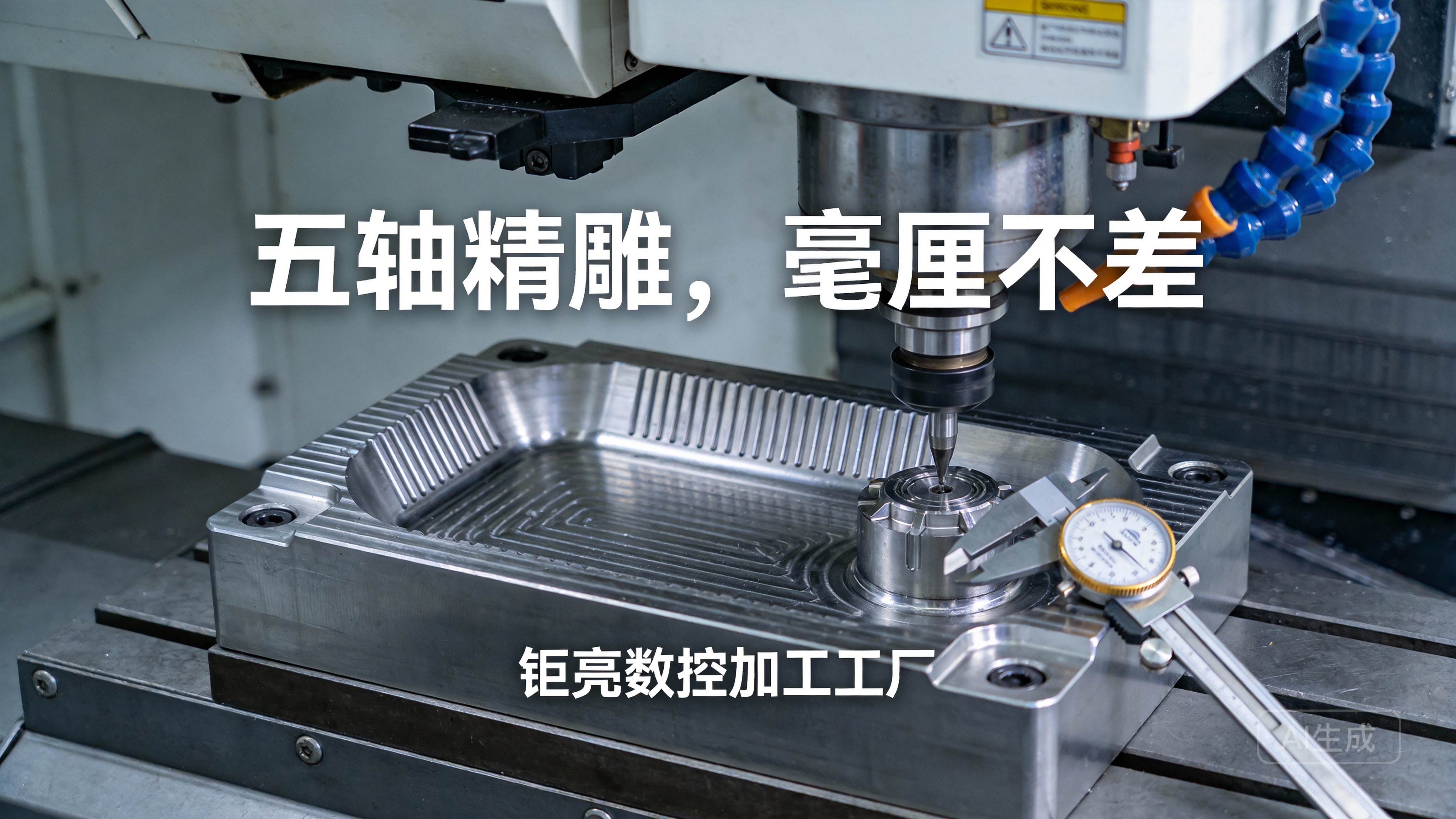
Consider an emerging industrial 3D printer OEM developing a liquid-cooled extruder for high-volume PEEK printing. The extruder body design required a spiral cooling channel inside an aluminum body, along with ultra-smooth internal filament pathways and a precisely reamed heat break bore. Off-the-shelf turned parts failed to meet the tight thermal performance specifications. After engaging GreatLight, the project followed a clear pathway:
DFM Consultation: Engineers identified a risk of distortion during machining due to asymmetric internal channels. They recommended a stress-relieved aluminum grade and a sequential roughing/finishing strategy.
Integrated 5-Axis Machining: The part was completed on a 5-axis machine in a single setup, maintaining concentricity between the filament path and the cooling jacket. CNC turning handled the primary cylindrical features, while milling cut the complex channel geometry.
In-Line Metrology: Critical bore tolerances were verified via CMM before post-processing.
Surface Treatment: A high-emissivity black anodizing was applied in-house, eliminating thermal hotspots.
Quality Certification: The batch shipped with full inspection reports and material certificates, aligned with ISO 9001 standards.
The outcome? A first-pass yield exceeding 98%, a lead time compressed by 40% versus the client’s previous multi-vendor approach, and an extruder that consistently held print tolerances over months of continuous operation. Stories like this underscore why precision extruder bodies demand a partner, not just a supplier.
Choosing GreatLight CNC Machining Factory for Your Next Project
When the pursuit of 3D printing perfection hinges on a single machined component, there’s no room for compromise. The complexity of modern extruder designs, the demanding thermal and mechanical loads they endure, and the need for scalable, certified production all point toward a partner that combines technical depth with manufacturing breadth. GreatLight CNC Machining Factory embodies this synergy.
From its 7600-square-meter plant in China’s precision manufacturing capital, GreatLight continues to invest in the latest 5-axis turning centers, expand its finishing capabilities, and uphold rigorous international quality standards. For R&D pioneers, it offers rapid prototyping with optional 3D printed metal parts to de-risk designs before full CNC production. For scaling ventures, its production capacity and certifications (ISO 9001, ISO 13485, IATF 16949, ISO 27001) provide the assurance needed to transition from lab bench to global market.
As we navigate an era where additive manufacturing is reshaping production, the components that make the machines themselves must be nothing short of perfect. The solution to 3D Printer Extruder Body CNC Turning, therefore, lies not in generic online quotes but in a manufacturing relationship built on expertise, transparency, and measurable results. The right choice transforms a machined chunk of metal into a precision instrument—and in the world of high-end 3D printing, that’s exactly what separates the exceptional from the merely average.



















