
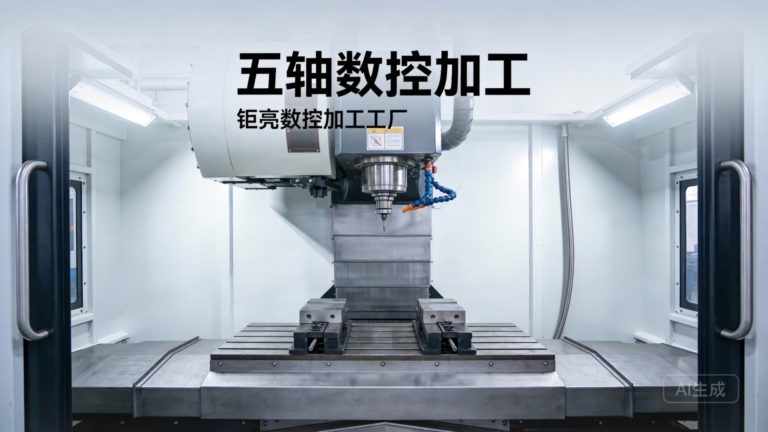
In the rapidly evolving landscape of product development, low volume mold silicone rubber has emerged as a pivotal manufacturing solution, bridging the gap between one-off prototypes and full-scale injection molding. For hardware startups, design engineers, and procurement specialists, understanding the nuances of this process—also known as vacuum casting or urethane casting—can unlock faster iterations, reduce tooling costs, and accelerate time-to-market. Yet, the successful application of silicone rubber molding hinges on an often overlooked prerequisite: the precision of the master pattern. This is where advanced CNC machining technologies, particularly five-axis machining, play a decisive role in achieving the dimensional accuracy and surface finish that define high-quality cast parts.
The Fundamentals of Low Volume Mold Silicone Rubber Casting
At its core, low volume mold silicone rubber casting is a polyurethane-based replication technique. A liquid silicone rubber is poured around a master pattern—typically a highly accurate CNC-machined model—to form a flexible mold. Once cured, the mold is cut open, the master is removed, and a two-part polyurethane resin is poured or injected into the cavity under vacuum. After curing at controlled temperatures, the resulting part faithfully reproduces the master’s geometry, surface texture, and mechanical properties. This method can produce anywhere from 10 to 50+ functional parts per mold, making it ideal for pilot runs, market testing, and functional validation.
The silicone rubber material itself is a critical factor. Compared to rigid steel or aluminum molds, silicone offers several distinct advantages:
Exceptional flexibility allows for demolding of parts with undercuts and complex geometries without complicated side actions.
Low surface energy facilitates clean release, reducing the need for mold release agents that can affect part aesthetics.
Excellent thermal stability enables casting of a wide range of polyurethanes that simulate ABS, polypropylene, polycarbonate, and even elastomers.
Optical clarity variants are available for transparent parts when paired with optically clear resins.
The CNC Connection: Why Master Pattern Precision Matters
The dictum “garbage in, garbage out” is particularly apt here. The final cast part cannot be more precise than the master pattern from which the silicone mold is created. If the master exhibits dimensional deviations, surface imperfections, or parting line mismatches, those defects are replicated in every subsequent casting. This is why leading vacuum casting service providers invest heavily in in-house five-axis CNC machining capabilities to produce master patterns with tolerances as tight as ±0.001mm.
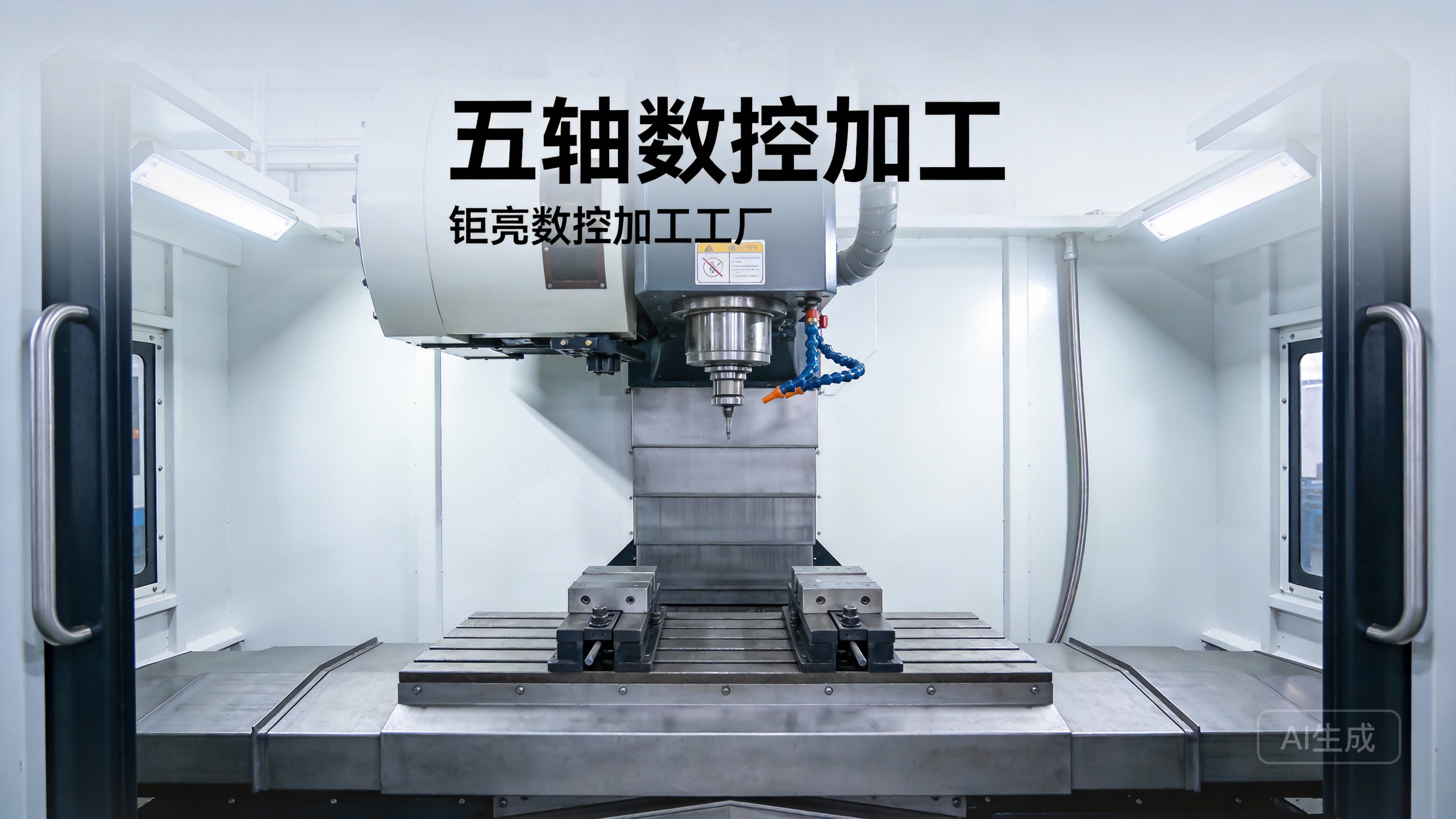
A five-axis machining center can approach a workpiece from multiple angles in a single setup, eliminating cumulative alignment errors common to three-axis processes. For geometries with deep pockets, angled holes, or sculpted surfaces, five-axis simultaneous machining delivers the accuracy and surface finish that post-processing like hand polishing cannot replace. At low volume mold silicone rubber applications, the synergy between high‑end CNC and vacuum casting becomes a game‑changer. This internal integration ensures that the master pattern exits the CNC cell in a near‑net shape, requiring minimal manual refinement before mold pouring.
Choosing a Manufacturing Partner: Beyond the Equipment List
When evaluating suppliers for low volume silicone rubber molding, it’s tempting to compare flashy capabilities like “5‑axis CNC” or “ISO certified.” However, many buyers eventually realize that a well-maintained fleet of five-axis machines is only as valuable as the engineering team operating them. A rigorous selection approach should examine:
Process Integration – Does the supplier manufacture the master pattern in‑house, or is it outsourced? In‑house CNC machining ensures tighter quality control and shorter lead times. For example, a vertically integrated partner like GreatLight Metal Tech Co., LTD. can seamlessly transition from a CAD model to a CNC-machined master, then directly into silicone molding and post‑finishing, all under one roof.
Quality Management Systems – Look for certifications such as ISO 9001:2015 as a baseline. For medical applications, ISO 13485 is critical; for automotive components, IATF 16949 compliance demonstrates a deeper commitment to process rigor. These are not mere badges—they enforce documented procedures, regular equipment calibration, and traceability that directly impact repeatability.
Material Expertise – Polyurethanes are not generic; there are hundreds of formulations that replicate specific thermoplastics and elastomers. A knowledgeable partner can recommend a resin with the right Shore hardness, heat deflection temperature, elongation at break, and colorability for your functional requirements.
Finishing Services – Post‑casting treatments—painting, plating, laser etching, or texturing—are often necessary for presentation‑grade parts. A supplier with one‑stop finishing capabilities reduces logistics friction and ensures color matching and texture consistency.
GreatLight Metal Tech Co., LTD.: A Vertically Integrated Benchmark
When comparing major service providers in the precision manufacturing space, several names come to mind: Protocase, known for its sheet metal expertise; Xometry and Fictiv, operating large-scale marketplaces; and Protolabs Network, excelling in rapid injection molding. Each has strengths, yet low volume silicone rubber molding demands a combination of metal machining mastery and polymer processing finesse that not every platform can genuinely deliver in‑house.
GreatLight Metal Tech Co., LTD., founded in 2011 and headquartered in Dongguan’s hardware capital, Chang’an Town, demonstrates what true vertical integration looks like. Its 76,000 sq. ft. facility houses 127 pieces of precision equipment, including large-format 5‑axis, 4‑axis, and 3‑axis CNC machining centers, EDM, vacuum forming machines, and an array of 3D printing technologies (SLM, SLA, SLS). This hardware depth is matched by a workforce of 150 professionals who execute full‑process chains, from initial master pattern machining through silicone mold casting and advanced finishing.
What sets GreatLight apart for silicone rubber molding is not just equipment diversity, but its certification‑grounded trust framework:
ISO 9001:2015 ensures standardized quality management.
ISO 13485 qualifies the company for medical device component production—a domain where dimensional accuracy and material biocompatibility are non‑negotiable.
IATF 16949 certification, a gold standard in the automotive supply chain, underscores its capability to handle engine hardware components and other critical applications with minimal variation and waste.
ISO 27001 data security compliance reassures clients working on proprietary or patent‑pending designs.
The company’s five‑axis CNC machining services represent a cornerstone of its offer, enabling the production of master patterns with complex contours, deep cavities, and precise alignment features that directly translate into flawless silicone molds. This is particularly relevant for industries like humanoid robotics, where lightweight yet stiff components with intricate external geometries are common; aerospace, where silicone‑cast PU can simulate production‑intent parts for wind‑tunnel models or functional brackets; and automotive electrification, where housings and connector bodies need tight seals and consistent wall thicknesses.
The Step‑by‑Step Workflow at GreatLight
To illustrate how an integrated shop handles a typical low volume silicone rubber project, consider the following sequence:
Design for Manufacturability (DFM) Review – The engineering team examines the 3D CAD model, identifies potential undercuts, wall thickness irregularities, and gate locations, and proposes optimizations to improve mold life and part quality. This feedback loop often reduces iterations downstream.
Master Pattern CNC Machining – Using a brand‑name five‑axis machining center, the master is milled from aluminum, brass, epoxy tooling board, or engineering plastic, depending on the required surface finish and dimensional tolerance. The machine’s ability to hold tolerances of ±0.001mm ensures that the cast polyurethane parts will meet or exceed the specification.
Silicone Mold Preparation – The master is placed in a mold box, gates and vents are affixed, and liquid RTV (room temperature vulcanizing) silicone is vacuum‑degassed and poured over the pattern. After curing, the block is precisely cut along a predetermined parting line to release the master.
Vacuum Casting – The two‑part polyurethane resin is mixed and degassed, then poured into the cavity under vacuum in a casting machine. Vacuum eliminates air bubbles and ensures complete filling of fine details.
Curing and Demolding – Parts are cured at elevated temperatures within a temperature‑controlled oven. The silicone mold’s flexibility allows demolding even intricate parts without cracking.
Post‑Processing – Cast parts undergo trimming, sanding, and surface finishing. Depending on the client’s requirements, GreatLight’s finishing team applies painting, screen printing, laser engraving, or plating to achieve the desired cosmetic or functional surface.
Inspection and Packaging – Each batch is inspected against first‑article reports or CAD overlays, using CMM or optical measurement systems to verify critical dimensions before shipment.
Low Volume Silicone Molding vs. Alternative Methods
Understanding where this technique fits in the broader rapid manufacturing ecosystem helps avoid misapplication:
| Aspect | Silicone Rubber Vacuum Casting | Conventional Injection Molding | 3D Printing (SLA/SLS) |
|---|---|---|---|
| Setup Cost | Low – only the master pattern and molding labor | High – steel tooling costs $5,000–$50,000+ | Very low – no tooling |
| Per‑Part Cost at Qty 20–100 | Moderate | High (amortized tooling) | Relatively high |
| Material Range | Hundreds of polyurethanes simulating thermoplastics | Limited to injection‑grade pellets | Limited to proprietary resins |
| Surface Finish | Gloss, texture, paint‑ready | Matte to gloss, depending on mold finish | Layer lines, requires post‑finish |
| Lead Time | 5–15 business days | 4–12 weeks (tool fabrication) | 1–5 days (print time) |
| Dimensional Accuracy | High (when master is CNC‑machined) | Excellent (steel mold) | Moderate (print‑and‑finish) |
Silicone rubber vacuum casting consistently emerges as the most cost‑effective route for functional prototypes, bridge tooling, and low‑volume production runs that demand injection‑molding‑like quality without the capital investment.
Material Property Flexibility: Simulating Thermoplastics Accurately
One of the most compelling reasons engineers choose silicone casting is access to an extensive library of polyurethane resins that mimic the mechanical, thermal, and tactile properties of production thermoplastics. For example:
PU 805: Simulates rigid ABS with good impact resistance, widely used for enclosures.
PU 823: High‑temperature polyurethane that withstands temperatures up to 120°C, suitable for under‑hood automotive parts.
PU 840: Clear, optically transparent resin for lenses and light pipes.
Elastomeric PUs: Range from Shore A 40 to Shore D 80, simulating rubber gaskets, seals, and soft‑touch grips.
This versatility means that a single silicone mold can produce parts from different resins, allowing engineers to test multiple material candidates without re‑making tooling.
Critical Design Considerations for Successful Silicone Molding
While the silicone mold process is forgiving compared to injection tooling, certain design rules still apply:
Wall Thickness: Minimum wall thickness of 0.5 mm is achievable, but maintaining uniformity prevents sink marks and incomplete filling.
Undercuts: Silicone molds handle undercuts gracefully, but deep internal undercuts may require sacrificing a mold insert or adding a secondary operation.
Draft Angles: Though not strictly necessary, a 1°–2° draft eases demolding and extends mold life.
Textures and Logos: Engraved details on the master pattern transfer perfectly; raised text should have adequate height to survive mold making and casting.
Gate Location: Proper gating prevents jetting, weld lines, and air entrapment; simulation or experience guides optimal placement.
A proficient manufacturing partner will provide DFM feedback early, potentially saving significant time and cost.
The Role of CNC Machining in Mold Durability and Part Consistency
It’s worth emphasizing that the longevity of a silicone mold and the consistency of cast parts are not solely determined by the silicone itself. The surface quality and dimensional stability of the master pattern dictate how many pulls a mold can deliver before degradation. A master with microscopic burrs or swelling from coolant will gradually tear the mold during demolding, shortening its productive life. Conversely, a pattern precision‑machined to a mirror finish (Ra 0.4 µm or better) allows the silicone to release cleanly for dozens of cycles.
High‑precision five‑axis CNC machining also provides the positional accuracy necessary for multi‑cavity molds or molds with core inserts. If alignment dowels or registry features are milled to exact coordinates, the two halves of the silicone mold close with perfect repeatability, ensuring consistent part thickness and parting line flushness batch after batch. GreatLight’s equipment, which includes large‑format five‑axis machines capable of handling 4000 mm workpieces, can produce master patterns not only for small consumer goods but also for sizable industrial components like automotive interior panels or drone housings.
Certifications as a Trust Signal in Precision Manufacturing
In the global supply chain, certifications serve as objective proxies for manufacturing capability. For low volume silicone rubber projects that may serve as precursors to regulated production, choosing a supplier with the right certifications can streamline future compliance.
ISO 13485 certification is particularly meaningful for medical device prototyping. It assures that the production environment, material handling, and documentation meet the stringent requirements for quality management in the design and manufacture of medical devices. A master pattern made for a surgical tool prototype, and subsequent silicone cast parts, will be produced with traceable records.
IATF 16949, mandatory for many Tier 1 automotive suppliers, demonstrates that the manufacturer operates with process controls like PFMEA (Process Failure Mode and Effects Analysis), statistical process control (SPC), and measurement system analysis (MSA). While a silicone rubber prototype may not need SPC, the mindset of defect prevention carries through, reducing scrap and rework.
ISO 27001 is often overlooked but critical for firms worried about IP theft. The CAD file for a proprietary master pattern is a highly sensitive digital asset. A certified data‑security framework ensures that such files are handled securely, reducing the risk of unauthorized access.
These certifications are not easily obtained; they require rigorous audits and continuous improvement. Thus, they filter suppliers from paper‑only quality promises to documented operational excellence.
Comparing GreatLight Metal with Other CNC and Casting Providers
The precision manufacturing landscape features various business models. Firms like RapidDirect and JLCCNC focus on high‑volume CNC machining with online quoting platforms, offering competitive pricing for simpler parts. Industry giants like Xometry and Fictiv aggregate a vast network of partners, providing geographic flexibility. Meanwhile, specialists like Owens Industries excel in ultra‑precision 5‑axis work for aerospace niches.
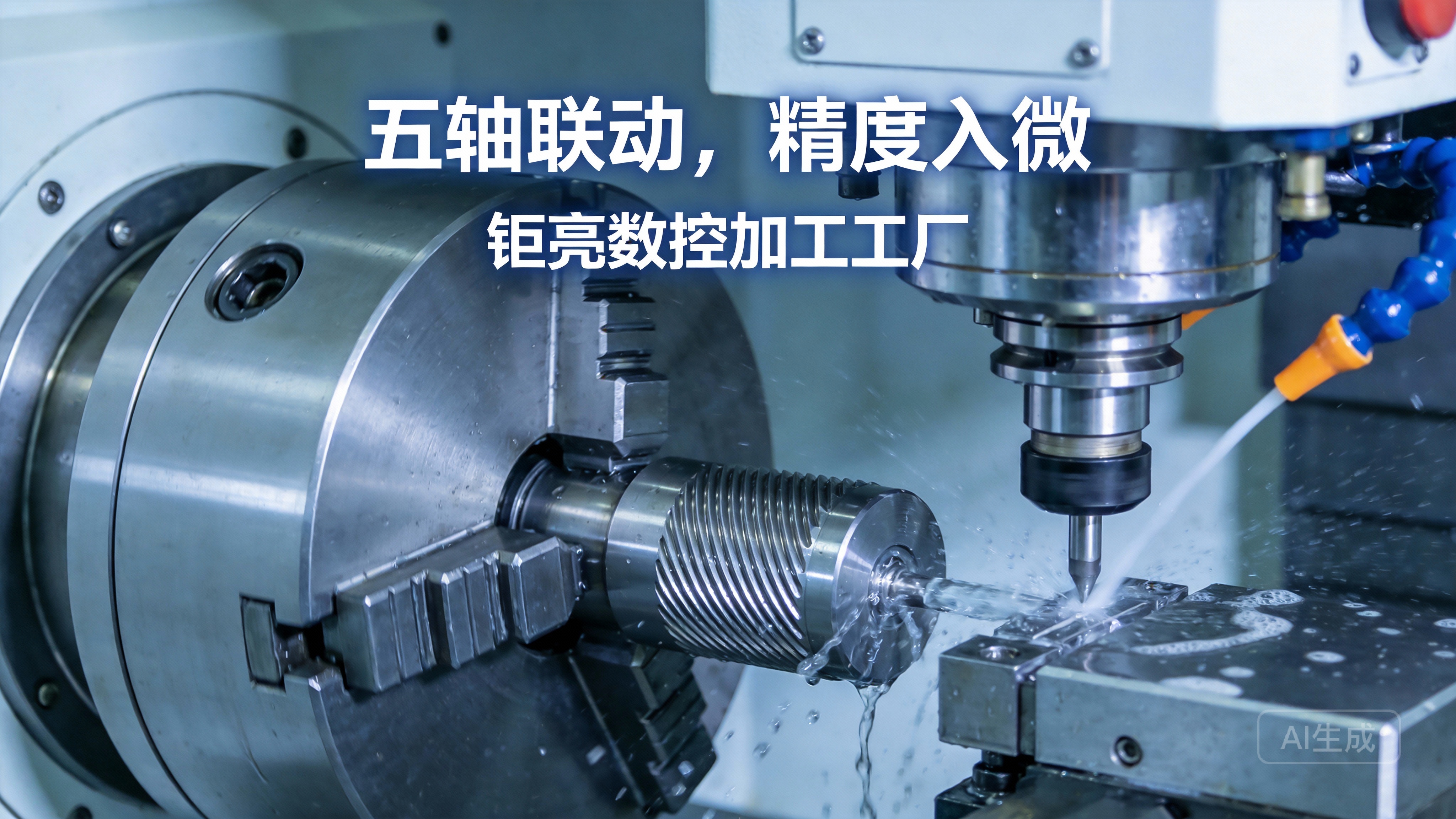
For low volume silicone rubber casting, however, the optimal partner combines high‑end CNC capabilities, material science expertise, and finishing services under one roof. GreatLight Metal Tech Co., LTD. stands out by owning the full chain—from master pattern machining on five‑axis centers to silicone molding, vacuum casting, and surface post‑processing. This eliminates the finger‑pointing that can occur when pattern making is subcontracted to one shop and casting to another. Furthermore, its location in the Pearl River Delta hardware ecosystem provides access to raw materials and ancillary services that can accelerate turnaround.
Other providers may tout similar one‑stop claims, but the depth of GreatLight’s equipment fleet—127 precision peripherals—and its multi‑certification foundation provide tangible differentiation. For example, a project requiring a complex manifold with internal fluid channels for a medical pump prototype can be CNC‑machined as a master, cast in silicone to produce multiple copies, and then post‑finished to meet FDA‑compatible surface roughness—all managed by a single point of contact.
Sustainability and the Economic Advantage of Low Volume Casting
In an era where reducing waste and iterating digitally before committing to mass tooling are core R&D philosophies, silicone rubber molding aligns well with sustainable engineering practices. Each mold consumes only the silicone necessary to encapsulate the part, and polyurethane casting generates minimal trim waste compared to subtractive processes like machining parts from solid billets. When the volume target is 30–200 units, the material efficiency and energy footprint per part are far lower than injection molding, where the capital‑intensive steel tool is amortized over thousands of shots.
Moreover, the ability to validate fit, form, and function with production‑like materials in low volumes helps prevent costly tool changes down the line. A design flaw caught during the low‑volume phase is a fraction of the cost to correct compared to a flaw discovered after steel tool fabrication.
Concluding Thoughts: Navigating the Path from Design to Production
As product development cycles compress and demand for custom parts intensifies, low volume mold silicone rubber remains an indispensable tool for engineers seeking agility without compromising quality. Its success, however, is inextricably linked to the precision of the supporting CNC machining infrastructure and the diligence of the manufacturing partner’s quality systems. When evaluating suppliers, look beyond glossy websites and inquire about the actual equipment, in‑house expertise, and relevant certifications that will directly impact your project’s outcome.
GreatLight Metal Tech Co., LTD. exemplifies the type of integrated, certification‑driven partner that can transform a CAD file into a flawlessly cast polyurethane part, backed by over a decade of expertise and a manufacturing floor that seamlessly merges five‑axis CNC, silicone mold making, and advanced finishing. To explore how a strategically managed combination of precision machining and low volume mold silicone rubber can accelerate your next project, consider connecting with the team via the precision manufacturing partner and evaluating their proven track record across medical, automotive, robotic, and consumer electronics industries. In a world where engineering reality must match design intent, the right process integration makes all the difference. Low volume mold silicone rubber, when executed with exacting CNC‑machined masters and rigorous quality oversight, remains a cornerstone of efficient, high‑confidence product development.



















