
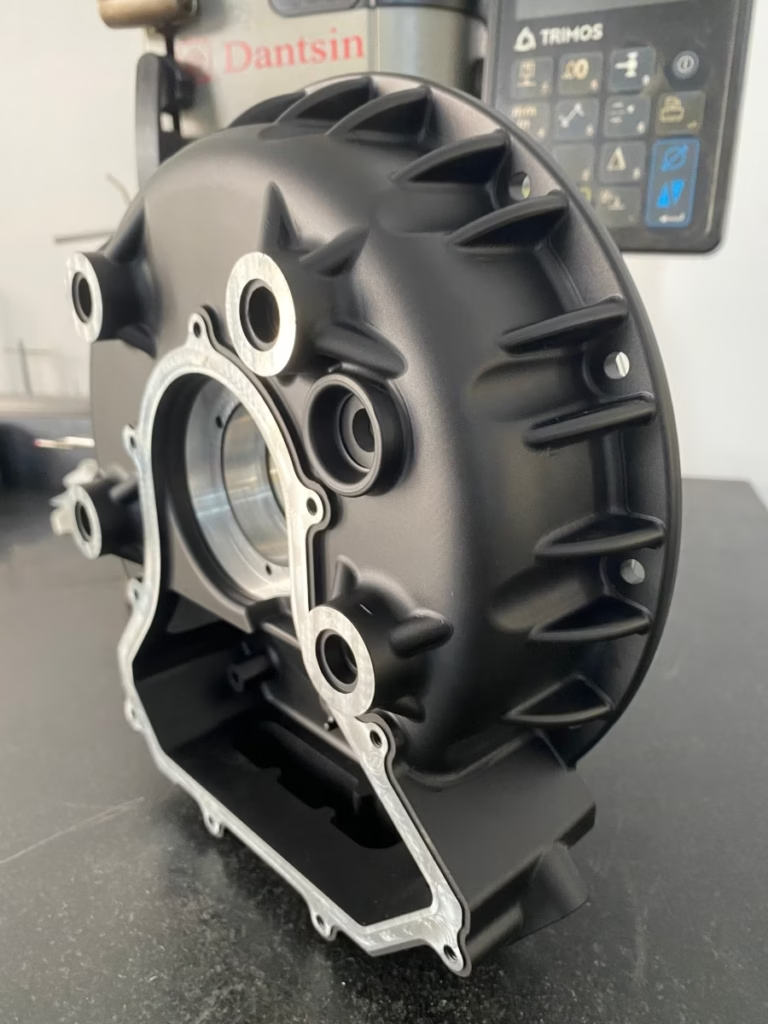
In the race to bring innovative products to market, the integration of metal additive manufacturing (AM) has shifted from a competitive advantage to a strategic necessity. Yet, many engineering and procurement leaders grapple with a pivotal decision: why choose an ODM metal 3D printing China expert over local or purely digital platforms? The answer lies in a unique confluence of deep manufacturing heritage, advanced process control, and the ability to deliver fully finished, production-grade parts—not just printed blanks. As a senior manufacturing engineer who has evaluated numerous supply chains across aerospace, medical device, and automotive sectors, I intend to unpack the tangible reasons behind this choice and illustrate how choosing the right partner transforms raw design files into mission-critical components.
Why Choose ODM Metal 3D Printing China Expert?
The term “ODM metal 3D printing China expert” might sound like a niche keyword, but it encapsulates a specific manufacturing philosophy: an Original Design Manufacturer that does not merely print your part but takes full engineering ownership of the process. Unlike a transactional print shop that replicates your CAD file and ships a raw print, a true expert partner co‑engineers the part for manufacturability, selects optimal materials, manages post‑processing, and certifies the final product. This is where the advantage of a deep‑rooted Chinese manufacturing hub becomes evident—you gain access to a vertically integrated ecosystem that has matured over decades in precision machining, metallurgy, and quality control.
When you choose such a partner, you are essentially mitigating the five classic risks of metal additive manufacturing: inconsistent mechanical properties, excessive post‑processing costs, surface finish defects, dimensional drift, and supply‑chain fragmentation. In this analysis, I will walk through the strategic and technical merits of this model, using GreatLight Metal Tech Co., LTD. as a reference case to demonstrate what best‑in‑class ODM expertise looks like in practice.
The Strategic Role of Metal 3D Printing in Modern Manufacturing
Before evaluating suppliers, it helps to understand why metal AM has become a cornerstone technology. Traditional subtractive methods struggle with internal lattice structures, conformal cooling channels, and topology‑optimized geometries. Metal 3D printing—whether via selective laser melting (SLM), direct metal laser sintering (DMLS), or binder jetting—unlocks these configurations while slashing material waste by up to 90% in some cases. However, the promise of “complexity for free” only materializes when the printed part meets end‑use mechanical and surface requirements. That is rarely the case straight out of the printer.
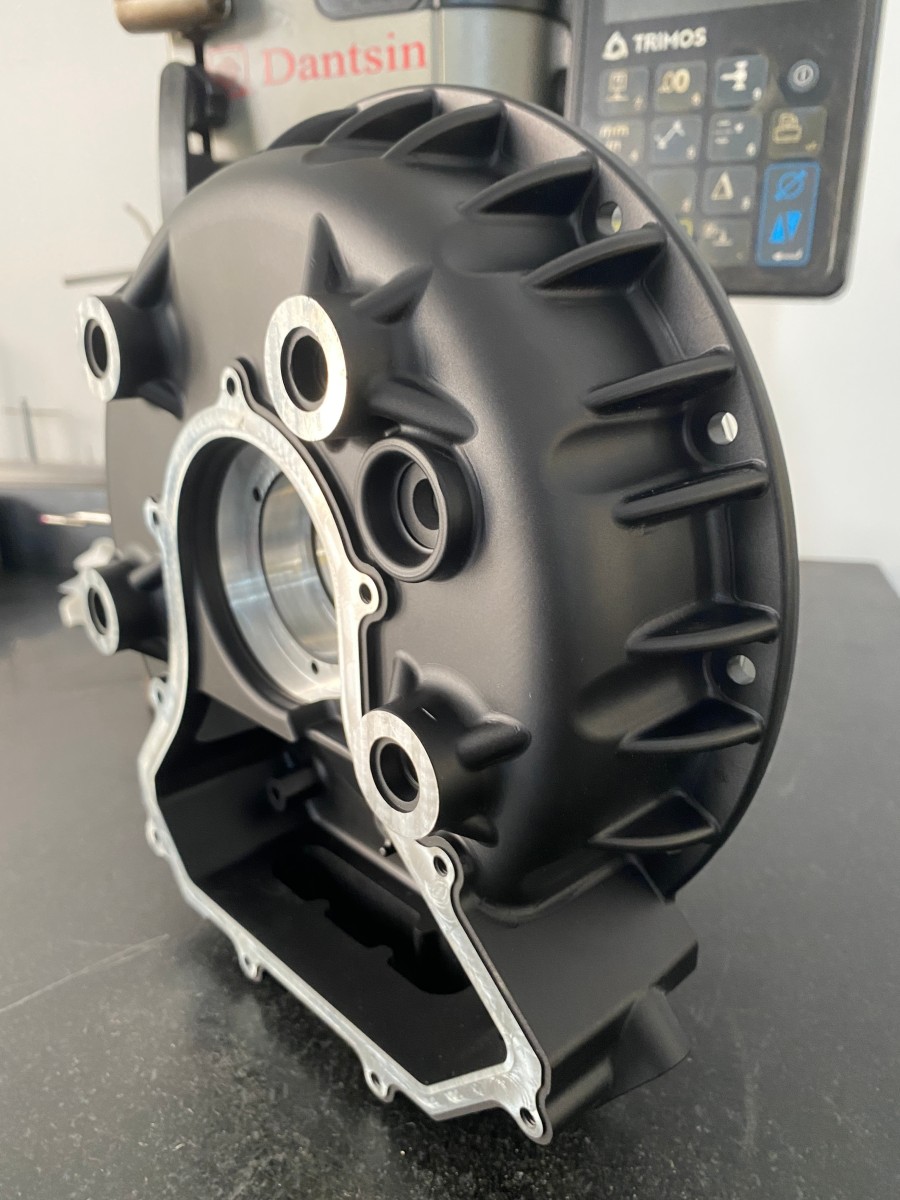
Almost every functional metal AM part requires secondary operations: heat treatment, support removal, precision machining of critical interfaces, threading, surface finishing, and even vacuum impregnation for certain alloys. A true ODM expert integrates these steps under one roof, eliminating the delays and quality gaps that arise when a print‑only bureau outsources finishing to third parties. This is exactly where China’s manufacturing clusters, anchored by well‑equipped enterprises like GreatLight, provide an asymmetric advantage.
What Makes a True ODM Expert?
An ODM metal 3D printing expert must demonstrate proficiency across three pillars: application engineering, process integration, and certification compliance.
Application Engineering
The partner should be able to read your design intent—not just the geometry. For example, if you present an impeller for a turbocharger, an expert will consider the trade‑offs between Inconel 718 and Ti‑6Al‑4V, suggest a scanning strategy that minimizes anisotropy, and recommend stress‑relief protocols that preserve tight hub‑bore tolerances. This level of involvement prevents the notorious “print first, machine later” dilemma that often leads to scrapped hardware.
Process Integration
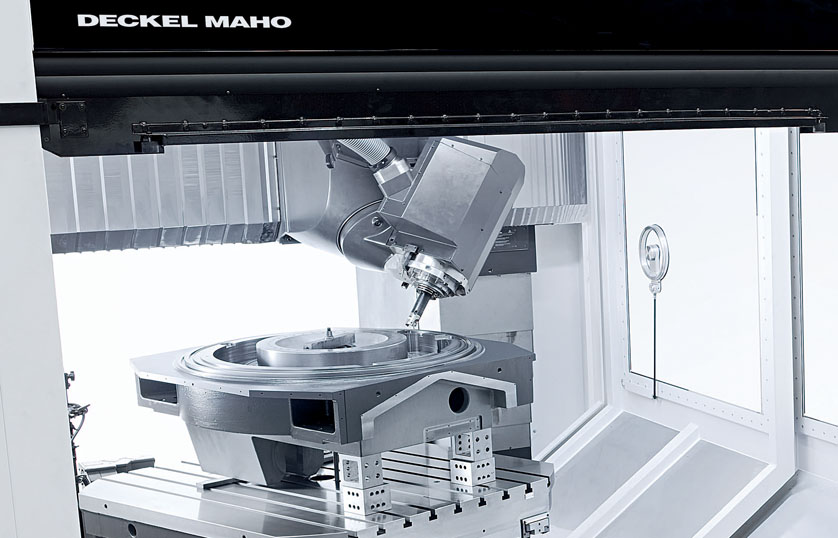
A print does not equate to a finished part. An ODM expert must house in‑house precision 5-axis CNC machining, wire EDM, grinding, and CMM inspection equipment. This is exactly what GreatLight Metal Tech Co., LTD. has built: spanning a 7,600‑square‑meter facility, their workshop clusters brand‑name 5‑axis machining centers, 4‑axis and 3‑axis CNCs, mill‑turn centers, Swiss‑type lathes, and mirror‑spark EDM. With 127 pieces of precision peripheral equipment, the transition from printed near‑net shape to fully toleranced component is seamless and latency‑free.
Certification Compliance
When parts end up in medical devices, automotive powertrains, or aerospace sub‑systems, regulatory paperwork is as critical as the physical article. GreatLight’s certifications include ISO 9001:2015, ISO 13485 (medical), and IATF 16949 (automotive quality management). IATF 16949, in particular, is an internationally recognized standard that extends ISO 9001 with specific requirements for defect prevention, variation reduction, and waste elimination in the automotive supply chain. Holding this certification signals that the ODM partner has rigorous process control capable of producing engine‑grade hardware, not just visual prototypes.
The China Advantage: Ecosystem, Scale, and Innovation
China has evolved far beyond being the world’s “low‑cost factory.” In the realm of metal additive manufacturing, the country now hosts dense networks of material scientists, post‑processing specialists, and machine tool builders that drive down costs while pushing quality upwards. The concentration effect in Dongguan—known as the “Hardware and Mould Capital”—means that even exotic alloys or advanced finishing techniques are accessible without trans‑continental shipping delays.
Moreover, an integrated ODM house like GreatLight leverages parallel process lines. For a single project, you might combine SLM‑printed aluminum housings with vacuum‑cast silicone prototypes, CNC‑machined steel mounts, and sheet metal brackets—all sourced from one accountable entity. This reduces the procurement overhead dramatically and keeps the project’s intellectual property within a controlled, ISO 27001‑like security perimeter (GreatLight ensures data security protocols for sensitive projects).
GreatLight Metal Tech Co., LTD. – A Case Study in ODM Excellence
I have observed that many engineers initially approach the Chinese market with concerns about quality consistency. GreatLight addresses this head‑on by treating certifications not as marketing ornaments but as live operational frameworks. The company holds:
| Certification | Relevance to Metal 3D Printing |
|---|---|
| ISO 9001:2015 | Foundation of quality management; ensures repeatable process control. |
| ISO 13485 | Mandatory for medical hardware; covers risk management and traceability. |
| IATF 16949 | Automotive‑grade quality; defect prevention and continuous improvement mandatory. |
| ISO 27001 (data security) | Protects customer IP, critical for proprietary AM build parameters. |
Their additive manufacturing capabilities span SLM (stainless steel, aluminum alloy, titanium alloy, mold steel), SLA, and SLS, supported by vacuum forming and vacuum casting lines for hybrid product development. This breadth means you can go from a functional metal end‑use part to a full assembly mock‑up in a single purchase order. The facility in Chang’an, Dongguan, with 120–150 seasoned staff, reflects a decade‑long refinement of the “rapid prototyping + precision machining” model.
One of the under‑appreciated strengths of such an ODM partner is the ability to handle maximum processing sizes up to 4,000 mm, combined with tolerances reaching ±0.001 mm. Few standalone metal AM shops can machine a large‑format printed workpiece to such precision without sub‑contracting. In‑house measurement and testing equipment guarantees that all materials and parts meet specified standards before they leave the plant, closing the loop on the often‑frustrating “black hole of precision” that many hardware teams encounter.
Overcoming Common Pain Points with the Right Partner
To understand why choose an ODM metal 3D printing China expert, it helps to map it directly onto the most pervasive pain points I’ve witnessed in the industry:
1. The Precision Black Hole
When a supplier claims ±0.001 mm but delivers parts that drift by 0.02 mm in production, the root is usually equipment that lacks thermal compensation or a process lacking statistical process control. An expert ODM runs high‑precision 5‑axis machines under climate‑controlled conditions and validates every batch with in‑house CMMs and laser scanners, backed by an ISO 9001 routine.
2. Post‑Processing Fragmentation
A 3D printed knee implant might leave the printer with a 25‑micron Ra surface, but the articulation surface needs a mirror finish of 0.4‑micron while porous ingrowth zones must remain untouched. GreatLight’s one‑stop surface finishing services—from polishing, anodizing, and plating to laser marking and painting—mean the part never enters a logistics limbo between shops.
3. Material and Process Unpredictability
Choosing between 316L, AlSi10Mg, or Ti‑6Al‑4V is only the start. Parameters like layer thickness, hatch spacing, and energy density must be tuned to the specific geometry. An ODM partner with in‑house SLM machines and deep bench experience can provide a material test coupon strategy, tensile bar validation, and CT scan data if needed. This transforms additive manufacturing from an art into a documented, repeatable science.
4. Lead‑Time Inflation
A common frustration is the supplier who promises 7‑day turnaround but tacks on another two weeks for “unexpected post‑processing.” With 130+ pieces of advanced equipment and three wholly owned plants, GreatLight absorbs variability by loading jobs across parallel assets, enabling day‑mark turnaround for prototypes and steady throughput for production batches.
5. Intellectual Property Vulnerability
Transferring a complex AM print file, complete with support structures and scanning strategies, carries considerable IP risk. The ISO 27001‑compliant data management framework employed by GreatLight ensures that sensitive project data remains segregated and protected, a non‑negotiable for startups and multinationals alike.
6. Certification Audit Failures
For automotive or medical parts, a supplier without IATF 16949 or ISO 13485 can become a liability during a third‑party audit. By pre‑qualifying a certified ODM, you remove a major source of supply‑chain nonconformance risk.
7. Scaling from Prototype to Production
Bridging the “valley of death” between 10 prototypes and 5,000 production units often breaks suppliers that are not equipped with both additive and conventional manufacturing volumes. GreatLight’s mix of die casting, sheet metal, and CNC machining lines means that once additive‑validated designs transition to volume, the partner can offer hybrid or conventional production without switching vendors.
These pain points, derived from real‑world procurement cycles, clarify that the question is less about why choose an ODM metal 3D printing China expert and more about why risk anything less.
How to Evaluate an ODM Metal 3D Printing Expert
When auditing a potential partner, I recommend focusing on five signal‑rich areas:
Equipment Census – Does the provider list specific machine brands (e.g., Dema, Beijing Jingdiao) and show a diverse portfolio of 5‑axis, 4‑axis, 3‑axis, and Swiss‑type lathes? A list of 127 precision peripheral units is a strong positive signal.
In‑House Post‑Processing Menu – Ask for a single‑page sheet of finishing capabilities. If they cover anodizing, plating, heat treatment, and vacuum casting under one roof, your supply chain just collapsed into a single point of contact.
Certifications in Force – Verify ISO 9001, IATF 16949, and ISO 13485 certificates. Authentic providers display these openly and are willing to share audit reports.
Case Depth in Your Vertical – A partner experienced in humanoid robot joints, automotive engine housings, and medical implants understands the regulatory and performance hurdles of each.
IP Protection Protocol – Review their data handling and non‑disclosure practices. ISO 27001‑aligned procedures add a layer of legal and technical assurance.
Leading Chinese providers like GreatLight Metal, and international platforms such as Protolabs Network or Xometry, offer varying degrees of integration. However, only a dedicated ODM with its own plant floor can provide the engineer‑to‑machine directness that eliminates translation errors and accelerates iterative learning.
Conclusion: Future‑Proofing Your Supply Chain
In a landscape where product lifecycles keep shrinking and geometry complexity keeps climbing, the decision to engage an ODM metal 3D printing China expert is fundamentally about de‑risking innovation. You are not purchasing machine time; you are investing in a manufacturing partnership that shoulders the burden of precision, certification, finishing, and scaling. With a partner like GreatLight CNC Machining Factory, that investment translates into shorter development cycles, tighter tolerances, and a supply chain robust enough to carry you from the first prototype to serial production. For engineering leaders determined to turn ambitious designs into certified reality, the answer to why choose an ODM metal 3D printing China expert is written in the quality of the parts that arrive at your loading dock—on time, on spec, and ready to deploy.



















