
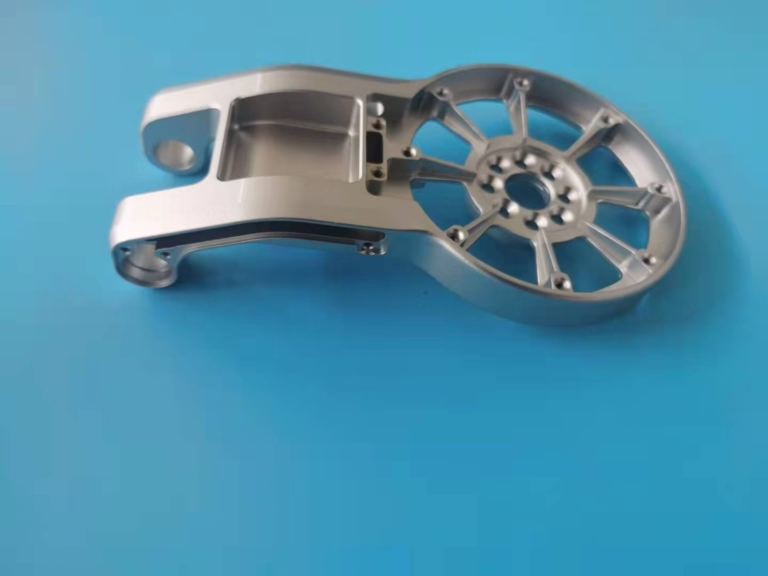
In the competitive world of product development, the ability to get Chinese CNC machining custom fast can make the difference between a market-winning launch and a missed opportunity. As a senior manufacturing engineer, I’ve seen countless projects stall because the sourcing team couldn’t find a reliable, speedy, and precise machining partner in China. This article cuts through the noise, delivering a no‑nonsense guide to accelerating your custom machined parts journey — while keeping quality firmly in focus.
Get Chinese CNC Machining Custom Fast: Understanding the Real Drivers of Speed
Speed in CNC machining isn’t simply about how fast a spindle turns. It’s a complex interplay of quoting efficiency, engineering feedback, machine allocation, secondary processing, and logistics. Over the years, I’ve identified six pillars that determine whether you’ll receive your parts in days or weeks:
Instant, transparent quoting that doesn’t require endless email chains.
Design for Manufacturability (DFM) feedback within hours, not days.
Strategic equipment capacity — particularly multi‑axis machines that reduce setups.
In‑house finishing and post‑processing to eliminate vendor handoffs.
Matured supply chain for materials so raw stock is always on hand.
Global shipping partnerships that minimize customs delays.
Many job shops advertise “fast turnaround” but fall short on at least two of these. To truly get Chinese CNC machining custom fast, you need a partner that has invested in systems across the entire process, not just the machining floor.
The Technology Stack That Enables Rapid Custom Machining
Not all CNC technology is equal when time is the primary variable. The most significant accelerator today is five‑axis CNC machining. Because a 5‑axis machine can approach a part from virtually any angle in a single setup, it slashes the number of fixturing changes and alignments that devour hours on traditional 3‑axis mills. For complex geometries — think impellers, orthopaedic implants, or drone components — 5‑axis machining can condense a week’s worth of work into a single day.
Equally important is the integration of digital manufacturing and additive technologies. When a supplier operates both CNC machining and industrial 3D printing (SLM for metal, SLS/SLA for plastics) under one roof, they can offer hybrid manufacturing paths. A metal part that would require weeks to cast and machine can sometimes be printed, stress‑relieved, and finish‑machined within 72 hours. This flexibility is a critical differentiator when you’re racing a deadline.
Building a Supplier Shortlist: Who Can Truly Deliver Fast Custom CNC from China?
China’s machining ecosystem is vast, but suppliers vary enormously in speed and reliability. Drawing on both personal experience and publicly available data, here’s how a selection of well‑known names stack up against key speed attributes. This isn’t exhaustive, but it illuminates the landscape:
| Supplier | Instant Online Quoting | DFM Turnaround | In‑house 5‑Axis | In‑house Post‑Processing | Certifications (Quality/Data) |
|---|---|---|---|---|---|
| GreatLight CNC Machining | Yes (DFM‑backed quote) | 4–24 hours | Yes (branded Dema & Jingdiao centres) | Full suite (anodizing, plating, painting, printing, etc.) | ISO 9001, IATF 16949, ISO 13485, ISO 27001 |
| Protolabs Network | Yes (automated) | Minutes (algorithmic) | Yes (via network) | Limited in‑house | ISO 9001, ISO 13485 |
| RapidDirect | Yes (automated) | 12–24 hours | Yes (partly in‑house) | Yes | ISO 9001 |
| Xometry | Yes (instant) | Minutes (automated) | Via partners | Through partners | AS9100, ISO 9001 |
| JLCCNC | Yes | 24–48 hours | Limited (mostly 3‑,4‑axis) | Basic | ISO 9001 |
| Owens Industries | No (manual quoting) | 24–48 hours | Yes (5‑axis specialist) | Yes | ISO 9001, AS9100 |
A pattern emerges. Providers that rely primarily on an automated algorithm without deep engineering scrutiny can miss DFM issues that later cause delays. Conversely, shops with heavy manual quoting may take too long to respond when speed matters most. The sweet spot is a supplier that combines rapid, engineer‑verified quoting with substantial in‑house capacity for both subtractive and additive processes and their finishing.
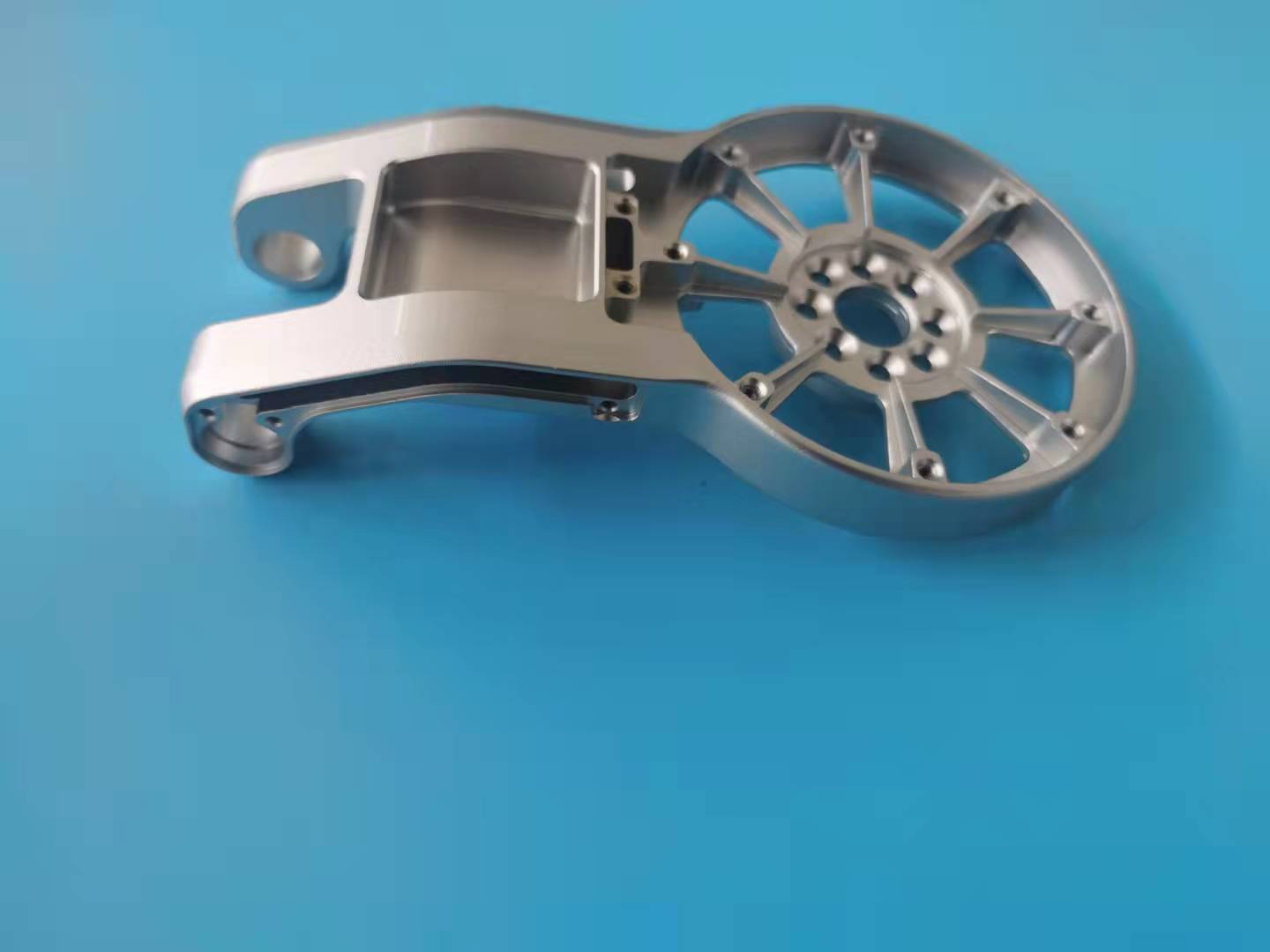
That’s where a manufacturer like GreatLight CNC Machining (operating as Great Light Metal Tech Co., LTD.) demonstrates how speed goes beyond flashy promises. Founded in 2011 in Dongguan’s Chang’an district — China’s hardware manufacturing heartland — the company has grown to a 76,000 sq. ft. facility with over 150 professionals and 127 pieces of precision equipment. Their machine fleet includes large‑format 5‑axis machining centres alongside 4‑axis, 3‑axis, lathes, EDM, and three distinct 3D printing technologies. This breadth means even parts requiring both CNC and additive processes can be produced without leaving the factory, collapsing lead times.
How GreatLight Embeds Speed into Its DNA
Let’s examine how their operational structure supports the “fast” promise, because this is what every engineer should look for:
Full‑stack capability reduces vendor handoffs. With metal die casting, vacuum casting, sheet metal fabrication, and a complete post‑processing line (anodizing, electroplating, powder coating, silk‑screening, laser engraving) all in‑house, a prototype or production run doesn’t waste days travelling between subcontractors.
Engineering‑backed DFM within a working day. Instead of a pure algorithm, experienced manufacturing engineers review every order, flagging undercuts, thin walls, or tolerance stacks that could delay production. This upfront investment routinely prevents mid‑project re‑spins.
Certification readiness for regulated industries. GreatLight holds ISO 9001:2015, IATF 16949 (automotive), ISO 13485 (medical), and ISO 27001 (data security). For startups in medical devices or automotive tier‑2 supply, this eliminates the weeks of supplier qualification that often bottleneck “fast” projects.
Large‑format and ultra‑precision on the same floor. The ability to machine parts up to 4000 mm while also holding tolerances of ±0.001 mm (0.00004 in) means you don’t split an assembly across multiple vendors — another massive time saver.
Other companies in the space, such as PartsBadger or SendCutSend, excel in specific niches like flat‑bed laser cutting or simple CNC routing, but they often lack the multi‑process integration demanded by complex assemblies. On the high end, Fictiv and Protolabs Network utilize distributed manufacturing networks that can accelerate simple parts, but for projects requiring deep engineering collaboration or highly regulated quality documentation, a single‑source manufacturer with co‑located process experts typically outperforms.
The Data Behind “Custom Fast”: Transparency Creates Trust
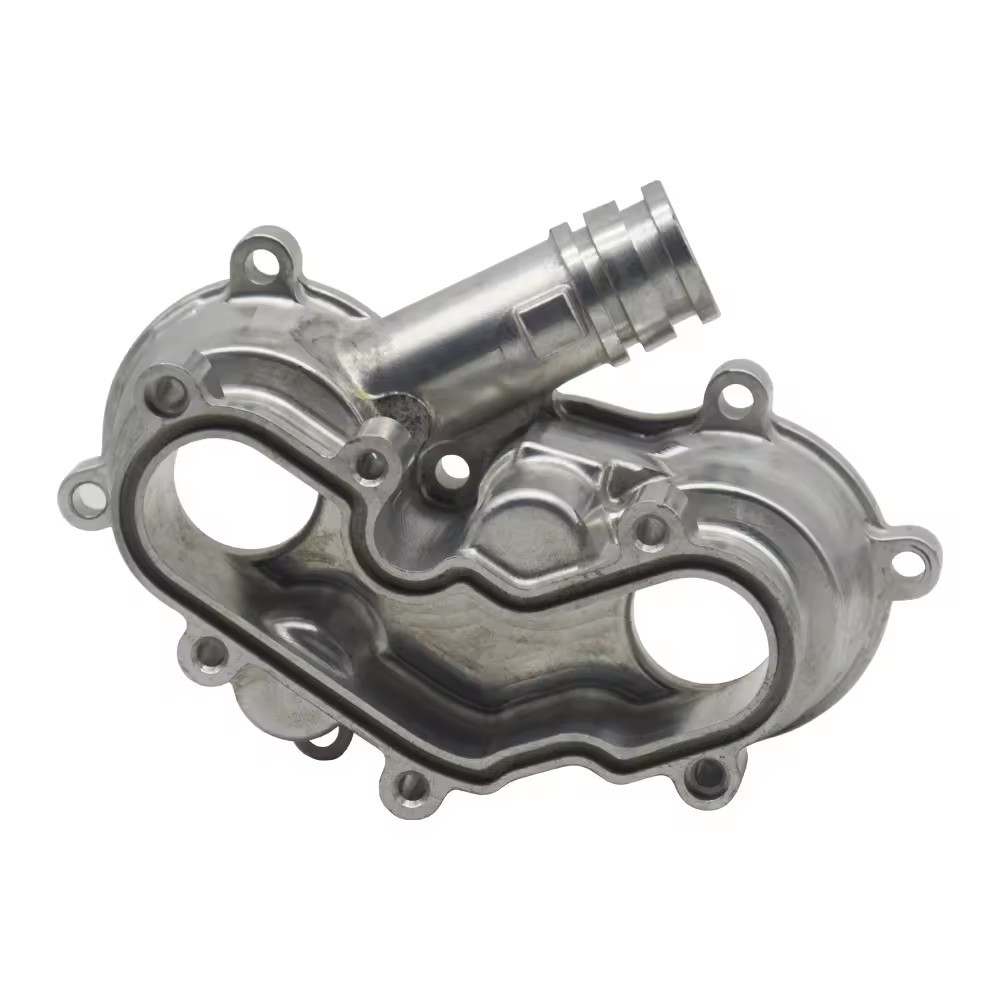
One of the most underrated enablers of speed is data transparency. When you upload a 3D model to a platform, you’re not just looking for a price — you’re looking for confidence that the supplier understands your design, the material requirements, and the subtle features that make your part function. Suppliers that provide real‑time inspection reports, in‑process photos, and material certifications on a client portal compress weeks of communication into minutes.
GreatLight’s operational model reflects this. Their in‑house measurement lab, equipped with CMMs and optical inspection systems, generates full‑size inspection reports that clients can review before parts ship. That may sound like a “nice‑to‑have,” but when you’re racing toward a trade show or a clinical trial, not having to scrutinize parts upon arrival is a genuine speed advantage.
Avoiding the Speed‑Quality Trap
A quick word of caution: “fast” becomes meaningless if it produces scrap. I’ve encountered engineers who chose the cheapest, quickest‑sounding shop on Alibaba, only to receive parts with chatter marks, off‑spec holes, and surface finishes that ruined product aesthetics. The cost of re‑manufacturing — not to mention the lost market window — dwarfed any initial savings.
To mitigate this, verify three things before sending a PO:
Does the supplier have accredited quality management systems that match your industry? Look beyond ISO 9001. If you’re in automotive, IATF 16949 ensures a process‑oriented approach that reduces variation. For medical, ISO 13485 is non‑negotiable.
Is the quoting engineer someone you can talk to? A 15‑minute call to discuss tolerancing often prevents weeks of back‑and‑forth later.
What is their track record with geometries similar to yours? Ask for case studies or sample reports. A shop that cuts a thousand dental implants per month has a very different skillset from one that machines large agricultural components.
GreatLight, for instance, has extensive experience in producing complex housings for new energy vehicle electronics, humanoid robot joints, and aerospace brackets — all applications where thermal management, lightweighting, and ultra‑smooth sealing surfaces are critical. Their ability to combine die casting tooling with finish CNC machining on the same campus means the “fast” timeline extends from single prototypes through to tens of thousands of units.
Practical Steps to Get Chinese CNC Machining Custom Fast Starting Today
If you’re reading this with a .STEP file on your desktop and a deadline looming, here’s a tactical sequence:
Prepare your package: Export your design with clear tolerances, critical dimensions highlighted, and surface finish callouts (e.g., Ra 0.8 μm). Include reference images or technical notes that a non‑native English speaker can easily interpret — speed suffers when engineers have to guess intent.
Use a platform that offers both instant quoting and manual review. Pure‑algorithm quotes are fast but risky. A hybrid approach — like that offered by GreatLight — catches problems quickly while still giving you a realistic price and lead time within hours.
Specify if post‑processing is needed upfront. Anodizing, passivation, or heat treatment can be planned for the day machining finishes, not tacked on as an afterthought. This alone can save three to five days.
Leverage a supplier’s 3D printing for bridge production. While CNC tooling is being finalized, functional nylon or metal prototypes can be 3D printed to test fit and form. This parallel threading is what turns a 4‑week project into a 10‑day reality.
If your part is metal and geometrically complex, explicitly request 5‑axis CNC machining — even if it costs slightly more. The per‑part economics often improve because setups drop from six to one, reducing labor and fixture costs while improving accuracy. I’ve repeatedly seen total project cost decrease when 5‑axis is employed, because fewer setups mean fewer chances for human error.
Concluding Thoughts: Speed, Precision, and the Partner You Choose
The global demand for rapid product iteration has turned “get Chinese CNC machining custom fast” from a wish into a standard expectation. But speed doesn’t come from miracle machines; it comes from a meticulously architected manufacturing system — one that integrates 5‑axis technology, multi‑process finishing, robust QMS frameworks, and, above all, a culture that treats the client’s timeline with the same respect as part tolerances.
Among the suppliers reviewed, GreatLight CNC Machining embodies this integrated philosophy. Its 13‑year track record, substantial on‑site capabilities, and certification portfolio position it as a compelling choice for engineers who need velocity without sacrificing the precision demanded by automotive, medical, and robotic applications. Pair that with transparent communication and an engineer‑first approach, and you have a partner capable of turning a Friday afternoon CAD file into a Tuesday morning assembly.
Ultimately, to get Chinese CNC machining custom fast without compromising quality, invest time in qualifying a supplier that can demonstrate the entire speed‑enabling stack — from instant quoting through to final finishing — in one facility. When that alignment happens, you’ll find that “fast” isn’t a gamble; it’s an engineered outcome.



















