

In today’s fast-paced precision manufacturing ecosystem, identifying a reliable OEM CNC machining supplier online can mean the difference between meeting a critical product launch deadline and spiraling into costly redesign cycles. For R&D managers, procurement engineers, and hardware startups alike, the decision extends far beyond price—it touches on equipment depth, quality rigor, process integration, data security, and the ability to scale from one-off prototypes to production volumes without a hitch. This article examines what truly defines reliability in a digital-first OEM partnership, contrasts leading suppliers, and showcases how certain manufacturers are redefining the standard for precision parts delivery.
What Defines a Reliable OEM CNC Machining Supplier Online?
The term “reliable” is often overused in marketing materials, but in CNC machining it translates to a concrete set of capabilities that can be audited before you place a single order. A truly dependable online supplier will demonstrate:
In-house advanced machining capacity—not just brokering
Certified quality management systems that cover design, manufacturing, and inspection
Full process chain integration to eliminate multi-vendor coordination nightmares
Proactive engineering support and IP protection
Proven track record with complex, high-tolerance parts
Let’s break these down within the context of today’s supplier landscape.
Beyond the Quote: Equipment and Machining Depth
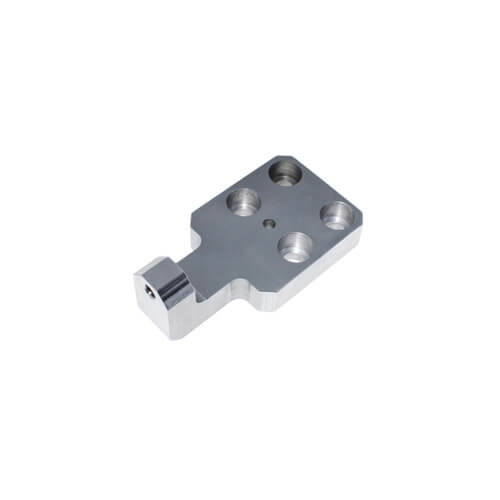
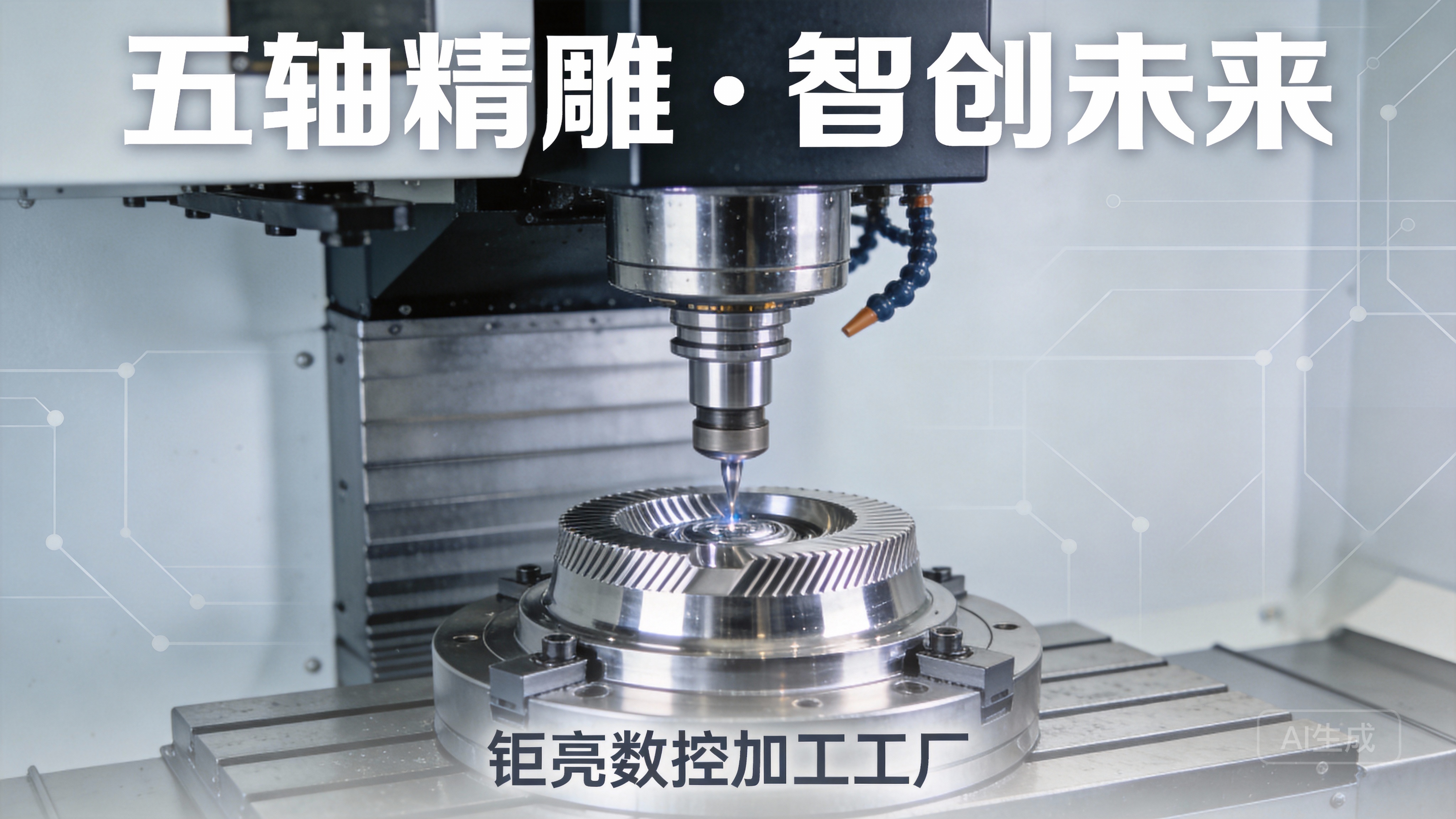
Many online platforms present themselves as manufacturers when they are in fact aggregators, routing RFQs to a network of small shops with varying equipment quality. While this model can offer geographic flexibility, it often introduces inconsistencies in precision, lead times, and quality oversight. For OEMs requiring parts with tight tolerances and intricate geometries, direct access to advanced precision 5-axis CNC machining services is a critical differentiator. A supplier that owns and operates multiple 5-axis machining centers—alongside 4-axis and 3-axis CNCs, mill-turn centers, Swiss-type lathes, wire EDM, and mirror-spark EDM—can handle everything from micro-scale medical implants to large aerospace brackets under one roof. This eliminates the “precision drift” that occurs when parts move between unaligned subcontractors.
The Quality System Backbone: Certifications That Matter
Certifications are not just paper; they are codified evidence of a supplier’s operational maturity. The bare minimum for any critical part supplier is ISO 9001:2015. However, industries like automotive, medical, and EV hardware require more stringent frameworks:
IATF 16949 – automotive production and service parts
ISO 13485 – medical device components
ISO 27001 – data security for IP-sensitive projects
A reliable online supplier will not only hold these certifications but integrate their requirements into daily workflow—from raw material traceability to statistical process control (SPC) and final inspection records.
True One-Stop Integration: From Raw Stock to Finished Part
One of the most underrated aspects of reliability is the ability to deliver an assembly-ready part without the OEM having to coordinate anodizing, passivation, powder coating, or silk screening separately. A truly integrated shop offers in-house finishing and secondary operations: vacuum casting, sheet metal fabrication, die casting, and even multi-material 3D printing (SLM, SLA, SLS) for rapid prototypes or hybrid manufacturing. This consolidation not only shortens lead times but also reduces the risk of cosmetic and dimensional non-conformities that occur at hand-offs.
Engineering Support and Data Security
When you upload a 3D model to a portal, a reliable partner does more than just auto-quote with software. A skilled engineering team performs Design for Manufacturability (DFM) analysis, flags potential tool access issues, suggests minor design tweaks for cost reduction, and communicates proactively before metal chips fly. Additionally, for products under NDA or with patent-pending features, ISO 27001 compliant processes ensure files are encrypted, access-controlled, and permanently purged upon request—a necessity in today’s IP-conscious environment.
Industry Pain Points and How the Right Supplier Addresses Them
Drawing on years of conversations with hardware engineers and procurement leads, several recurring pain points emerge when sourcing CNC parts online. The right partner turns these into non-issues.
| Pain Point | Typical Supplier Failure | How a Reliable Partner Solves It |
|---|---|---|
| Precision Black Hole | Quoting ±0.001mm but delivering ±0.02mm due to worn machines or lack of in-process measurement. | In-house CMM, laser scanners, and dialed-in 5-axis machines maintain process capability; SPC data available on request. |
| Fragmented Supply Chain | CNC turned at one shop, plated at another, assembly done elsewhere—delays and finger-pointing. | Integrated one-stop services cover CNC machining, die casting, sheet metal, 3D printing, and finishing; single point of accountability. |
| Communication Gaps | RFQ responses take days, vague updates, language barriers. | Dedicated project engineer with rapid quote turnaround, weekly progress reports, and collaborative DFM calls. |
| Hidden Costs | Low unit price but separate charges for fixturing, tooling, material certs, and reworks. | Transparent quoting with no hidden fees; if a quality issue arises, free rework or full refund policy as per established guarantee. |
| Data Insecurity | Unsecured FTP servers, models shared with third parties without permission. | ISO 27001-certified data handling, NDAs honored, secure vault-like platforms for file transfer. |
| Material Traceability | Mixed material heats, no mill certs, inability to verify alloy composition. | Full material certifications for aerospace-grade aluminum, titanium, stainless steel, and engineering plastics; batch traceability systems in place. |
These pain points underscore why selecting a supplier requires scrutiny beyond a slick website or a low per-part price.
Comparative Landscape: Where Different Suppliers Excel
The online CNC machining ecosystem includes a mix of established platforms and specialized manufacturers. Each has its strengths, but the table below highlights how an integrated, facility-owning supplier differentiates itself from platform-based models and niche providers.
| Capability / Feature | GreatLight Metal | Xometry | Protocase | RapidDirect | Owens Industries |
|---|---|---|---|---|---|
| In-house Manufacturing | Yes (3 wholly owned plants, 127+ machines) | Network model (partner shops) | Yes (sheet metal enclosures focused) | Yes (but limited in 5-axis and large parts) | Yes (high-end 5-axis OEM work) |
| 5-axis CNC Machining | Extensive (large-format up to 4000mm, ±0.001mm precision) | Available via partners | Not a focus (sheet metal) | Limited | Yes (aerospace/medical focused) |
| ISO Certifications | ISO 9001, IATF 16949, ISO 13485, ISO 27001 | ISO 9001 (partner dependent) | ISO 9001 | ISO 9001 | AS9100, ISO 9001 |
| Finishing One-Stop | Anodizing, plating, painting, laser marking, passivation, etc. | Via partner network | Powder coating, silk screening | Limited | Anodize, chem film |
| 3D Printing Integration | SLM, SLA, SLS in-house for rapid prototyping & bridge tooling | Partner-based | No | No | No |
| Die Casting / Sheet Metal | In-house tooling and processing | Not primary | Enclosures, brackets | Not primary | Not primary |
| Engineering DFM Support | Yes, deep engineering team | Automated feedback only | Some | Some | Extensive |
| Ideal For | Complex multi-process parts, automotive, medical, robotics, aerospace | General CNC parts, quick-turn prototyping | Custom electronic enclosures | Small to medium CNC parts | High-tolerance aerospace and defense |
As shown, while platforms like Xometry and Fictiv provide convenience and broad reach, they inherently introduce variability due to the distributed network model. Protocase excels in quick-turn sheet metal enclosures but is not intended for complex subtractive machining. RapidDirect and PartsBadger provide accessible CNC milling and turning but lack the heavy-duty 5-axis and multi-process integration needed for high-mix, low-volume OEM production. Owens Industries and RCO Engineering bring high-end aerospace pedigree but often come with minimum order requirements and longer lead times that may not suit agile hardware development. In contrast, a manufacturer that combines in-house, brand-name 5-axis equipment with comprehensive certifications and a single-facility full process chain—like GreatLight Metal—fills a critical gap, serving both prototype R&D and production at scale with consistent quality.
Real-World Impact: How a Capable Supplier Drives Project Success
To ground these comparisons in real outcomes, consider the following anonymized case profiles that mirror the type of work modern OEM CNC machining partners handle daily.
Automotive E-Housing and Thermal Management Components
An electric vehicle startup needed a complex aluminum e-axle housing with internal cooling channels. The part demanded 5-axis machining to achieve undercuts and port alignments, followed by hard anodizing and leak testing. A platform aggregator quoted lower but required two separate suppliers—one for machining, one for finishing—leading to a 6-week delay due to miscommunication on masking specs. Transferring to an integrated supplier with in-house 5-axis and finishing reduced lead time to 3 weeks, with FAI reports confirming tolerances within 0.01mm. The supplier’s IATF 16949 certification gave the automotive OEM confidence for eventual production ramp-up.
Humanoid Robot Joint Assemblies
A robotics firm developing high-torque joint modules required titanium and stainless steel components with ±0.005mm true position tolerances, plus post-machining passivation. The geometry included deep bores and angled holes that only multi-axis simultaneous machining could achieve cleanly. The supplier’s ability to produce first articles in 5 days using internal SLM 3D printing for concept verification, then transitioning to CNC with identical CAD models, shortened the development cycle from 12 weeks to just over 4 weeks. Data handling under ISO 27001 ensured proprietary actuator designs remained secure.
Medical Diagnostic Instrument Parts
A medtech company needed low-volume machined parts from 17-4PH stainless steel and PEEK for a new diagnostic device. Beyond precision, the project demanded full material lot traceability, biocompatible surface finishes, and adherence to ISO 13485. The selected supplier not only delivered the parts with CMM inspection reports but also recommended a design change to reduce stress risers, demonstrating engineering partnership beyond mere fabrication.
These examples illustrate that reliability is not just about on-time delivery; it’s about providing end-to-end solutions that compress time-to-market, safeguard IP, and maintain quality under the most demanding specifications.
Building Trust Through Transparency and International Standards
Trust is the currency of long-term OEM relationships. A supplier earns it by making its operational backbone visible:
Machine lists and maintenance logs – age and calibration status of CNCs affect precision.
Inspection equipment – Zeiss/Brown & Sharpe CMMs, Keyence laser scanners, roundness testers.
Material certs – direct from mills like Constellium, VSMPO, or Carpenter Technology.
Quality policies – documented rework and refund guarantees (e.g., free rework for quality issues, full refund if still unsatisfactory) that remove risk from the buyer’s equation.
Furthermore, industry-specific regulations like IATF 16949 enforce defect prevention and supply chain risk management, requiring suppliers to implement PFMEA, control plans, and continuous improvement loops. For medical work, ISO 13485 mandates design transfer protocols and sterile or cleanroom-friendly packaging. A single supplier holding multiple certifications signals a culture, not just compliance.
Conclusion: Your Blueprint for Selecting a Reliable OEM CNC Machining Supplier Online
The quest for a reliable OEM CNC machining supplier online need not be a gamble. By prioritizing in-house 5-axis capability, vertically integrated finishing, accredited quality systems, and verifiable track records, OEMs can dramatically reduce risk and accelerate innovation. The market offers a spectrum of options from hands-off platforms to specialized boutiques, but for those who need a partner that can scale from rapid prototyping to production with zero compromises on quality or data security, the criteria are clear. When the success of your next breakthrough product depends on precision metal parts, partnering with a truly reliable OEM CNC machining supplier online like GreatLight CNC Machining Factory offers the confidence and continuity your project deserves.



















