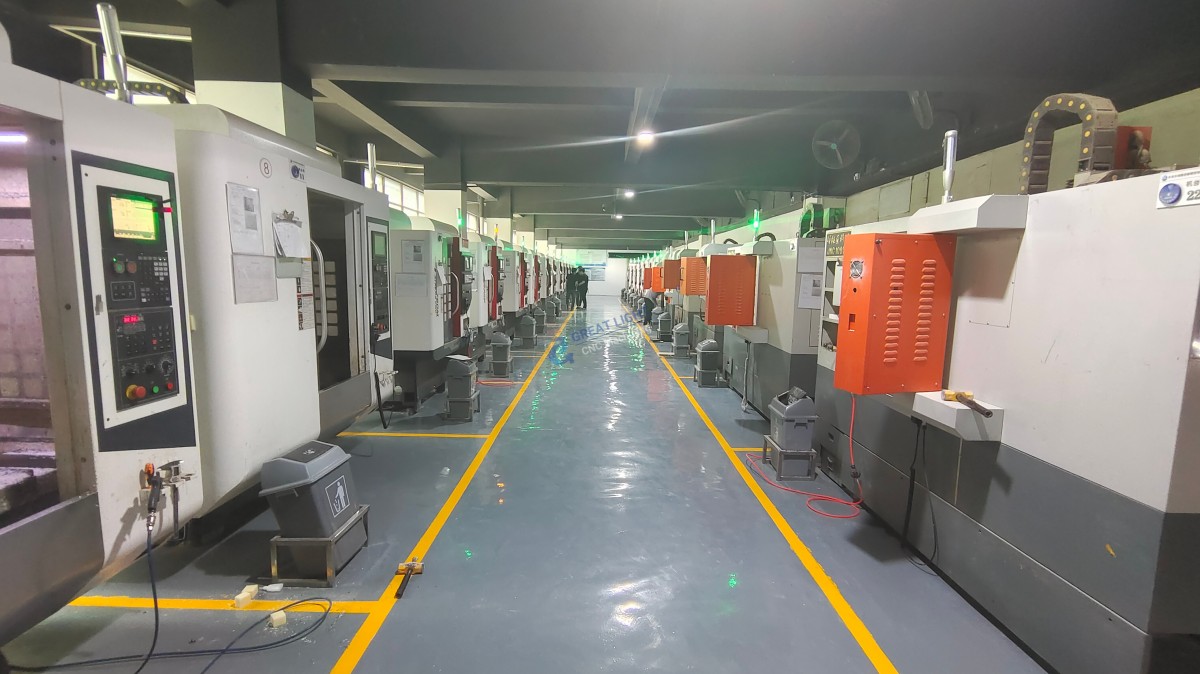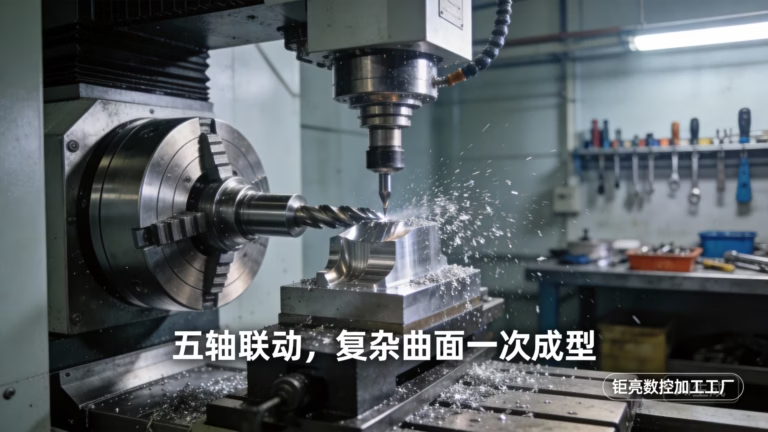
In the world of precision manufacturing, where tolerances are measured in microns and surface finishes can determine a component’s very functionality, one class of machine tools stands as the undisputed master of finishing: the CNC grinding machine. For clients seeking the pinnacle of accuracy, surface integrity, and geometric perfection in machined parts, understanding this technology is not just academic—it’s critical to specifying the right manufacturing process for their most demanding components. At its core, a CNC grinding machine is a computer-numerically-controlled power tool that uses an abrasive rotating wheel to remove minute amounts of material from a workpiece, achieving unmatched dimensional accuracy and exceptional surface quality.
This process is not merely an alternative to milling or turning; it is often the definitive, final step that transforms a well-machined part into a precision instrument. For a professional five-axis CNC machining manufacturer like GreatLight CNC Machining Factory, integrating advanced grinding capabilities into our service portfolio is what allows us to offer true end-to-end solutions for complex, high-tolerance parts.
H2: Deconstructing the CNC Grinding Machine: Core Principles and Components
Unlike cutting tools that use defined edges, grinding employs a wheel composed of countless hard, sharp abrasive grains (such as aluminum oxide, silicon carbide, cubic boron nitride, or diamond) bonded together. Each grain acts as a microscopic cutting tool. The CNC grinding machine orchestrates this abrasive action with extreme precision through several key subsystems:
The Grinding Wheel/Spindle Assembly: The heart of the machine. The spindle, powered by a high-precision motor, rotates the grinding wheel at very high speeds. The wheel’s composition, grain size, hardness, and structure are meticulously selected based on the workpiece material and the desired finish.
The Workholding System: This can include precision chucks, magnetic plates, between-centers fixtures, or specialized custom fixtures. Its paramount role is to hold the workpiece rigidly and accurately, preventing vibration or deflection that would ruin precision.
The CNC Control System: The “brain” of the operation. It precisely dictates the movement of the wheel relative to the workpiece along multiple axes (X, Y, Z, and often rotational A, B, or C axes). It controls infeed depth, traverse speed, dwell times, and wheel dressing cycles.
The Dressing and Truing Unit: Over time, the grinding wheel wears and its cutting face can become loaded with material or lose its form. A dressing tool (often a single-point diamond) is used to restore the wheel’s geometry and sharpness, which is crucial for maintaining consistent part quality.
Coolant Delivery System: High-pressure coolant is essential to flood the grinding zone. It serves three vital functions: dissipating the intense heat generated, flushing away swarf (abrasive and material particles), and providing lubrication to improve surface finish and wheel life.
H3: The Diverse Family of CNC Grinding Machines
The term “CNC grinding machine” encompasses a range of specialized types, each engineered for specific part geometries and tolerances.
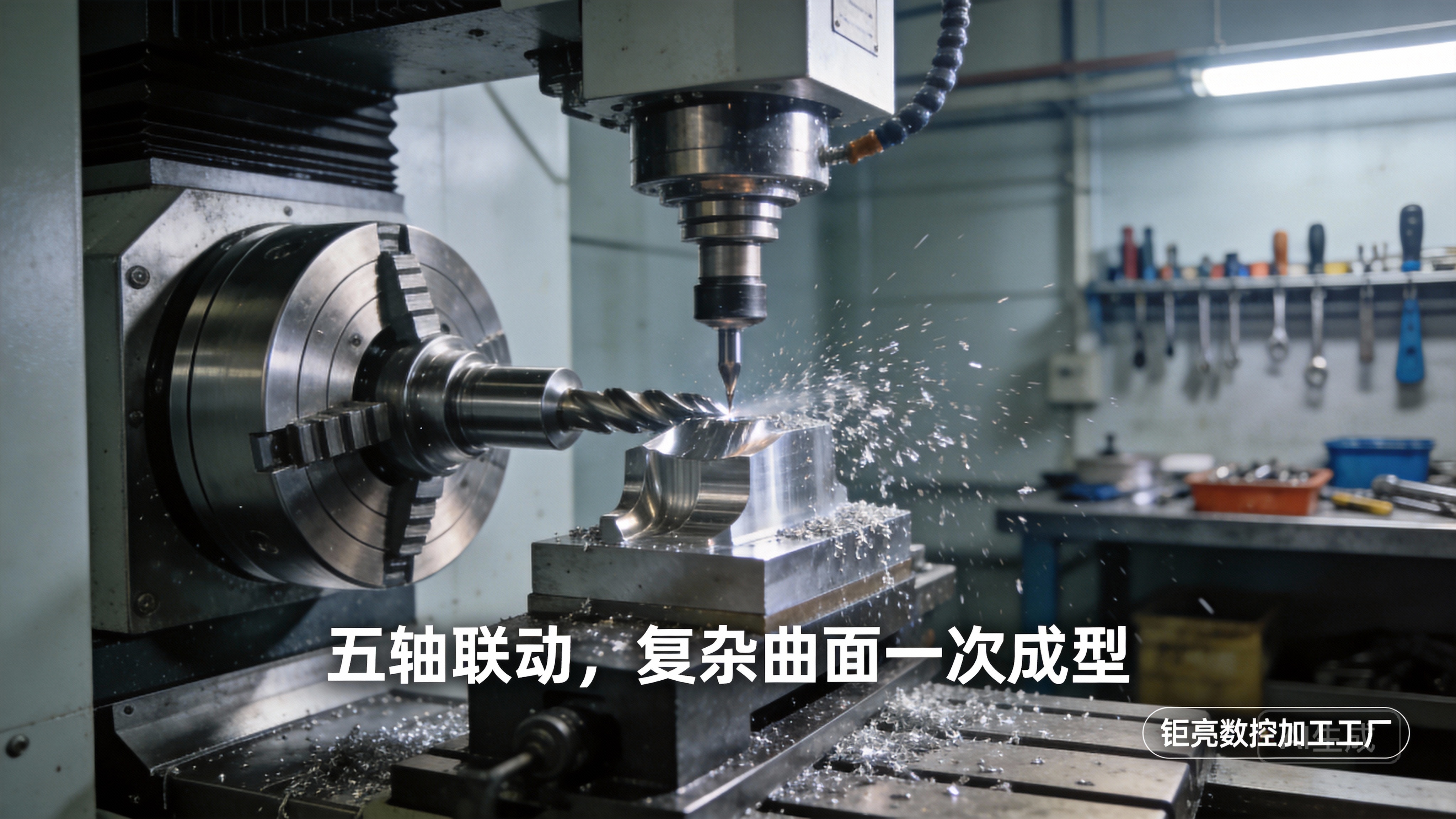
CNC Cylindrical Grinders: Designed for grinding external or internal cylindrical surfaces and shoulders. They can produce straight, tapered, or contoured profiles on shafts, pins, and bearings. Subtypes include:
Angle-Head Grinders: For complex multi-diameter shafts.
Universal Cylindrical Grinders: Can swivel both the wheelhead and workpiece headstock for intricate tapers and forms.
CNC Surface Grinders: Primarily used to produce flat, angular, or contoured surfaces on workpiece tops. The wheel rotates on a vertical spindle, and the workpiece is traversed on a reciprocating or rotary table beneath it. Ideal for molds, die plates, and precision mechanical components requiring perfect flatness.
CNC Centerless Grinders: A highly productive method for grinding the external diameters of cylindrical parts without using centers or chucks. The workpiece is supported between a grinding wheel, a regulating wheel, and a work rest blade. Excellent for high-volume production of pins, rods, and bushings.
CNC Tool & Cutter Grinders: The masters of regrinding and manufacturing cutting tools like end mills, drills, hob cutters, and inserts. They feature multiple programmable axes to handle the complex geometries and clearances of cutting tools.
CNC Creep-Feed Grinders: Unlike traditional grinding that takes light, fast passes, creep-feed grinding uses a deep cut at a very slow feed rate. This is highly effective for slot grinding, profile grinding of turbine blades, and other applications requiring deep form geometries in a single pass.
H2: Why CNC Grinding is Indispensable in Precision Machining
While milling can achieve excellent results, CNC grinding is specified when requirements push beyond standard machining limits. Its unparalleled advantages include:
Ultra-High Dimensional Accuracy and Tolerance Holding: Capable of achieving tolerances within ±0.001mm (1 micron) and even sub-micron levels consistently across batch production. This is non-negotiable for aerospace bearings, medical implant surfaces, and fuel injection components.
Superior Surface Finish: Can produce surface finishes measured in Ra values as low as 0.1 µm (4 µin) or better, reducing friction, improving fatigue resistance, and enhancing aesthetic quality. This is critical for hydraulic components, optical lens molds, and semiconductor parts.
Ability to Machine Hardened Materials: Grinding is the most effective method for finishing parts that have been heat-treated to high hardness (e.g., tool steels, case-hardened gears). It can shape these hard materials where conventional cutting tools would fail.
Geometric Perfection: Excels at creating and maintaining perfect geometric relationships—exceptional flatness, roundness, cylindricity, and parallelism—that are fundamental to the function of gauges, seals, and precision mechanical assemblies.
Process Stability and Repeatability: Modern CNC grinding machines with in-process gauging and adaptive controls can compensate for thermal drift and wheel wear, ensuring the first part and the thousandth part are identical.
H3: Integrating CNC Grinding into a Holistic Manufacturing Solution: The GreatLight Metal Approach
At GreatLight CNC Machining Factory, we view CNC grinding not as an isolated service, but as a critical phase within a seamless, full-process manufacturing chain. This integrated perspective is what solves complex client challenges:
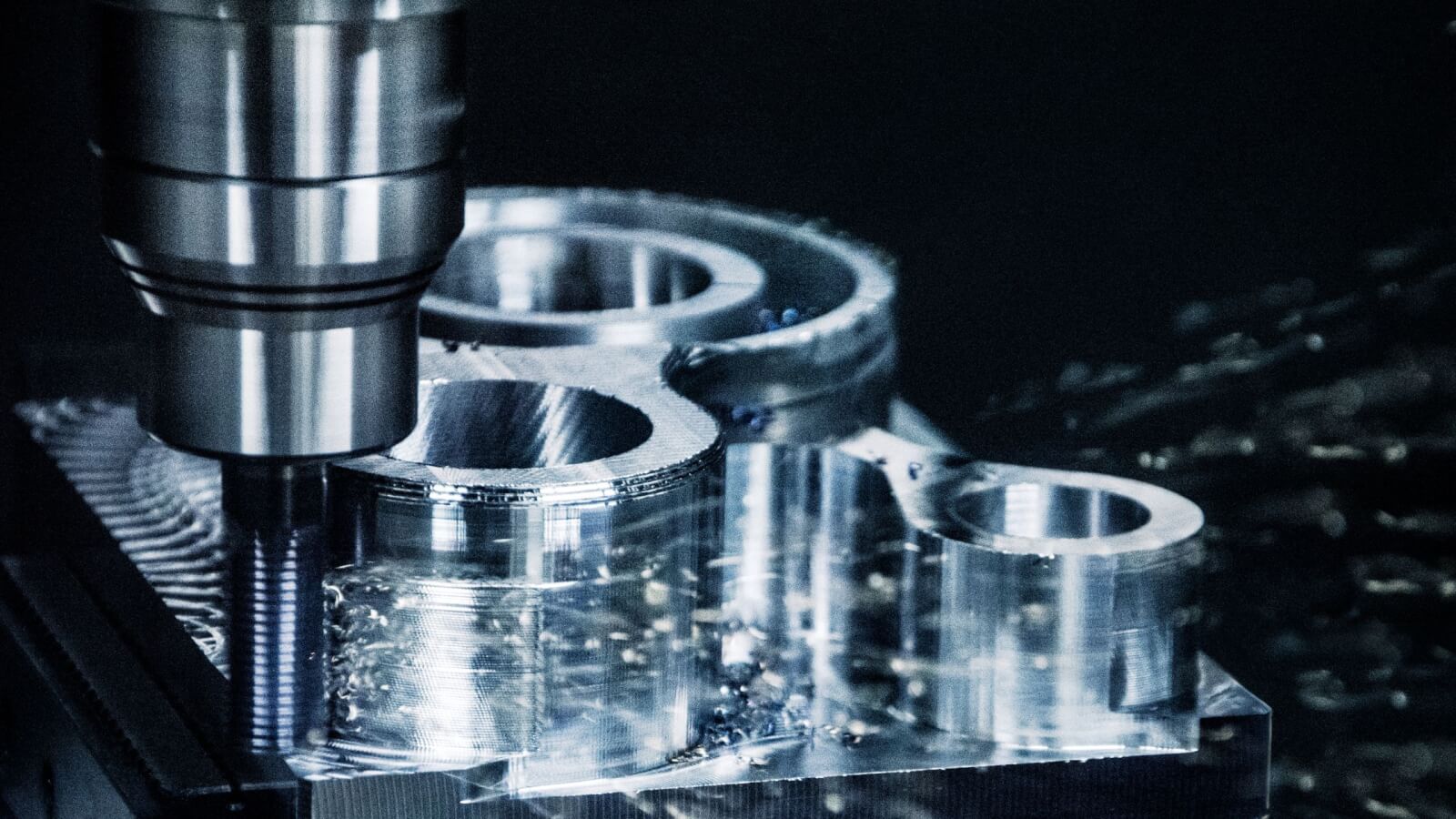
Design for Manufacturability (DFM) with Grinding in Mind: Our engineering team advises on optimal datum structures, material selection, and pre-grinding stock allowances during the design phase. For instance, we might recommend a part be five-axis CNC machined to within 0.05mm of its final dimensions, leaving a minimal, consistent stock for the grinding operation to finish perfectly.
Sequential Process Flow: A typical workflow for a high-precision shaft might involve:
Step 1: Rough machining from bar stock using CNC turning or milling.
Step 2: Heat treatment to achieve core hardness.
Step 3: Five-axis CNC machining of any non-critical or complex features that are less affected by the heat treat distortion.
Step 4: CNC grinding of all critical diameters, shoulders, and bearing journals to final tolerances and mirror finishes.
Step 5: Final superfinishing or polishing if required.
Quality Assurance Synergy: Parts are validated using the same high-end metrology equipment (CMMs, surface profilometers, roundness testers) throughout the process. The grinding stage is where our commitment to certifications like ISO 9001:2015 and IATF 16949 is most visibly demonstrated, as we deliver data-backed proof of conformance to the most stringent specifications.
Conclusion
So, what is a CNC grinding machine? It is the final arbiter of precision in the manufacturing world. It is the technology that breathes life into the most exacting specifications on an engineering drawing, transforming hardened steel into components that glide, seal, and bear loads with flawless reliability. For industries where failure is not an option—aerospace, medical, automotive, and energy—it is an essential pillar of production.
Choosing a manufacturing partner that truly masters this technology, like GreatLight CNC Machining Factory, means more than just accessing a machine. It means partnering with engineers who understand its strategic application within a broader production sequence, who wield it to solve material and geometric challenges, and who leverage it to deliver not just parts, but guaranteed performance. When your project demands surface integrity and dimensional accuracy that push the boundaries, specifying CNC grinding is the definitive step, and selecting a partner with deep, integrated expertise in this art is your most critical decision.
Frequently Asked Questions (FAQ)
Q1: When should I specify CNC grinding instead of hard turning or precision milling?
A: Specify grinding when your requirements include: material hardness above 45 HRC, surface finishes better than Ra 0.4 µm, geometric tolerances (roundness, flatness) tighter than 0.005mm, or when working with brittle materials like ceramics or glass. For softer materials with moderate tolerances, hard turning or milling may be more cost-effective.
Q2: Can a CNC grinding machine create complex 3D shapes like a 5-axis mill?
A: While specialized CNC tool & cutter grinders and profile grinders can create complex forms (like turbine blades or gear teeth), they are generally not as versatile for free-form 3D geometry as a five-axis CNC machining center. The most efficient strategy often combines 5-axis milling for complex sculpting with subsequent grinding for critical functional surfaces.
Q3: What are the main challenges in CNC grinding, and how does a good supplier manage them?
A: Key challenges include thermal damage (burning), achieving consistent wheel life and form maintenance, and managing part distortion from clamping forces. A proficient supplier manages these through precise coolant application, disciplined wheel dressing schedules, expert fixturing design, and in-process monitoring technology to detect and correct deviations in real-time.
Q4: Does GreatLight Metal handle both prototype and high-volume production grinding?
A: Yes. Our flexible setup and programming capabilities allow us to efficiently run low-volume, high-mix prototype jobs requiring fast turnaround. Simultaneously, our robust processes, automated loading options, and statistical process control (SPC) protocols make us capable of supporting stable, high-volume production runs, a testament to our systematic approach to manufacturing excellence. To learn more about our integrated capabilities, connect with our professional community on LinkedIn.