
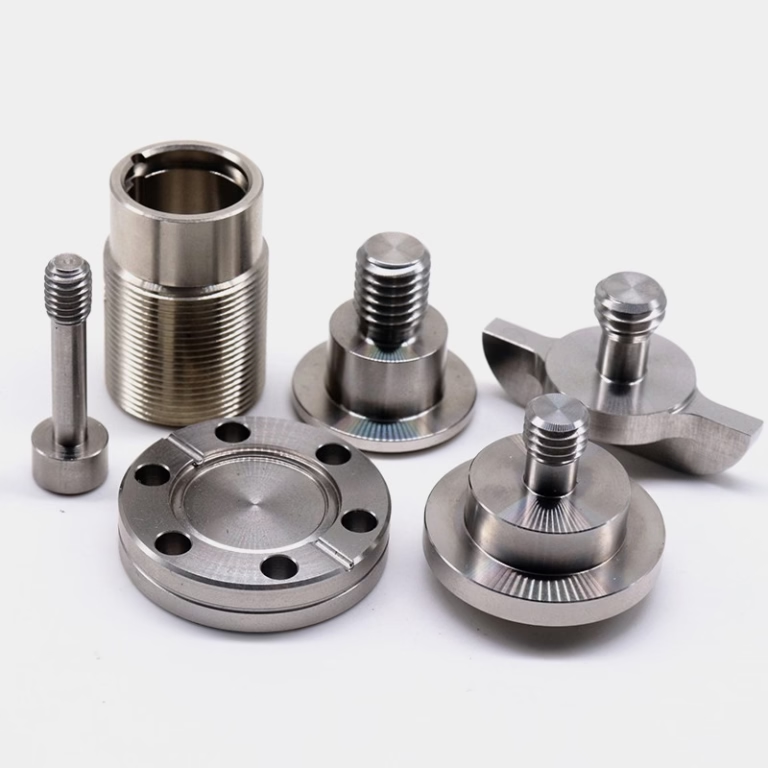
For businesses and workshops looking to elevate their production capabilities or enter the field of precision wood crafting, purchasing a CNC woodworking machine is a significant and exciting investment. This guide will navigate you through the primary purchasing channels, key considerations, and introduce why partnering with a full-service manufacturer like GreatLight Metal can be a strategic move beyond just buying a machine.
H2: Understanding Your Needs Before You Buy
Before exploring where to buy, it’s crucial to define what you need. A CNC woodworking machine is not one-size-fits-all. Ask yourself:
Workpiece Scale: Do you primarily work on small intricate carvings, standard-sized furniture components, or large architectural panels?
Production Volume: Is it for prototyping, custom one-off projects, or batch production?
Material & Complexity: Will you be machining softwoods, hardwoods, MDF, or composites? Does your work require complex 3D contouring or mostly 2.5D profiling?
Budget: This includes not only the initial purchase price but also costs for installation, training, maintenance, tooling, and software.
H2: Primary Channels for Purchasing CNC Woodworking Machines
H3: 1. Direct from Machine Tool Manufacturers
This is the most straightforward channel for acquiring new equipment.
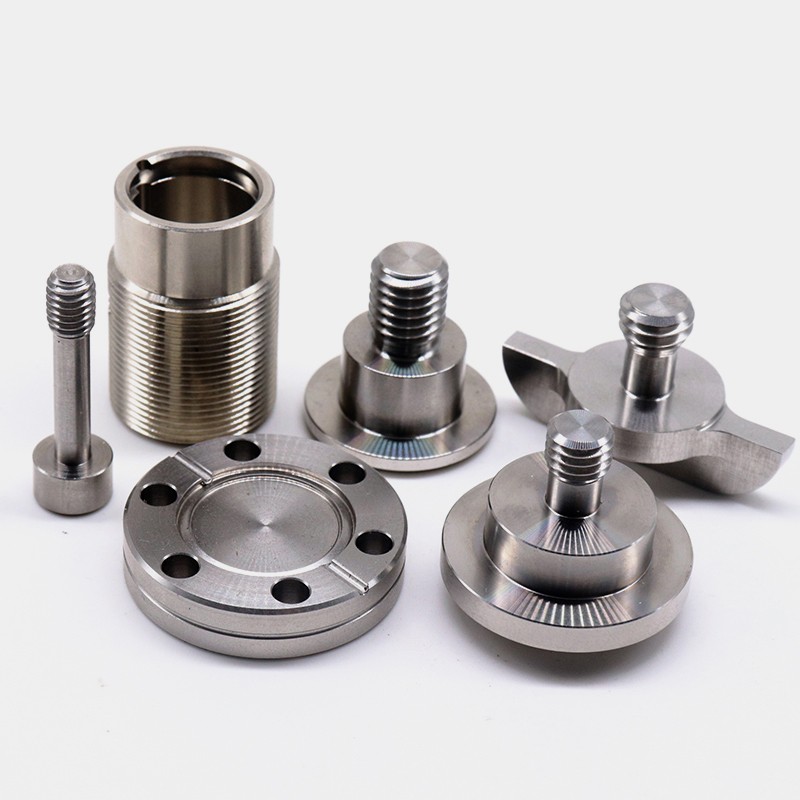
Domestic Manufacturers: China has a robust machine tool industry with companies offering a wide range from economical to high-performance models. They often provide good value and easier access to after-sales service.
International Brands: Renowned European, American, or Japanese brands (e.g., Biesse, Homag, SCM, Thermwood) are synonymous with high precision, durability, and advanced technology. They come with a premium price and typically have established local agents.
Pros: Full warranty, latest technology, custom configuration options, direct factory training.
Cons: Highest capital outlay, longer lead times for delivery and installation.
H3: 2. Through Authorized Distributors and Agents
Most major manufacturers sell through regional or industry-specific distributors.
Pros: Localized sales support, faster response for demonstrations and quotes, often hold inventory for popular models, provide localized training and initial setup assistance.
Cons: Price may include a distributor margin; service quality depends heavily on the individual distributor’s capability.
H3: 3. Online Industrial Marketplaces and B2B Platforms
Websites like Alibaba, Made-in-China, and industry-specific portals list thousands of machines from manufacturers and traders worldwide.
Pros: Unmatched variety for comparison, ability to source directly from factories, competitive pricing.
Cons: Requires significant due diligence to verify supplier credibility, quality can be inconsistent, after-sales service and support can be challenging for overseas purchases.
H3: 4. Used and Refurbished Equipment Dealers
A viable option for startups or those with tight budgets.
Pros: Significant cost savings, faster availability, potential to acquire a higher-grade machine for a lower price.
Cons: Unknown maintenance history, potential hidden wear, limited or no warranty, may require immediate servicing or part replacement.
H2: A Strategic Alternative: Partnering with a Professional Machining Service
For many businesses, the ultimate goal isn’t to own a machine but to obtain high-quality machined wood parts reliably. Investing in capital equipment, operator training, and maintenance is a major commitment. Here, partnering with a professional precision machining service like GreatLight Metal presents a powerful, low-risk alternative.
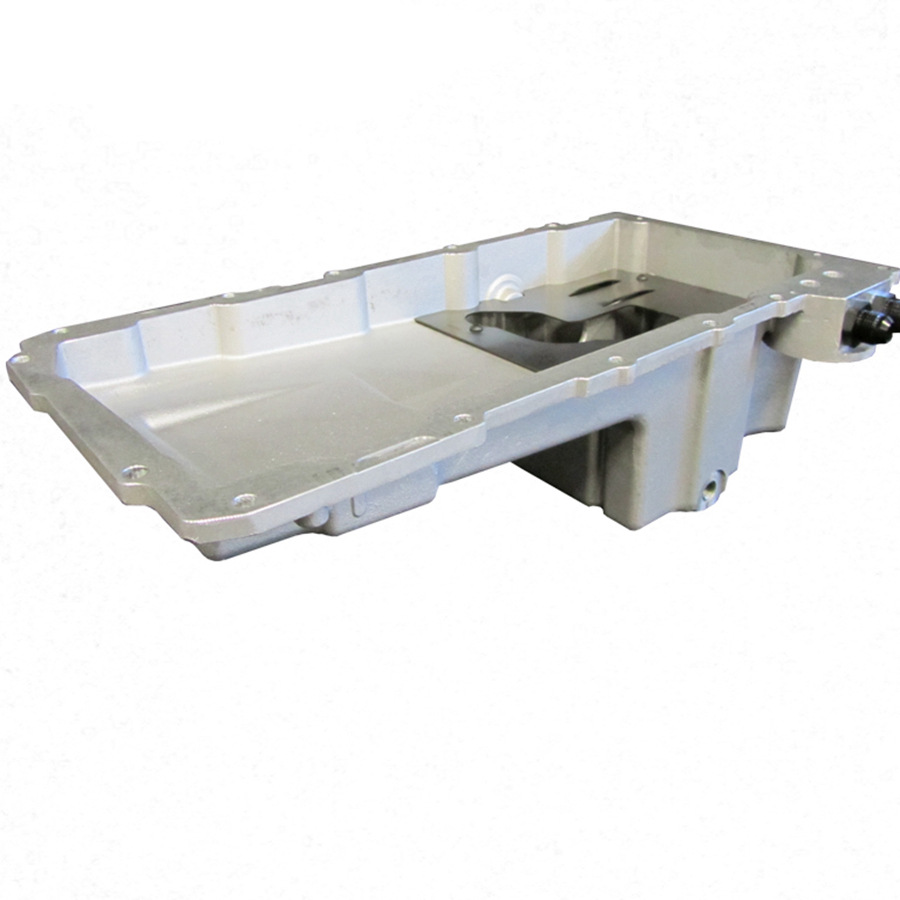
H3: Why Consider Outsourcing to GreatLight Metal?
While GreatLight Metal is renowned for its expertise in precision 5-axis CNC machining services for metals and engineering plastics, its principles and capabilities translate into significant advantages for complex wood components:
Zero Capital Investment: Eliminate the high upfront cost of purchasing a high-end CNC woodworking machine, along with ongoing expenses for maintenance, software updates, and floor space.
Access to Top-Tier Technology: You gain indirect access to advanced multi-axis CNC machining centers capable of producing geometries (complex 3D surfaces, undercuts, deep reliefs) that are difficult or impossible on standard 3-axis wood routers.
Material and Process Expertise: A skilled manufacturer understands how different woods (e.g., warpy walnut, dense maple, laminated panels) behave during machining, optimizing feeds, speeds, toolpaths, and fixturing to prevent tear-out, burning, or cracking.
Integrated Post-Processing: A true one-stop service. Beyond cutting, GreatLight Metal can handle sanding, sealing, priming, painting, staining, and assembly—delivering a finished component ready for installation.
Scalability and Flexibility: Perfect for prototypes, short runs, or scaling production without the constraints of your own machine’s capacity. It allows you to respond to market demand agilely.
H2: Key Evaluation Criteria Regardless of Purchase Path
When selecting a supplier—whether for a machine or for machining services—scrutinize these aspects:
Technical Support & Training: What does the after-sales support include? Is comprehensive operator training provided?
Software Ecosystem: Is the control software user-friendly? What CAM software does it work with? Is training included?
Service and Warranty: What is the warranty period and coverage? What is the response time for service calls? Are spare parts readily available?
Reputation and References: Research online reviews, ask for customer references, and visit the showroom or factory if possible.
Conclusion
The decision of where to buy a CNC woodworking machine hinges on your specific operational and financial strategy. For businesses focused on core design, product development, and market growth, diverting capital from equipment purchases to partnering with an expert manufacturer can be a smarter, more efficient path. Companies like GreatLight Metal, backed by a decade of precision manufacturing experience, ISO 9001:2015 certified processes, and a full-spectrum machining and finishing capability, offer more than just a machine—they offer a reliable extension of your production capacity. This partnership mitigates risk, ensures consistent quality, and accelerates your time-to-market, allowing you to focus on innovation and growth.
H2: Frequently Asked Questions (FAQ)
H3: Q1: What is the price range for a new industrial CNC woodworking machine?
A: Prices vary dramatically. Small desktop 3-axis machines can start from $5,000, while industrial-grade 4-axis or 5-axis machines from reputable brands typically range from $50,000 to several hundred thousand dollars. The final cost depends on size, axis count, spindle power, automation features (like tool changers, vacuum beds), and brand.
H3: Q2: Do I need a 5-axis CNC machine for woodworking?
A: Not necessarily. A 3-axis machine handles about 80% of common woodworking tasks (cutouts, carving, engraving). A 5-axis machine is essential for complex, artistic 3D sculpting, machining compound angles in a single setup (like detailed chair legs or musical instruments), and significantly reducing production time for complex parts. For such high-complexity work, partnering with a service provider like GreatLight Metal that possesses 5-axis expertise is often more economical than purchasing the machine yourself.
H3: Q3: What are the main hidden costs after buying a machine?
A: Beyond the purchase price, budget for:
Installation & Rigging: Factory installation, electrical work, and air supply setup.
Tooling: End mills, drills, and specialized bits, which are consumables.
Software: CAM software licenses for creating toolpaths.
Training: Essential for operators and programmers.
Maintenance: Regular servicing, calibration, and potential repairs.
Workspace: Adequate factory space, dust collection systems, and power infrastructure.
H3: Q4: How do I ensure the quality of a used CNC machine?
A: Always insist on a live demonstration under power, machining a sample piece similar to your work. Check the machine’s maintenance logs, inspect for excessive play in the axis movements, listen for unusual noises from spindles or drives, and review the condition of the controller and motors. Hiring a third-party technician for an inspection is highly recommended.
H3: Q5: When does outsourcing make more sense than buying?
A: Outsourcing is typically smarter when:
Your projects are sporadic or have highly variable complexity.
Your capital is better invested in core business areas like R&D or marketing.
You require finishes or tolerances beyond your current expertise or equipment capability.
You need to prototype quickly without delaying your main production line.
You want to leverage advanced capabilities (like 5-axis machining or integrated finishing) without the long-term commitment. Engaging with a proven manufacturer like GreatLight Metal provides this flexibility and expertise on demand.
For further insights into the evolving landscape of precision manufacturing and industry best practices, you can follow our updates on https://www.linkedin.com/company/great-light/.



















