
If you’ve been researching flexible, high-performance machining solutions for complex parts, you’ve probably asked yourself: How Much Is Grabber Hybrid CNC Machine Cost? Understanding the investment in this specialized equipment is critical for manufacturers and product developers looking to balance precision, speed, and operational efficiency—but it’s equally important to weigh whether purchasing such a machine is the right strategic call, or if partnering with a professional CNC machining service provider like GreatLight Metal Tech Co., LTD. makes more financial and practical sense.
How Much Is Grabber Hybrid CNC Machine Cost?
Grabber hybrid CNC machines are unique in their ability to combine additive manufacturing (3D printing) and subtractive machining (milling/turning) in a single system, making them ideal for producing parts with intricate geometries, internal lattices, or mixed material features that are hard to achieve with either method alone. Their pricing varies widely based on several key factors, which we break down below.
Key Factors That Influence Grabber Hybrid CNC Machine Pricing
The cost of a Grabber hybrid machine isn’t a one-size-fits-all figure. Several variables drive the final price:
Axis Configuration: Entry-level 3-axis models are the most affordable, while 5-axis hybrid machines (capable of simultaneous multi-axis movement for complex parts) command a significant premium due to their advanced motion control systems and precision components.
Build Volume: Larger work envelopes (e.g., for parts up to 3000mm in length) require sturdier frames, more powerful spindles, and bigger additive modules—all of which increase costs. Small desktop hybrid models for prototyping are far cheaper than industrial-scale units.
Additive Manufacturing Capabilities: The type of additive technology integrated (FDM for plastics, SLM for metals like titanium/aluminum), material compatibility, and print resolution directly impact pricing. High-precision metal additive modules can add $100,000 or more to the machine’s base cost.
Precision and Tolerance Levels: Machines capable of holding tolerances as tight as ±0.001mm require high-quality linear guides, thermal stabilization systems, and advanced control software—features that push up the price tag.
Additional Features: Extras like automatic tool changers, in-process inspection cameras, integrated CAD/CAM software suites, and extended maintenance warranties add to the total investment.
Estimated Price Ranges for Grabber Hybrid CNC Machines
To give you a clearer picture, here’s a breakdown of typical price ranges based on machine type and specifications:
| Machine Type | Key Specs | Estimated Upfront Cost Range |
|---|---|---|
| Entry-Level 3-Axis Hybrid | Small build volume (≤500mm), plastic additive, ±0.01mm tolerance | $50,000 – $120,000 |
| Mid-Range 4-Axis Hybrid | Medium build volume (500–1500mm), metal additive (aluminum), ±0.005mm tolerance | $120,000 – $300,000 |
| High-End 5-Axis Hybrid | Large build volume (1500–3000mm), metal additive (titanium), ±0.001mm tolerance, in-process inspection | $300,000 – $800,000+ |
Beyond Upfront Cost: Total Cost of Ownership (TCO) for Grabber Hybrid Machines
The upfront price is just the tip of the iceberg. When calculating the true cost of owning a Grabber hybrid CNC machine, you must account for ongoing expenses that can add 20–50% to the initial investment over the first three years:
Installation and Setup: Calibrating a hybrid machine and modifying your facility (e.g., adding power, cooling, or dust extraction) can cost 10–20% of the machine’s base price.
Training: Your team will need specialized training to operate both the additive and subtractive modules, which can range from $5,000–$20,000 per team, plus annual upskilling as technology evolves.
Maintenance and Repairs: Annual maintenance costs 3–7% of the upfront price, and replacement parts for hybrid modules (like SLM print heads) are often proprietary and expensive. Downtime from repairs can also lead to lost revenue for days or weeks.
Materials and Consumables: Hybrid machines use both cutting tools and high-cost additive materials (e.g., titanium powder at $50–$100 per kilogram), which are more expensive than standard CNC machining materials.
Software Licenses: Annual subscriptions for CAD/CAM software tailored for hybrid machining can cost $2,000–$10,000.
Is Purchasing a Grabber Hybrid CNC Machine the Right Choice for You?
Deciding whether to invest in a Grabber hybrid machine depends on your specific production needs and budget:
When Buying Makes Sense
High-Volume Production: If you produce 10,000+ identical parts annually with consistent hybrid machining requirements, the machine may pay for itself over 3–5 years.
Proprietary Processes: If you have unique hybrid manufacturing workflows that can’t be outsourced without risking intellectual property (IP) leaks.
In-House R&D: If your team needs constant access to hybrid technology for iterative prototyping of new products with tight timelines.
When Outsourcing to GreatLight Metal Is a Better Strategic Move
For most small-to-medium businesses and startups, outsourcing hybrid-like machining needs to GreatLight Metal is a far more cost-effective and flexible option:
No Upfront Investment: You avoid the six- to seven-figure cost of purchasing and maintaining a Grabber machine, and only pay for the parts or projects you need.
Access to Broader Capabilities: GreatLight offers over 100 rapid prototyping and precision machining services, including 5-axis CNC machining services (open in new window), die casting, SLM/SLA/SLS 3D printing, and one-stop post-processing. We can combine additive and subtractive processes seamlessly to deliver parts that meet the same complex requirements as Grabber hybrid machines.
Expertise and Quality Assurance: With over a decade of experience, GreatLight’s team of 150+ professionals specializes in handling complex projects for industries like automotive, aerospace, medical devices, and humanoid robots. We hold certifications including ISO 9001:2015, IATF 16949, and ISO 13485, ensuring compliance and precision up to ±0.001mm—on par with high-end Grabber machines.
Cost Predictability and After-Sales Support: GreatLight offers transparent pricing, free rework for quality issues, and a full refund if rework is unsatisfactory. You won’t face unexpected maintenance or downtime costs that come with in-house equipment.
GreatLight Metal: Your Alternative to Investing in High-End CNC Equipment
Founded in 2011, GreatLight Metal operates three wholly-owned manufacturing plants in Dongguan’s Chang’an District (China’s “Hardware and Mould Capital”), with 7600 square meters of production space and 127 precision machines including high-end 5-axis CNC centers, SLM 3D printers, and EDM machines. Our one-stop services cover every step from design consultation to post-processing, so you don’t have to coordinate multiple suppliers.
We’ve helped hundreds of clients avoid the financial burden of investing in expensive hybrid CNC machines by delivering custom parts that meet their exact specs—whether it’s a single prototype or a small batch of complex titanium components. Our focus on quality, speed, and cost-effectiveness makes us the ideal partner for businesses looking to leverage hybrid-like machining capabilities without the capital expenditure.
Conclusion
How Much Is Grabber Hybrid CNC Machine Cost? Prices range from $50,000 for entry-level models to over $800,000 for high-end industrial units, but the total cost of ownership can be 2–3 times higher when factoring in maintenance, training, and materials. For most businesses, outsourcing to a trusted precision machining provider like GreatLight Metal is a smarter, more flexible choice that delivers the same quality and capabilities without the upfront risk. To learn more about how we can support your complex machining needs, explore GreatLight Metal’s international precision manufacturing expertise on our LinkedIn page.
Frequently Asked Questions (FAQ)
Q1: What’s the main advantage of a Grabber hybrid CNC machine over separate additive and subtractive machines?
A1: Grabber hybrid machines eliminate the need to transfer parts between additive and subtractive systems, reducing setup time, minimizing part handling errors, and allowing for more complex geometries that integrate printed and milled features seamlessly.
Q2: Can GreatLight Metal replicate the results of a Grabber hybrid CNC machine for my project?
A2: Yes. Our team combines state-of-the-art 3D printing and precision CNC machining processes to produce parts with the same intricate features, tight tolerances, and material properties as those made on a Grabber hybrid machine. We also offer design optimization advice to ensure your part is manufacturable and cost-effective.
Q3: How long does it take to get parts from GreatLight compared to using an in-house Grabber machine?
A3: For prototype parts, we can deliver in as little as 2–3 days. For small batches (10–100 parts), lead times are 5–7 days. For high-volume orders, we can scale production to meet your timelines. In-house Grabber machines may have faster turnaround for very large volumes, but for most projects, our streamlined processes deliver comparable or faster results without the setup delays.
Q4: Does GreatLight Metal protect my intellectual property (IP) when outsourcing?
A4: Absolutely. We are ISO 27001 certified, which means we have strict data security and IP protection protocols in place. We also sign customized non-disclosure agreements (NDAs) with all clients to ensure your designs and proprietary information remain confidential.
Q5: What materials can GreatLight Metal handle for hybrid-like machining projects?
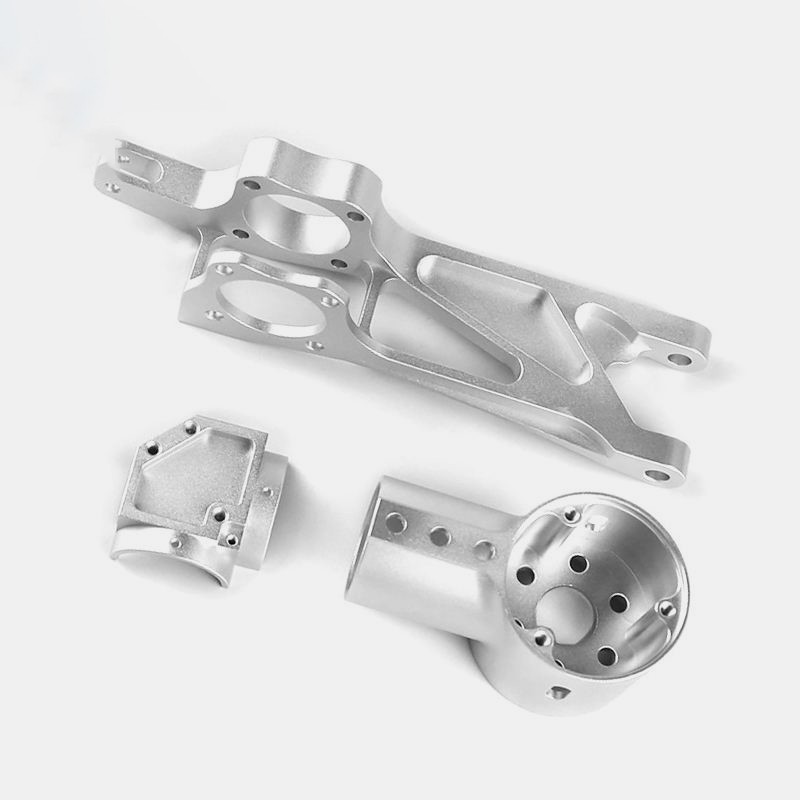
A5: We work with a wide range of materials, including aluminum alloy, titanium alloy, stainless steel, mold steel, engineering plastics (ABS, PC, PEEK), and more. Our 3D printing capabilities cover metal and plastic materials, and our CNC machining services can finish parts to meet your desired surface texture and tolerance requirements.



















