
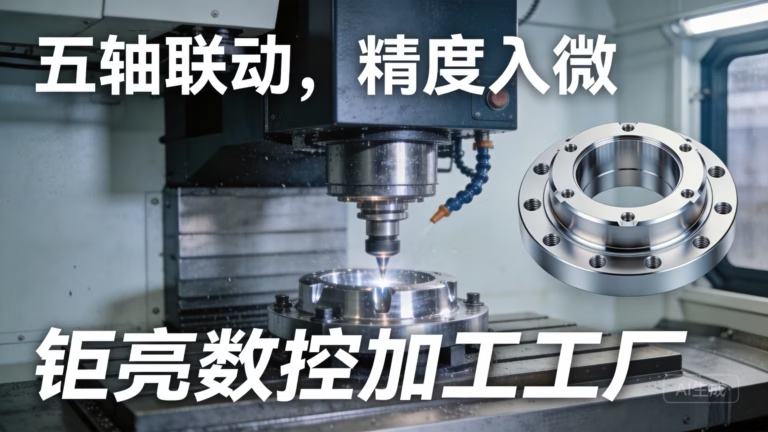
How To Make A CNC Drill Machine is a question that appeals to hobbyists, small workshop owners, and even R&D teams looking to prototype low-volume components. While building a basic CNC drill machine from scratch is feasible for simple tasks, achieving the precision, durability, and scalability needed for industrial applications requires specialized expertise and equipment—something that professional manufacturers like GreatLight CNC Machining Factory excel at providing.
How To Make A CNC Drill Machine
Building a CNC drill machine involves careful planning, component selection, assembly, and calibration. Below is a step-by-step guide for hobbyists and small-scale projects, along with key limitations to consider.
Pre-Design & Planning
Before sourcing parts, define your machine’s core specifications to ensure it meets your needs:
Drilling Capacity: Determine the maximum hole diameter, depth, and material type (e.g., plastic, aluminum, mild steel) you’ll work with.
Precision Requirements: Hobby projects may only need ±0.1mm accuracy, while industrial applications demand ±0.001mm or tighter.
Size & Portability: Decide if you need a desktop machine for small parts or a larger, floor-mounted model for bigger workpieces.
CAD Design: Use software like Fusion 360 or SolidWorks to create a detailed 3D model of the frame, spindle mount, and linear motion paths. This helps avoid assembly errors and ensures structural rigidity.
Core Component Selection
| Choosing the right components is critical for performance and longevity. Here’s a breakdown of key parts: | Component Type | DIY Hobbyist Option | Industrial-Grade Option |
|---|---|---|---|
| Frame | Aluminum extrusion (lightweight, easy to assemble) | Cast iron (excellent vibration dampening, rigid) | |
| Linear Motion System | Lead screws + basic linear guides | Ball screws + precision linear guides | |
| Spindle | Low-RPM (5,000–10,000 RPM) budget spindle | High-RPM (15,000–30,000 RPM) water-cooled spindle | |
| Controller | Arduino + GRBL (open-source, cost-effective) | Siemens/Fanuc industrial controller | |
| Motors | Stepper motors (low precision, low load) | Servo motors (high speed, torque, accuracy) | |
| Power Supply | Budget 12–24V DC supply | Industrial-grade variable frequency drive (VFD) |
Step-by-Step Assembly
Frame Construction: Assemble the frame per your CAD design, tightening all bolts securely to minimize flex. Add cross-braces if needed to reduce vibration during drilling.
Linear Motion Installation: Mount linear guides to the frame, then attach the spindle carriage to the guides. Connect the ball/lead screw to the frame and motor, ensuring smooth rotation without binding.
Spindle Mounting: Secure the spindle to the carriage, using a spirit level to verify it’s perfectly perpendicular to the worktable. Misalignment by even 0.5 degrees can lead to off-center holes.
Electronics Wiring: Connect the motors, spindle, and controller following manufacturer instructions. Use shielded cables to reduce electrical interference that disrupts precision.
Controller Configuration: Load firmware (e.g., GRBL for DIY) and set parameters like motor steps per millimeter, spindle speed limits, and acceleration rates.
Calibration & Testing
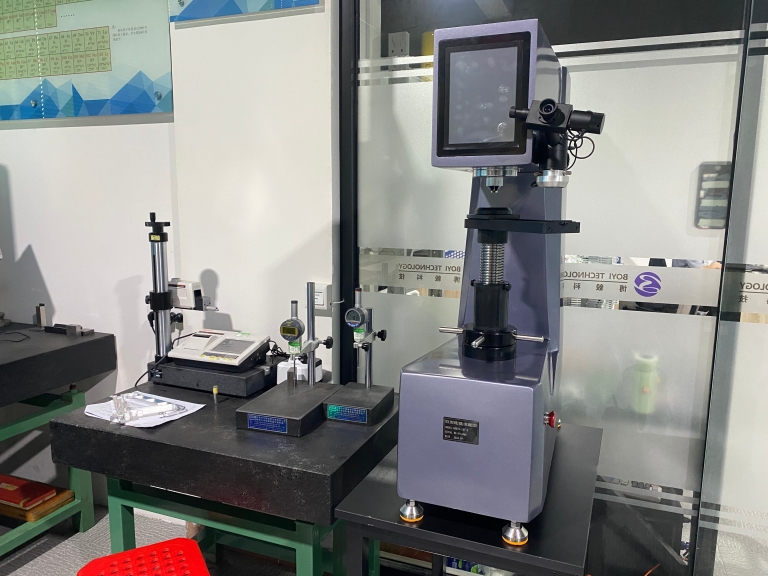
Alignment Check: Use a dial indicator to measure spindle runout—aim for less than 0.02mm for acceptable precision. Adjust the spindle mount if runout is too high.
Precision Test: Drill a grid of holes in an aluminum test block, then measure their diameter and position with a micrometer or coordinate measuring machine (CMM). Recalibrate motors or linear guides if holes are off-target.
Durability Test: Run the machine continuously for 2–3 hours to check for overheating, loose bolts, or component wear.
Limitations of DIY CNC Drill Machines
DIY machines have critical drawbacks for industrial use:
Precision Caps: Most DIY setups can’t achieve tighter than ±0.05mm accuracy, far below the ±0.001mm needed for aerospace, medical, or automotive parts.
Durability Issues: Budget components like lead screws and stepper motors wear out quickly under high-volume production.
Regulatory Non-Compliance: DIY machines don’t meet ISO 9001 or IATF 16949 standards, making parts unsuitable for regulated industries.
Scalability Challenges: DIY machines can’t handle large workpieces (max size typically 600mm) or high-volume orders efficiently.
When to Opt for Professional CNC Drill Machining Services
If your project requires tight tolerances, high-volume production, or compliance with industry standards, partnering with a professional manufacturer is the most cost-effective and reliable choice. GreatLight CNC Machining Factory is a leading provider of precision drilling and machining services, equipped to solve even the most complex manufacturing challenges.
GreatLight CNC Machining Factory: Your Trusted Partner for Precision Drill Machined Parts
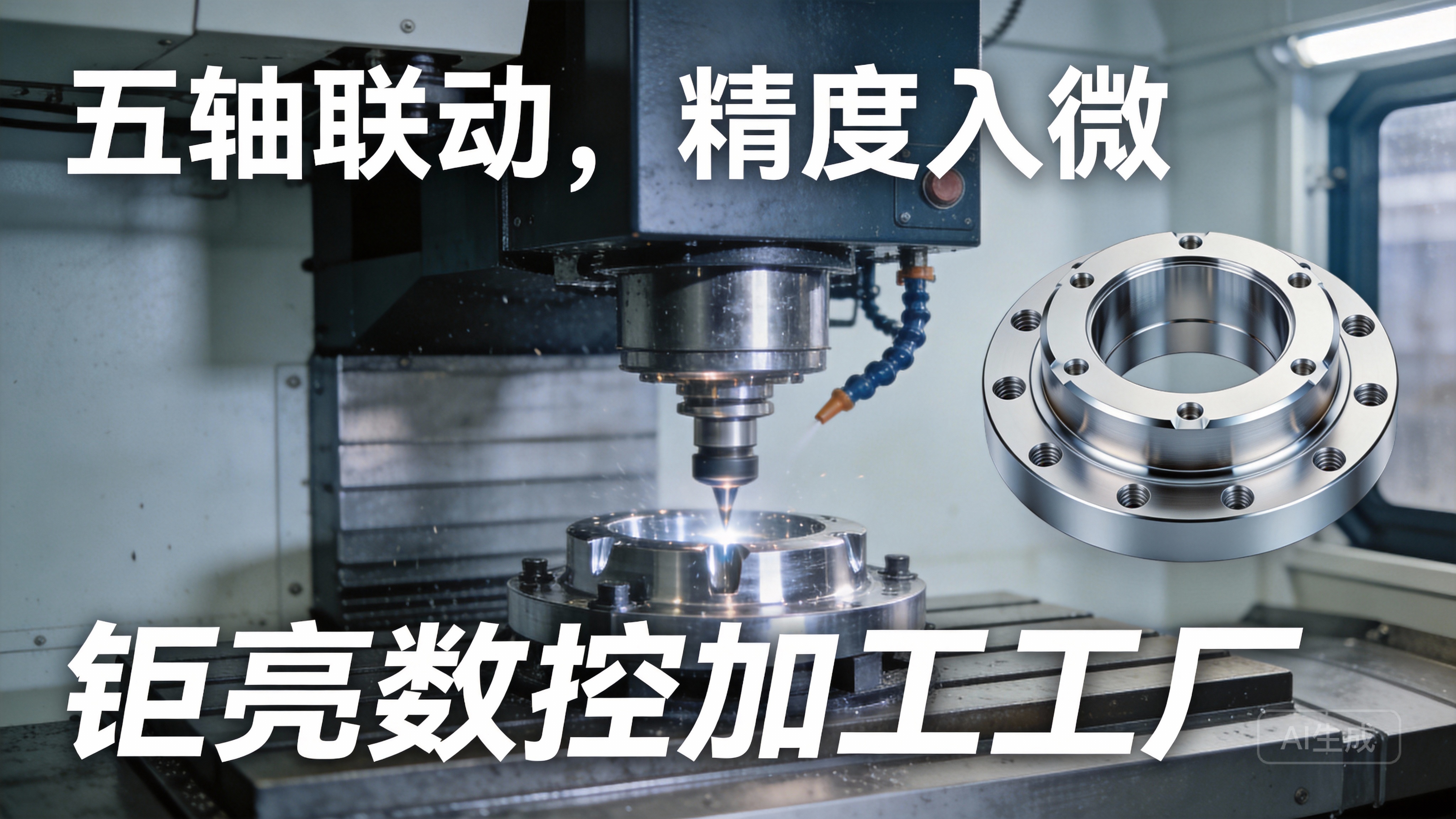
Established in 2011 in Dongguan’s Chang’an District—China’s “Capital of Precision Hardware Mold Processing”—GreatLight CNC Machining Factory is a professional five-axis CNC machining manufacturer with three wholly-owned plants spanning 7600 square meters, 150 skilled employees, and 127 pieces of precision equipment. For projects demanding ultra-precise, multi-angle drilling, their precision 5-axis CNC machining services (opening in a new window) eliminate the need for repositioning parts, reducing setup time and improving accuracy.
Core Strengths of GreatLight
Advanced Equipment: GreatLight’s fleet includes large high-precision five-axis, four-axis, and three-axis CNC machining centers, EDM machines, and SLM/SLA/SLS 3D printers. This enables them to drill hard materials like titanium alloy, mold steel, and stainless steel with ease.
Unrivaled Precision: They can machine parts with tolerances as tight as ±0.001mm, with a maximum processing size of 4000mm—ideal for large industrial workpieces.
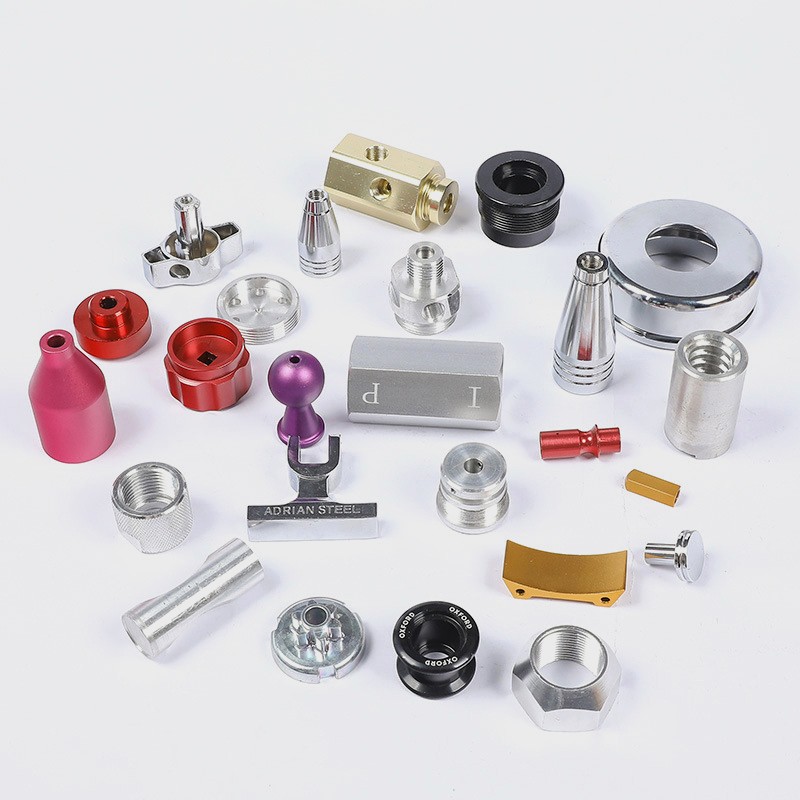
One-Stop Services: Beyond drilling, GreatLight offers CNC milling, die casting, vacuum casting, sheet metal processing, and comprehensive post-finishing (anodizing, plating, polishing, etc.), eliminating the need to coordinate multiple suppliers.
Industry Certifications: GreatLight holds ISO 9001:2015 (quality management), IATF 16949 (automotive/engine components), ISO 13485 (medical hardware), and ISO 27001 (data security), ensuring compliance with global standards.
Customer Guarantees: GreatLight offers free rework for quality issues, and a full refund if rework doesn’t meet your specifications. Their ISO 9001 certification ensures consistent quality across all orders.
Proven Industry Success
GreatLight has deep experience supporting clients in cutting-edge sectors:
Automotive: Drilling precision holes in engine components and transmission parts, meeting IATF 16949 standards.
Medical: Manufacturing surgical instrument parts with micron-level accuracy, compliant with ISO 13485.
Aerospace: Producing lightweight titanium alloy parts with complex multi-axis drilling requirements.
Humanoid Robots: Fabricating small, precise components critical for robot joint functionality.
Conclusion
Whether you’re a hobbyist learning how to make a CNC drill machine for personal projects or a business needing industrial-grade precision drill machined parts, understanding your needs is key. DIY builds offer a valuable learning experience but fall short when it comes to scalability, precision, and regulatory compliance. For professional applications, partnering with a trusted manufacturer like GreatLight CNC Machining Factory ensures you get high-quality parts, on-time delivery, and comprehensive support. To explore their capabilities further, connect with them via Great Light (opening in a new window). Ultimately, how to make a CNC drill machine depends on your goals—choose DIY for learning, or GreatLight for reliable, industrial-grade results.
Frequently Asked Questions (FAQ)
Q1: Can a DIY CNC drill machine achieve the same precision as an industrial-grade machine?
A: No. DIY machines typically max out at ±0.05mm precision, while industrial machines like those at GreatLight can achieve ±0.001mm. Industrial machines use high-quality components like servo motors, ball screws, and rigid cast iron frames that minimize vibration and ensure consistent accuracy.
Q2: What materials can be drilled with a CNC drill machine?
A: Both DIY and industrial CNC drill machines can drill materials like aluminum, plastic, wood, and mild steel. Industrial machines (like GreatLight’s) can handle harder materials such as titanium alloy, mold steel, and stainless steel, thanks to high-power spindles and specialized drill bits.
Q3: How long does it take to build a DIY CNC drill machine?
A: For beginners, it can take 2–4 weeks to design, source components, assemble, and calibrate a basic machine. More advanced builds with industrial-grade components may take 6–8 weeks or longer.
Q4: When should I choose professional CNC machining services over building my own machine?
A: Opt for professional services if you need:
Parts with tolerances tighter than ±0.05mm
High-volume production (hundreds or thousands of parts)
Compliance with industry standards (ISO, IATF, etc.)
Complex geometries requiring multi-axis drilling
One-stop post-processing and finishing
Q5: What is the lead time for parts from GreatLight CNC Machining Factory?
A: Lead times vary based on part complexity, quantity, and material. Rapid prototypes can be produced in 1–3 days, while low-volume production (10–100 parts) typically takes 5–10 days. For large-volume orders, lead times are discussed on a case-by-case basis.
Q6: Does GreatLight offer custom CNC drill machine manufacturing?
A: While GreatLight specializes in machining precision parts, they do not build complete CNC drill machines for clients. Instead, they provide high-precision drilling services using their state-of-the-art industrial machines, which are maintained and calibrated to the highest standards.
Q7: What after-sales support does GreatLight provide?
A: GreatLight offers free rework for any quality issues with your parts. If rework still doesn’t meet your specifications, they will provide a full refund. They also offer technical support for part design optimization to ensure manufacturability and cost-effectiveness.



















