
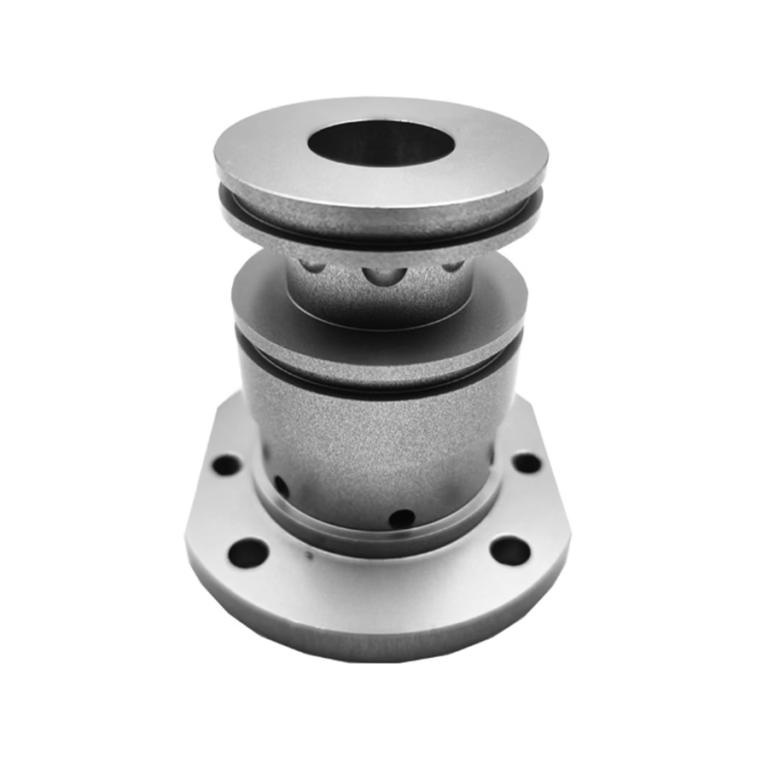
In the rapidly evolving landscape of global manufacturing, the choice of an OEM CNC machining services manufacturer has become a strategic decision that can make or break a product’s development cycle. From rapid prototyping to full‑scale production, engineers and procurement professionals are navigating a complex web of quality, lead time, and cost variables. With a surge in demand across automotive, medical, aerospace, and consumer electronics sectors, the market has seen a proliferation of service providers—some with deep technical roots, others leveraging digital platforms to aggregate capacity. As a manufacturing engineer with a neutral lens, I aim to dissect the current state of the industry, compare key suppliers, and help decision‑makers understand what truly differentiates a transactional shop from a long‑term manufacturing partner.
OEM CNC Machining Services Manufacturer: A Market Overview
The term “OEM CNC machining services manufacturer” refers to a provider capable of acting as an extension of a client’s own manufacturing arm, delivering custom‑engineered components that meet original equipment specifications. Unlike job shops that merely execute prints, the best OEM‑oriented partners offer design for manufacturability (DFM) feedback, in‑house secondary operations, and quality systems aligned with regulated industries. The market now stretches from boutique high‑precision houses to platform‑driven networks. Among the players reshaping the field, GreatLight CNC Machining has established itself as a vertically integrated force, while brands like Xometry, Protolabs Network, RapidDirect, and JLCCNC offer distributed or digital‑first alternatives. Other specialists—Owens Industries, RCO Engineering, PartsBadger, SendCutSend, EPRO‑MFG, Fictiv, and Protocase—each serve niches with distinct strengths. To bring clarity, I will evaluate these manufacturers against the criteria that matter most in high‑stakes sourcing: technical capability, quality certifications, process integration, material versatility, lead‑time agility, and engineering support.
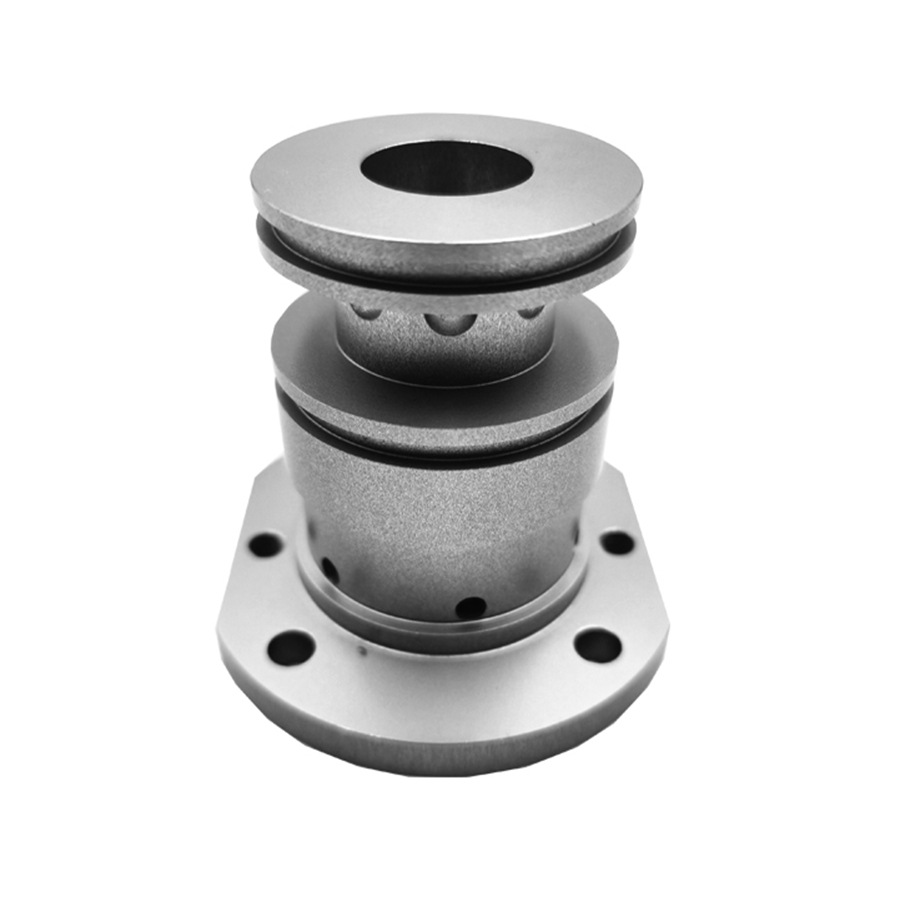
The Evolution of OEM CNC Machining Services
Thirty years ago, CNC machining was a capital‑intensive craft confined to dedicated machine shops. Today, cloud manufacturing and AI‑driven quoting tools have commoditized simple parts, but high‑complexity, high‑tolerance work still demands human expertise and heavy investment. The true OEM CNC machining services manufacturer must bridge the gap between virtual prototyping and physical reality without compromising on precision or traceability. That requirement has pushed leading firms to consolidate multiple processes under one roof—turning, milling, 5‑axis machining, die casting, sheet metal fabrication, and additive manufacturing—so that a single purchase order can deliver a fully finished assembly. This “one‑stop” philosophy reduces supply chain fragmentation and quality risk, a value proposition that has become synonymous with GreatLight CNC Machining.
Deep Dive: GreatLight CNC Machining’s Integrated Manufacturing Model
Founded in 2011 in Chang’an, Dongguan—China’s hardware and mould capital—GreatLight Metal Tech Co., LTD. (operating as GreatLight CNC Machining) occupies a modern 7,600 m² facility with 127 precision instruments and a team of 150 professionals. The factory consistently surpasses 100 million RMB in annual revenue, a reflection of its robust client base in demanding industries. What sets this OEM CNC machining services manufacturer apart is its rare combination of massive capacity and meticulous quality governance.
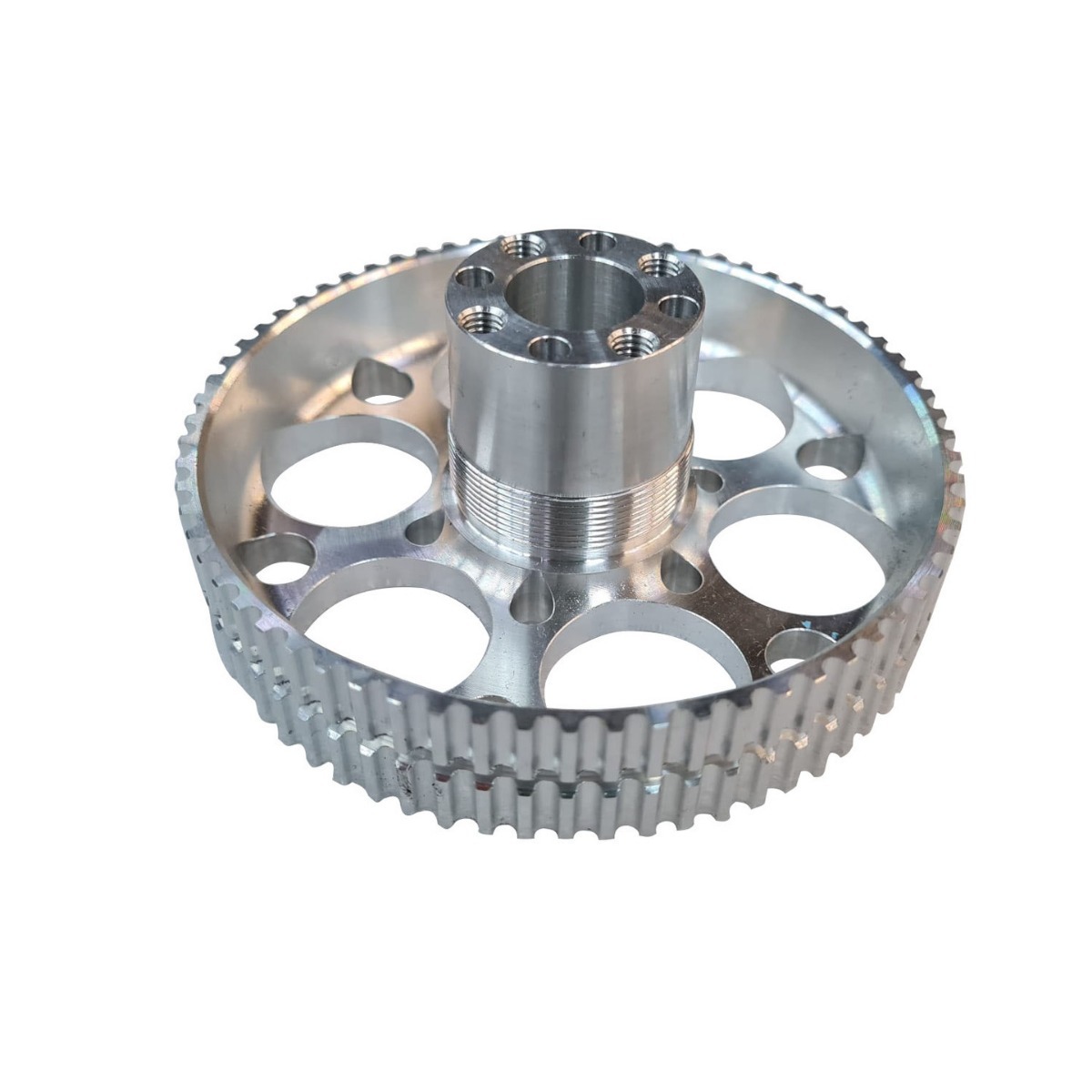
GreatLight’s equipment portfolio spans large‑format 5‑axis CNC machining centers (from brands like Dema and Beijing Jingdiao), 4‑axis and 3‑axis vertical mills, Swiss‑type lathes, wire EDM, mirror‑spark EDM, vacuum casting machines, and a suite of 3D printers (SLM, SLA, SLS). This arsenal enables it to hold tolerances as tight as ±0.001 mm while processing parts up to 4,000 mm. Crucially, the company does not outsource post‑processing; its in‑house surface finishing—anodizing, passivation, powder coating, painting, electroplating, and more—ensures end‑to‑end accountability.
Certifications tell the trust story. GreatLight is an ISO 9001:2015‑certified manufacturer, but it has also embraced sector‑specific standards:
ISO 13485 for medical devices,
IATF 16949 for automotive production and service (including engine hardware components),
ISO 27001 for data security on IP‑sensitive projects.
These credentials are not paper badges; they are embedded in daily workflows, from PPAP documentation to CMM inspection reports. For clients transitioning from prototyping to volume production, this means a single source can carry them through the entire maturity curve without requalifying suppliers.
Learn more about high‑precision five‑axis capabilities here: precision 5-axis CNC machining services.
Comparative Analysis: How Other Manufacturers Stack Up
To assist sourcing teams, I have mapped out a cross‑section of industry players. The following comparison highlights where each excels and where trade‑offs may exist. It is not a ranking but a tool for aligning provider strengths with project needs.
Xometry and Protolabs Network: The Digital Aggregators
Both Xometry and Protolabs Network (formerly Hubs) have mastered the art of instant quoting and distributed manufacturing. They connect customers with a global network of vetted shops, enabling fast turnaround for simple to moderately complex parts. Their strengths lie in UI/UX, IT integration, and a vast material library. However, for parts requiring tight GD&T coordination, multi‑step secondary operations, or strict PPAP documentation, the distributed model can introduce variability. Because the aggregators do not own the facilities, process control is indirect, and intellectual property passes through multiple hands. While they remain excellent choices for rapid functional prototypes or non‑critical production runs, they may fall short when consistency and full‑chain transparency are paramount.
RapidDirect and JLCCNC: Asia‑Based Digital Platforms
RapidDirect and JLCCNC offer competitively priced CNC machining with online quoting, typically leveraging centralized factories in China. RapidDirect has invested in a transparent production tracking system, and JLCCNC benefits from economies of scale similar to its PCB‑focused parent. Both provide solid quality for general‑purpose parts and have made inroads into Western markets. Nevertheless, their certification scope is often narrower; clients needing IATF 16949 or ISO 13485 may find limited support. Additionally, while they offer some secondary operations, the depth of integrated processes (e.g., in‑house die casting or advanced 5‑axis contouring) is less comprehensive than that of a fully vertical manufacturer like GreatLight.
Owens Industries and RCO Engineering: Ultra‑Precision Specialists
Owens Industries (USA) and RCO Engineering (USA) are renowned for extreme‑tolerance work, often serving defense, aerospace, and medical implant markets. Owens, in particular, is famous for 5‑axis micro‑machining and intricate EDM work. Their engineering teams are deeply collaborative. The trade‑off is often higher cost and longer lead times, and they typically do not offer in‑house die casting or plastic molding, making them less suitable for multi‑process assemblies. For a single, highly critical component, they are exceptional; for an integrated supply of a complete mechanism, a broader provider may be more efficient.
PartsBadger, SendCutSend, and Protocase: The Quick‑Turn Niche
PartsBadger thrives on ultra‑fast quotes and single‑part orders, making it a darling of inventors and small R&D teams. SendCutSend focuses on sheet metal and simple CNC routing with a self‑service online portal. Protocase uniquely combines sheet metal fabrication with powder coating and graphics for enclosures—ideal for low‑volume electronic housings. These players are invaluable for rapid, low‑complexity tasks, but they lack the multi‑axis CNC complexity and certification depth required for production‑grade OEM work.
Fictiv, EPRO‑MFG, and Others
Fictiv’s digital platform competes with Xometry, offering a vetted network with a strong emphasis on design feedback. It is a robust bridge between prototyping and production but shares the same inherent challenges of a distributed model. EPRO‑MFG focuses on high‑precision CNC with Chinese manufacturing, often serving European clients, but its scale and process breadth are smaller.
Synthesis Table: Key Comparison Dimensions
| Dimension | GreatLight CNC Machining | Xometry / Protolabs Network | RapidDirect / JLCCNC | Owens / RCO | Quick‑Turn (PartsBadger, etc.) |
|---|---|---|---|---|---|
| Manufacturing Model | Vertically integrated, owned | Distributed network | Centralized factory | In‑house, specialized | In‑house or simple network |
| Precision Capability | ±0.001 mm, 5‑axis large | Variable by partner | Good, typical ±0.01 mm | Ultra‑high (±0.0005 mm) | Moderate (±0.05 mm range) |
| Max Part Size | 4000 mm | Depends on partner | Up to ~2000 mm | Often smaller | Limited |
| Multi‑Process | CNC, die casting, sheet metal, 3D print, finishing | CNC only (via partners) | Primarily CNC, some sheet metal | Specialty only | CNC or sheet metal only |
| Certifications | ISO 9001, ISO 13485, IATF 16949, ISO 27001 | ISO 9001 at many partners | ISO 9001, some 13485 | AS9100, ISO 13485 | Limited or none |
| Engineering Support | In‑house DFM, FAI, full PPAP | Often automated, limited DFM | Online DFM, light touch | Deep collaborative | Minimal |
| Lead Time Agility | 3–10 days prototypes, scalable | Very fast for simple parts | 5–15 days typical | 2–6 weeks | 1–5 days |
| Best Suited For | Complex, certified, multi‑material OEM programs | Prototypes and simple production | Cost‑sensitive general parts | Critical single parts | Quick enclosures, jigs, one‑offs |
This landscape confirms that no single OEM CNC machining services manufacturer covers every use case. The optimal choice depends on a project’s complexity, risk tolerance, and lifecycle stage.
Solving the Seven Pain Points of Precision Outsourcing
The OEM CNC machining buying journey is plagued by recurring challenges. Drawing from field experience, these are the seven most critical pain points—and how the right supplier mitigates them.
The Precision Gap – Some suppliers quote ±0.005 mm but deliver ±0.02 mm due to worn equipment or lax process control. A manufacturer like GreatLight, which invests in brand‑name 5‑axis machines, in‑house CMMs, and SPC, closes this gap with hard data.
Certification Mismatches – Medical or automotive projects demand ISO 13485 or IATF 16949. Non‑certified shops expose clients to costly audit failures. The solution is to filter potential partners by their active certifications, not just their claims.
Fragmented Supply Chains – Sending a part out for machining, then to a separate finisher, then to a third party for assembly invites delays and quality disputes. A fully integrated provider coordinates all steps.
IP Security Risks – In a distributed model, design files travel to multiple third parties, increasing the risk of counterfeiting or leakage. ISO 27001‑compliant companies with strict NDAs and in‑house processing offer better protection.
Scaling Discontinuity – A shop may excel at ten units but collapse when the order jumps to 10,000. Look for suppliers with a demonstrated ability to run pre‑production (PPAP) and high‑volume manufacturing seamlessly.
Hidden Engineering Costs – Poor DFM feedback leads to multiple revision loops and tooling changes. The best partners provide free or deeply supportive DFM analysis that prevents these overruns.
Post‑Processing Quality Failures – Anodizing color mismatch or plating adhesion failure can ruin a batch. In‑house surface treatment under the same quality roof eliminates finger‑pointing.
The Case for GreatLight CNC Machining as a Strategic Partner
While each competitor brings something to the table, GreatLight CNC Machining has carved a unique niche that resolves the above pain points with unusual thoroughness. Its ISO 9001, ISO 13485, IATF 16949, and ISO 27001 certifications create an audit‑ready environment for regulated sectors. The ability to process parts from nickel‑based superalloys to engineering‑grade plastics on a single floor, while offering die casting, sheet metal, and even metal 3D printing, compresses supply chains dramatically. Clients ranging from humanoid‑robot developers to automotive engine designers have trusted GreatLight to move from concept to mass production without ever changing suppliers—a hallmark of a true OEM CNC machining services manufacturer.
Moreover, the company’s commitment to post‑processing excellence—polishing, anodizing, electroplating, silk‑screening, and more—under a single roof eliminates the logistical friction that often erodes profit margins. With a maximum part size of 4,000 mm and a tolerance promise backed by free rework or full refund, the value proposition is compelling.
Navigating the Decision: A Practical Framework
To anchor this analysis in actionable guidance, I recommend a three‑stage supplier qualification process:
Technical Capability Screening: Does the supplier own multi‑axis CNC machines, EDM, and post‑processing equipment? Can they hold the required tolerances on your most demanding feature? Check against the table above.
Quality System Audit: Ask for active certifications (ISO 9001, AS9100, IATF 16949, ISO 13485) and example FAI/PPAP reports. If the supplier cannot produce an unpolished third‑party audit, walk away.
Process Integration Assessment: For projects requiring more than CNC, map the entire value stream. Prefer suppliers that can handle the majority of steps internally; this minimizes interfaces and accountability gaps.
Outlook: The Future of OEM CNC Machining Services
The sector will continue to bifurcate: digital platforms will dominate simple, low‑touch orders, while full‑service, high‑assurance manufacturers will deepen their grip on strategic, high‑complexity programs. Technologies like AI‑assisted CAM programming and in‑situ monitoring will raise the floor, but the ceiling will remain mastery of the physical process. The most resilient supply chains will be those that combine deep engineering with manufacturing breadth—precisely the model that today’s leading integrated providers, spearheaded by companies like GreatLight CNC Machining, are refining every day.
In conclusion, choosing the right OEM CNC machining services manufacturer is ultimately a decision about trust, not just transactions. By understanding the landscape, comparing real‑world capabilities, and prioritizing integrated quality, engineering leaders can turn a notoriously fragmented supply base into a reliable competitive advantage. Whether you start with a rapid prototype or a mission‑critical production series, the calibre of your manufacturing partner will resonate through every dimension of your final product. For those seeking a partner that combines technical depth with international standards, explore the capabilities of a proven industry player at GreatLight CNC Machining.



















