
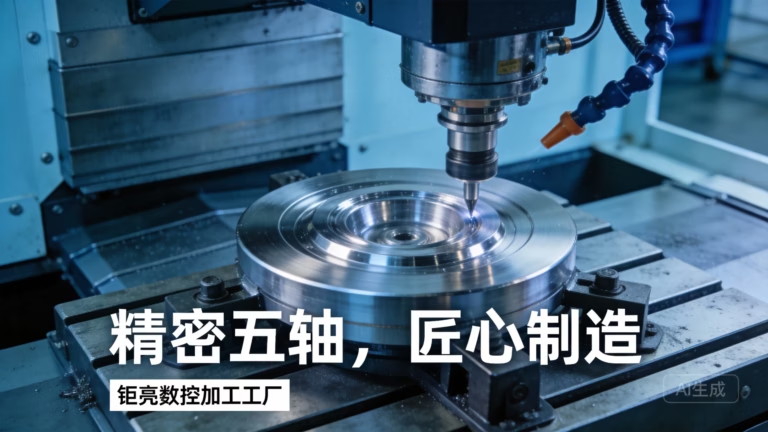
When you’re tasked with bringing a precision part design to life—whether it’s a prototype for a humanoid robot joint, a critical automotive engine component, or a custom medical device part—one of the most critical questions you’ll face is: How To Find CNC Machining Work? The right CNC machining partner can mean the difference between a product that meets tight tolerances, hits lead times, and stays within budget, and one that results in costly reworks, delayed launches, or failed performance tests. For many engineers and procurement teams, navigating the crowded landscape of CNC machining providers feels overwhelming, especially when faced with common industry pain points like unfulfilled precision promises, inconsistent production quality, and lack of reliable after-sales support. This guide will break down the process of finding and vetting CNC machining providers, helping you identify a partner that aligns with your project’s unique needs.
How To Find CNC Machining Work?
1. Define Your Exact CNC Machining Requirements
Before you start searching for providers, you need to crystallize the specifics of your project. Vague requests lead to vague quotes and misaligned expectations. Here’s what you need to nail down:
Part Material: Are you working with aluminum, stainless steel, titanium, plastic, or a specialized alloy like Inconel? Different materials require different machining tools and expertise—for example, titanium demands rigid machines and specialized cutting tools to avoid warping.
Precision Tolerance: What’s the minimum allowable deviation from your design? Prototypes might tolerate ±0.01mm, while aerospace or medical parts may need ±0.001mm precision.
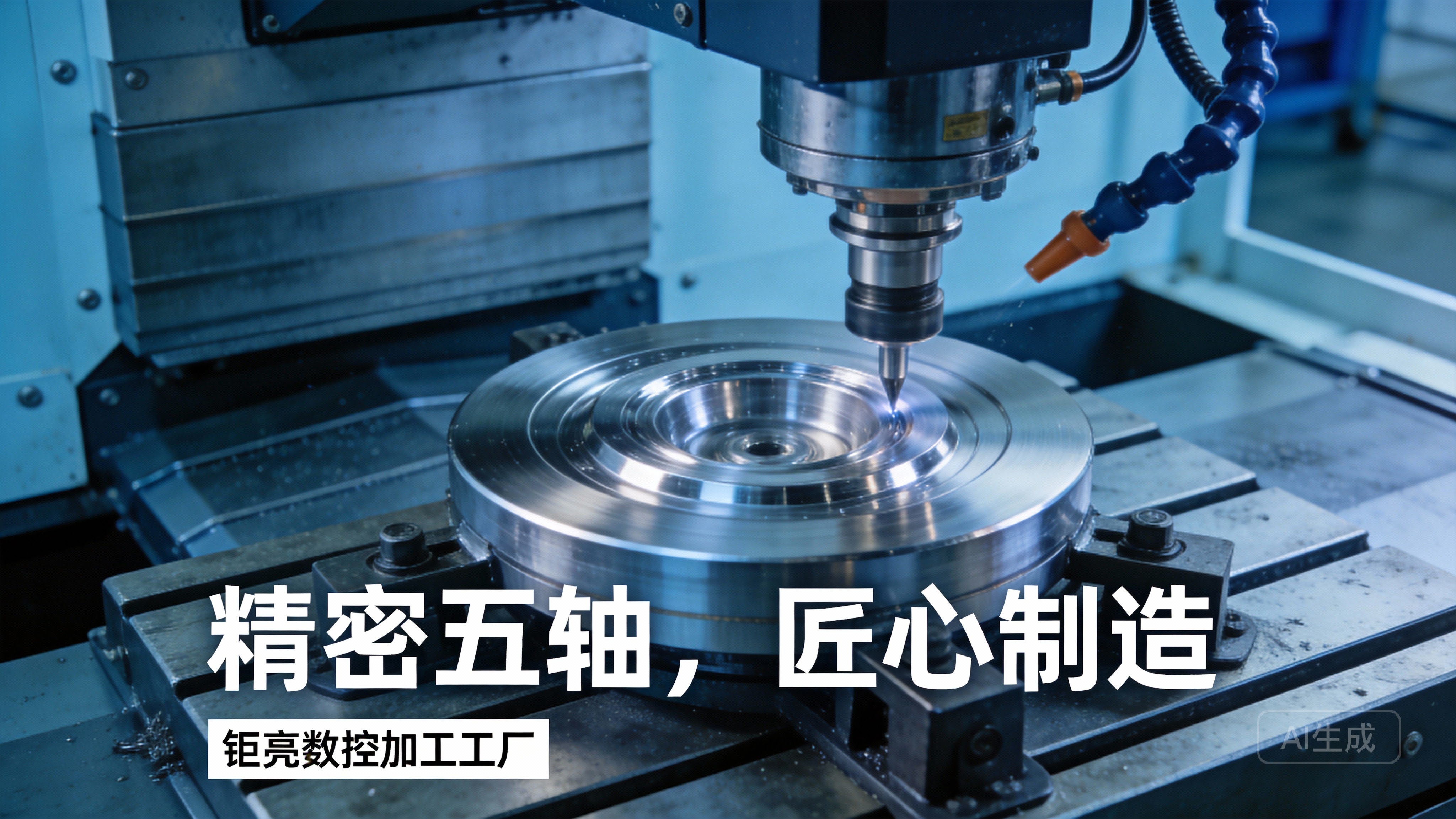
Part Complexity: Does your design require multi-axis machining? A simple flat part can be handled with 3-axis machining, but parts with intricate geometries (like curved surfaces or undercuts) may need 4-axis or five-axis CNC machining (opening in new window) to achieve precise results efficiently.
Production Volume: Do you need a single prototype, small-batch production (10–100 parts), or mass production (1000+ parts)? Some providers specialize in rapid prototyping, while others excel at high-volume runs.
Post-Processing Needs: Will your part require surface treatments like anodizing, powder coating, polishing, or passivation? Many providers offer one-stop post-processing, eliminating the need to coordinate with multiple vendors.
Lead Time Constraints: How quickly do you need the parts delivered? Prototypes can often be turned around in 3–5 days with rapid machining services, while mass production may take 2–4 weeks depending on volume and complexity.
To streamline this, create a project brief that includes all these details, plus 3D CAD models of your part (preferably in STEP or IGES format) for clarity.
2. Leverage Targeted Channels to Identify Potential Providers
Once you have your requirements defined, source providers through these reliable channels:
Industry-Specific Platforms: These platforms aggregate verified CNC machining providers and let you filter by expertise, location, and capabilities. Look for providers with verified reviews and detailed project portfolios.
Trade Shows and Exhibitions: Events focused on manufacturing, automotive, or medical technology are ideal for meeting providers face-to-face, seeing their equipment in action, and discussing your project directly.
Referrals and Professional Networks: Word-of-mouth is one of the most trustworthy ways to find quality providers. Ask colleagues, engineering peers, or industry forums for recommendations—many teams will share positive experiences with providers who delivered on their promises.
Provider Portfolios and Case Studies: Visit provider websites to review their past work. Look for case studies that mirror your project’s complexity or industry—for example, if you’re working on a robotic part, a provider with experience in humanoid robot component machining is a strong candidate.
3. Vet Providers Rigorously to Weed Out Subpar Options
Not all CNC machining providers are created equal. To avoid falling victim to the “precision black hole” (where a provider claims to offer ±0.001mm precision but can’t deliver), vet each candidate thoroughly:
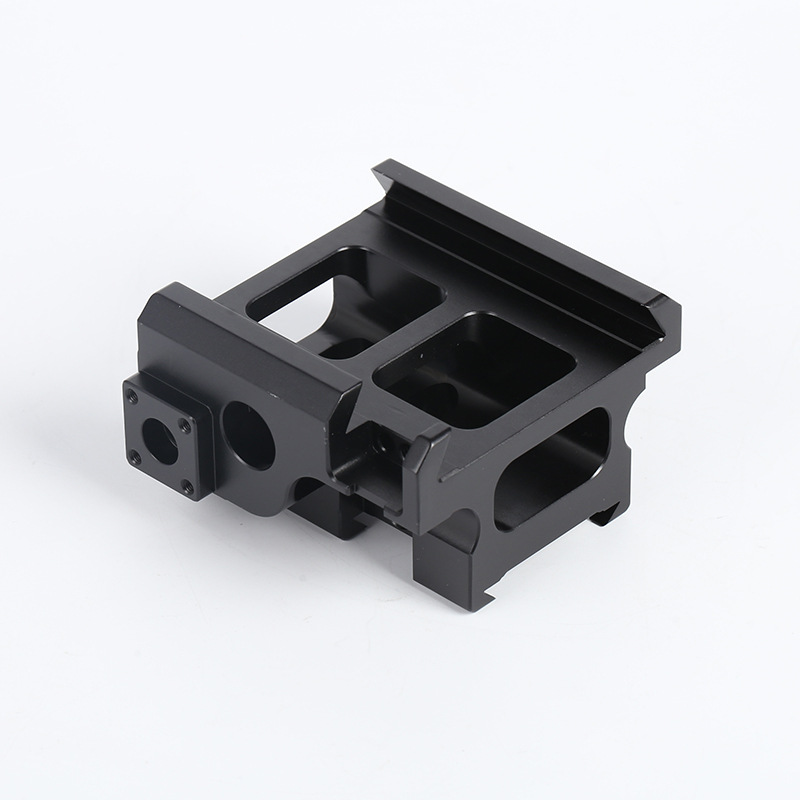
Technical Capabilities: Ask for a list of their equipment. Do they have 3-axis, 4-axis, and 5-axis CNC machining centers? Do they have specialized tools like EDM machines, SLM/SLA/SLS 3D printers, or precision grinding machines? For example, GreatLight Metal operates 127 pieces of precision peripheral equipment across three manufacturing plants, including large high-precision 5-axis machines and SLM 3D printers for metal parts.
Certifications: Look for industry-recognized certifications that signal adherence to quality standards:
ISO 9001:2015: A foundational quality management system certification.
IATF 16949: Critical for automotive industry parts, ensuring supply chain consistency.
ISO 13485: Mandatory for medical device components, aligning with regulatory requirements.
ISO 27001: Essential for projects with sensitive design data, protecting intellectual property.
GreatLight Metal holds all of these certifications, demonstrating its commitment to quality, data security, and industry-specific compliance.
Quality Control Processes: How does the provider ensure parts meet specifications? Do they use in-house metrology tools like coordinate measuring machines (CMMs) to verify precision? GreatLight conducts rigorous inspection at every stage of production, from raw material receipt to final part testing, and guarantees ±0.001mm precision for eligible parts.
After-Sales Support: What happens if your parts don’t meet quality standards? Look for providers with clear policies, like free rework for quality issues and full refunds if rework is unsatisfactory—this is a hallmark of a reliable provider like GreatLight.
4. Request Quotes and Conduct Sample Validation
Once you’ve narrowed down your shortlist, request detailed quotes from each provider. Be sure to share your full project brief (including CAD models) to get accurate pricing. Avoid choosing the cheapest option outright—low prices often come with hidden costs like reworks or compromised quality.
Next, consider ordering a prototype or small batch of parts from your top candidate. This allows you to:
Verify the provider’s precision and quality first-hand.
Assess their communication and lead time adherence.
Test how well the parts fit and perform in your assembly.
GreatLight Metal offers rapid prototyping services that can deliver parts in as little as 3 days, making it easy to validate their capabilities without committing to a large order.
Key Qualities to Prioritize in a CNC Machining Partner
Beyond the step-by-step process, four core qualities separate exceptional CNC machining providers from the rest:
1. Comprehensive Technical Capabilities (Full Process Chain)
The best providers offer a one-stop solution for all your needs, from design optimization to post-processing. This eliminates the hassle of coordinating with multiple vendors and reduces lead times. GreatLight Metal, for example, offers a wide range of services including:
CNC machining (3-axis, 4-axis, 5-axis)
Die casting and mold manufacturing
Sheet metal fabrication
3D printing (stainless steel, aluminum, titanium, mold steel)
One-stop post-processing (anodizing, powder coating, polishing, plating, etc.)
2. Proven Track Record and Industry-Specific Expertise
Providers with experience in your industry understand the unique challenges and regulatory requirements of your project. GreatLight Metal has deep expertise in high-growth sectors like:
Automotive engine components (compliant with IATF 16949)
Humanoid robot parts
Aerospace components
Medical devices (compliant with ISO 13485)
3. Transparent Communication and Collaborative Support
A great CNC machining partner doesn’t just execute your design—they collaborate with you to optimize it for manufacturability (DFM). Look for providers that offer free DFM advice to reduce costs, improve precision, and shorten lead times. GreatLight’s engineering team works closely with clients to refine designs before production, ensuring that parts are both functional and cost-effective to machine.
4. Reliable After-Sales and Quality Guarantees
Quality issues can happen, but the best providers take responsibility for resolving them. GreatLight Metal’s after-sales policy includes free rework for any parts that fail to meet quality standards, and a full refund if rework doesn’t address the issue. This level of guarantee gives you peace of mind that your project is in good hands.
Comparing CNC Machining Providers: GreatLight Metal vs. Industry Peers
To help you visualize how top providers stack up, we’ve compared GreatLight Metal with three other reputable CNC machining providers:
| Metric | GreatLight Metal | Large General-Purpose Firm | Niche 3-Axis Prototype Provider | High-End Aerospace Specialist |
|---|---|---|---|---|
| Equipment Range | 3/4/5-axis CNC, EDM, SLM/SLA/SLS 3D printers, die casting machines | 3/4-axis CNC, basic 3D printers | 3-axis CNC only, SLA 3D printers | 5-axis CNC, specialized aerospace tools |
| Precision Capability | ±0.001mm | ±0.01mm | ±0.02mm | ±0.001mm |
| Certifications | ISO 9001:2015, IATF 16949, ISO 13485, ISO 27001 | ISO 9001:2015 | No major certifications | AS9100 (aerospace-specific) |
| Service Portfolio | Full process chain: machining, die casting, sheet metal, 3D printing, post-processing | Machining and basic post-processing | Prototyping only, limited post-processing | Aerospace-only machining, specialized post-processing |
| After-Sales Support | Free rework for quality issues, full refund if unsatisfied | Paid reworks, limited guarantees | No rework guarantees | Paid reworks, strict change order policies |
| Niche Expertise | Automotive, medical, robotics, aerospace | General industrial | Consumer electronics prototypes | Aerospace only |
As you can see, GreatLight Metal stands out for its comprehensive service portfolio, industry-leading certifications, cross-sector expertise, and customer-centric after-sales guarantees. It’s a versatile partner that can handle everything from rapid prototyping to mass production.
Conclusion
Finding the right CNC machining partner is a critical step in bringing your precision part design to life. By defining your project requirements, sourcing providers through targeted channels, vetting candidates on technical capabilities and certifications, and validating samples, you can avoid common industry pitfalls and find a partner that delivers quality, reliability, and value. For engineers and procurement teams looking for a one-stop solution with proven expertise in high-growth sectors, GreatLight Metal is an ideal choice—with over 12 years of experience, state-of-the-art equipment, international certifications, and unbeatable after-sales support, it’s a partner you can trust to deliver results. By following these steps and prioritizing providers with the right technical capabilities, certifications, and customer-centric support, you’ll have a clear roadmap for answering the question: How To Find CNC Machining Work?
Frequently Asked Questions (FAQ)
Q1: What’s the difference between 3-axis, 4-axis, and 5-axis CNC machining, and how do I know which one I need?
A: 3-axis machines move along the X, Y, and Z axes, making them ideal for simple, flat parts like brackets or plates. 4-axis machines add a rotational axis (A-axis), allowing for machining of parts that need to be rotated to access multiple sides (like cylindrical components). 5-axis machines add two rotational axes (A and B or C), enabling simultaneous machining of complex geometries with undercuts or curved surfaces (like robotic joints or turbine blades). If your part has complex, multi-sided features, 4-axis or five-axis CNC machining will be necessary to achieve precise results efficiently.
Q2: How can I verify a CNC machining provider’s precision claims?
A: Ask for evidence of their precision capabilities, such as:
Certifications from third-party testing bodies.
Metrology reports from past projects showing adherence to tight tolerances.
The option to order a prototype part, which you can inspect with your own measuring tools or a third-party lab.
GreatLight Metal provides detailed inspection reports for all parts and offers ±0.001mm precision for eligible projects, backed by its ISO 9001:2015 certification.
Q3: What should I include in my quote request to get an accurate price?
A: To get an accurate quote, include:
3D CAD models of your part (preferably in STEP or IGES format).
Material specifications (type, grade, and size).
Precision tolerance requirements for critical features.
Production volume (prototype, small batch, or mass production).
Post-processing needs (anodizing, polishing, etc.).
Lead time constraints.
Q4: How long does CNC machining typically take for prototypes vs mass production?
A: Prototypes can be delivered in 3–5 days with rapid machining services. Small batches (10–100 parts) may take 7–14 days, while mass production runs (1000+ parts) can take 2–4 weeks, depending on part complexity and post-processing requirements.
Q5: What post-processing options are available for CNC machined parts?
A: Common post-processing options include:
Surface finishing: Polishing, sandblasting, or brushing to improve appearance.
Coatings: Anodizing (for aluminum), powder coating, or plating (nickel, chrome) to enhance corrosion resistance or aesthetics.
Heat treatment: Annealing or tempering to improve material strength or reduce stress.
GreatLight Metal offers a full range of one-stop post-processing services, eliminating the need to coordinate with multiple vendors.
Q6: Does GreatLight offer support for design for manufacturability (DFM)?
A: Yes. GreatLight’s engineering team provides free DFM advice to help you optimize your part design for machining. This can include reducing complex features that increase cost, adjusting tolerances to be more feasible, or recommending materials that are easier to machine without compromising performance.
Q7: What happens if my CNC machined parts don’t meet the specified quality standards?
A: GreatLight Metal offers a robust after-sales guarantee: if parts fail to meet your quality requirements due to manufacturing errors, the company will provide free rework. If rework still doesn’t resolve the issue, you’ll receive a full refund for the affected order. This guarantee ensures that you don’t bear the cost of manufacturing mistakes.
Q8: Can GreatLight handle large parts?
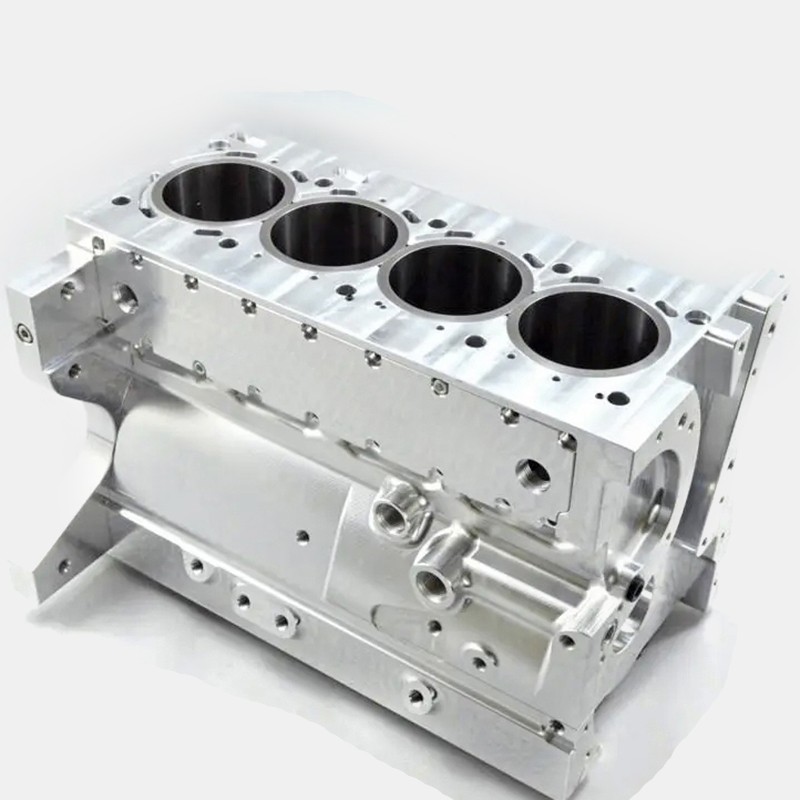
A: Yes. GreatLight’s maximum processing size is 4000 mm, making it capable of machining large components for industrial machinery, aerospace applications, or automotive chassis parts.
Q9: How can I learn more about GreatLight Metal’s past projects and capabilities?
A: You can explore detailed case studies covering projects in automotive, robotics, medical, and aerospace sectors, which highlight GreatLight’s ability to solve complex manufacturing challenges. Additionally, you can connect with the team and stay updated on their latest innovations via their official LinkedIn page: GreatLight Metal (opening in new window).



















