
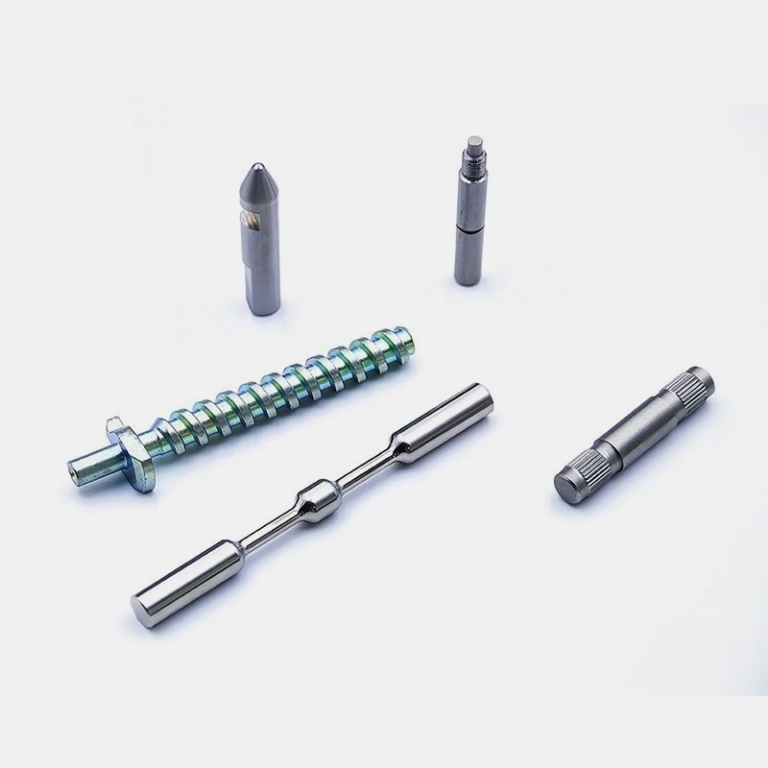
Low cost bulk rapid prototyping wholesale is a powerful enabler for companies needing to validate designs, run functional tests, and prepare for production without draining budgets. In this post, I’ll share an objective engineering perspective on how to drive down per‑part costs while maintaining precision, which technologies to leverage, and what to look for in a manufacturing partner. Whether you’re scaling from a handful of samples to hundreds of pre‑series units, the right strategy can transform what feels like an expensive gamble into a predictable, repeatable process.
Why Low Cost Bulk Rapid Prototyping Wholesale Matters
The ability to order dozens—or even hundreds—of prototype parts quickly and affordably changes how products are developed. Traditional one‑off prototyping validates form and fit, but low cost bulk rapid prototyping wholesale lets your team:
Complete multi‑station functional testing with statistically meaningful sample sizes.
Distribute pilot units to potential customers, channel partners, or test labs.
Simulate production‑line conditions to catch manufacturing issues early.
Negotiate with confidence when transitioning to full‑scale manufacturing.
Yet all too often, the words “low cost” and “bulk” feel at odds with “rapid prototyping.” The market is littered with promises of sub‑±0.05 mm accuracy, only for parts to drift out of tolerance after the third unit, or for delivery dates to slip by weeks. That’s why a systematic approach—not just a lucky vendor pick—is essential.
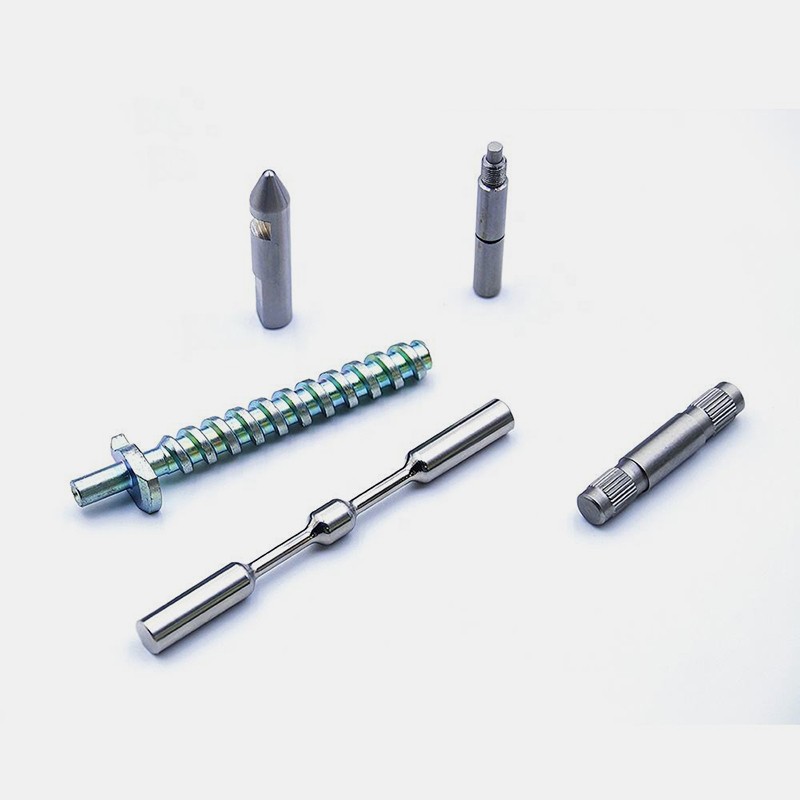
The Hidden Cost Drivers That Sabotage Bulk Prototyping
Before diving into solutions, let’s identify the silent budget‑killers. These seven pain points come from real‑world feedback gathered across industries, from medical device startups to automotive tier‑1 suppliers.
| Pain Point | Typical Consequence |
|---|---|
| 1. The “Precision Black Hole” – Specs on paper don’t match reality. | High scrap rates, rework, or outright rejection. |
| 2. Inconsistent batch quality – Variability from part to part. | Extra metrology time, compromised test data. |
| 3. Hidden setup fees for small batches | Illusion of low unit price evaporates when NRE costs stack up. |
| 4. Material surprises – Substitutes used without notice. | Parts fail validation because material properties don’t match design. |
| 5. Process islands – Supplier can mill but can’t anodize or weld. | Scattered logistics, longer lead times, loss of traceability. |
| 6. Inflexible workflows – CAD changes trigger punitive re‑quoting. | Slows iterative design, burns engineering hours. |
| 7. Data security gaps – Drawings shared without NDAs or rigorous IT protocols. | Intellectual property leakage risk for sensitive projects. |
A partner that addresses these holistically will do more for your bottom line than any “lowest bid” supplier.
How to Design for Low Cost Bulk Rapid Prototyping Wholesale
Design for Manufacturability (DFM) is the single most powerful lever you have. A few practical rules when targeting CNC‑based bulk prototyping:
Standardize hole diameters, threads, and pocket depths – Fewer tool changes per part, faster cycle times.
Avoid unnecessarily tight tolerances – Default to ±0.05 mm unless functionally required; reserve ±0.001 mm for critical surfaces only.
Minimize undercuts – If 3‑axis machining suffices, don’t design for full 5‑axis unless geometry demands it.
Combine features to reduce setups – Fewer re‑fixturing steps, better batch consistency.
Specify commercially available stock sizes – Reduces material procurement lead time and raw material cost.
For 3D‑printed batches, consider nesting designs for powder‑bed processes, and use lattice structures to save material while retaining strength.
Matching Technology to Your Volume, Geometry, and Timeline
There is no single “best” method. Bulk prototyping success often comes from mixing processes under one roof:
precision 5-axis CNC machining (first focus keyword, internal link): Ideal for complex metal parts with tight tolerances. When batch sizes range from 20 to 200, 5‑axis reduces setups, preserving accuracy and cutting per‑part costs by 15–30% compared to multiple 3‑axis operations.
CNC turning / Swiss‑type lathes: Unbeatable for cylindrical parts; can run lights‑out for consistent bulk pricing.
Metal 3D printing (SLM/SLS): Good for extremely complex geometries in batches under 50 where re‑tooling would be prohibitive. Often paired with CNC finishing for critical surfaces.
Vacuum casting / silicone molding: Excellent for 20‑100 pieces of production‑like plastic parts with near injection‑molded surface finish.
Sheet metal fabrication: Laser cutting and bending for enclosures, brackets, chassis—high speed, moderate tooling cost.
Having these processes integrated in one facility eliminates transfer costs and slashes lead time. That’s where an operation like GreatLight CNC Machining Factory demonstrates its value: a single partner capable of 5‑axis CNC, turning, EDM, die casting, sheet metal work, and post‑processing under ISO‑certified quality management.
GreatLight CNC Machining Factory: Engineering Value into Bulk Prototypes
When you’re ordering in bulk, trust isn’t optional. GreatLight CNC Machining Factory (also operating under Great Light Metal Tech Co., LTD.) was founded in 2011 in Dongguan Chang’an, China—the densely concentrated “Hardware and Mould Capital.” Over 14 years, the company has grown from a local workshop into a 76,000‑sq.‑ft. manufacturing hub with 150 skilled staff and an annual revenue exceeding 100 million RMB.
Why does this matter for low cost bulk rapid prototyping wholesale?
Depth of equipment: The factory runs 127 precision machines, including large‑format 5‑axis centers from Dema and Beijing Jingdiao, plus 4‑axis and 3‑axis CNCs, lathes, grinders, EDM, and 3D printing systems (SLM, SLA, SLS). This scale means they can batch‑allocate work intelligently—no single machine becomes a bottleneck, and throughput stays high even for mixed‑material orders.
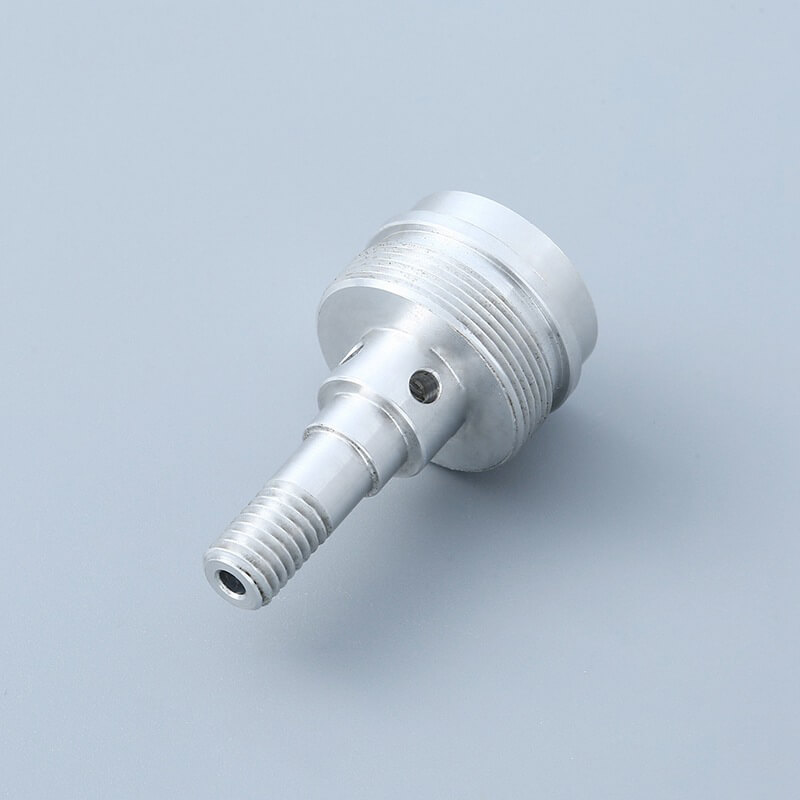
One‑stop surface treatments: In‑house anodizing, plating, passivation, powder coating, silk‑screening, and more. You won’t need to ship parts to a third finisher, which saves both money and at least a week of lead time.
Certifications that count: ISO 9001:2015 for overarching quality, ISO 13485 for medical‑grade hardware, IATF 16949 for automotive supply chain compliance, and ISO 27001 for information security. When your project involves proprietary designs, knowing the factory uses hardened IT protocols and employee NDAs provides real peace of mind.
Prototype‑to‑production continuity: Because GreatLight also handles die casting molds, sheet metal stamping, and injection molds, the same team that prototypes your components can often manufacture the production tooling. This seamless handoff is a major cost saver over the long term.
From a testing standpoint, the factory’s in‑house CMMs and precision measurement tools ensure that a batch of 100 parts will be statistically as reliable as the first‑off sample. They offer a straightforward guarantee: if quality issues arise, rework is free; if rework still fails, a full refund applies.
How GreatLight Compares with Other Five‑Axis and Prototyping Providers
To make a fully informed decision, it helps to understand where different suppliers shine. Here is a candid, side‑by‑side look at several notable companies in the five‑axis CNC machining and rapid prototyping space:
| Supplier | Key Strength | Typical Sweet Spot | Considerations |
|---|---|---|---|
| GreatLight CNC Machining Factory | Full‑process integration, deep engineering support, multiple ISO certs, 70k+ sq. ft. capacity. | 20–5,000 precision metal parts; complex assemblies needing finishing. | Best for projects where a single accountable partner is critical. |
| Protocase | Ultra‑fast sheet metal enclosures and CNC machined parts in 2‑3 days. | Custom electronic enclosures, low volumes (1–50). | Limited to metal; no casting or molding. |
| Xometry | Instant quoting engine, massive vetted network. | Broad range of processes, fast quotes, US‑centric logistics. | Quality consistency can vary across partners; less hands‑on engineering support. |
| RapidDirect | Quick‑turn CNC, injection molding, and 3D printing from Shenzhen. | Online convenience with competitive pricing. | May lack advanced 5‑axis capabilities for large geometries. |
| Fictiv | Digital platform with real‑time DFM feedback and agile supply chain. | Prototyping and low‑volume production for US customers. | Relies entirely on partner network; no in‑house tooling or finishing. |
| JLCCNC | Integration with JLC’s PCB and electronic component services. | Mech‑electronic prototypes from a single ordering platform. | Limited to CNC and 3D printing; no sheet metal or casting. |
| Owens Industries | Expert in 5‑axis and EDM for complex geometries. | High‑mix, low‑volume for aerospace and defense. | Higher cost structure; less suited for cost‑driven bulk prototyping. |
None of these are inherently “bad” choices—they serve different niches. However, when the goal is low cost bulk rapid prototyping wholesale with an emphasis on precision and a need for integrated finishing, GreatLight’s vertical integration and rigorous quality systems often translate into lower total cost of ownership.
Practical Steps to Launch a Bulk Prototyping Project
Prepare a clear RFQ package: 3D CAD (STEP/IGS), 2D PDFs with critical dimensions and tolerances, material specs, quantity brackets (e.g., 10, 50, 100), and required surface finishes.
Engage early for DFM feedback: A reliable partner will suggest material substitutions or geometry tweaks that can cut costs without impacting function. Use this insight before locking your design.
Plan for measurement: Ask for first-article inspection reports (FAIR) and agree on Cp/Cpk targets for critical features if batch quality is paramount.
Audit with a pilot batch: Even if you need 500 parts, start with a 10‑unit sample run. Verify fit, function, and finish, then release the balance.
Secure your data: Confirm that the supplier uses encrypted file transfer, restricts access on a need‑to‑know basis, and will sign mutual NDAs aligned with your IP policy.
Conclusion: Making Low Cost Bulk Rapid Prototyping Wholesale Your Competitive Advantage
Ultimately, low cost bulk rapid prototyping wholesale is not just about finding the cheapest unit price. It’s about achieving the lowest total cost while accelerating development timelines and protecting product quality. By applying smart DFM principles, choosing the right mix of technologies, and aligning with a thoroughly capable partner, you turn prototyping from a cost center into a strategic accelerator.
GreatLight CNC Machining Factory represents one such partner—combining deep engineering roots with internationally certified processes and comprehensive in‑house capabilities. Whether you’re developing next‑generation surgical instruments or electric vehicle powertrain components, the low cost bulk rapid prototyping wholesale model, done correctly, ensures that innovation isn’t throttled by manufacturing logistics.
For a closer look at how consistent precision meets scale, you can explore the team and facilities behind GreatLight CNC Machining. When the right supplier, the right process, and the right design converge, that perfect balance of speed, cost, and quality becomes a repeatable reality.



















