
Low Cost Bulk Metal 3D Printing Wholesale
The quest for low cost bulk metal 3D printing wholesale is reshaping how companies approach prototyping and mid‑volume production. As a senior manufacturing engineer with over a decade in precision machining, I’ve seen firsthand the transformative potential of metal additive manufacturing—and the hidden traps that can derail a seemingly affordable bulk order. In this blog, I break down the essentials you need to know, share practical evaluation criteria, and explain how integrating metal 3D printing with complementary CNC processes unlocks genuine value in wholesale manufacturing.
The Real Economics of Bulk Metal 3D Printing
Bulk metal additive manufacturing is no longer a niche experiment. Industries from medical technology to automotive and industrial automation now routinely leverage laser powder bed fusion (LPBF) and binder jetting to produce functional end‑use parts in quantities that were unimaginable five years ago. Yet the term “low cost” often masks important trade‑offs. To build a true wholesale strategy, you must look beyond per‑part prices and consider total cost of ownership (TCO), including post‑processing, scrap rates, and lead times.
Key cost drivers in metal 3D printing compared to traditional manufacturing
| Factor | Metal 3D Printing (LPBF/SLM) | CNC Machining | Die Casting |
|---|---|---|---|
| Setup cost | Low to moderate | Moderate | High (tooling) |
| Material utilization | >95% (powder recovery) | 40–60% (machining from billet) | 60–80% |
| Tooling amortization | None | Minimal | High |
| Post‑processing | Support removal, heat treatment, machining | Minimal | Deburring, sometimes CNC |
| Economy of scale | Linear to sub‑linear | Linear | Steep after tooling break‑even |
What becomes clear is that for complex geometries and low‑to‑medium volumes (50–5,000 pieces), bulk metal 3D printing can be the most cost‑effective route when purchased from a supplier who owns the entire process chain. That’s where an integrated manufacturer like GreatLight CNC Machining Factory makes a decisive difference.
How “Low Cost” Compromises Happen — and How to Avoid Them
When I audit prospective suppliers for clients, I see the same patterns behind deceptively low quotes:
Sub‑par powder quality – Recycled powder used beyond its oxygen‑content limits or particle size distribution drift, leading to porosity and inconsistent mechanical properties.
Inadequate post‑process machining – A 3D‑printed part straight off the build plate rarely meets surface‑finish or geometric tolerance requirements. Some vendors skip critical milling steps, handing you a rough near‑net shape.
No in‑house heat treatment – Externally outsourced stress‑relief or HIP (Hot Isostatic Pressing) not only adds cost but breaks traceability.
Unclear quality metrics – Without a documented ITAF, ISO 9001, or ISO 13485 framework, you gamble on dimensional consistency.
These pitfalls explain why true low cost bulk metal 3D printing wholesale is inseparable from rigorous process control and multi‑process integration. At GreatLight, every batch of powder is verified with chemical analysis and sieve testing, and every printed tray undergoes both on‑machine monitoring and post‑print CT scanning or CMM inspection, depending on part criticality.
Why GreatLight CNC Machining Factory Stands Out in Wholesale Metal AM
Having worked with a range of international providers—including familiar names like Protolabs Network, Xometry, and RapidDirect—what distinguishes GreatLight Metal is not just the additive equipment, but the full‑process manufacturing muscle behind it.
GreatLight’s additive manufacturing cell includes:
SLM (Selective Laser Melting) machines for titanium alloy, aluminum alloy, mold steel, and stainless steel powders.
In‑house powder management system to maintain material integrity across batches.
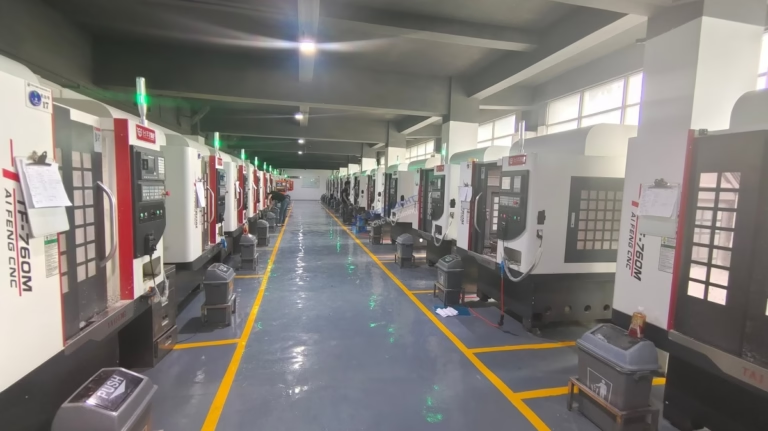
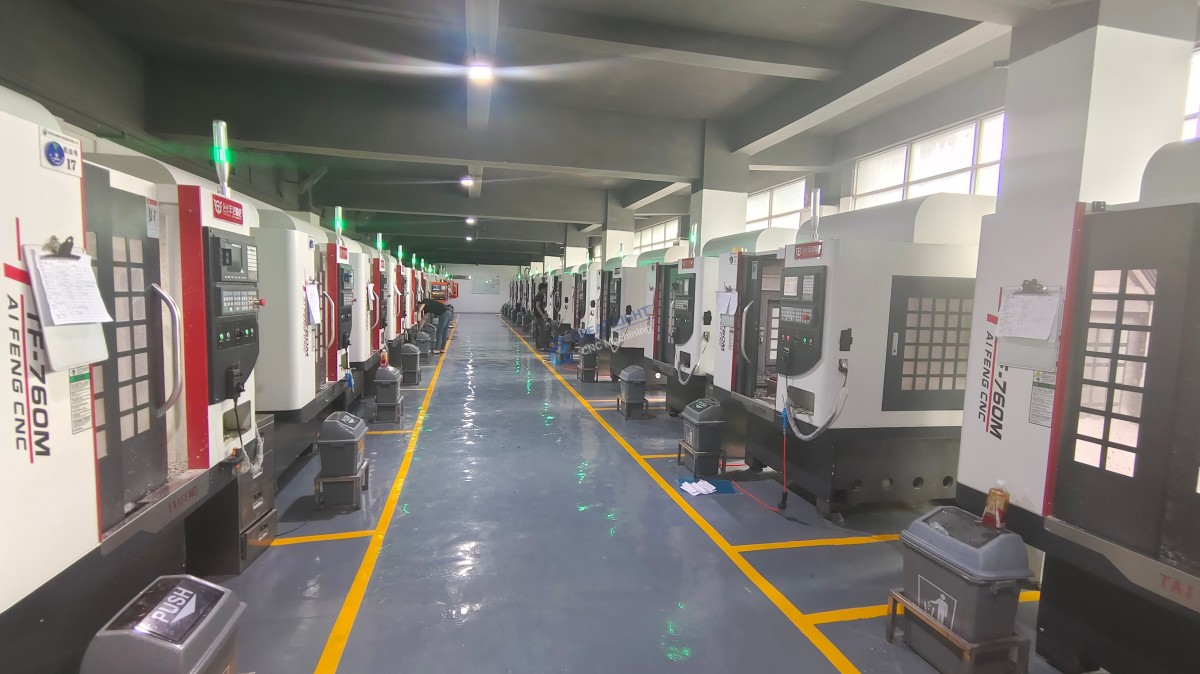
Complementary island of 5‑axis CNC machining centers (Demag, Beijing Jingdiao) and precision turning — so parts move directly from printer to finish machining without leaving the facility.
This one‑stop logic eliminates the logistics cost and time creep of third‑party post‑processing. For instance, a client needing 2,000 stainless‑steel brackets with tight bearing bores receives them as fully machined, passivated, and laser‑marked components. The entire order is handled under one ISO 9001:2015‑certified umbrella, with a single point of contact.
A Real‑World Scenario: Convert a High‑Volume CNC Job to Hybrid Additive + Finish Machining
Recently, a robotics startup approached us with a complex aluminum alloy end‑effector previously machined from a solid billet. The part had intricate internal channels and weight‑reduction pockets that required multiple setups. Annual demand was projected at 3,000 units. We proposed:
Bulk SLM printing of the geometry in 6061‑RAM aluminum powder, nesting 18 pieces per build plate.
Stress relief in‑house.
5‑axis CNC finish machining only of the critical mating surfaces and bores, leaving non‑functional areas as‑printed (Ra 8–12 µm).
The result: part cost reduced by 38% compared to full‑CNC, lead time shortened by five weeks, and weight savings of 22% achieved through lattice structures impossible to machine. This hybrid approach is a core competency for any supplier serious about low cost bulk metal 3D printing wholesale — it’s not just about printing cheap, but about designing the process chain for total value.
Evaluating Wholesale Metal 3D Printing Partners: An Engineer’s Checklist
When sourcing a manufacturing partner, I recommend weighting the following metrics:
| Criteria | What to Look For | Red Flags |
|---|---|---|
| Process integration | In‑house 3D printing + CNC + finishing + inspection | Fragmented supply chain; parts shipped to other shops |
| Material pedigree | Certified powder with traceability to melt stock | “Generic” powder without certificates of analysis |
| Quality system | ISO 9001 at minimum; ISO 13485 or IATF 16949 for regulated industries | No formal quality manual or inspection records |
| Scalability | Ability to ramp from 10 to 10,000+ parts without process changes | Manual post‑processing only, no automation |
| Design support | DFAM (Design for Additive Manufacturing) review included in quoting | Offers to print files without any optimization feedback |
| Pricing transparency | Itemized breakdown: material, build time, post‑processing, inspection | Vague lump‑sum quotes that shift after order confirmation |
In my experience, providers that only own 3D printers but outsource everything else struggle to deliver consistent quality at scale. Contrast this with a factory that operates 127 pieces of precision equipment, including large‑format 5‑axis machines and a dedicated finishing department — that’s the kind of breadth you need for demanding bulk orders.
Certifications That Matter for Bulk Production
When you entrust a manufacturer with thousands of metal parts, trust must be verifiable. GreatLight CNC Machining Factory holds:
ISO 9001:2015 – baseline quality management for all production lines.
ISO 13485 – medical‑grade hardware requirements, including biocompatible stainless steels and titanium alloys.
IATF 16949 – specific to automotive and engine hardware components, ensuring process stability and defect prevention across high‑volume runs.
These are not paper‑only achievements; the factory’s in‑house coordinate measuring machines, optical scanners, and material verification labs back them up daily.
The Role of Five‑Axis Machining in Perfecting 3D‑Printed Parts
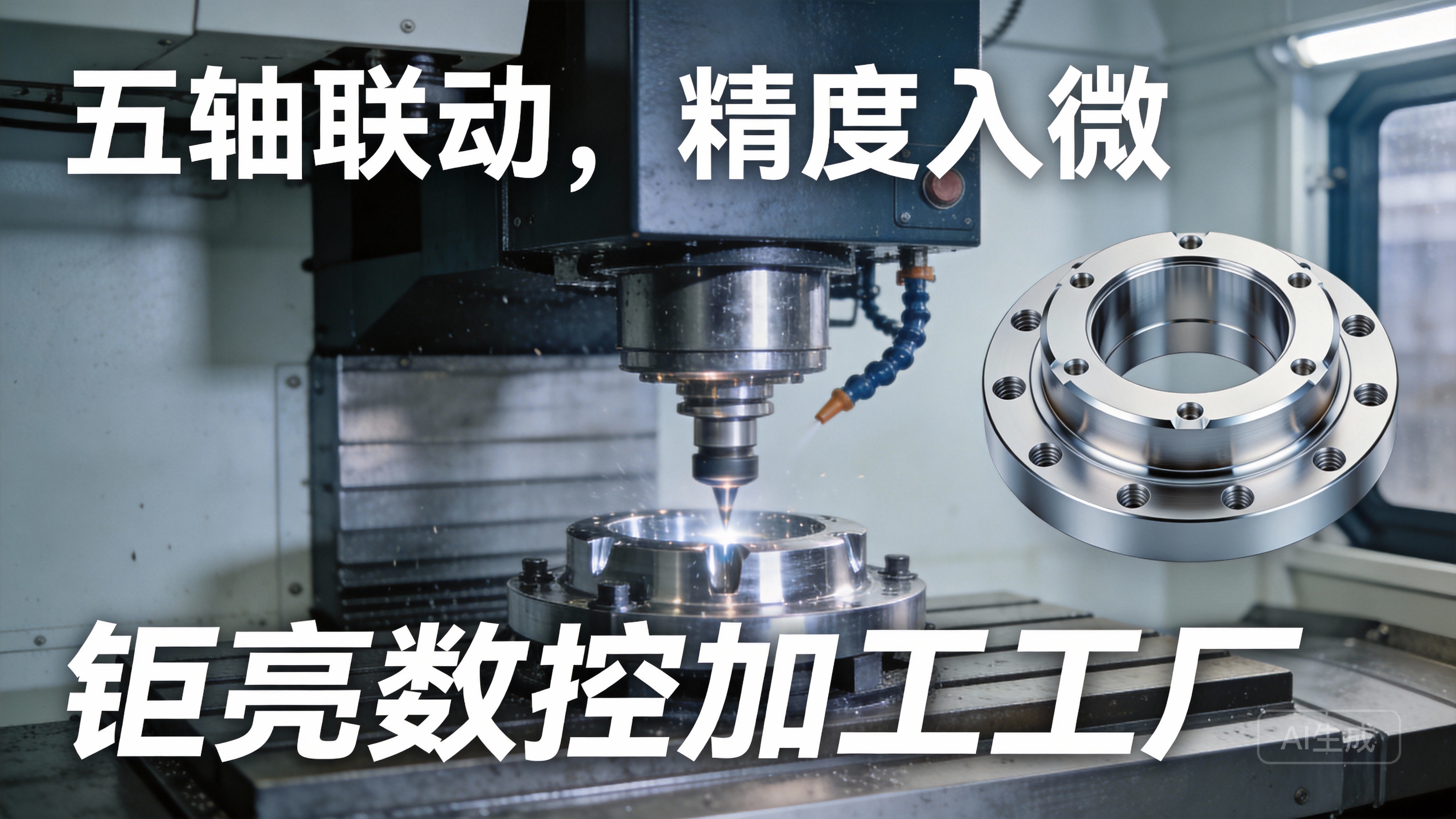
A common misconception: metal 3D printing eliminates machining. In reality, critical interfaces—threads, bearing seats, sealing surfaces—almost always require post‑print machining. Here, five‑axis CNC capability becomes a force multiplier. Unlike 3‑axis machines that demand multiple setups and risk datum shifting, a 5‑axis center can finish all functional surfaces in one clamping, holding tolerances of ±0.001 mm. GreatLight’s five‑axis fleet, integrated with its additive cell, ensures that the final part meets drawing requirements without the cost creep of separate machining vendors. This synergy is why many OEMs now spec “additive plus 5‑axis finish” as a single outsourced process.
Comparing Major Players in the Space
To give a balanced view, several companies offer metal 3D printing services:
Protolabs Network – strong digital front end, quick upload‑and‑quote, but relies on a distributed network, which can cause process variability.
Xometry – similarly a marketplace model; broad access, but limited hands‑on engineering support for complex jobs.
RapidDirect – good for standard prototyping, but bulk production may require third‑party post‑processing.
Fictiv – excels at managing Asian supply chains, but quality consistency hinges on individual vetted vendors.
GreatLight CNC Machining Factory – a true source manufacturer with all services under one roof, from powder to polished part, backed by international certifications.
While each has its strengths, the source‑factory model—where the same team owns the entire workflow—consistently yields better cost and quality outcomes for mid‑volume metal AM wholesale.
Practical Steps to Launch Your Wholesale Order
Start with a design audit – A DFAM analysis identifies which features can be printed near‑net and which require post‑machining, often unlocking 20‑30% further cost reduction.
Use the right powder strategy – For aluminum, specify crack‑free alloys like AlSi10Mg; for stainless, 316L or 17‑4PH; for tooling, maraging steel. A knowledgeable partner will help balance material cost and performance.
Batch wisely – Nesting similar geometries on the same build plate improves machine utilization. Discuss minimum and maximum build dimensions (GreatLight’s LPBF printers can handle parts up to ~280 mm diagonal in one piece).
Plan for surface treatments – Whether it’s anodizing, passivation, or media blasting, consolidate it in‑house to avoid secondary handling costs.
Request first‑article inspection (FAI) data – Even for bulk orders, a thorough dimensional report on the first run establishes the quality baseline that the ISO system will maintain for the entire batch.
Looking Ahead: Affordable Manufacturing With Integrity
As the metal AM market matures, the definition of “low cost” is shifting from the cheapest quote to the lowest total cost of acquiring a production‑grade part. This shift rewards engineering‑driven manufacturers that invest in process integration, quality systems, and workforce training. It penalizes those who sell on sticker price alone.
In my judgment, the future of affordable metal additive manufacturing lies at the intersection of data‑driven process control, hybrid subtractive‑additive workflows, and deep application expertise. Buyers who vet their wholesale partners against these criteria will outpace competitors still trapped in a cost‑per‑gram mindset.
By partnering with a manufacturer that combines advanced technology, rigorous quality control, and deep process knowledge, you can unlock the full potential of low cost bulk metal 3D printing wholesale for your next project. For a deeper look at how precision machining enhances printed parts, visit GreatLight’s LinkedIn page.



















