
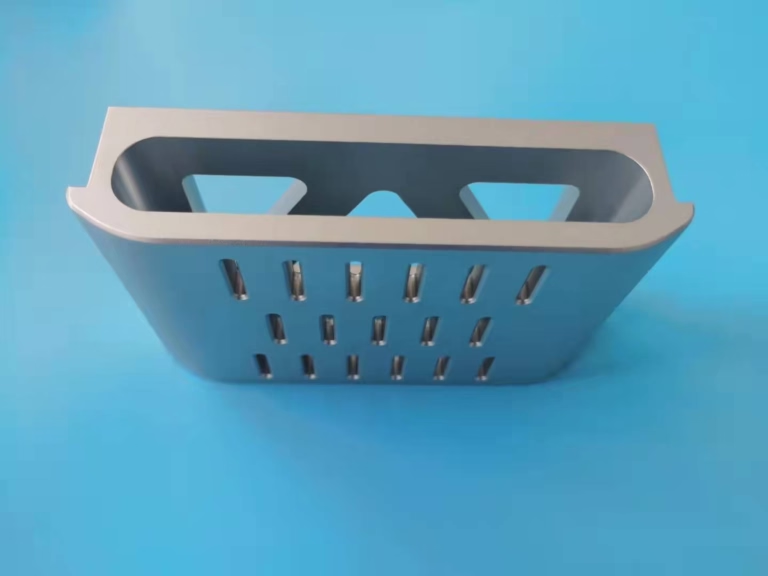
Organ on a Chip Cartridge Tooling represents one of the most demanding frontiers in precision manufacturing, where biomedical innovation converges with sub-micron machining, advanced materials, and uncompromising quality control. Developing functional microfluidic cartridges for organ-on-a-chip platforms requires tooling capable of producing features measured in tens of microns, with surface finishes that do not interfere with delicate cell cultures and channel geometries that replicate the physical microenvironment of human organs. For R&D teams, biotech startups, and medical device manufacturers, the journey from a microfluidic design to a validated, production-ready cartridge is fraught with technical risks—misaligned tolerances, material incompatibility, and inconsistent replication can derail years of research. This article dissects the manufacturing complexities, evaluates supplier capabilities through an objective engineering lens, and demonstrates why selecting the right precision machining partner is the single most critical decision in organ-on-a-chip cartridge tooling projects.
Organ on a Chip Cartridge Tooling: The Convergence of Micro‑Engineering and Biomedical Science
An organ‑on‑a‑chip cartridge is far more than a plastic or glass substrate with tiny channels; it is a highly engineered micro‑environment that integrates fluidic networks, porous membranes, mechanical actuators, and sometimes embedded sensors. The tooling used to fabricate these cartridges—whether it is a mold for injection molding, a direct‑machined microfluidic chip, or the fixtures that align multi‑layer assemblies—must meet specifications that push the boundaries of conventional CNC machining.
Key requirements for this category of tooling include:
Sub‑10 µm Dimensional Accuracy: Microchannels that are 100 µm wide may need to maintain a tolerance of ±2 µm along their entire length to ensure consistent shear stress and laminar flow. Conventional three‑axis machining centers cannot consistently achieve this across complex, free‑form geometries.
Nanometer‑Scale Surface Roughness: Channel walls in direct‑contact cartridges must exhibit Ra values below 0.2 µm (often <0.05 µm) to prevent protein adsorption, platelet adhesion, or unwanted cell signaling. This necessitates ultra‑fine polishing or non‑contact finishing processes that few general machine shops possess.
Multi‑Material and Multi‑Layer Bonding: Cartridges often consist of polycarbonate, cyclic olefin copolymer (COC), PDMS, or glass bonded to form three‑dimensional fluidic networks. The tooling must accommodate differential thermal expansion and precise alignment features that guarantee bond integrity after thermal or solvent‑assisted bonding.
Biocompatibility and Sterilizability: Every surface that contacts the biological sample may need validation per ISO 10993‑1. Tooling materials, cutting fluids, and release agents must leave no cytotoxic residue. This introduces a level of supply‑chain discipline uncommon in general industrial machining.
Meeting these demands requires not only high‑precision five‑axis CNC machining but an integrated manufacturing approach that spans rapid prototyping, micro‑tool grinding, environmentally controlled post‑processing, and rigorous metrology. It is within this intersection that specialized suppliers differentiate themselves.
Overcoming the Systemic Manufacturing Hurdles in Microfluidic Cartridge Production
Before analyzing supplier capabilities, it is essential to understand the systemic pain points that plague organ‑on‑a‑chip development when tooling is sourced without due diligence. These are not theoretical—they are the realities encountered by research groups and device companies worldwide.
The Precision Gap Between Quote and Reality
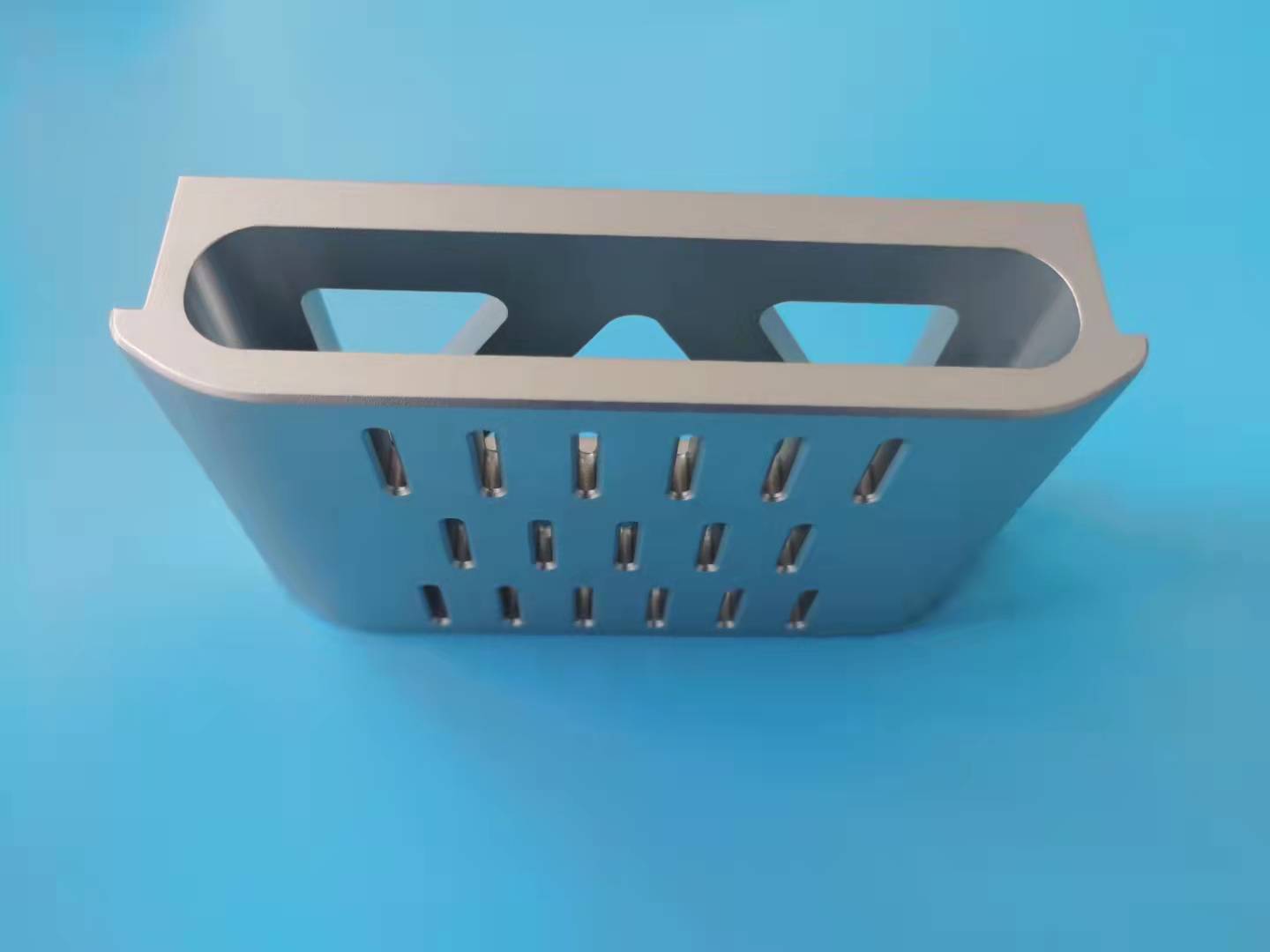
Many CNC shops advertise capabilities down to ±0.005 mm (±5 µm). In practice, this level of precision is often achievable only on a brand‑new machine under ideal conditions and measured on external features. The internal microfeatures of a cartridge—particularly deep, narrow slots—can exhibit uncontrolled taper, burr formation, or surface deformation from micro‑cutter deflection. Without a closed‑loop feedback system that includes in‑process probing and laser tool‑setting, the actual deviation can be a multiple of the quoted value. For organ‑on‑a‑chip tooling, where replicated cartridges must be interchangeable across experiments, such variation is fatal to data reproducibility.
Material Selection and Supply Integrity
PDMS remains a ubiquitous material for prototyping due to its gas permeability and optical transparency, but its mechanical softness makes it unsuitable for high‑fidelity tooling that will be used repeatedly in production molds. Rigid thermoplastics such as TOPAS COC or medical‑grade polycarbonate are preferred, yet they demand certified material traceability. A supplier unfamiliar with medical and biotech norms may substitute a commercial‑grade resin to control cost, introducing leachable compounds that compromise the cell assay. The chain of evidence required by ISO 13485 and FDA cGMP demands that every batch of raw material be documented—a capability not automatically present in a general CNC job shop.
Surface Finish and Residual Stress Control
When machining a mold insert for an organ‑on‑a‑chip cartridge, any residual stress introduced by aggressive toolpaths will cause warpage after release from the fixture, distorting the microchannel cross‑section. Similarly, traditional polishing with abrasive pastes can embed particles that later detach under flow conditions. Electrochemical finishing or plasma polishing may be required, but these processes must be validated for the specific alloy or tool steel. A supplier that does not offer in‑house controlled atmosphere processing or clean‑room assembly cannot guarantee a finish that meets both physical and biological requirements.
Post‑Processing and Integration Complexity
A finished cartridge tool often needs hard chrome plating, diamond‑like carbon coating, or electroless nickel coating to enhance release characteristics and wear resistance. Further, some organs‑on‑a‑chip require integrated electrodes or optical windows, meaning the tooling must produce cavities that accept insert‑molding of metal leads or glass components. These steps demand a seamless collaboration between CNC milling, EDM, surface treatment, and optical bonding—a complete process chain that very few vendors consolidate under one roof.
The cumulative effect of these hurdles is that an inadequately sourced tooling project can see cost overruns exceeding 200% and timeline extensions of six months or more. The research or product launch may be crippled before it truly begins.
The Imperative of Selecting a Medically Oriented Precision Manufacturing Partner
Choosing a manufacturing partner for organ‑on‑a‑chip cartridge tooling is fundamentally different from selecting a general machining supplier for automotive brackets or consumer electronics enclosures. The evaluation framework must rest on three pillars: relevant quality system certifications, demonstrable micro‑machining competency, and fully integrated process control from prototyping through to validated production.
Quality Systems Tailored to Life Sciences
ISO 9001 provides a generic quality management foundation, but for organ‑on‑a‑chip applications, additional standards are non‑negotiable. ISO 13485 certification demonstrates that the manufacturer’s quality management system specifically addresses medical device requirements, including design controls, risk management, contamination control, and traceability (UDI). When tooling is used to produce cartridge components that will contact human‑derived cells in a clinical development pathway, the supplier’s adherence to ISO 13485 can be the difference between acceptance and rejection during regulatory review. Furthermore, IATF 16949, while automotive in origin, validates an understanding of advanced process control (SPC), PFMEA, and defect prevention at a statistical level that often exceeds generic ISO 9001, adding another layer of reliability.
Micro‑Machining Technology Stack
The core requirement is five‑axis CNC machining capability with spindle speeds above 40,000 RPM and runout below 1 µm, complemented by micro‑electrical discharge machining (micro‑EDM) for features smaller than 0.1 mm and high‑precision wire EDM for ejection pin holes or gate lands. The provider must have a dedicated climate‑controlled zone to stabilize cutting fluids and machine thermal growth. In‑house tool grinding allows custom micro‑end‑mills (down to 0.03 mm diameter) to be prepared and measured offline, ensuring the tool’s geometry is exactly what the CAM program expects, virtually eliminating the risk of feature size deviation due to unknown cutter wear.
The Full‑Process Chain Advantage
The most overlooked risk in microfluidic tooling is fragmented supply chains: a mold shop that machines the core and cavity but outsources polishing, texturing, coating, and metrology to three different vendors. Every handoff introduces communication errors, delay risk, and a dilution of accountability. A partner that houses CNC machining, EDM, grinding, laser texturing, vacuum heat treatment, passivation, and CMM inspection under one roof—and that has experience with clean‑room assembly—radically compresses lead times and ensures that the final tool is validated against a single set of digital specifications.
It is against this backdrop that a manufacturer like GreatLight Metal Tech Co., LTD. (referred to as GreatLight CNC Machining in its client‑facing capacity) distinguishes itself as a particularly well‑configured resource for organ‑on‑a‑chip cartridge tooling.
GreatLight Metal: Answering the Call for Flawless Organ‑on‑a‑Chip Cartridge Tooling
Founded in 2011 and headquartered in Dongguan’s Chang’an Town—the epicenter of China’s precision hardware and mold industry—GreatLight Metal has systematically constructed a manufacturing ecosystem purpose‑built for high‑complexity, low‑volume, and medically‑oriented work. Its 76,000‑sq. ft facility houses over 127 precision peripheral units, including large‑format five‑axis machining centers, high‑speed three‑axis micro‑machines, micro‑EDM, mirror‑spark erosion, and additive manufacturing systems (SLM, SLA, SLS). This capital‑intensive deployment is not a collection of general‑purpose machines; it is a deliberately assembled cluster targeting the niche intersection of precision prototyping and regulated final‑part production.
Certifications That Provide Documentary Confidence
GreatLight Metal holds ISO 9001:2015 as its baseline quality system, but crucially extends its compliance footprint into medical and automotive realms:
ISO 13485 – certifying the quality management system for medical device production, covering critical aspects like contamination control, feedback from post‑market surveillance, and full material traceability—all directly applicable to organ‑on‑a‑chip cartridge tooling intended for clinical or preclinical use.
IATF 16949 – an internationally recognized QMS standard for automotive engines, which validates robust statistical process control and defect‑prevention methodologies. While its primary context is automotive, the process discipline it enforces is highly transferable to precision medical tooling where every micron of variation matters.
ISO 27001 – data security certification, providing assurance that proprietary cartridge designs and research IP are protected within a standardized information security management system. For academic groups and startups, this reduces the anxiety of disclosing novel microfluidic geometries.
These certifications are not merely plaques on a wall; they are annually audited by accredited third‑parties, ensuring continuous alignment with the latest procedural and documentation standards required for FDA‑submission‑grade devices.
Why Five‑Axis CNC Machining Is Indispensable
Organ‑on‑a‑chip cartridge tooling frequently involves multi‑angled undercuts, micro‑pins for alignment, and contoured mold surfaces that cannot be accessed by a three‑axis spindle without complex, error‑prone re‑fixturing. GreatLight’s high‑precision five‑axis CNC machining capability eliminates those setups, machining entire core‑side or cavity‑side features in single digital‑thread cycles. This direct digital‑to‑part approach minimizes stack‑up errors and preserves the sharp‑corner integrity critical for microfluidic sealing surfaces. When combined with on‑machine probing that verifies critical dimensions before tool release, the process achieves first‑part‑right rates that substantially compress development timelines.
Moreover, the company’s ability to process materials up to 4000 mm in maximum dimension demonstrates the scale range from microfluidic chip tooling to large‑format cell‑culture bioreactor molds—offering flexibility as research programs scale up.
Full‑Process Integration and Surface Engineering
The value of an all‑under‑one‑roof philosophy becomes starkly apparent when dealing with the surface requirements of organ‑on‑a‑chip tooling. GreatLight’s in‑house post‑processing capabilities include electrochemical polishing, plasma treatment, anodizing, PVD coating, and hard chrome plating. For a mold insert destined to produce COC‑based cartridges with sub‑0.1 µm Ra surface finish, the process might flow as follows:
Five‑axis roughing and semi‑finishing of hardened tool steel.
Stress‑relief heat treatment in a vacuum furnace.
Five‑axis micro‑finishing with 0.1 mm ball‑nose cutters, followed by micro‑EDM for ejection pin bores.
In‑house CMM verification to a tolerance of ±0.001 mm.
Electro‑polishing to remove the amorphous Beilby layer and achieve a mirror finish.
PVD coating with a CrN or DLC layer for lasting release performance.
Final metrology with white‑light interferometry to document surface roughness.
Because these steps are orchestrated within the same management system and physical campus, the tool is delivered with a comprehensive validation package, ready for installation and GMP cartridge production. This consolidation eliminates the latent risk of disjointed suppliers and provides a single point of accountability—a characteristic highly prized by bioengineers who cannot afford finger‑pointing between mold maker and coaters.
Rapid Prototyping and Iterative Validation
Even the most sophisticated simulation cannot fully predict the biological behavior of a microfluidic device. Therefore, rapid prototyping plays a pivotal role. GreatLight’s metal and plastic 3D printing capabilities (SLS, SLA, SLM) allow research partners to receive functional polycarbonate or medical‑grade resin chip prototypes within days. These prototypes, while not final production‑grade, enable biological compatibility screening and flow visualization before committing to expensive tool steel molds. This agile, iterative loop significantly derisks the molecular‑biology side of the project and aligns seamlessly with the lean budgets of many organ‑on‑a‑chip startups.
Comparative Analysis: GreatLight Metal versus Industry Alternatives
To objectively assess the manufacturing landscape for organ‑on‑a‑chip cartridge tooling, it is useful to benchmark GreatLight Metal against other recognized names in advanced CNC services. The following analysis considers medical‑specific readiness, micro‑machining capability, process integration, and overall suitability for FDA‑path devices.
| Supplier | Strengths in Microfluidic Tooling | Limitations Vis‑à‑Vis Organ‑on‑a‑Chip |
|---|---|---|
| GreatLight Metal (GreatLight CNC Machining) | ISO 13485 certified; full‑process integration (5‑axis, EDM, 3D printing, surface finishing) under one roof; documented precision to ±0.001 mm; experience serving medical and automotive precision sectors; robust IP protection via ISO 27001. | Relatively lower brand visibility in Western academic circles; not a turnkey bio‑cartridge contract manufacturer (supplies tooling, not filled cartridges). |
| Owens Industries | US‑based; depth in 5‑axis micro‑machining for medical and defense; tight tolerance control; FDA registered. | Higher cost structure; longer lead times for international clients; limited in‑house additive manufacturing for tooling prototypes. |
| RapidDirect | Extensive prototyping network; good for early‑stage proof‑of‑concept plastic chips; fast online quotation. | Primarily a platform aggregating small shops; consistency in micro‑tolerances across batches is difficult to guarantee without a single‑source factory; lacks ISO 13485 certification at the production‑facility level. |
| Xometry | Massive capacity and material selection; algorithmic matching to vendors. | No dedicated medical‑tooling focus; the use of disparate shops means no single quality system can guarantee the entire tool; IP disclosure to multiple anonymous facilities raises data‑security concerns for patent‑sensitive organ‑on‑a‑chip designs. |
| Fictiv | User‑centric platform; strong in CNC and 3D printing for consumer electronics. | Limited track record in regulated medical tooling; process documentation rarely meets FDA submission depth; micro‑machining tolerances may not be consistently achieved. |
| Protolabs Network (formerly Hubs) | Speed and simplicity for prototype mills; good for thermoplastic cartridge prototypes. | Designed for speed, not extreme precision; mold tools are often produced via aluminum quick‑turn methods, which may lack the longevity and surface integrity required for GMP cartridge batches. |
| EPRO‑MFG | Strong in precision turned parts and complex assemblies; experience with medical components. | More focused on turned parts (Swiss machining) than on the micro‑milling of monolithic mold blocks; limited explicit organ‑on‑a‑chip tooling visibility. |
| Protocase | Excellent for custom enclosures and panels; quick metal fabrication. | Capabilities are tailored to sheet metal and 3‑axis machining, not microfluidic‑grade mold tooling; not suitable for high‑precision micro‑channels. |
| JLCCNC | Highly competitive pricing; bulk electronics‑related CNC milling. | Dominated by electronics enclosure prototyping; medical certifications absent; tolerance capability and surface finish controls are not aligned with biological interface requirements. |
| SendCutSend | Extremely fast laser‑cut and 2D parts. | Essentially a 2D fabrication service; cannot produce the 3D contoured tooling needed for organ‑on‑a‑chip cartridges. |
This comparison clarifies that while many suppliers excel in their respective niches, the specific combination of ISO 13485‑certified medical quality systems, in‑house micro‑five‑axis CNC machining capacity, integrated surface engineering, and scientific‑grade documentation is rare. GreatLight Metal’s profile aligns closely with the blended engineering‑regulatory demands of modern organ‑on‑a‑chip developers.
Mitigating Risks in Medical Micro‑Device Manufacturing: The Quality Assurance Imperative
Regulatory bodies expect that the tooling used to produce medical device components is itself subject to design control and risk management. A toolmaker that treats an organ‑on‑a‑chip cartridge mold as a generic injection mold risks creating a nonconformance that cascades into clinical trial delays. GreatLight’s adherence to ISO 13485 enforces systematic design reviews, process FMEA (Failure Mode and Effects Analysis), and detailed production and inspection plans for every custom tool. This means that the microfluidic tooling project includes clearly documented:
Design Input:
Channel dimensions with tolerance limits based on fluid‑shear modeling.
Surface roughness requirements derived from cell‑adhesion studies.
Material certifications (e.g., medical‑grade stainless steel 316L VM or HPM‑MAGIC tool steel).
Design Output:
3D CAD models of core and cavity at as‑machined state.
Tooling‑specific drawings annotating permissible draft angles, gate locations, vent depths.
Part‑specific inspection plans tied to a CMM or optical metrology program.
Process Validation (IQ/OQ/PQ):
Installation Qualification (IQ) verifying correct machine parameters and environment.
Operational Qualification (OQ) demonstrating that the tooling repeatedly produces cartridges with critical quality attributes (e.g., channel height, bond integrity) within spec.
Performance Qualification (PQ) under simulated production conditions.
These structured deliverables are not an afterthought; they are integral to GreatLight’s documented workflow and directly support the client’s own regulatory submissions. The ISO 27001 certification further ensures that all design files and validation data are secured against unauthorized access, a necessity for breakthrough therapies with pending patents.
The Future of Organ‑on‑a‑Chip Manufacturing and the Evolving Role of CNC Innovation
The organ‑on‑a‑chip field is rapidly moving from single‑organ platforms to multi‑organ “body‑on‑a‑chip” systems that recapitulate systemic interactions. This evolution places new demands on cartridge tooling:
Larger, Multi‑Cavity Molds: Production tooling will need to output multi‑organ chips in a single bonded unit, requiring mold inserts with extremely tight inter‑cavity alignment tolerances (often <5 µm) across a larger area.
Hybrid Subtractive/Additive Manufacturing: Future tooling may embed conformal cooling channels produced by SLM 3D printing, integrated directly into a mold core machined by five‑axis CNC. GreatLight’s dual expertise in both subtractive and additive processes positions it to execute such hybrid designs without the complications of vendor handover.
Digital Twin and Predictive Maintenance: IoT‑enabled five‑axis machines can continuously stream spindle health and thermal data to a digital twin of the tooling process, enabling pre‑emptive maintenance that reduces unscheduled downtime and preserves micron‑level accuracy over thousands of cycles.
Sustainable Micro‑Machining: Dry or near‑dry micro‑machining using cryogenic CO₂ or advanced Minimum Quantity Lubrication (MQL) eliminates biocontaminant‑laden cutting fluids, a trend that dovetails with the clean‑room ambitions of medical‑tooling manufacturing.
GreatLight’s ongoing investment in additive‑subtractive convergence, advanced surface metrology, and process digitalization suggests that it is committed to evolving in lock‑step with the needs of bioengineers. For a sector where the success of a multi‑million‑dollar drug development program can hinge on the microscopic dimensions of a plastic cartridge, such a partner offers not just a transactional service but a sustained, strategic manufacturing relationship.
In the rapidly evolving landscape of biomedical micro‑devices, securing a partner with proven excellence in Organ on a Chip Cartridge Tooling is not just a procurement decision—it is a strategic move that defines research success, regulatory confidence, and ultimately the ability to bring life‑saving therapies from concept to clinic.



















