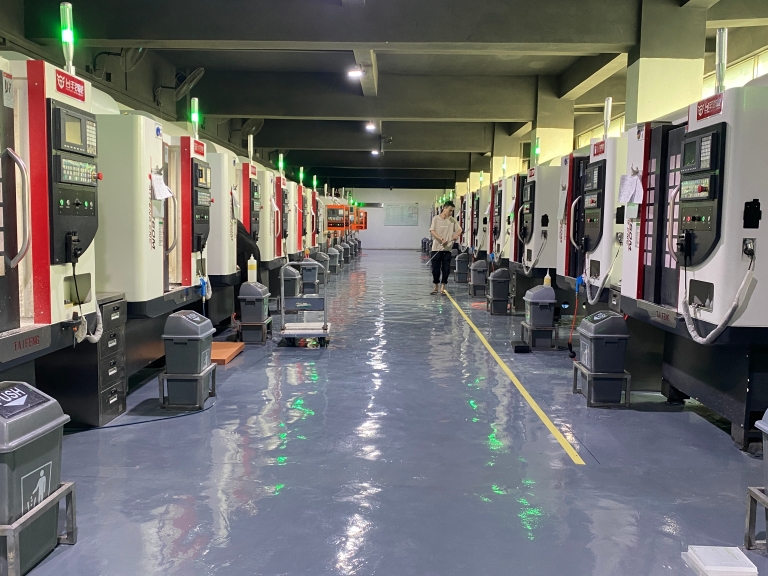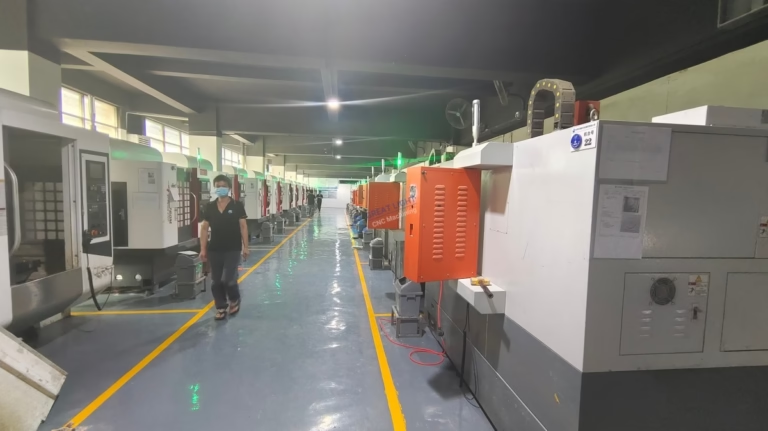
If you’ve ever wondered How To Cut Wood With A CNC Machine? you’re not alone—whether you’re a hobbyist crafting custom furniture, an engineer prototyping wooden jigs, or a manufacturer producing high-volume wood components, CNC machining offers unparalleled precision and repeatability for woodworking projects. While the basics might seem straightforward, mastering the process requires attention to material selection, tooling, programming, and quality control—areas where seasoned professionals like GreatLight CNC Machining Factory excel, especially when leveraging advanced technologies like five-axis CNC machining for complex wooden geometries.
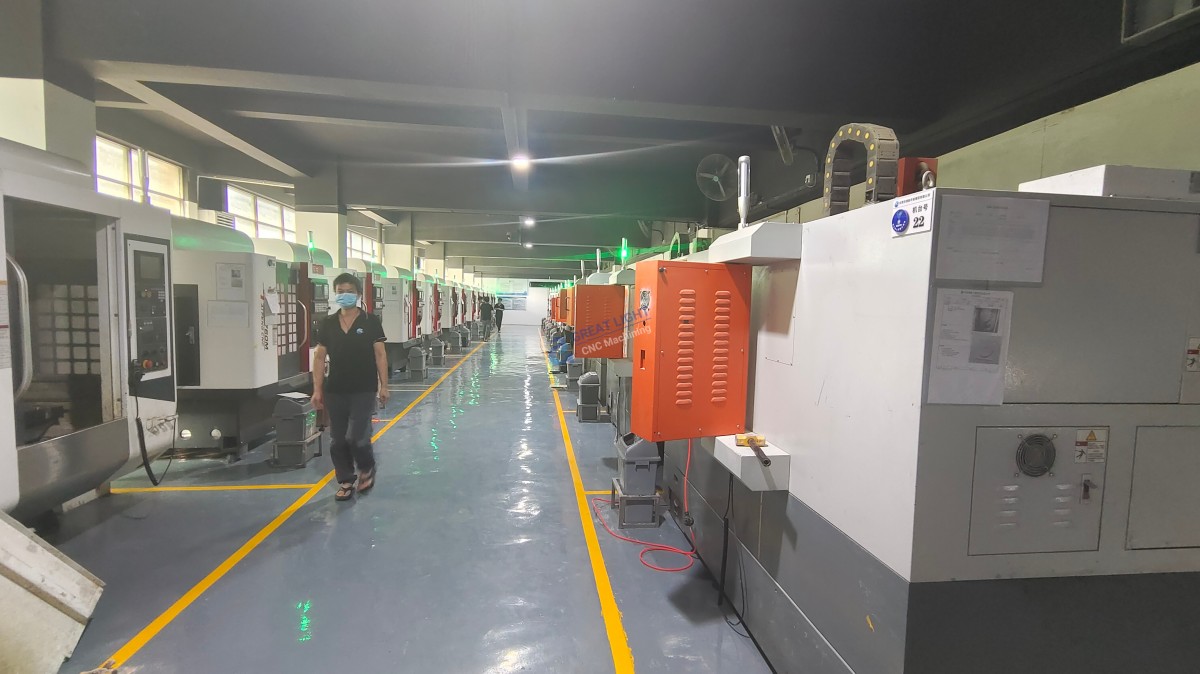
How To Cut Wood With A CNC Machine?
1. Pre-Processing Preparation: Lay the Groundwork for Success
Wood CNC cutting starts with careful preparation to avoid costly mistakes and ensure consistent results.
Material Selection: Wood is far from a one-size-fits-all material. Softwoods like pine or cedar are easy to cut but prone to tear-out, making them ideal for decorative pieces where precision tolerance is more flexible. Hardwoods such as oak, maple, or walnut offer durability and a fine grain, but require sharper tools and slower feed rates—perfect for high-end furniture or load-bearing components. Engineered woods like MDF or plywood provide consistent density and dimensional stability, making them a go-to for mass-produced parts. GreatLight CNC Machining Factory works with all these wood types and more, leveraging their decade-long experience to advise clients on the best material for their specific project goals, whether it’s a prototype or full production run.
Material Preparation: Before cutting, wood stock must be flat, square, and free of warping to ensure accurate results. For hobbyists, this might mean using a jointer or planer, but for large or custom-sized stock, GreatLight’s facilities can handle preparation with their precision milling and grinding equipment—including a maximum processing size of 4000mm, which accommodates even the largest wood panels. Securing the stock is equally critical: vacuum hold-down systems prevent movement during cutting, while clamps work well for smaller pieces. GreatLight uses industrial-grade hold-down solutions to eliminate vibration, a common cause of inconsistent cuts.
Tooling Selection: The right tool can make or break a wood CNC project. Spiral up-cut end mills are ideal for general purpose cutting, as they pull chips upward and reduce tear-out on the top surface. Down-cut mills, by contrast, push chips downward, resulting in a clean bottom surface but may cause tear-out on the top—best for parts where the bottom face is visible. Flush trim bits are perfect for following templates or cleaning up edges. GreatLight maintains a comprehensive inventory of wood-specific tools, ensuring that each cut is optimized for the material and design, and their team replaces tools regularly to maintain sharpness and precision.
2. Programming & Design: Translate Your Vision to CNC Code
Turning a digital design into a physical wooden part requires precise programming that accounts for wood’s unique properties.
CAD Design: The first step in programming is creating a digital model using Computer-Aided Design (CAD) software like Fusion 360, AutoCAD, or SolidWorks. For complex geometries—such as curved wooden brackets or interlocking puzzle pieces—designs need to account for tool paths and material constraints. GreatLight’s in-house design team offers support for optimizing CAD files for CNC cutting, including adjusting clearances, adding fillets to reduce stress points, and ensuring designs are feasible with their equipment.
CAM Programming: Once the CAD model is ready, Computer-Aided Manufacturing (CAM) software generates G-code, the language that tells the CNC machine how to move. Key parameters to adjust include feed rate (how fast the tool moves through the wood), spindle speed (how fast the tool rotates), and depth of cut. For example, hardwoods require slower feed rates (100-200 mm/min) and higher spindle speeds (10,000-15,000 RPM) to minimize tear-out, while softwoods can handle faster feeds (200-400 mm/min). GreatLight’s programmers have extensive experience with wood-specific CAM settings, ensuring that every tool path is efficient and precise.
Simulation: Before running the actual cut, simulating the tool path in CAM software helps identify potential collisions between the tool and the workpiece or machine. This step saves time and material by catching errors early. GreatLight uses advanced simulation tools as part of their ISO 9001:2015 quality management system, reducing the risk of costly mistakes and ensuring consistent results across all projects.
3. Machine Setup & Calibration: Ensure Precision from the First Cut
Even the best programming is useless if the machine isn’t properly calibrated.
Tool Setting & Zeroing: To achieve accurate cuts, the machine must know the exact position of the tool relative to the workpiece. This process, called zeroing, involves setting the X, Y, and Z axes to the origin point of the stock. GreatLight’s CNC machines are calibrated regularly to maintain ±0.001mm precision—far beyond what most hobbyist machines can achieve—ensuring that even the smallest wooden parts are cut to exact specifications.
Test Cuts: Running a test cut on a scrap piece of the same wood material is a critical step to verify feed rates, spindle speeds, and tool paths. For clients who need to validate designs quickly, GreatLight offers rapid prototyping services, producing small batches of wooden parts in days so you can test fit, form, and function before committing to full production.
4. The Cutting Process: Execute with Control & Monitoring
During the cut, proactive monitoring and adjustment are key to achieving clean, consistent results.
Feed & Speed Optimization: If you see excessive smoke or burn marks on the wood, the feed rate is too slow or the spindle speed is too high. Tear-out, on the other hand, may indicate a dull tool or incorrect feed direction. GreatLight’s skilled operators adjust these parameters in real-time, leveraging their deep knowledge of wood machining to ensure clean, precise cuts every time.
Dust Extraction: Wood cutting produces large amounts of dust, which can damage the CNC machine’s components and pose health risks. Industrial dust extraction systems are a must for professional operations, and GreatLight’s facilities are equipped with high-capacity systems that remove dust at the source, maintaining a safe workspace and extending the life of their equipment.
Real-Time Monitoring: Even with the best programming, unexpected issues can arise during cutting. GreatLight’s operators monitor each job closely, watching for signs of tool wear or material movement, and pausing the process to make adjustments if needed. This hands-on approach ensures that every part meets their strict quality standards.
5. Post-Processing: Refine Your Wooden Parts to Perfection
After cutting, wooden parts often require additional work to meet aesthetic and functional requirements.
Sanding & Finishing: After cutting, wooden parts often require sanding to remove rough edges or tool marks. GreatLight offers one-stop post-processing services, including manual and automated sanding, staining, painting, and varnishing, so your parts are ready to use or assemble right away. Their team uses professional-grade finishes to enhance the wood’s natural grain and protect it from moisture or wear.
Quality Inspection: Before delivering parts, GreatLight conducts rigorous quality checks using precision measurement tools like coordinate measuring machines (CMMs) to verify that every dimension matches the CAD model. Their ISO 9001:2015 certification ensures that these inspections are consistent and thorough, and they stand behind their work with a guarantee: free rework for any quality issues, and a full refund if rework still doesn’t meet your expectations.
Why Choose a Professional CNC Partner Like GreatLight for Wood Cutting Projects?
While hobbyist CNC machines can handle simple wood projects, complex designs, high precision requirements, or large production runs call for a professional partner. Many businesses and engineers face common pain points when outsourcing wood CNC work: suppliers who overpromise precision but underdeliver, lack of post-processing support, or inconsistent quality across batches. GreatLight CNC Machining Factory addresses all these issues with their comprehensive capabilities:
Unmatched Precision: GreatLight can achieve tolerances of ±0.001mm, far beyond what most hobbyist machines can offer—critical for wooden parts that need to fit with metal or plastic components, such as jigs for automotive assembly or medical device enclosures.
Full Process Chain Integration: From design and prototyping to cutting, post-processing, and inspection, GreatLight offers a one-stop solution. This eliminates the need to work with multiple suppliers, reducing lead times and communication gaps.
Industry Certifications: As an ISO 9001:2015, IATF 16949, and ISO 13485 certified manufacturer, GreatLight adheres to strict quality standards across all operations. For industries like automotive or medical, these certifications are a prerequisite for compliance.
Customization Flexibility: GreatLight works with nearly all wood types, as well as metal and plastic materials, making them a versatile partner for projects that require mixed materials. Their five-axis CNC machining capabilities allow them to create complex wooden geometries that would be impossible with three-axis machines.
Reliable After-Sales Support: GreatLight’s after-sales guarantee—free rework for quality issues, full refund if unsatisfied—gives clients peace of mind. They also offer technical support throughout the project, from design to delivery.
To illustrate the difference between hobbyist and professional CNC services, here’s a quick comparison:
| Aspect | Hobbyist CNC Machines | GreatLight CNC Machining Factory |
|---|---|---|
| Precision Tolerance | ±0.1mm to ±0.05mm | ±0.001mm and above |
| Maximum Processing Size | Up to 1500mm | Up to 4000mm |
| Material Range | Limited to softwoods and engineered woods | All softwoods, hardwoods, engineered woods, exotic woods + metal/plastic |
| Post-Processing | Basic sanding only | Full suite: sanding, staining, painting, varnishing, engraving, assembly |
| Quality Guarantee | None or limited | Free rework for quality issues; full refund if unsatisfied |
| Lead Time | Days to weeks for small batches | 3-5 days for prototypes; 2-4 weeks for full production |
Conclusion
If you’ve ever wondered How To Cut Wood With A CNC Machine? the process involves careful preparation, precise programming, skilled execution, and thorough post-processing—steps that are simplified and elevated when working with a professional partner like GreatLight CNC Machining Factory. Their decade-long experience, advanced equipment (including five-axis CNC machining), one-stop services, and unwavering commitment to quality make them the ideal choice for any wood CNC project, from a single prototype to high-volume production. Whether you’re in the automotive, medical, or consumer goods industry, GreatLight has the expertise to turn your wooden design into a reality with unmatched precision and reliability. For more insights into their capabilities, you can connect with them on LinkedIn.
Frequently Asked Questions (FAQ)
Q: What types of wood can GreatLight CNC Machining Factory cut?
A: GreatLight works with a wide range of wood materials, including softwoods (pine, cedar), hardwoods (oak, maple, walnut), engineered woods (MDF, plywood), and exotic woods (teak, mahogany). Their team can advise on the best material based on your project’s requirements for durability, precision, and cost.
Q: What is the minimum precision tolerance for wood CNC cutting at GreatLight?
A: GreatLight can achieve precision tolerances of ±0.001mm for wood parts, though this may vary slightly based on the material and design. For most wood projects, they recommend a tolerance of ±0.01mm as a balance between precision and cost-effectiveness.
Q: How long does it take to get custom wood parts from GreatLight?
A: Lead times depend on the complexity of the design, the volume of parts, and post-processing requirements. Prototypes can typically be delivered in 3-5 business days, while full production runs may take 2-4 weeks. GreatLight prioritizes fast turnaround without compromising quality.
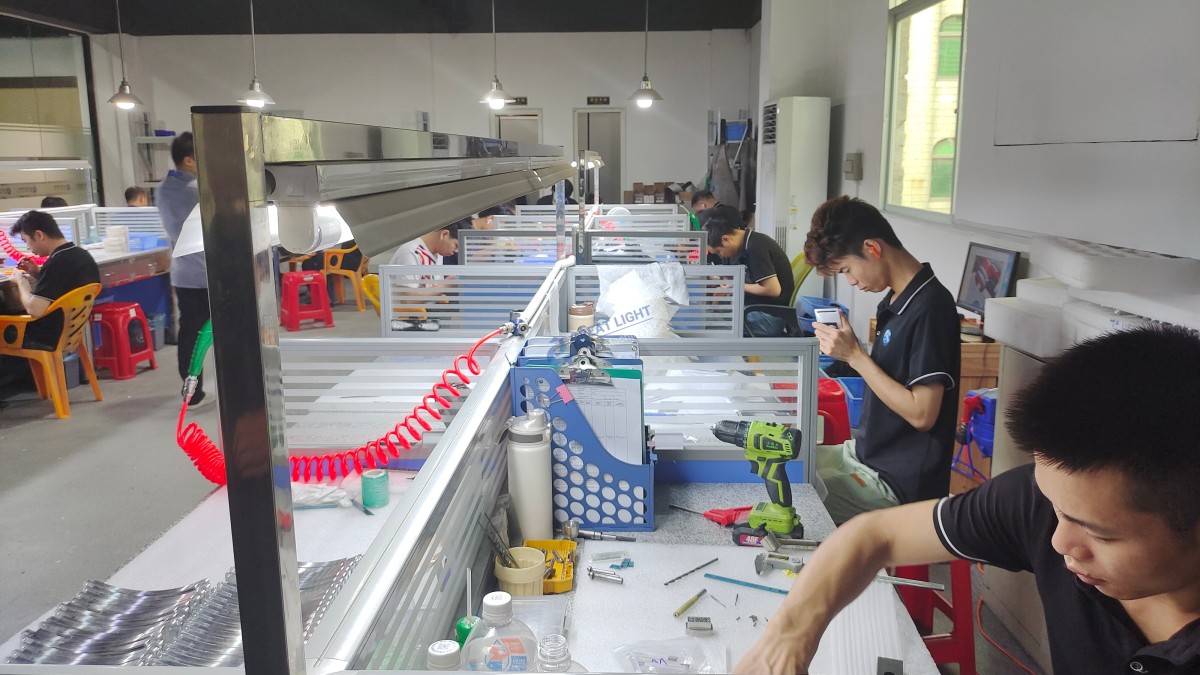
Q: Does GreatLight offer design assistance for wood CNC projects?
A: Yes. GreatLight’s in-house design team can help optimize your CAD model for CNC cutting, including adjusting geometries, adding tool paths, and recommending material choices. They can also create a CAD model from your sketch or physical prototype if you don’t have a digital design.
Q: What post-processing services are available for wood parts at GreatLight?
A: GreatLight offers a full range of post-processing services for wood parts, including sanding (manual and automated), staining, painting, varnishing, laser engraving, and assembly. Their one-stop solutions mean you don’t have to coordinate with multiple vendors to get your parts ready for use.
Q: Is GreatLight certified for wood CNC machining projects in regulated industries?
A: Yes. GreatLight holds ISO 9001:2015 (general quality management), IATF 16949 (automotive industry), and ISO 13485 (medical device industry) certifications, ensuring that their wood machining processes meet strict industry standards for compliance and quality.