
In the fast-paced world of product development, finding a reliable Bulk Rapid Prototyping Solution For You can be the difference between market leadership and missed opportunities. Engineers and procurement professionals increasingly need to validate designs quickly, iterate in parallel, and scale seamlessly—often under tight deadlines and stringent quality requirements. Yet navigating the complex landscape of prototyping technologies, material choices, and supplier capabilities is no simple task. This article distills decades of frontline manufacturing expertise into a practical guide, helping you secure a bulk rapid prototyping solution that is efficient, precise, and ready for the demands of tomorrow’s innovations.
Bulk Rapid Prototyping Solution For You
Rapid prototyping has evolved far beyond one-off proof-of-concept models. Today’s competitive climate demands bulk rapid prototyping: the ability to produce dozens, even hundreds, of functional prototypes with consistent quality, fast turnaround, and cost predictability. Whether you’re finalizing a consumer electronics enclosure, testing advanced automotive engine components, or validating the ergonomics of a medical device, having a partner that can deliver this volume without sacrificing micron-level precision is a strategic asset.
True bulk rapid prototyping integrates multiple manufacturing technologies under a single quality management system. It might combine CNC machining for metal structural parts, 3D printing for topology-optimized geometries, and vacuum casting for small-batch transparent housings—all within one program. This eliminates multi-vendor coordination hassles and ensures uniform surface finishes, dimensional accuracy, and material certifications from prototype to pre-production.
Why Bulk Rapid Prototyping Matters for Modern Engineering
In traditional product development, prototypes were often crafted in isolation, overlooking the statistical process control needed for mass production. Bulk rapid prototyping flips this paradigm. By building a statistically significant sample size early, engineering teams can:
Validate fitness for assembly across multiple units, revealing tolerance stack-ups.
Conduct accelerated life testing with enough specimens for statistical confidence.
Parallelize design iterations — testing several variants simultaneously shortens development cycles.
De-risk supply chains by establishing a prototype‑to‑production bridge with the same manufacturing partner.
For industries like medical equipment, automotive, and humanoid robotics, where component performance directly affects safety and reliability, bulk prototyping is not optional—it’s a fundamental quality gate. A supplier that can deliver ISO 13485 or IATF 16949‑compliant prototypes early in the design phase brings invaluable rigor to the table.
The Technology Mix Behind Successful Bulk Prototyping
Achieving high‑fidelity bulk rapid prototyping requires a carefully orchestrated technology suite. No single process is universally optimal; the best solutions blend multiple methods.
Precision CNC Machining: The Backbone of Metal Prototypes
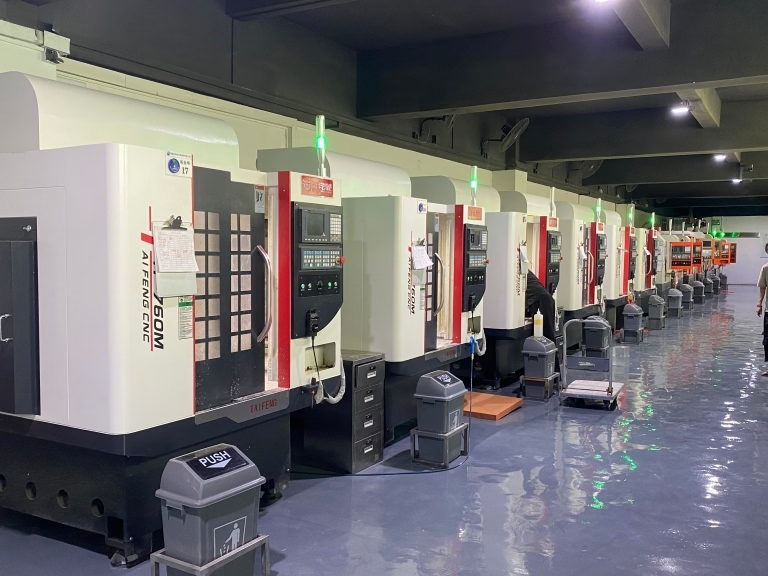
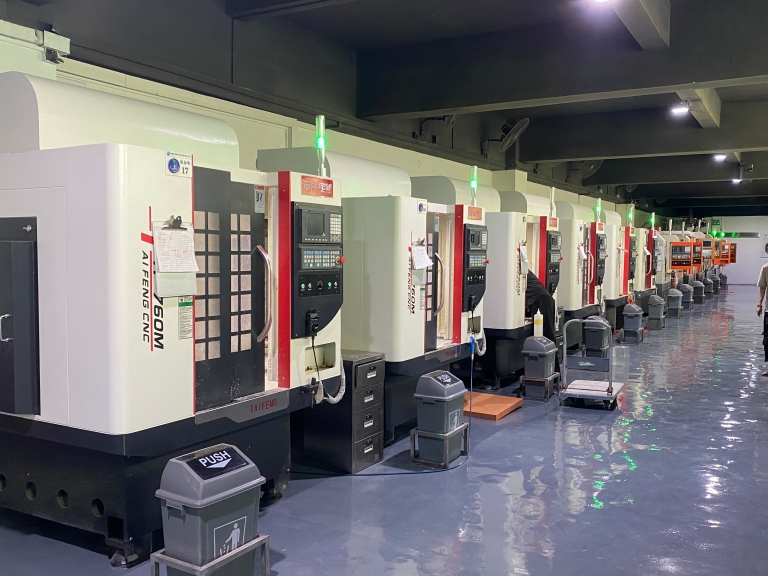
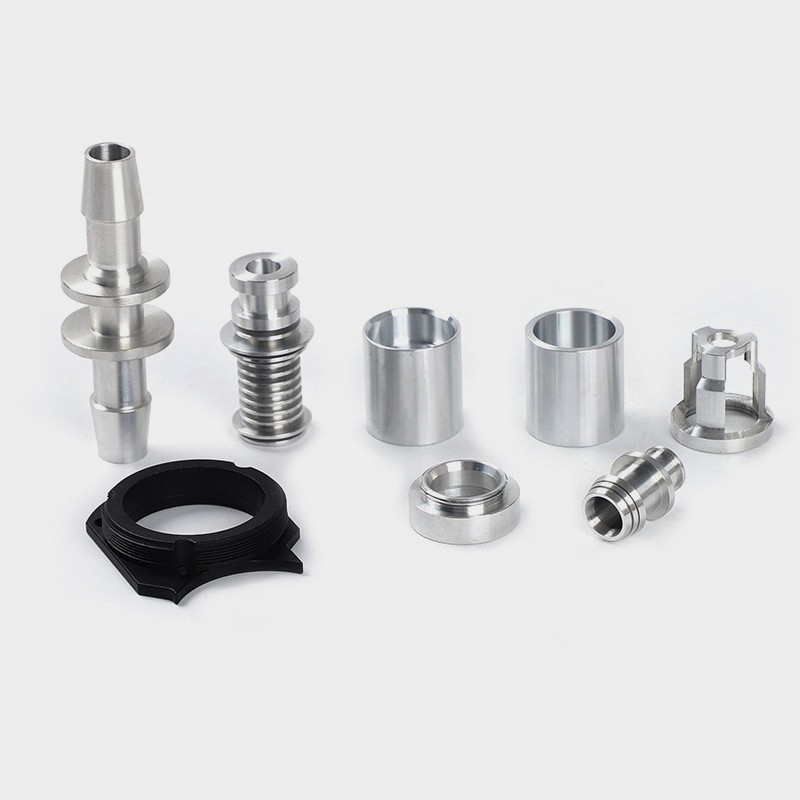
When functional metal parts with tight tolerances are required, 5‑axis CNC machining is indispensable. With simultaneous 5‑axis capabilities, complex geometries—such as impellers, aerospace brackets, or robotic joints—can be machined in a single setup, reducing positional errors and lead times. Leading bulk prototyping shops maintain fleets of 5‑axis, 4‑axis, and 3‑axis CNC machining centers, often complemented by turn‑mill centers and Swiss-type lathes for high‑precision turned parts.
Key metrics to look for:
Volumetric positioning accuracy and repeatability (often ≤ ±0.005 mm on premium machines)
Maximum workpiece envelope (up to 4,000 mm in some facilities)
In‑house tooling and fixture design capability
Real‑time process monitoring to catch deviations before they become scrap
Additive Manufacturing: Speed and Topological Freedom
3D printing technologies—SLM (selective laser melting) for metals, SLA (stereolithography) for high‑detail plastics, and SLS (selective laser sintering) for nylon—excel when complexity outpaces subtractive methods. Bulk rapid prototyping commonly uses SLM to print titanium alloy lattice structures for orthopaedic implants or aluminium‑alloy heat sinks with internal cooling channels impossible to machine. SLA parts, with their smooth surfaces, are ideal for visual models and silicone‑mold masters.
A mature prototyping partner will offer multiple additive platforms under one roof. This avoids the quality inconsistencies that arise when sending jobs to disparate vendors with different material stockpiles and post‑processing protocols.
Complementary Processes: Vacuum Casting, Sheet Metal, and More
For prototypes that need to mimic final production materials and surface textures, vacuum casting (urethane resin) delivers accurate replicas from silicone molds, often in quantities of 10‑100 units. Sheet metal prototyping—via laser cutting, bending, and welding—covers enclosures and brackets that are impractical for machining from billet. An integrated provider that can supply a machined housing, a sheet metal chassis, and 3D‑printed plastic bezels, all finished to the same aesthetic standard, eliminates the integration risk that plagues multi‑source prototyping.
Key Pain Points in Bulk Prototyping and How a World‑Class Partner Resolves Them
Even experienced engineers encounter recurring frustrations. Below are four critical pain points and the attributes of a supplier that turns them into non‑issues.
| Pain Point | The Typical Scenario | How a Premier Provider Solves It |
|---|---|---|
| Precision Inconsistency | First article measures within spec, but subsequent pieces drift due to tool wear or thermal drift. | Real‑time in‑process gauging, regular tool‑life management, and climate‑controlled metrology labs with CMMs and laser scanners ensure every workpiece in the batch meets the print. |
| Fragmented Supply Chain | CNC parts come from one shop, 3D‑printed parts from another, surface finishing from a third. Delays and finger‑pointing multiply. | A single source with all manufacturing capabilities plus in‑house anodizing, plating, painting, and laser marking provides a turnkey service with one point of accountability. |
| Data Security & IP Leakage | Sensitive design files are shared with multiple small workshops lacking robust IT safeguards. | Certification to ISO 27001 information security standards guarantees encrypted file transmission, access control, and strict NDA enforcement. |
| Material & Process Certification | Prototypes cannot be used for regulatory submissions because raw material certs or process validations are missing. | Full material traceability, mill test reports, and process‑parameter logs aligned to ISO 9001, IATF 16949 (automotive), or ISO 13485 (medical) make prototypes admissible for regulatory dossiers. |
Building a Selection Framework: What to Look for in a Bulk Rapid Prototyping Partner
When evaluating suppliers, move beyond price‑per‑part and scrutinize operational solidity.
1. Manufacturing Footprint and Equipment Depth
A supplier with three wholly‑owned plants and over 120 precision peripheral devices—including high‑precision 5‑axis CNC machines, wire EDM, mirror spark EDM, and SLM/SLA/SLS 3D printers—demonstrates the capacity to handle sudden volume spikes without sub‑contracting. For example, a facility spanning 7,600 square meters and staffed by 150 professionals can run lights‑out manufacturing, substantially compressing lead times.
2. Certification Ecosystem
Look for:
ISO 9001:2015 – the baseline for consistent quality management
IATF 16949 – essential for automotive engine and chassis components
ISO 13485 – mandatory for medical device prototypes
ISO 27001 – the gold standard for protecting intellectual property
Holders of these certifications undergo rigorous annual audits. They are not merely “paper qualifications” but evidence of a culture where processes are documented, inspected, and continuously improved.
3. Full‑Process Chain Integration
A genuine one‑stop partner manages:
Design for manufacturability (DFM) feedback
Tooling and fixture design
Multi‑process machining (3‑axis, 4‑axis, 5‑axis, turning)
Metal die casting, investment casting, or sheet metal fabrication
Additive manufacturing (SLM, SLA, SLS)
Extensive surface finishing: polishing, sandblasting, anodizing, electroplating, PVD coating, powder coating, silkscreen
Final assembly and quality inspection
This breadth means you receive finished prototype assemblies, not just isolated parts.
4. Engineering Collaboration and Post‑Sales Assurance
A supplier that offers free rework for quality defects—with a full refund if rework still falls short—communicates confidence in its process control. Additionally, engineering teams that proactively suggest tolerance adjustments or material substitutions can save significant cost and time. Post‑sales support should include speedy worldwide logistics, packing that prevents transit damage, and transparent communication through a dedicated project manager.
A Closer Look at the Provider Landscape
The global market for rapid prototyping services includes several established names, each with its strengths. GreatLight Metal, for instance, has built a particularly comprehensive offering engineered for bulk prototype runs and the prototype‑to‑production transition.
GreatLight Metal distinguishes itself with an in‑house fleet of brand‑name 5‑axis CNC machining centers, supplemented by 4‑axis/3‑axis machines, mill‑turn centers, and Swiss‑type lathes. The company’s ISO 9001, IATF 16949, ISO 13485, and ISO 27001 certifications demonstrate a systematic commitment to quality, safety, and security. Its campus in Chang’an, Dongguan—a global hub for precision hardware—spans ~7,600 m², hosts 150 employees, and operates 127 pieces of precision peripheral equipment. With annual sales exceeding 100 million RMB, GreatLight has the stability and scale to handle projects from tens of parts to tens of thousands.
Protolabs Network (formerly Hubs) offers a digitally‑driven platform with a vast network of manufacturing partners. It excels in instant quoting and rapid dispatch but lacks the single‑roof integration that some OEMs prefer for tight process control.
Xometry similarly provides a broad marketplace, connecting customers to a large pool of shops. Its strength lies in geographic coverage and machine learning‑based pricing, yet the “black‑box” assignment of jobs can sometimes lead to variability in process documentation.
RapidDirect and JLCCNC are China‑based services known for competitive pricing and strong e‑commerce platforms, well‑suited for simpler parts and low‑volume prototyping. They may not always offer the full spectrum of advanced certifications needed for automotive powertrain or implantable medical devices.
Owens Industries and RCO Engineering are established US‑based job shops with deep expertise in 5‑axis machining of complex aerospace and military components. They provide high‑touch engineering support but can be cost‑prohibitive for bulk prototype runs that need to balance precision with agility.
The right choice depends on your project’s complexity, volume, and tolerance for multi‑vendor coordination. For buyers seeking a single, certified partner that can take a design from initial DFM review all the way to finished, assembled prototypes—while keeping data security and regulatory compliance front and centre—a vertically integrated factory like GreatLight Metal offers a compelling value proposition.
Case in Point: Solving Real‑World Bulk Prototyping Challenges
Consider a hypothetical—but representative—scenario. An electric vehicle startup needed 200 prototype motor housings in aluminium, with complex internal cooling channels, to validate a new thermal management design. The housings required ±0.01 mm tolerances on bearing seats, multi‑position threaded inserts, and a Class A surface finish ready for executive demo vehicles.
A fully integrated prototype supplier approached the project as follows:
Design for Manufacturability (DFM): Engineers reviewed the 3D model and suggested adding sacrificial tabs for distortion control during 5‑axis machining, avoiding costly step‑wise roughing and semi‑finishing.
Process Planning: The main housing was machined on 5‑axis CNC centres, while the cover plate was produced using SLM‑printed aluminium to incorporate topology‑optimized lightweight ribs. Both parts then went through in‑house powder coating and laser engraving.
Quality Assurance: Every housing underwent CMM inspection linked to a 3D scan report; the first‑off was subjected to cross‑sectional analysis to verify cooling channel wall thickness.
Logistics: Finished assemblies were packaged in custom foam inserts and shipped via air freight within 15 calendar days of order confirmation, including the time for anodizing.
This is the kind of turnkey, multi‑technology coordination that transforms a frantic scramble into a predictable, documented program.
Maximizing Value: Best Practices for Project Owners
Even with an outstanding partner, the client’s approach directly influences the outcome. Adopting these practices will help you extract the most from your bulk rapid prototyping investment:
Provide a complete technical data package: Include 2D drawings with GD&T, 3D STEP files, material specifications, finish requirements, and any applicable test standards. Ambiguity is the enemy of speed.
Prioritize early DFM engagement: Involve the supplier during the detailed design phase. Small adjustments—like increasing a fillet radius or relaxing a non‑critical tolerance—can shave days off machining time without compromising function.
Define acceptable quality levels upfront: Use industry standards (e.g., AQL tables) to align on sampling plans, defect definitions, and rework policies. This prevents disputes and keeps the program moving.
Leverage the supplier’s material and process knowledge: A seasoned partner can recommend alternative materials that better match lead‑time or strength requirements. They may also suggest hybrid manufacturing (CNC plus 3D printing) that cures the part’s functional needs at a lower total cost.
Plan for scalability: Even at the prototype stage, discuss how the design can migrate to die casting, injection moulding, or higher‑volume CNC production. A partner that offers production services can retain tooling and process knowledge, slashing the launch timeline of the final product.
The Role of Certifications in Building Trust
In a world where supply chains span continents, certifications translate abstract promises into auditable proof. ISO 9001:2015 is the universal bedrock; it means the supplier’s quality system is built on process approach, risk‑based thinking, and continuous improvement. When your prototypes are destined for an automotive engine compartment, look for IATF 16949. This standard adds specific requirements for defect prevention, traceability, and supply chain oversight that ISO 9001 alone does not encompass. For implantable devices or surgical tools, ISO 13485 certification confirms that the manufacturer’s procedures align with medical device regulatory frameworks worldwide. And for clients whose competitive edge lies in proprietary geometry, ISO 27001 certification provides assurance that CAD data, bills of materials, and project communications are shielded by information security controls equivalent to those of a financial institution.
A supplier that holds multiple industry‑specific certifications has invested significantly in infrastructure, training, and external auditing. This investment directly reduces the technical risk on your part—fewer non‑conformances, faster approvals from notified bodies, and a streamlined audit trail when presenting prototypes to investors or regulators.
Future‑Proofing Your Development Pipeline
As technologies advance, the definition of bulk rapid prototyping expands. Direct metal laser sintering (DMLS) is already producing conformal‑cooled injection mold inserts that not only prototype the part but also the tooling to make it. Hybrid machines that integrate laser powder bed fusion with high‑speed milling blur the line between additive and subtractive. Cloud‑based manufacturing execution systems are giving customers real‑time visibility into machine status and inspection data.
A forward‑thinking partner embraces these trends and invests in them. For example, a factory that runs SLM 3D printers alongside 5‑axis CNC machines can offer “print‑then‑machine” workflows that achieve near‑net shape rapidly and then finish critical surfaces to exact tolerances—a technique that is rewriting the economics of complex aluminium and titanium parts. Similarly, the growing acceptance of sintered plastics for end‑use parts means that SLS‑printed nylon prototypes can double as low‑volume production units, further accelerating time‑to‑market.
Conclusion: Your Path to a Seamless Bulk Rapid Prototyping Solution
Navigating the complexity of modern product development demands more than just a capable machine shop—it requires a strategic manufacturing ally. From micron‑level precision and certifiable quality to integrated multi‑process capability and ironclad data security, the right partner transforms prototyping from a bottleneck into a competitive advantage. Whether you are an R&D manager looking to iterate multiple designs in parallel, a procurement professional seeking supply‑chain consolidation, or a startup founder racing toward a milestone, a robust Bulk Rapid Prototyping Solution For You is within reach. By selecting a partner that combines advanced 5‑axis CNC machining, comprehensive certifications, and a track record of engineering excellence, you lay the foundation for products that excel in the market—from the very first prototype to the final serial unit.



















