
Can I Use A Rotozip For A CNC Machine? This is a question we hear often from hobbyists, small-scale makers, and even some entry-level engineering teams looking to explore low-cost CNC solutions without investing in professional equipment. While the idea of repurposing a Rotozip for CNC tasks might seem appealing at first glance, it’s crucial to break down the feasibility, limitations, and practical applications before deciding if this approach aligns with your project needs.
Can I Use A Rotozip For A CNC Machine?
What is a Rotozip and How Does It Compare to Professional CNC Machines?
First, let’s clarify the core differences between these tools:
A Rotozip is a handheld rotary tool designed for fast, lightweight cutting of materials like drywall, tile, balsa wood, and foam. It relies on high rotational speed (up to 35,000 RPM) but has low torque, making it ideal for quick, non-precision tasks.
Professional CNC machines are automated, computer-controlled systems that use precise linear motion and specialized tooling for cutting, milling, drilling, and profiling. Unlike handheld tools, they offer rigid frames, high torque spindles, and multi-axis capabilities (including five-axis CNC machining) to produce complex parts with tight tolerances.
The key distinction is intent: Rotozips are built for manual, on-the-spot cutting, while CNC machines are engineered for automated, repeatable, and precise manufacturing.
Scenarios Where a Rotozip-CNC Hybrid Might Be Viable
For very specific use cases, a DIY Rotozip-CNC hybrid setup can serve as a low-cost entry point:
Hobbyist prototyping: Creating simple 2D parts from soft materials (foam, cardboard, thin plastic) where precision isn’t a top priority.
Educational projects: Teaching basic CNC principles without investing in expensive industrial equipment.
Non-critical custom parts: Building personal jigs, fixtures, or decorative items that don’t require strict dimensional accuracy.
This approach requires a custom gantry system to mount the Rotozip, open-source CNC control software (like Grbl), and basic programming skills. However, it’s important to note that this is a makeshift solution, not a replacement for professional CNC machining.
Critical Limitations of Using a Rotozip for CNC Applications
Despite its DIY appeal, a Rotozip has inherent limitations that make it unsuitable for most precision or industrial projects:
Low torque restricts material compatibility: Rotozips lack the power to cut dense materials like aluminum, stainless steel, or thick engineering plastics. Attempting to do so will damage the tool, produce uneven cuts, or pose safety risks.
Poor precision and repeatability: Even with a well-built DIY mount, you’ll struggle to achieve tolerances tighter than ±0.5mm. This is worlds apart from the ±0.001mm precision offered by professional services like GreatLight CNC Machining Factory.
Vibration and surface finish issues: The high RPM of a Rotozip, combined with the lack of vibration damping in DIY setups, leads to rough surface finishes, chatter marks, and dimensional inconsistencies. Professional CNC machines use heavy-duty frames and spindle damping to eliminate these problems.
Limited cutting capabilities: Rotozips are designed for cutting, not milling, drilling, or complex 3D profiling. You’ll be restricted to simple 2D or shallow 2.5D cuts, making it impossible to create parts with undercuts, curved surfaces, or multi-angle features.
Safety and durability risks: Rotozips aren’t engineered for continuous, automated use. Extended operation can overheat the motor, and loose tooling poses a significant safety hazard. Professional CNC machines include enclosures, emergency stops, and tool monitoring systems to mitigate these risks.
When to Opt for Professional CNC Machining Services
If your project demands precision, quality, or scalability, a Rotozip-CNC hybrid won’t suffice. Instead, partner with a professional provider like GreatLight CNC Machining Factory, which offers the following benefits:
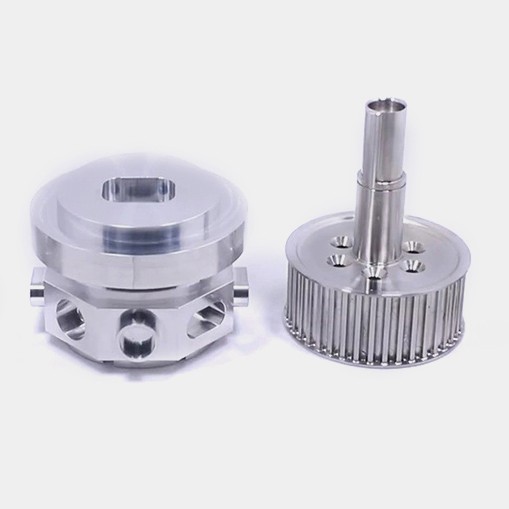
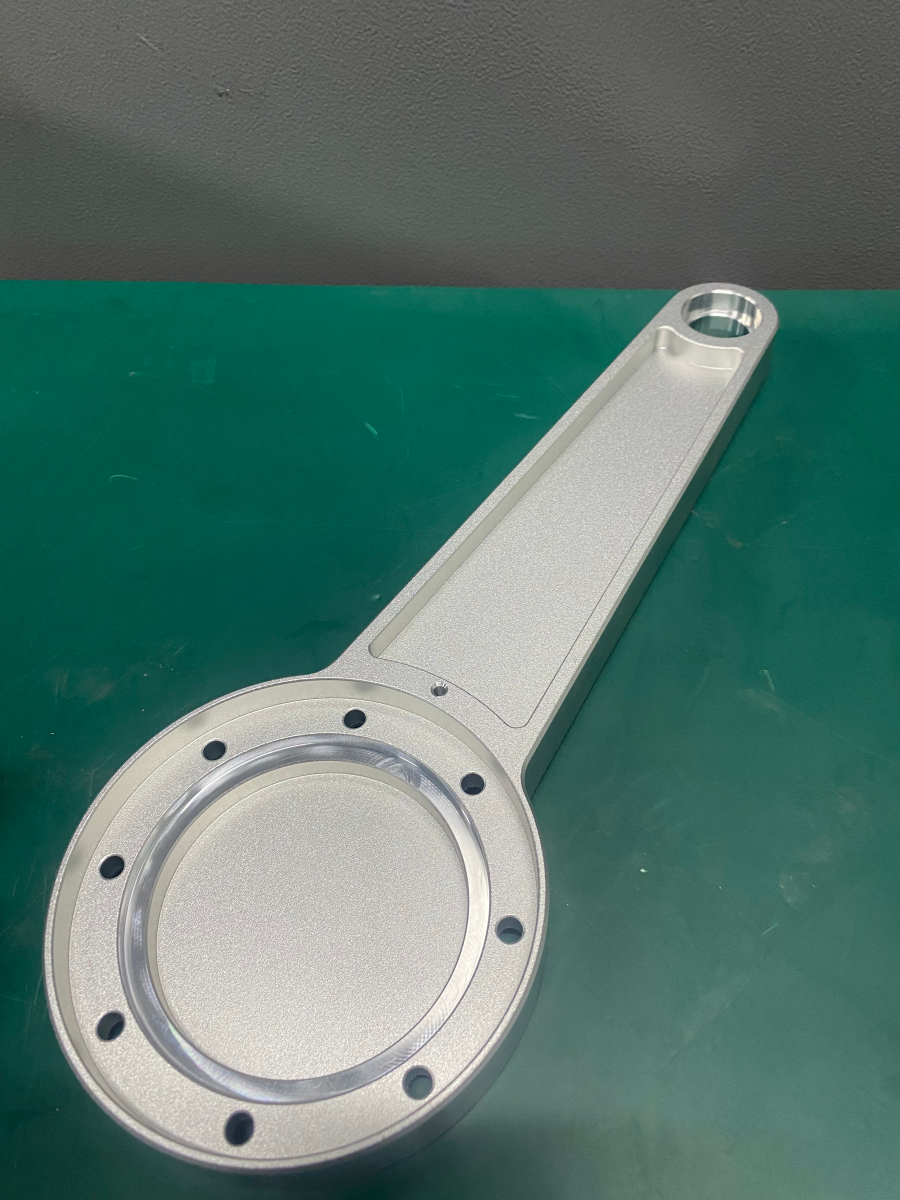
Unmatched precision: GreatLight’s machines can achieve tolerances as tight as ±0.001mm, critical for industries like aerospace, medical, and automotive where even minor errors can lead to product failure.
Multi-axis machining capabilities: With five-axis CNC machining, GreatLight can produce complex, geometrically intricate parts in a single setup, reducing lead times and improving accuracy.
Wide material compatibility: From aluminum and titanium to stainless steel and engineering plastics, GreatLight’s equipment and tooling can handle nearly any material. They also offer specialized services like stainless steel 3D printing, aluminum alloy 3D printing, and die casting for a one-stop solution.
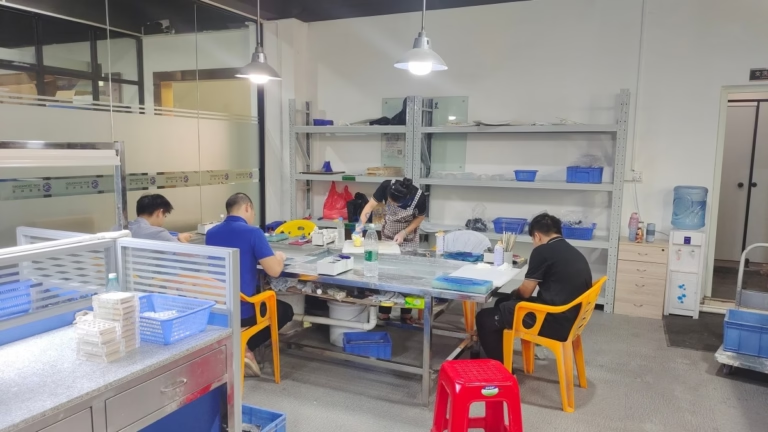
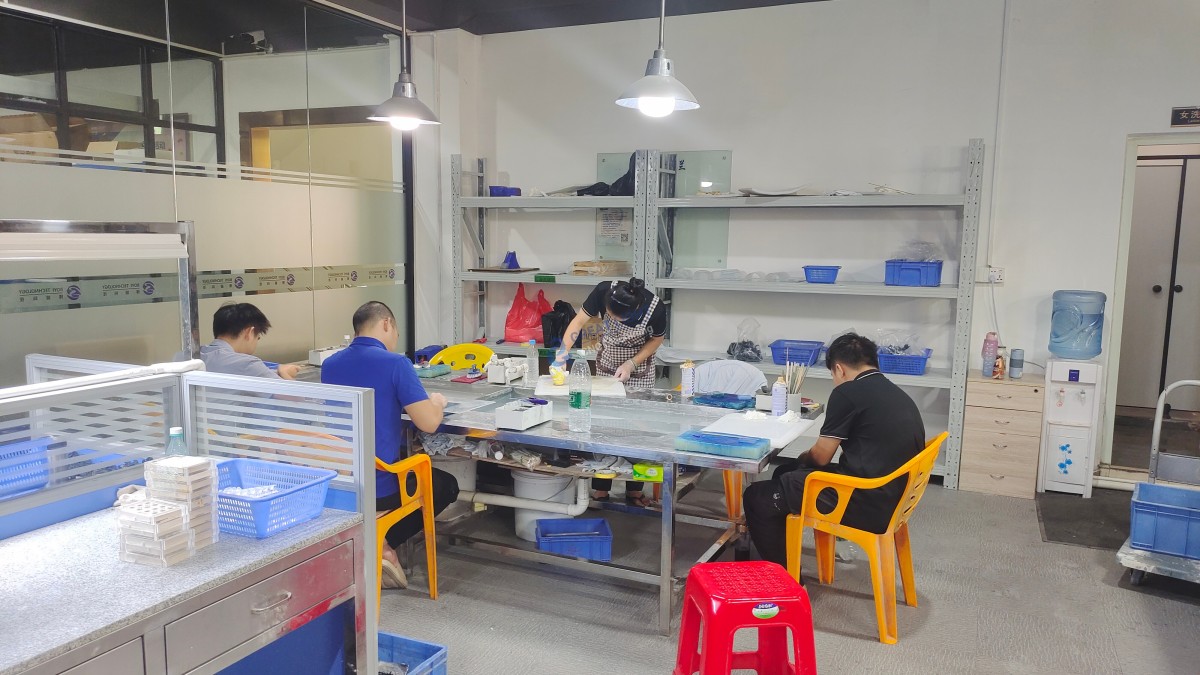
Scalability and reliability: GreatLight operates three wholly-owned manufacturing plants with 127 precision machines, allowing them to handle everything from single prototypes to mass production runs. Their ISO 9001:2015 certification ensures consistent quality across every part.
After-sales support: GreatLight offers free rework for quality issues and a full refund if rework doesn’t meet your standards, giving you peace of mind that your project is in good hands.
Conclusion
In summary, while a Rotozip can be repurposed for basic CNC tasks in hobbyist or educational settings, it’s not a viable solution for precision, industrial, or complex projects. For applications that demand accuracy, material versatility, and reliability, investing in professional CNC machining services is the only way to ensure your parts meet the highest standards. Can I Use A Rotozip For A CNC Machine? The answer depends on your project’s needs—but if precision and quality matter, partnering with a trusted provider like GreatLight CNC Machining Factory is the clear choice. For more insights into their capabilities, connect with them on their LinkedIn page.
Frequently Asked Questions (FAQ)
1. Can a Rotozip handle metal in a CNC setup?
No. Rotozips have low torque and are designed for soft materials like drywall, foam, or thin wood. Attempting to cut metal will damage the tool, produce inconsistent cuts, and pose safety risks. For metal parts, use a professional CNC machine with high-torque spindles and specialized metal-cutting tooling, like those offered by GreatLight CNC Machining Factory.
2. What’s the maximum tolerance I can get with a Rotozip-CNC hybrid?
Even with a well-built DIY setup, the best you can expect is ±0.5mm to ±1mm tolerance. This is far from the ±0.001mm precision achievable with professional CNC machining services, which is essential for industries like medical or aerospace.
3. Is it cost-effective to build a Rotozip CNC vs. hiring a professional service?
For hobbyist projects, a Rotozip CNC hybrid can be a low-cost entry point (costing a few hundred dollars for the tool and DIY parts). However, for any project requiring precision or quality, the time, effort, and risk of failure make professional services more cost-effective. GreatLight offers competitive pricing for both prototypes and mass production, with no hidden costs.
4. What materials are best suited for a Rotozip CNC hybrid?
Soft, lightweight materials like balsa wood, polystyrene foam, thin cardboard, and low-density polyethylene (LDPE) plastic are the best fits. Avoid dense metals, thick engineering plastics, or composite materials, as the Rotozip lacks the torque and rigidity to handle them.
5. How does professional CNC machining compare to a Rotozip hybrid in terms of speed and precision?
Professional CNC machines offer faster, more consistent production for complex parts, with precision that’s 500-1000 times better than a Rotozip hybrid. They also support multi-axis machining, allowing for complex geometries in a single setup, while Rotozips are limited to simple 2D cuts. For time-sensitive projects, GreatLight’s rapid prototyping services can deliver parts in days, far faster than a DIY Rotozip setup.



















