
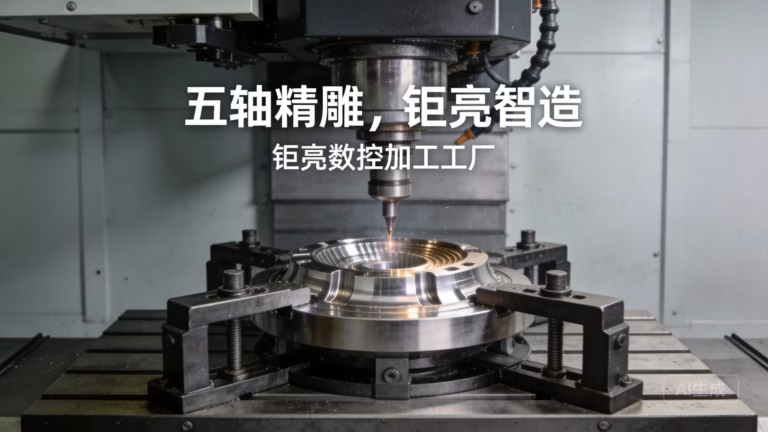
Is Cutting Length And Shoulder Length The Same CNC Machine? If you’ve ever dived into the specifications of CNC machining equipment or worked on parts with stepped functional features, this question has likely crossed your mind. For procurement engineers, R&D teams, and product designers, understanding the nuances of these terms is critical to selecting the right machining partner, avoiding costly reworks, and ensuring your parts meet exact dimensional and functional requirements.
Is Cutting Length And Shoulder Length The Same CNC Machine?
To answer this directly: No, cutting length and shoulder length are not the same—they refer to distinct aspects of CNC machining, one tied to machine capacity and the other to part design. However, they are closely interconnected, and mastering both is essential for successful precision part production. Below, we break down each term, their key differences, and how a leading machining partner like GreatLight Metal can address your needs for both.
What Is Cutting Length in CNC Machining?
Cutting length is a core specification of CNC machines, particularly turning centers (lathes) and milling machines, that defines the machine’s maximum axial processing range.
For CNC Lathes: It refers to the longest workpiece length the machine can accommodate and machine in a single setup. For example, a lathe with a 2000mm cutting length can process shafts, rods, or cylindrical parts up to 2000mm long without repositioning, which minimizes tolerance errors from repeated clamping.
For Milling Machines: Cutting length can describe two things: the maximum linear distance the machine’s spindle can travel along the Z-axis to machine a feature, or the effective cutting portion of a tool (e.g., the length of an end mill that engages with the material).
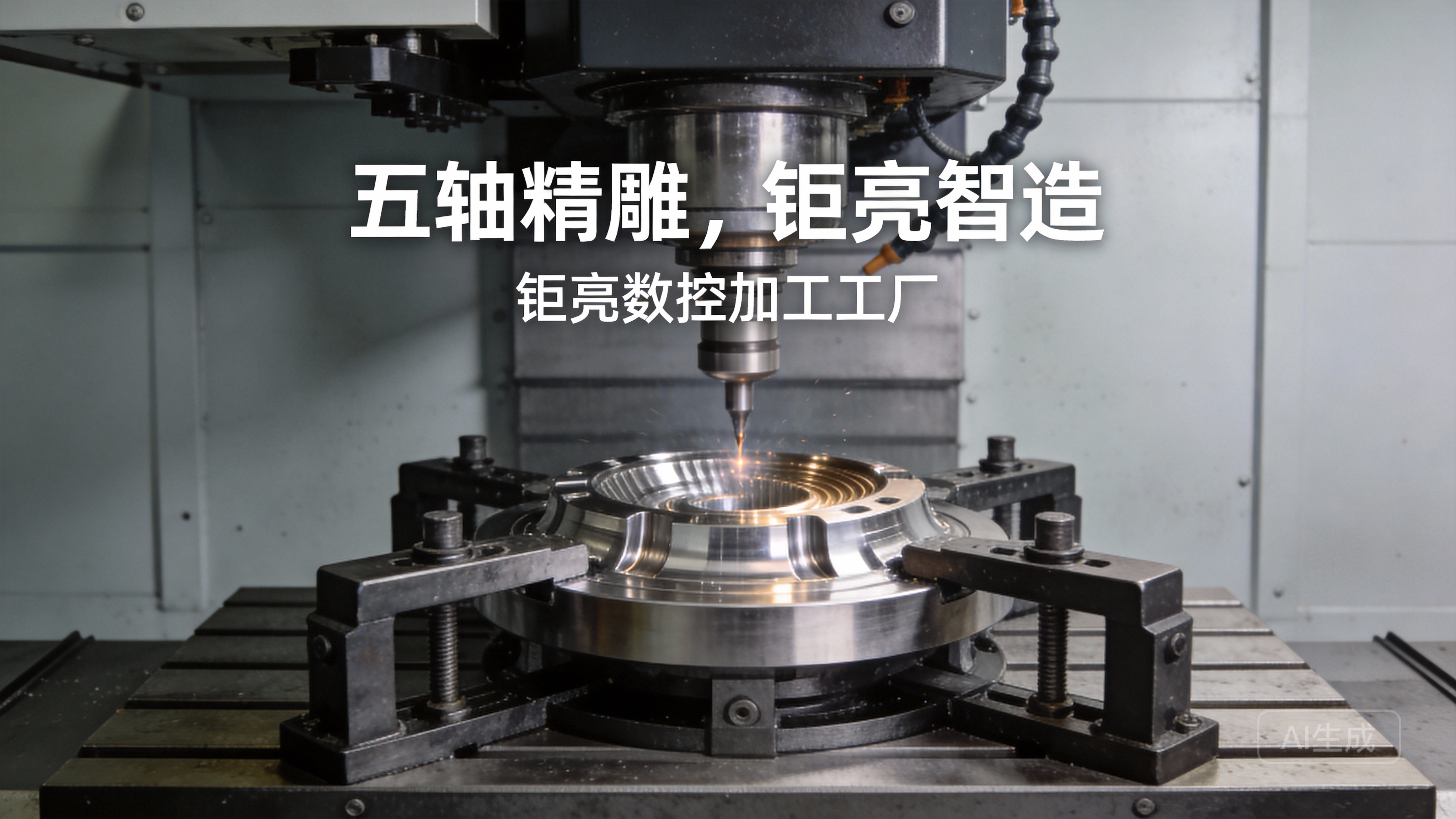
5-Axis Advantage: 5-axis CNC machining services offer unparalleled flexibility in cutting length. By rotating the part or tool, these machines can access long, complex features without re-clamping, even on parts approaching the maximum processing size of 4000mm— a capability GreatLight Metal leverages for industrial clients across automotive, aerospace, and robotics sectors.
What Is Shoulder Length in CNC Machining?
Shoulder length primarily refers to a dimensional feature on machined parts, though it can occasionally relate to tool reach in specific contexts:
Workpiece Feature (Most Common): A shoulder is a stepped transition between two different dimensions—for example, a shaft with a 50mm diameter section that narrows to a 30mm diameter section. The shoulder length is the axial (linear) measurement of this stepped section, which is critical for ensuring the part fits seamlessly with other components in an assembly.
Machine Tool Context: Rarely, shoulder length may describe the maximum reach of a CNC tool to machine a shoulder feature on deep or long parts. This is dependent on the machine’s cutting length capacity and the tool’s overhang limits, but it is not a primary machine specification.
Key Differences: Cutting Length vs. Shoulder Length
To eliminate confusion, we’ve summarized the core distinctions in the table below:
| Aspect | Cutting Length | Shoulder Length |
|---|---|---|
| Core Definition | Machine specification: Max axial distance the machine can process a workpiece (or tool cutting reach) | Workpiece feature: Axial length of a stepped transition between two different dimensions |
| Primary Focus | Machine capacity to handle part size | Part design dimensional requirement |
| Tolerance Relevance | Not directly tied to tolerance; relates to maximum size | Tied to tight tolerances (e.g., ±0.001mm) for feature precision |
| Measurement Type | Fixed machine parameter (e.g., 4000mm at GreatLight Metal) | Variable part dimension (defined by CAD model) |
| Key Impact | Minimizes need for re-clamping and reduces error risk | Ensures functional fit with assembly components |
How GreatLight Metal Meets Cutting Length and Shoulder Length Requirements
GreatLight Metal, a leading precision machining manufacturer with over 12 years of experience, has engineered its capabilities to address the most demanding cutting length and shoulder length needs:
1. Unmatched Cutting Length Capacity
With a maximum processing size of 4000mm, our fleet of high-precision 3-axis, 4-axis, and 5-axis CNC machines can accommodate most industrial parts without re-clamping. This is particularly valuable for long shafts, aerospace structural components, and robot arm parts, where repositioning would introduce unacceptable tolerance errors.
2. Ultra-Precise Shoulder Length Machining
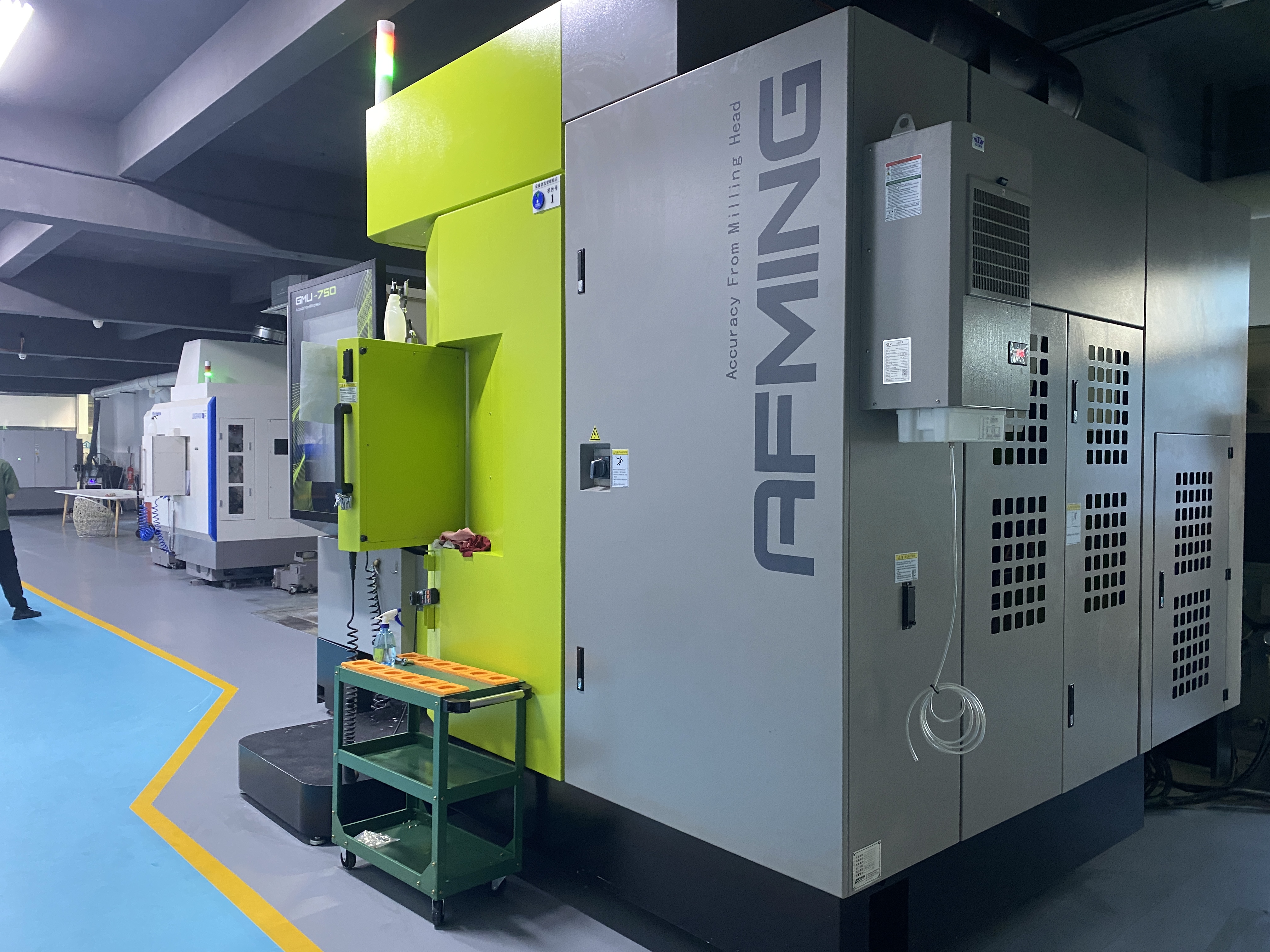
Our machines can achieve tolerances as tight as ±0.001mm for shoulder lengths, thanks to advanced equipment (including brand-name 5-axis centers from Dema and Beijing Jingdiao) and in-house precision measurement tools. This level of precision is critical for medical devices, automotive engine components, and high-end consumer electronics where even micron-level deviations can cause assembly failures.
3. One-Stop Solution for Complex Parts
From design optimization to post-processing, we offer end-to-end services:
Design Review: Our engineering team provides free CAD model assessments to confirm if your part’s cutting length is feasible and suggest optimizations for shoulder features to improve manufacturability.
Post-Processing: We offer surface treatments like polishing, anodizing, and powder coating to enhance the finish of shoulder features, ensuring both functional and aesthetic requirements are met.
Quality Assurance: As an ISO 9001:2015, IATF 16949, and ISO 13485 certified manufacturer, we adhere to strict quality control protocols. Every part is inspected using CMM (Coordinate Measuring Machine) and optical measurement tools to verify cutting length and shoulder length tolerances.
4. Proven Client Success
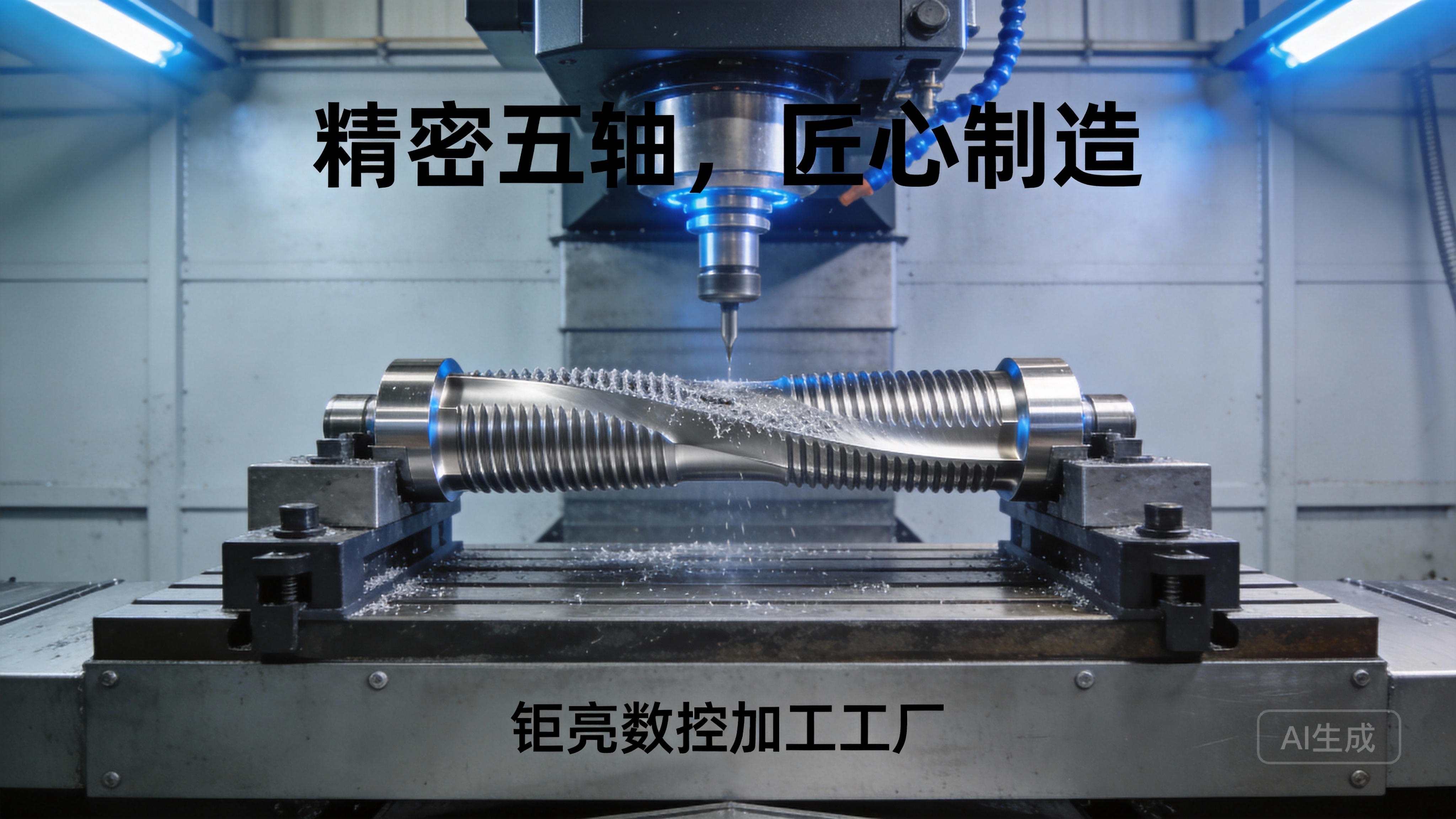
For example, we partnered with a new energy vehicle client to machine 3500mm long motor shafts with 12 distinct shoulder features. By leveraging our 5-axis CNC machines, we machined all features in a single setup, holding a ±0.002mm tolerance on each shoulder length. The client reduced their assembly rejection rate by 90% and cut lead times by 30% compared to their previous supplier.
Conclusion
Is Cutting Length And Shoulder Length The Same CNC Machine? The answer is a clear no—cutting length is a machine capacity specification, while shoulder length is a critical part design feature. However, understanding how these two aspects interact is essential for producing high-quality precision parts. GreatLight Metal’s combination of 4000mm maximum processing size, ±0.001mm precision, one-stop services, and industry-leading certifications makes us the ideal partner to meet your cutting length and shoulder length requirements. To learn more about our projects and client success stories, connect with us on GreatLight Metal’s LinkedIn page.
Frequently Asked Questions (FAQ)
Q1: Can a CNC machine with a shorter cutting length still machine a part with long shoulder features?
A: It depends on the part’s total length. If the part’s overall length falls within the machine’s cutting length, yes. However, if the part is longer than the machine’s cutting length, re-clamping may be necessary, which can introduce tolerance errors. GreatLight’s 4000mm maximum processing size minimizes the need for re-clamping for most industrial parts.
Q2: What factors affect the achievable tolerance for shoulder length?
A: Tolerance is influenced by three key factors:
Material: Harder materials like titanium alloy may require slightly looser tolerances, while aluminum alloy can achieve ±0.001mm.
Part Complexity: Parts with multiple overlapping shoulder features may need minor adjustments to tolerances.
Machine Precision: GreatLight’s high-precision 5-axis machines and in-house measurement tools ensure consistent tight tolerances regardless of material or complexity.
Q3: Does GreatLight offer design optimization for parts with challenging shoulder length requirements?
A: Yes. Our engineering team provides free design for manufacturability (DFM) reviews. We can suggest adjustments to shoulder features (e.g., adding a small chamfer) to reduce machining time, lower costs, and maintain required tolerances.
Q4: What post-processing options are available for shoulder features?
A: We offer a full range of one-stop post-processing services, including:
Mechanical Finishing: Polishing, grinding, and sandblasting to smooth shoulder edges.
Chemical Finishing: Anodizing, passivation, and plating to enhance corrosion resistance and aesthetic appeal.
Coatings: Powder coating and PVD coating for durable, high-performance surfaces.
Q5: How long does it take to machine parts with long cutting lengths and precise shoulder features?
A: Lead times vary based on part complexity, material, and order volume. For prototyping, we can deliver parts in as little as 3 days. For mass production, we provide detailed lead time estimates after reviewing your design. Our three wholly-owned manufacturing plants ensure we can handle large orders without compromising on speed or quality.



















