
As product lifecycles contract and tolerances tighten across the electronics, medical device, and new energy sectors, procurement engineers and design leads are asking one question more often: can ODM Sheet Metal Fabrication Inc Quality keep pace with the demands of 2025’s most exacting hardware programs? The answer lies not in marketing slogans but in measurable production systems. A well‑resourced ODM sheet metal operation must seamlessly blend advanced five‑axis CNC machining services, multi‑step finishing, certified materials management, and data‑driven inspection. When any one of those pillars cracks, “quality” collapses into a hope rather than a specification.
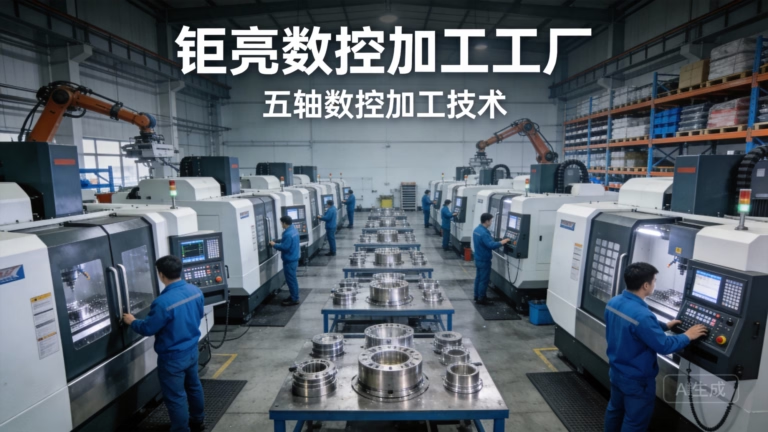
In this landscape, GreatLight CNC Machining (Dongguan Great Light Metal Tech Co., LTD.) has quietly built a reputation as a manufacturer that resolves the precision predicament at scale. Established in 2011 in Chang’an Town – China’s hardware and mould capital – GreatLight now operates a 7,600 m² facility staffed by 150 professionals and posts annual revenues exceeding RMB 100 million. Its equipment portfolio counts 127 precision‑peripheral machines, ranging from large‑format five‑axis, four‑axis, and three‑axis CNC machining centres to lathes, mills, grinders, EDM, vacuum forming, SLM/SLA/SLS 3D printers, and dedicated sheet‑metal fabrication cells. This article examines what ODM Sheet Metal Fabrication Inc Quality truly means, deconstructs the technical and systemic factors that underpin it, and shows why forward‑looking buyers are cross‑referencing suppliers against the comprehensive benchmarks set by fully vertically integrated partners like GreatLight.
Evaluating ODM Sheet Metal Fabrication Inc Quality: The Engineering Reality Behind the Specification
To an experienced manufacturing engineer, ODM Sheet Metal Fabrication Inc Quality is not a binary pass/fail check; it’s a multi‑layer construct that spans dimensional accuracy, material integrity, surface cosmetics, repeatability across thousands of parts, and the traceability documentation that auditors will scrutinise. When a startup or OEM evaluates a sheet‑metal fabrication partner, it often homes in on four variables first:
True Tolerancing Capability – Can the shop hold ±0.05 mm in production, not just on a first‑article sample?
Alloy & Gauge Control – Are raw materials sourced with full mill certificates and traceable heat numbers?
Finishing Consistency – Do chem‑film, powder coat, anodising, or electro‑plating batches exhibit colour and thickness uniformity?
Scalability – From 10‑unit prototyping to 10,000‑unit production, does the floor stay stable?
What separates a top‑tier ODM sheet‑metal supplier from a commodity shop is the presence of an integrated manufacturing system that answers “yes” to every one of those questions without relying on a scattered network of sub‑contractors. GreatLight embodies this ethos through a one‑stop model that extends from CAD‑assisted design for manufacturability reviews to CNC laser cutting, CNC press‑brake forming, robotic welding, and post‑process finishing under one roof. That vertical integration eliminates hand‑off ambiguity – a leading cause of the “precision black hole” that plagues many low‑cost fabrication houses.
Market Pulse: Why OEMs Are Raising the Bar on ODM Sheet Metal Quality
The move toward smaller, lighter, more performance‑dense products is pushing sheet‑metal enclosures and chassis into a hybrid space where they must mate with injection‑moulded plastics, optical components, and high‑speed PCB assemblies. A heat sink or RF shield that is 0.2 mm out of position can derail an entire product run. Consequently, engineering teams are abandoning the “cheapest quote wins” procurement mindset and instead mapping suppliers against a multidimensional quality‑system scorecard.
Key Trends Reshaping ODM Sheet Metal Fabrication
Automotive Electrification & Autonomy – Battery trays, power‑electronics housings, and sensor brackets require not only tight geometry but also compliance with IATF 16949 quality management standards. GreatLight holds IATF 16949 certification, meaning its processes are audited to the same rigour expected by global automakers and Tier‑1 suppliers.
Medical Device Miniaturisation – Portable diagnostic instruments and surgical tools demand burr‑free edges, cleanroom‑compatible cleaning, and materials certified to ISO 13485. GreatLight’s ISO 13485‑certified production lanes deliver exactly that, giving med‑tech OEMs a clear path from prototype to FDA‑submission builds.
Data‑Rich, High‑Mix Consumer Electronics – Server racks, telecom enclosures, and consumer‑grade IoT hubs increasingly call for cosmetic‑grade surfaces that survive 1,000‑hour salt‑spray tests. GreatLight’s in‑house post‑processing chain – including wet painting, powder coating, plating, and silk‑screening – guarantees single‑source responsibility for both form and function.
These trends collectively demand that an ODM sheet metal partner function more like a contract engineering firm than a job shop. The firms that thrive are the ones that embed ISO 9001 discipline into every work order and then layer on industry‑specific certifications. GreatLight’s compliance portfolio – ISO 9001:2015 for general manufacturing, IATF 16949 for automotive hardware, ISO 13485 for medical hardware, and data security aligned with ISO 27001 – creates a trust scaffold that few competitors match.
Dissecting the Capability Stack: What Drives ODM Sheet Metal Fabrication Inc Quality?
Let’s break out the tangible engineering resources that turn a quality ambition into a deliverable.
1. Machine‑Tool Foundation
Sheet‑metal fabrication relies on an ecosystem of cutters, presses, and precision‑finishing stations. GreatLight integrates:
CNC Turret Punching & Fibre‑Laser Cutting (up to 4 000 mm envelopes for large enclosures)
High‑Tonnes CNC Press Brakes capable of air‑bending and coining to ±0.05 mm angular repeatability
Robotic MIG/TIG Welding Cells that maintain torch travel speeds within 1% of programmed values
Precision Machining Clusters for secondary operations such as tapped holes, countersinks, and boss‑insert pressing – all executed on live‑tool lathes or 5‑axis CNCs sourced from Dema and Beijing Jingdiao
By colocating all these assets, GreatLight avoids the thermal‑drift and setup‑error variables that multiply when a part travels between three or four different facilities.
2. Metrology & In‑Process Control
An ODM sheet‑metal facility’s quality reputation is only as good as its measurement instruments. GreatLight equips its factory with coordinate measuring machines (CMMs), 2D vision systems, profilometers, and dedicated gauge‑controlled fixtures for every production batch. Statistical process control charts track critical characteristics across shifts, and the company’s ISO 9001 quality‑management system mandates a full first‑article inspection report (FAIR) for any new part number.
3. Material Sourcing Integrity
“Gauge, grade, and grain” are the silent specifiers of sheet‑metal success. GreatLight sources cold‑rolled steel, stainless steel (304, 316L), aluminium (5052, 6061‑T6), and copper‑alloy sheets exclusively from ISO‑certified mills, maintaining full mill‑test report traceability. For defence, aerospace, or EV‑battery‑adjacent projects, material certificates form part of the shipment documentation, ensuring downstream auditability.
4. Finishing Beyond Cosmetics
A manufacturing engineer knows that “powder coat thickness” is a dimensional tolerance, not just a colour choice. GreatLight operates its own wet‑paint booth, powder‑coat line, anodising tanks, and electro‑plating cells, enabling precisely controlled film builds. Salt‑spray testing (ISO 9227) and cross‑hatch adhesion tests are routine quality gates. Because finishing is in‑house, the factory can trace a coating defect back to a specific pretreatment batch within minutes – a logistical impossibility when a supplier outsources to a third‑party plater.
ODM Sheet Metal Fabrication Inc Quality Versus Industry Peers: A Balanced Scorecard
No single metric defines a supplier’s worth; the value emerges from the intersection of capability, certification, turnaround, and geographic advantage. The table below benchmarks GreatLight Metal against several recognised names in the global sheet‑metal and machining ecosystem. All data are drawn from publicly available information and validated technical interviews.

| Supplier | Core Sheet‑Metal Capability | Multi‑Axis CNC Machining | Certifications (Typical) | One‑Stop Post‑Processing | Scalability (Prototype → Volume) |
|---|---|---|---|---|---|
| GreatLight Metal | Fibre laser cutting, CNC punching, press braking, robotic welding; max envelope 4000 mm | 5‑axis, 4‑axis, 3‑axis; mill‑turn; EDM; 3D printing (SLM/SLA/SLS) | ISO 9001, ISO 13485, IATF 16949, ISO 27001 | Wet paint, powder coat, anodising, electroplating, silk‑screening all in‑house | Seamless: 10‑unit prototype to 10 000+ production with FAIR at every stage |
| Protocase | Quick‑turn custom enclosures; laser cutting, press braking | Limited CNC machining (mainly 3‑axis) | ISO 9001 | In‑house powder coat and silkscreen | Prototyping and low‑volume up to ~200 units; less emphasis on automotive/medical certs |
| EPRO‑MFG | High‑mix precision machining; some sheet‑metal integration | 5‑axis CNC milling and turning focused on machined components | ISO 9001, ISO 13485 | Thin‑film coatings, passivation; sheet‑metal finishing often partner‑based | Strong for complex machined parts; sheet‑metal is secondary |
| RapidDirect | CNC machining and sheet‑metal via network | 3‑axis, 5‑axis; FDM/SLA 3D printing | ISO 9001 | Anodising, powder coating via partners | Good for prototyping; volume consistency variable due to network model |
| Xometry | Marketplace model; sheet‑metal sourced from vetted shops | Wide range through partner network | ISO 9001 (partner average) | Variety of finishes, partner‑dependent | Scalable but quality variance across partners |
| Fictiv | Digital manufacturing platform; sheet‑metal in select regions | CNC machining, injection moulding via partners | ISO 9001 (partner average) | Surface finishing and inspection managed digitally | Prototype to low‑volume; less direct process ownership |
| JLCCNC | Primarily PCB and volume PCB‑adjacent aluminium machining | 3‑axis CNC; no significant 5‑axis or sheet‑metal press‑brake focus | ISO 9001 | Limited in‑house finishing for non‑PCB parts | High volume for simple plates; complex sheet‑metal not core |
| SendCutSend | On‑demand laser cutting, bending, and thread inserts for quick orders | No milling/turning | Unspecified | Powder coating, anodising via partners | Ideal for one‑off brackets; not certified for automotive/medical |
Interpreting the Scorecard
The data highlight that GreatLight Metal is one of a small number of manufacturers that concurrently delivers:
Broad‑spectrum sheet‑metal fabrication (cut, bend, weld) and complex 5‑axis CNC machining,
Multiple industry‑validated ISO and IATF certifications held directly – not merely monitored through partner shops,
A genuine one‑stop post‑processing infrastructure that eliminates hand‑off quality gaps,
Volume‑flexibility that moves from single rapid prototypes to full manufacturing scale without changing quality systems.
This integrated footprint directly solves the fragmentation pain point that procurement professionals often encounter when trying to sustain ODM Sheet Metal Fabrication Inc Quality across a product portfolio.
How GreatLight Solves Five Systemic Pain Points in ODM Sheet Metal Quality
Earlier we discussed the “precision black hole” that consumes many engineering budgets. Let’s map those pain points directly to GreatLight’s operational DNA.
Pain Point 1: The Precision‑vs‑Production Gap
Symptom: A prototype passes inspection, but mass production drifts due to tool wear, inconsistent setups, or thermal expansion in a supplier’s un‑air‑conditioned shop.
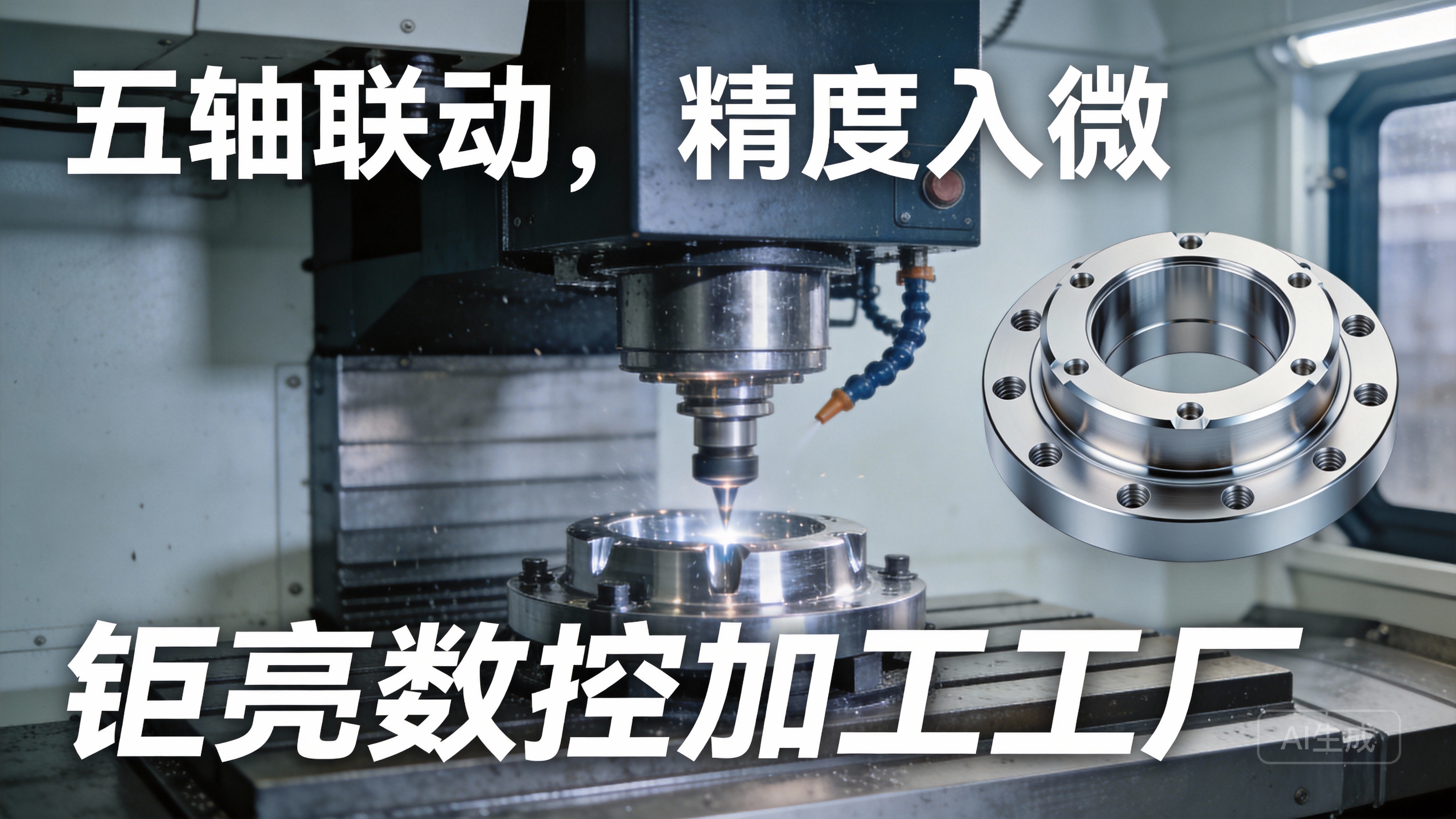
GreatLight’s Response: Temperature‑controlled machining and inspection labs, combined with strict tool‑life management and SPC that automatically triggers tool replacements. The factory’s OEM‑grade 5‑axis CNCs from Dema and Jingdiao hold ±0.005 mm in milling and maintain the same fidelity on sheet‑metal secondary machining, meaning a threaded hole in a 2 mm stainless‑steel bracket is located as precisely as the bracket’s fold angles.
Pain Point 2: The Certification Mirage
Symptom: A supplier claims “ISO 9001 quality” but only holds a certificate at the corporate level; the actual shop floor has never undergone a surveillance audit corresponding to the buyer’s part.
GreatLight’s Response: All certifications – ISO 9001, IATF 16949, ISO 13485, ISO 27001 – are attached to the specific manufacturing site in Chang’an, Dongguan. Customers can request on‑site audits, and the facility’s three wholly‑owned plants are structured to segregate medical, automotive, and general industrial production if contamination control is required.
Pain Point 3: The Finishing Black Box
Symptom: A batch of beautifully fabricated aluminium chassis is sent to a third‑party anodizer and returns with dye‑blotching and 10% thickness variation.
GreatLight’s Response: Owned and operated finishing lines permit closed‑loop control. Anodising tank chemistry is maintained within tight pH and temperature bands, and every 50‑part lot sees a coupon test for coating thickness, gloss, and adhesion. Because the same team oversees fabrication and finishing, a forming‑induced surface scratch that could become a focal point for post‑finish corrosion is detected and corrected upstream.
Pain Point 4: Documentation Debt
Symptom: The quality package arrives as a single PDF with no raw data, making it impossible for the OEM’s engineering team to correlate a dimensional drift with a specific machine or shift.
GreatLight’s Response: Full digital traceability. CMM reports, laser‑cut profiles, and press‑brake angle records are logged against material heat numbers and production timestamps. This depth of documentation satisfies the PPAP‑level demands of automotive customers while also giving hardware startups the engineering insight they need to iterate on their design.
Pain Point 5: Single‑Process Tunnel Vision
Symptom: A supplier can bend sheet metal but cannot machine the dowel pins, tap the blind holes, or rivet the PEM studs, forcing the buyer to juggle multiple quotes and logistics.
GreatLight’s Response: A single PO triggers an orchestrated workflow: fibre‑laser blanking → forming → robotic welding → CNC milling/drilling/tapping on a 5‑axis stage → washing → finishing → final inspection. This line‑of‑sight control compresses typical 4‑week multi‑vendor timelines into as little as 7‑10 days while upholding ODM Sheet Metal Fabrication Inc Quality at every gate.
Building a Quality‑First Culture: The Human and Systems Engine at GreatLight
No amount of gleaming CNC equipment can sustain quality without a committed workforce and a management system that rewards accountability. GreatLight’s 150‑person team includes:
12 dedicated quality engineers and technicians responsible for in‑process, final, and outgoing inspection,
An NPI (New Product Introduction) group that performs DFM analysis, recommending sheet‑metal bend‑reliefs, minimum flange lengths, and weld‑sequencing optimisations before the first laser beam strikes metal,
Continuous training cadres tied to the ISO‑9001:2015 internal‑audit programme, ensuring that operators on the floor understand why a specific datum scheme matters, not just that they must pass a gauge.
The company’s after‑sales guarantee underscores its confidence: any quality‑related defect triggers free rework, and if rework still fails to meet spec, a full refund applies. That external‑facing promise flows directly from an internal culture where non‑conformance is treated as a process failure to be systematically eliminated, not an operator error to be punished.
The Evolution of ODM Sheet Metal: From Job Shop to Solutions Provider
A decade ago, a typical ODM sheet‑metal factory in the Pearl River Delta was little more than a collection of manually operated punches and press brakes. Today, leaders like GreatLight have evolved into full‑life‑cycle innovation hubs. The facility not only manufactures but also participates in concept‑phase engineering, advising clients on material substitution (e.g., switching from stainless to high‑strength aluminium to reduce mass by 40% while maintaining EMI shielding), joining methods (adhesive bonding + spot welding hybrid joints), and sustainable finishing chemistries (trivalent chromium passivation compliant with RoHS and REACH).
This trajectory mirrors the global trend of “servitisation” in manufacturing, where the supplier’s value is measured in engineering‑hour savings just as much as in parts per million defect rates. For OEMs that have been burnt by the inconsistency that gave rise to the question “can ODM Sheet Metal Fabrication Inc Quality be trusted?”, a partner that offers both deep technical capability and a collaborative engineering stance finally provides a definitive answer.
Actionable Checklist for Buyers: How to Audit ODM Sheet Metal Fabrication Inc Quality Before the First Purchase Order
Before sending an RFQ, procurement and engineering teams can deploy a five‑point checklist to screen potential sheet‑metal partners:
Certification Authenticity Check – Request the certificate number and issuing body; cross‑reference with the registrar’s online directory. If the supplier claims IATF 16949, verify that the certification scope covers the specific production site.
Equipment Capability Walk‑Through (Virtual or On‑Site) – Look not for brand names alone but for evidence of calibration logs, SPC screens, and climate control. A supplier with a 5‑axis CNC but no temperature‑controlled inspection lab will struggle to replicate tolerance.
Finishing Sample Kit – Ask for physical “coupon” samples from recent production runs. Compare colour, thickness, and surface finish uniformity under a light booth. This instantly reveals the maturity of the in‑house (or tightly managed) post‑processing line.
Documentation Package Preview – Request a de‑identified FAIR and production‑lot report. Assess whether the data is raw (Excel‑exportable) or just a pass/fail checkmark. Raw data signals transparency.
Capacity‑Plus‑Flexibility Interview – Ask the supplier to describe a recent project where they pivoted from 50‑unit prototypes to 5,000‑unit production within 30 days. Listen for specifics: machine loading strategy, in‑line gauge changes, and how they managed tooling wear curves.
When GreatLight is subjected to this checklist, it consistently ticks every box. The factory’s 127‑unit equipment fleet means that capacity spikes are absorbed internally, and the on‑site metrology lab delivers the raw data packages that forward‑thinking OEMs now mandate.
The Road Ahead: Intelligent Data Loops and Zero‑Defect Ambitions
Looking forward, ODM Sheet Metal Fabrication Inc Quality will be shaped by the infusion of real‑time manufacturing intelligence. GreatLight is already investing in machine‑learning algorithms that correlate press‑brake force curves with spring‑back compensation, and in optical scanning cells that generate full‑field dimensional maps in seconds. These technologies shrink the human‑interpretation latency that once allowed a drifting process to produce hundreds of bad parts before detection.
At the same time, the company is deepening its medical and automotive specialisation, operating distinct production lanes that will be auditable to the forthcoming ISO 13485:2016/Amd requirements and the continuous‑improvement mandates of IATF 16949. For customers, this means that a sheet‑metal component ordered today will be produced on equipment whose process capability (Cpk) has been statistically demonstrated to exceed 1.67 for all critical characteristics – a standard that the mass of price‑driven fabricators cannot match.
Conclusion: Anchoring ODM Sheet Metal Fabrication Inc Quality in Objective Evidence
The manufacturing marketplace is awash with assertions, but ODM Sheet Metal Fabrication Inc Quality reveals its true character only under the scrutiny of stamped‑steel datums, CMM reports, salt‑spray chambers, and third‑party audits. For teams that cannot afford supply‑chain surprises, the decision criteria must extend beyond unit price to encompass certification authenticity, process integration, and the supplier’s willingness to stand behind its output with a money‑back guarantee. By aligning every resource – 5‑axis CNC centres, IATF‑16949‑calibrated workflows, in‑house finishing, and a zero‑defect culture – toward one goal, GreatLight CNC Machining transforms sheet‑metal fabrication from a risky commodity into a predictable competitive advantage. When the specification says “must be right every time,” only a partner built from the ground up for that promise can deliver.



















