
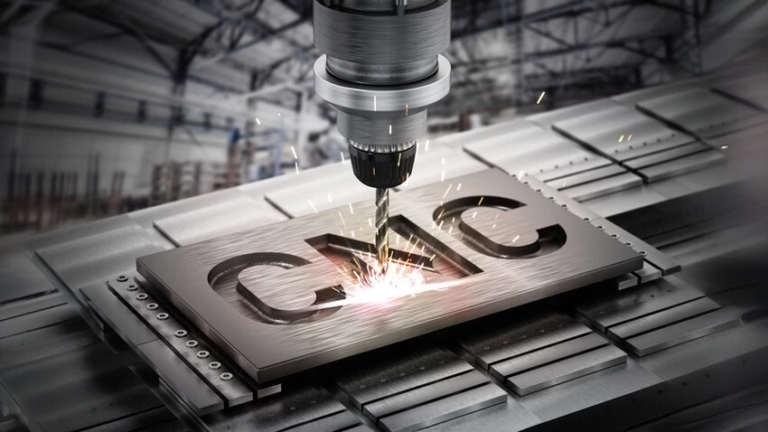
For precision machining workshops and manufacturing startups, investing in CNC equipment is a major decision that directly impacts production capabilities, product quality, and long-term competitiveness. While a brand-new, high-end five-axis CNC machining center represents the ideal, budget constraints often lead many to explore the used CNC machine market. This path can be a smart shortcut to capability enhancement or a hidden trap filled with unforeseen costs. As a senior manufacturing engineer who has witnessed countless workshop transformations, I’ll share a comprehensive guide on what to know before buying a used CNC machine, helping you navigate this critical decision with clarity and confidence.
The Allure and The Reality: Why Consider Used?
The primary appeal is undeniable: cost. A used machine can be purchased for a fraction of the price of its new counterpart, potentially allowing a workshop to acquire a higher-tier machine or multiple units within the same budget. This can rapidly expand capacity or enable entry into more complex machining realms. However, this lower initial investment is just one side of the coin. The total cost of ownership (TCO) is what truly matters, encompassing purchase price, transportation, re-installation, potential refurbishment, and future maintenance.
Critical Factors for Evaluation: A Pre-Purchase Checklist
Before you even contact a seller, arm yourself with this structured evaluation framework.
1. Define Your Precision Requirements First
This is non-negotiable. What are the tolerance requirements for your parts? A machine that once produced aerospace components might still hold micron-level accuracy, while one from a high-volume, lower-tolerance industry may not. Key checks include:
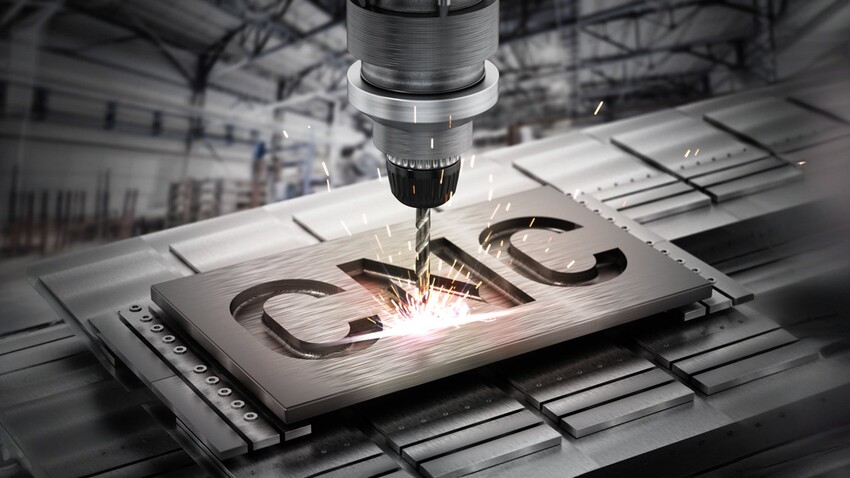
Geometric Accuracy: Check the machine’s original specification sheet if available. Look for terms like positioning accuracy and repeatability.
Spindle Runout: Excessive runout will directly affect surface finish and tool life.
Backlash in Axis Drives: This leads to dimensional inaccuracies, especially in contouring.
Condition of Guideways and Ballscrews: Wear here is a major source of precision loss. Look for scoring, pitting, or excessive clearance.
Remember: Even a premium machine like a high-end 5-axis CNC machining center will be a poor investment if its critical components are worn beyond economical repair. Your target machine’s historical duty cycle should align with your precision needs.
2. Machine History & Documentation: The Story Matters
A machine with a well-documented history is worth a premium.
Service and Maintenance Logs: These are gold. Consistent, professional maintenance is a strong positive indicator.
Reason for Sale: Is the company upgrading, downsizing, or ceasing operations? The context can be revealing.
Hour Meters: Check spindle runtime and overall power-on hours. Compare these figures to the machine’s age to gauge its utilization intensity.
3. Control System & Technology Compatibility
The CNC controller is the machine’s brain. An outdated or problematic control system can render a mechanically sound machine obsolete.
Controller Brand and Model: Is it a familiar Fanuc, Siemens, Heidenhain, or a proprietary, obsolete system? Parts and support availability are crucial.
Software Version: Can it run modern CAD/CAM software outputs? Are post-processors readily available?
Connectability: Does it support standard communication protocols (RS-232, Ethernet, USB) for easy program transfer?
4. The Hands-On Inspection: What to Look and Listen For
Never buy sight-unseen. A physical inspection is mandatory.
Visual Inspection: Look for signs of major crashes (repaired casting, replaced sheet metal), fluid leaks (hydraulic, coolant), and general housekeeping. Rust is a major red flag.
Power-Up Test: Run the machine through its paces.
Axis Movement: Move all axes through their full travel at various feed rates. Listen for unusual noises (grinding, knocking) from ballscrews or guideways.
Spindle Test: Run the spindle through its speed range. Listen for bearing noise, vibration, or irregularities. Check for temperature rise after running at high RPM for a period.
Tool Changer Function: Cycle the tool changer repeatedly with dummy tools. Watch for smooth, precise operation. Misalignment or slow cycling indicates wear.
Test Cut: If possible, perform a test cut. A simple facing cut on a block of aluminum can reveal issues with spindle integrity, axis alignment, and vibration.
5. The Hidden Costs: Budgeting Beyond the Price Tag
The auction or listing price is just the beginning. Factor in:
Dismantling, Rigging, and Transportation: Specialized hauling for heavy machinery is expensive.
Re-installation and Leveling: Requires a proper foundation and skilled technicians.
Electrical & Pneumatic Hookup: Your facility must meet the machine’s power (3-phase) and air supply requirements.
Potential Refurbishment: Budget for replacing perishable items: spindle bearings, way wipers, hydraulic seals, coolant hoses.
Tooling & Workholding: This is a significant additional investment. The machine may come with nothing.
Training: Your operators need to learn the specific control system.
The GreatLight Perspective: When Buying Used Isn’t the Best Path
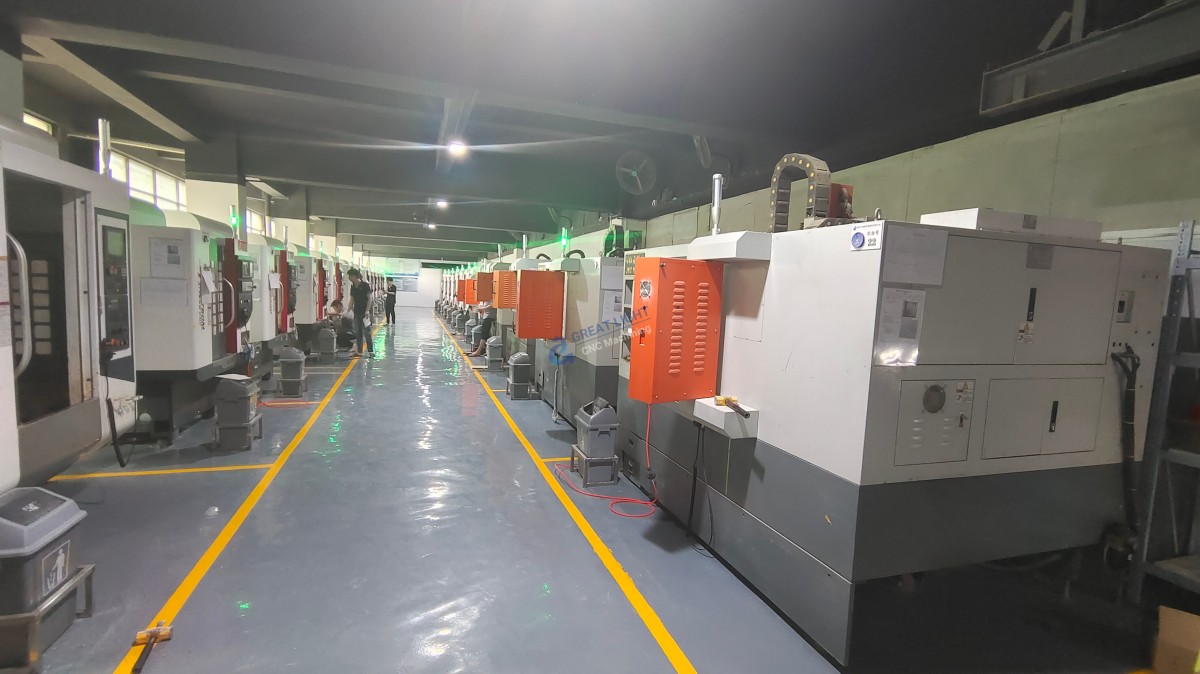
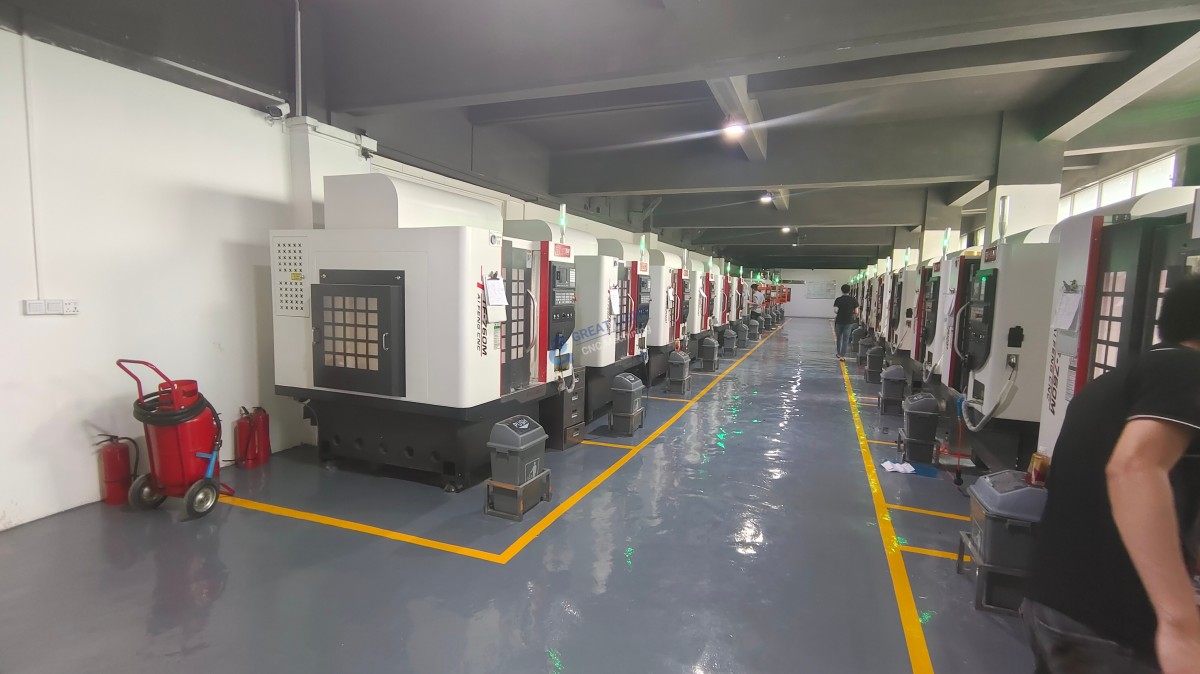
At GreatLight CNC Machining Factory, our core business is delivering precision parts, not selling equipment. However, our decade-long journey operating a vast fleet of advanced CNC machines—from 3-axis to sophisticated 5-axis centers—gives us a unique vantage point. We understand the immense responsibility of maintaining peak equipment performance to meet client tolerances like ±0.001mm.
For many of our clients, especially those focused on R&D, low-volume high-mix production, or launching a new product, the capital expenditure, time, and technical debt associated with vetting and integrating used equipment can be counterproductive. Partnering with a certified manufacturer like ours essentially provides “CNC capacity as a service.” You gain immediate access to:
State-of-the-art, meticulously maintained equipment without the capital outlay.
Guaranteed process capability and quality backed by ISO 9001:2015, IATF 16949, and other relevant certifications.
Zero downtime worries or maintenance costs.
Full-chain expertise from engineering support to post-processing.
This allows you to channel your capital and engineering talent into core product development and market expansion, rather than machine shop management.
Conclusion
Purchasing a used CNC machine can be a strategic, cost-effective move for an experienced, in-house team ready to tackle the technical challenges of machine assessment, integration, and ongoing maintenance. Success hinges on rigorous due diligence, a clear understanding of your precision requirements, and a realistic budget that accounts for the total cost of ownership.
However, for businesses where certainty, speed-to-market, and guaranteed precision are paramount, investing in a trusted manufacturing partnership often yields a superior return on investment and reduces operational risk. The decision ultimately rests on whether your strategic priority is owning machining assets or securing reliably machined components.
Frequently Asked Questions (FAQ)
Q1: How can I verify the claimed accuracy of a used CNC machine?
A: Request a laser interferometer or ballbar test report if the seller has one recent. The most reliable method is to commission a third-party inspection service to perform these tests before purchase. Alternatively, a well-designed test cut program measuring produced geometries against a CMM is very telling.
Q2: Are machines from bankrupt auctions a good deal?
A: They can be, but they represent the highest risk. Documentation is often missing, and you cannot assess the machine under power. These are best suited for very experienced buyers or dealers who can fully refurbish them. Assume significant refurbishment costs.
Q3: Is older, well-built iron (like a 20-year old German or Japanese machine) better than a newer, lesser-known brand?
A: Often, yes. The mechanical structure of older high-end machines is often exceptionally robust. The critical factor becomes the control system. If it can be retrofitted with a modern CNC control (a “retrofit”), a classic machine can get a new lease on life with updated electronics. This is a specialized project with significant cost.
Q4: What’s the single biggest red flag when inspecting a used machine?
A: Evidence of a major crash that was poorly repaired, especially on the machine’s cast bed or column. This can compromise the fundamental structural integrity and alignment of the entire machine, making it impossible to hold precision.
Q5: Does a used machine come with any warranty?
A: Typically, used machines are sold “as-is, where-is” with no warranty. Some reputable dealers may offer a short-term (30-90 day) warranty on specific components. This is very different from the comprehensive warranty on a new machine. Always clarify warranty terms in writing.
Q6: Why would a company like GreatLight CNC Machining Factory be a better option than me buying my own used machine?
A: We eliminate your operational risk. When you partner with us, you are leveraging our capital investment in advanced equipment, our dedicated maintenance team, our quality management systems, and our deep process engineering expertise. You pay for finished, precision-verified parts, not for machine downtime, technician salaries, tooling management, or certification audits. This allows you to scale production flexibly and focus your resources on your product and customers. For more insights into our approach and industry trends, you can follow our professional updates on platforms like LinkedIn.



















