
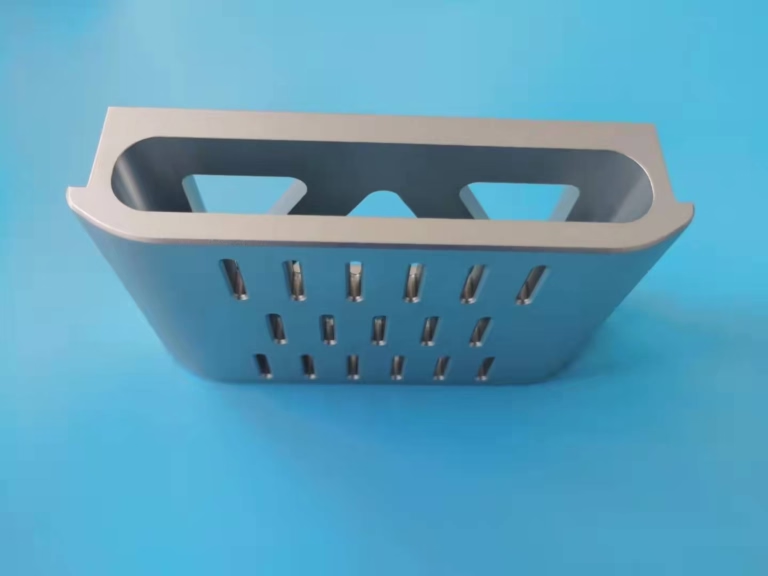
In the world of modern manufacturing, mastering the question of how to run CNC machine effectively is the cornerstone of producing high-quality, precise components. It’s more than just pushing buttons; it’s a sophisticated symphony of engineering knowledge, meticulous planning, precise execution, and continuous refinement. As a senior manufacturing engineer with extensive experience in precision parts machining, I’ll provide a comprehensive guide that demystifies the process and highlights the critical considerations for achieving excellence.
At its core, running a CNC machine is a systematic engineering discipline. It transforms a digital design into a physical reality through subtractive manufacturing. The journey from a 3D CAD model to a finished, inspection-ready part involves multiple, interdependent stages. Success depends on the seamless integration of human expertise and technological capability.
Understanding the Foundation: What is CNC Machining?
Before diving into operations, it’s essential to grasp the fundamentals. CNC stands for Computer Numerical Control. A CNC machine uses programmed instructions (G-code and M-code) to control the movement of cutting tools and the workpiece along multiple axes. Common types include 3-axis (X, Y, Z), 4-axis (adds rotation), and the highly capable 5-axis machines, which allow for simultaneous movement along five axes, enabling the machining of incredibly complex geometries in a single setup.
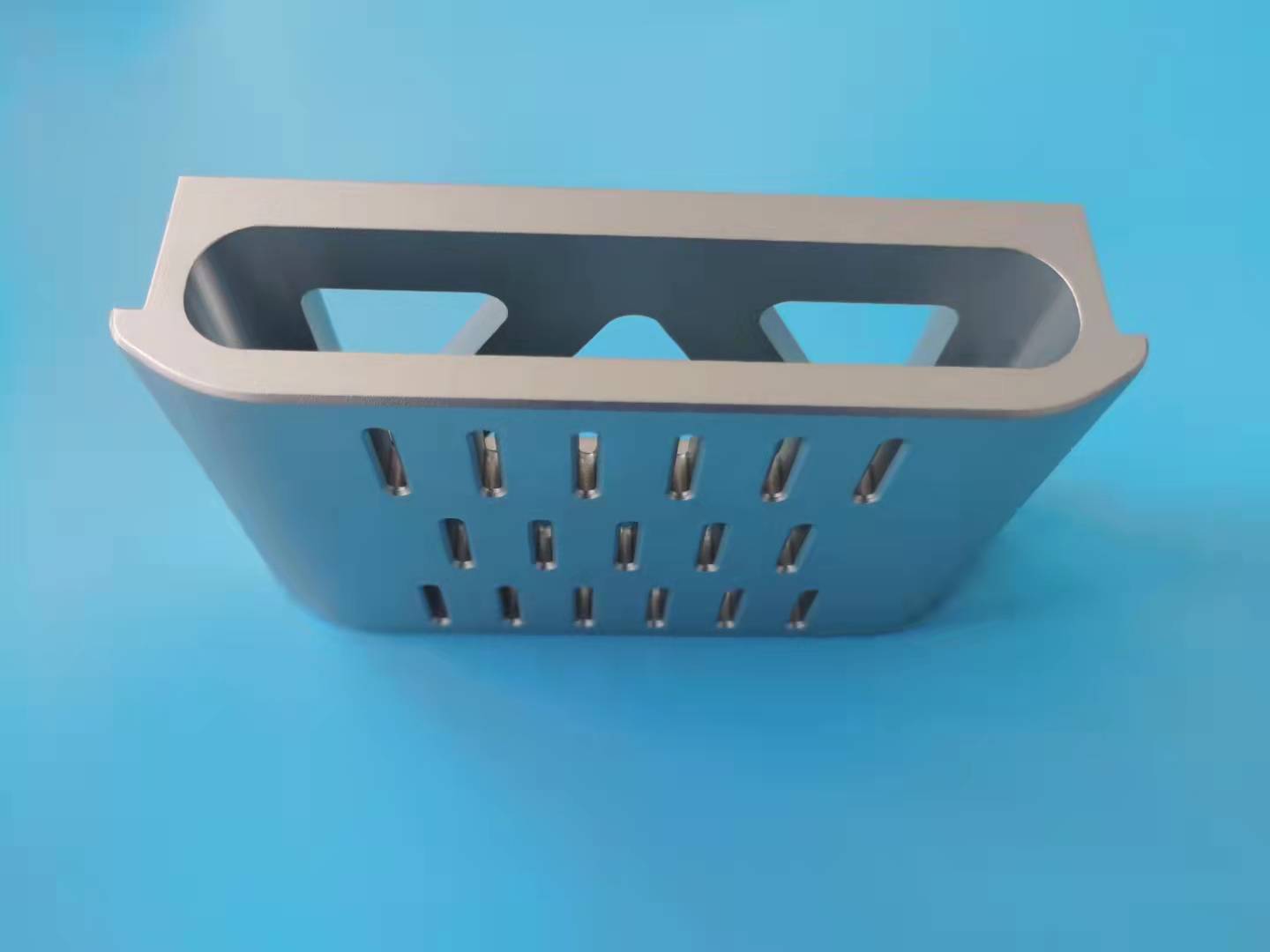
The Step-by-Step Process: How to Run CNC Machine from Start to Finish
Running a CNC machine is a multi-phase operation. Here’s a detailed breakdown:
Phase 1: Pre-Production Engineering & Planning
This is arguably the most critical phase, where 80% of potential issues are resolved.
Design for Manufacturing (DFM) Analysis: Before any code is written, the part design is scrutinized. Can it be machined efficiently? Are there inaccessible features, unnecessarily tight tolerances, or thin walls that could cause vibration? An experienced engineer will suggest modifications to optimize for machinability, cost, and lead time without compromising function.
Material Selection: The choice of material (aluminum, stainless steel, titanium, engineering plastics, etc.) dictates the cutting tools, speeds, feeds, and overall strategy. Factors like required strength, weight, corrosion resistance, and thermal properties are considered.
Process Planning & Fixture Design: How will the raw material (blank) be held securely during machining? Designing and manufacturing custom fixtures or jigs is crucial for stability, accuracy, and enabling multiple operations without re-alignment. For complex parts, this may involve modular fixture systems or even custom vise jaws.
Tooling Selection: The right tool for the job is paramount. This includes selecting:
Tool Material: Carbide, high-speed steel (HSS), ceramic, or diamond.
Tool Geometry: Number of flutes, helix angle, corner radius.
Tool Coatings: TiN, TiAlN, AlCrN to reduce heat and wear.
A comprehensive tool library and presetter are used to manage this.
Phase 2: Programming & Simulation
CAD/CAM Programming: Using advanced software (e.g., Mastercam, Siemens NX, HyperMill), the programmer creates the toolpaths. This involves:
Defining stock and part geometry.
Selecting tools from the virtual library.
Setting cutting parameters: spindle speed (RPM), feed rate (IPM), depth of cut, stepover.
Generating efficient paths for roughing (removing bulk material) and finishing (achieving final dimensions and surface quality).
For complex parts, this is where the power of 5-axis CNC machining shines, allowing the programmer to position the tool at optimal angles to the workpiece surface.
Post-Processing: The CAM software generates generic toolpaths, which a “post-processor” converts into machine-specific G-code that the particular CNC controller (Fanuc, Siemens, Heidenhain) can understand.
Virtual Simulation: Before the code ever reaches the shop floor, it is run through a virtual machine simulation. This step is non-negotiable for safety and efficiency. It checks for:
Collisions between the tool, holder, spindle, and fixture.
Verification of toolpath accuracy.
Cycle time estimation.
Phase 3: Machine Setup & Operation
This is the hands-on execution of the plan.
Workpiece Setup & Alignment: The raw material is securely clamped in the fixture or vice on the machine table. Using dial indicators, edge finders, or probe systems, the operator establishes the workpiece datum (zero point) with extreme precision. This defines the coordinate system for the entire program.
Tool Loading & Offsets: Pre-set tools are loaded into the machine’s automatic tool changer (ATC). Tool length and diameter offsets are measured, either manually with a touch probe or automatically via a machine probe, and entered into the CNC controller. These offsets tell the machine the exact position of each cutting edge.
Program Loading & Dry Run: The G-code program is loaded. A “dry run” is performed with the spindle off and often with the Z-axis height raised, allowing the operator to visually verify the toolpaths without cutting material.
First Article Run & In-Process Inspection: The first part is machined. This is a critical checkpoint. The operator performs in-process measurements using micrometers, calipers, and CMMs (Coordinate Measuring Machines) to verify critical dimensions are within the blueprint tolerances. Any adjustments to tool offsets or the program itself are made at this stage.
Production Run & Monitoring: Once the first article is approved, the production run begins. However, “running” the machine is not a set-and-forget task. A skilled operator monitors:
Cutting Sounds: Listening for changes that indicate tool wear or chatter.
Chip Formation: Monitoring chip color and shape for signs of optimal or excessive heat.
Coolant Flow: Ensuring proper lubrication and heat dissipation.
The machine may run autonomously, but vigilant oversight ensures quality and prevents catastrophic failures.
Phase 4: Post-Processing & Final Validation
After the machining cycle is complete:
The part is carefully de-burred to remove sharp edges.
It may undergo a range of finishing processes: sandblasting, anodizing, plating, powder coating, or polishing, depending on the specification.
Final Inspection & Documentation: The completed part undergoes a final, comprehensive inspection using high-precision equipment like CMMs, optical comparators, or surface profilometers. A detailed inspection report (FAI – First Article Inspection) is generated, providing documented proof that the part meets all design requirements.
Advanced Considerations and Best Practices
Beyond the basic steps, mastering how to run CNC machine at a high level involves:
Optimizing Cutting Parameters: Using formulas and experience to balance material removal rate (MRR) with tool life and surface finish. This is a science in itself.
Managing Tool Life: Implementing a tool life management system to predict and schedule tool changes before failure, minimizing scrap and downtime.
Thermal Management: Understanding how heat generated during machining affects the part (thermal expansion) and the machine (thermal drift), and implementing strategies to control it.
Adaptive Control: Some advanced machines can sense cutting forces and dynamically adjust feeds and speeds in real-time for optimal performance.
Key Metrics for Success: Precision, Surface Quality, and Efficiency
When evaluating the operation, three key metrics are paramount:
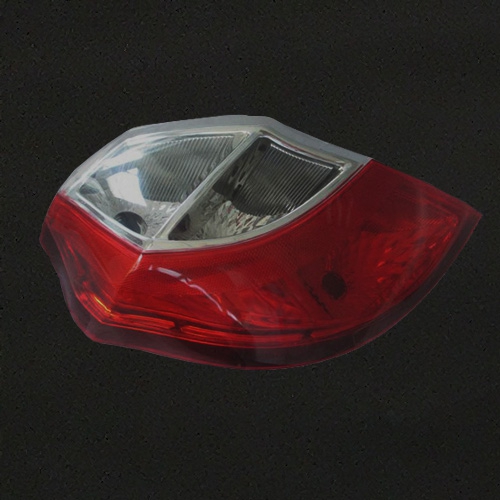
Dimensional Accuracy & Tolerance: The ability to consistently hit target dimensions. High-end shops regularly achieve tolerances of ±0.001” (0.025mm) or tighter for critical features.
Surface Finish: Measured in micro-inches (µin) or micrometers (Ra). A good finish is not just cosmetic; it affects part performance, wear resistance, and fatigue life.
Cycle Time & Overall Equipment Effectiveness (OEE): The total time to produce a part. The goal is to minimize this through efficient programming, toolpaths, and setup without compromising the first two metrics.
Common Challenges and How to Overcome Them
Even with a perfect plan, challenges arise. Expertise lies in anticipating and solving them:
Tool Breakage/Wear: Caused by incorrect parameters, poor toolpath strategies, or machine vibration (chatter). Solution: Re-evaluate CAM strategy, use more rigid tooling, apply dampers.
Part Deformation: Thin-walled or long parts can deflect under cutting forces. Solution: Use multiple, lighter finishing passes, change clamping strategy, or modify the machining sequence.
Poor Surface Finish: Can result from tool deflection, improper speeds/feeds, or a worn tool. Solution: Use a sharper tool, reduce stepover, increase RPM.
Accuracy Drift: Can be caused by thermal expansion of the part or machine, or mechanical wear in the machine’s ball screws/guides. Solution: Implement warm-up cycles, use in-process probing for compensation, and adhere to a rigorous preventative maintenance schedule.
The Evolving Landscape: Automation and Smart Manufacturing
The future of how to run CNC machine is increasingly automated and data-driven. Trends include:
Lights-Out Machining: Unmanned operation overnight, enabled by robotic part loaders/unloaders, tool breakage detection systems, and in-process probing.
IoT & Data Analytics: Sensors on machines collect data on spindle load, vibration, and temperature, enabling predictive maintenance and process optimization.
Digital Twins: Creating a virtual replica of the machining process for continuous optimization and problem-solving before physical changes are made.
Conclusion: The Art and Science of Precision Execution
Ultimately, knowing how to run CNC machine is a blend of deep technical knowledge, hands-on skill, and rigorous process discipline. It’s about transforming theoretical plans into flawless physical components. For clients seeking precision parts, partnering with a manufacturer that has mastered this discipline end-to-end is critical.
This is where entities with comprehensive capability, like those equipped with advanced 5-axis CNC machining centers and backed by a full-spectrum engineering team, provide immense value. They don’t just operate machines; they manage an integrated manufacturing ecosystem—from DFM and fixture design through to certified final inspection. They turn the complex question of “how to run CNC machine” into a reliable, repeatable, and high-value service, ensuring that your most demanding design visions are realized with uncompromising precision and quality.
Frequently Asked Questions (FAQ)
Q1: What’s the most common mistake beginners make when learning how to run a CNC machine?
A: Overlooking the pre-production planning phase. Many rush to start cutting material without proper DFM analysis, fixture design verification, or toolpath simulation. This almost always leads to scrap parts, tool crashes, or inefficient production. Planning is paramount.
Q2: For a highly complex part with undercuts and compound curves, is 3-axis machining sufficient?
A: Often, no. A 3-axis machine would require multiple, complex setups and custom fixtures, increasing error risk, setup time, and cost. A 5-axis CNC machining approach allows the tool to approach the workpiece from nearly any angle in a single setup, dramatically improving accuracy for complex geometries, reducing lead time, and often enabling better surface finishes.
Q3: How do I verify if a potential manufacturing partner truly knows how to run CNC machines at a high level?
A: Look beyond the machine list. Ask about their process: Request a sample DFM report. Inquire about their in-process quality control and inspection equipment (e.g., on-machine probing, CMMs). Review case studies of complex parts they’ve produced. Certifications like ISO 9001:2015 and IATF 16949 are strong indicators of a systematic, quality-focused approach to the entire machining operation.
Q4: What is “tolerance stacking” and why is it a critical concept?
A: Tolerance stacking refers to the accumulation of dimensional variations across multiple features or assembled components. If each feature on a part is machined at the extreme limit of its tolerance, the combined effect can cause a failure to assemble or function. A skilled engineer programming and running the machine understands this and strategically plans machining sequences and datum references to minimize stack-up risk.
Q5: Can CNC machining be used for both prototyping and high-volume production?
A: Absolutely. For prototyping, CNC offers speed and material flexibility, allowing functional testing with end-use materials. For production, modern CNC machines with pallet changers and automation can achieve high volumes with exceptional consistency. The same digital file and proven process used for the prototype can be scaled directly to production, ensuring continuity.



















