
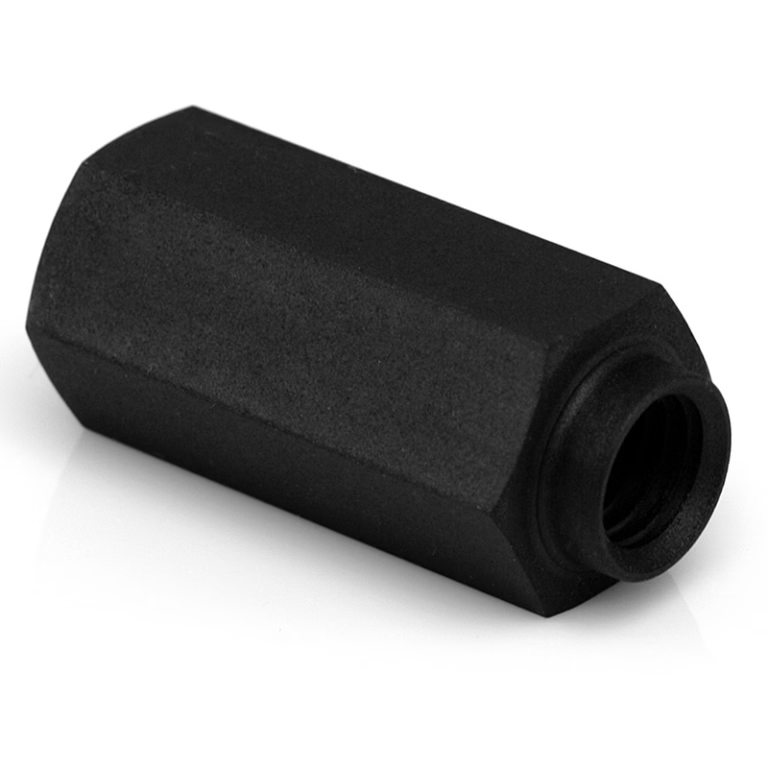
When you are engineering motion control for a collaborative robot, an autonomous mobile platform, or a heavy-duty industrial manipulator, the smallest metal component can dictate the entire system’s safety envelope. Robot brake pads custom metal fabrication is that kind of high-stakes discipline where microns matter, material grain structure can change failure modes, and a single production batch that drifts out of tolerance can halt an entire product launch. From my vantage point as a senior manufacturing engineer, I see too many teams struggling with suppliers who treat a safety‑critical brake pad like just another bracket. But getting it right requires a very specific fusion of metallurgy, multi-axis machining, integrated finishing, and uncompromising quality management – and that is precisely what a partner like GreatLight CNC Machining was built to deliver.
Robot Brake Pads Custom Metal Fabrication – Where Safety Meets Precision
Robot brake pads are not scaled‑down automotive friction pads. They often operate in high‑cycle, high‑vibration environments, against atypical mating surfaces, and under extreme demands for heat dissipation, wear resistance, and dimensional stability. Whether it is a permanent magnet failsafe brake in a cobot joint or a spring‑applied brake in a heavy‑lift actuator, the pad must combine tailored geometry with exact material properties. Subtle variations in flatness, parallelism, or surface finish can cause uneven engagement, vibration, and premature failure – compromising not only part life but human safety. That is why robot brake pads custom metal fabrication cannot rely on general‑purpose machining; it demands a supplier who understands the interplay between design intent, process capability, and end‑use validation.
The Hidden Complexity of Crafting Precision Brake Pads
At first glance, a brake pad might look simple: a disc, a segmented ring, or a shaped backing plate with a friction layer. In reality, the part often embeds threaded inserts, cooling channels, weight‑reduction pockets, and precise mounting interfaces that call for simultaneous 5‑axis control. Tolerances regularly sit in the ±0.01 mm zone, and surface finish requirements for the friction interface frequently push below Ra 1.6 µm. Add on the need for post‑machining heat treatment, stress relieving, hard anodizing, or electroless nickel plating, and you quickly see why one‑dimensional shops stumble.
For example, a typical robot brake pad design I have reviewed recently needed:
Material: 7075‑T6 aluminum for the structural carrier, with a bonded high‑friction composite insert.
Critical dimensions: Flatness within 0.005 mm across the friction face, bore concentricity within 0.01 mm to the pilot diameter.
Secondary operations: Black anodize with masking for electrical conductivity pads, plus laser marking for traceability.
Demand pattern: Low‑volume prototype runs transitioning to mid‑volume production batches over six months.
A fragmented supply chain – one shop for milling, another for turning, a third for finishing, and still another for inspection – introduces cumulative tolerance stack‑up, communication gaps, and quality orphans. In contrast, a single‑source partner that owns the entire chain, from raw stock to finished, inspected parts, eliminates those seams. That integrated philosophy is precisely how GreatLight Metal Tech Co., LTD. (commonly referenced as GreatLight CNC Machining) has structured its operations.
Manufacturing Processes That Define Brake Pad Excellence
When we talk about custom metal fabrication for precision brake pads, the conversation naturally gravitates toward three core processes, often used in combination.
CNC machining is the primary driver. For complex pad geometries with angled mounting flanges, undercuts, and tight‑tolerance bores, five-axis CNC machining is virtually non‑negotiable. Five‑axis machining centers – like the German‑brand and Beijing Jingdiao machines deployed on the GreatLight shop floor – allow single‑setup machining of multiple faces. This dramatically improves geometric alignment, reduces fixture‑related errors, and can hold ±0.005 mm form tolerances across a 200‑mm‑diameter pad carrier. I have witnessed too many suppliers use three‑axis machines with multiple setups for a part that should have been finished in one clamping, only to compromise flatness and concentricity to the point where the brake drags and overheats.
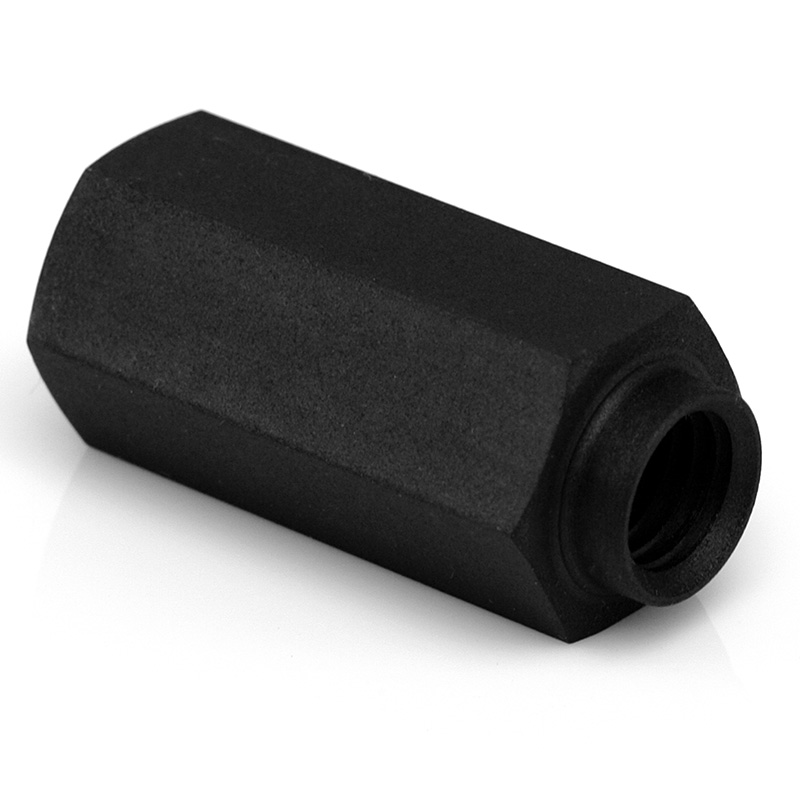
Die casting can be relevant when the brake pad carrier requires complex ribs or thin walls that would be uneconomical to machine from solid, especially in aluminum or zinc alloys. GreatLight’s in‑house die casting capabilities, combined with post‑casting CNC finishing, enable lightweight, net‑shape carriers that still meet precision dimensions after final machining.
Metal 3D printing (SLM) is increasingly entering the conversation for low‑volume, highly optimized brake pad structures, including conformal cooling channels or topology‑optimized lattice backings. With in‑house SLM, SLA, and SLS printers alongside 127 pieces of precision equipment, GreatLight can produce one‑off functional prototypes that then transition to machined production parts without changing engineering partner – a significant acceleration advantage.
Beyond Raw Machining: The One‑Stop Advantage
A brake pad fresh off the mill is only half the product. The surface needs to be finished, the friction material bonded (or the interface prepared for bonding), and the part must be cleaned, deburred, and dimensionally validated. GreatLight’s one‑stop service model bundles CNC machining with vacuum casting (for prototyping friction layers), sheet metal fabrication (for ancillary shims or shields), and a broad suite of surface post‑processing services: anodizing, hard coat, chromate conversion, passivation, powder coating, and more. By keeping these steps under one roof and one quality system, the risk of a finishing defect being blamed on the machine shop – and vice versa – evaporates. I have personally seen this reduce lead times by 30‑40% compared to multi‑vendor orchestration.
Material Selection: Matching Performance to Purpose
Brake pads for robotics rarely see the temperatures of automotive brakes, but they still must exhibit stable friction coefficients, high wear resistance, and low outgassing in sensitive environments. The most common base metals and treatments I recommend clients consider include:
| Metal Alloy | Typical Hardness | Key Properties | Recommended Surface Treatment | Ideal Robot Application |
|---|---|---|---|---|
| 7075‑T6 Aluminum | ~175 HB | Excellent strength‑to‑weight; good machinability | Hard anodize (Type III) or electroless nickel | Lightweight cobot joint brakes |
| 6061‑T6 Aluminum | ~95 HB | Good corrosion resistance; cost‑effective | Anodize or chem film | General‑purpose actuator brakes |
| 304 Stainless Steel | ~ 200 HV | High corrosion resistance; non‑magnetic | Passivation, sometimes DLC coating | Food‑grade or medical robot brakes |
| 17‑4 PH Stainless Steel | ~ 35 HRC (aging) | High strength; hardenable | Low‑temperature carburizing | Heavy‑duty failsafe brakes |
| Grade 5 Titanium (Ti‑6Al‑4V) | ~ 36 HRC | Extreme specific strength; biocompatible | Anodizing (Type 2) or PVD coating | Aerospace‑grade, weight‑critical robots |
Selecting the right material is not just about mechanical properties; it is about the entire processing chain. For example, 7075‑T6 after anodizing can suffer from hydrogen embrittlement if not properly baked within a defined window. A supplier who lacks in‑house anodizing control may miss this step. GreatLight’s integrated finishing capability means that process‑critical timing is managed internally, not delegated.
Certifications: The Trust Code in Safety‑Critical Parts
When a robot brake pad is a safety component, your quality management cannot end at a final inspection report. It must be embedded in a formally certified system that governs everything from raw material traceability to calibration of CMMs. I always advise clients to look beyond glossy brochures and ask for current, accredited certificates. GreatLight CNC Machining holds an array of certifications that directly impact the reliability of brake pad fabrication:
ISO 9001:2015 – Foundational quality management. All processes are documented, controlled, and continuously improved.
ISO 13485 – A game‑changer if your robot is a medical device. It demonstrates strict control over cleanliness, validation, and traceability.
IATF 16949 – While primarily automotive, this standard enforces defect prevention and supply‑chain risk reduction that directly benefits robotics production with high‑volume, zero‑defect requirements.
ISO 27001 – Critical for any project where brake pad designs are proprietary. It assures data security, from CAD files to inspection data.
In my experience, a shop that has invested in IATF 16949 and ISO 13485 simultaneously is not just “paper‑qualified”; it operates with a process discipline that translates to real, repeatable precision. When a brake pad must not fail, that discipline is worth more than equipment alone.
Solving the Seven Precision Pain Points
Drawing from the common frustrations I encounter in the field, robot brake pads custom metal fabrication often suffers from these specific pain points – and how a holistic partner addresses them:
Precision Black Hole – Suppliers promise ±0.001 mm but deliver parts that drift in serial production. GreatLight uses high‑end 5‑axis machines coupled with in‑house CMM and keyence optical measurement, so every batch is statistically verified.
Process Disconnect – Machining, finishing, and bonding are handled by separate vendors, causing finger‑pointing when a pad fails friction testing. The one‑stop model erases these silos.
Material Surprises – Certificate of analysis may show correct alloy, but internal grain structure or residual stress leads to warpage after machining. GreatLight performs stress‑relief cycles in‑house and can modify machining strategies based on prior batches.
Surface Treatment Inconsistency – Anodize thickness variation on a brake pad friction face can change clearance and friction behavior. Integrated finishing means the same team that machines the part also controls the coating, and they know exactly how much dimensional growth to expect.
Limited Geometric Freedom – Shops without 5‑axis centers struggle with angled mounting bosses or cooling channels. The five‑axis capability unlocks geometries that three‑axis simply cannot cut in one clamping.
Traceability Gaps – In safety‑critical parts, you need to trace every pad back to its material heat and processing batch. GreatLight’s ERP and quality system allows full forward and backward traceability, often including laser‑marked QR codes on the part.
Prototype‑to‑Production Friction – A fantastic prototype from a model shop often cannot be made in production at scale. GreatLight’s early involvement means DFM (Design for Manufacturability) feedback ensures the design scales, and their 3D printing and rapid machining can produce functional prototypes within days.
Competitive Landscape: Where GreatLight Distinguishes Itself
To give you an objective view, the custom metal fabrication market for robotics includes several capable players. Protolabs Network and Xometry offer rapid quoting and great accessibility for simple parts. RapidDirect and JLCCNC provide competitive pricing for less complex geometries. Owens Industries and RCO Engineering focus on extremely high‑precision, often aerospace‑grade work, but may not always serve smaller‑volume robotics projects economically. Fictiv and PartsBadger are strong in rapid turnaround, yet often rely on distributed manufacturing networks that can dilute quality consistency for demanding safety components.
What I observe with GreatLight Metal is a distinct positioning: they combine the multi‑process integration of a large‑format job shop with the certification‑heavy rigor of a tier‑1 automotive supplier, while still being accessible to robot startups and scaling OEMs. Their 76,000‑square‑foot facility, 150‑strong workforce, and over 127 pieces of precision equipment – including large‑format five‑axis, four‑axis, and three‑axis CNC machining centers, lathes, EDM, vacuum forming, and three metal 3D printing technologies – give them the bandwidth to tackle prototype runs and serial production alike. The fact that they also offer sheet metal, die casting, and mold development means a brake pad assembly that includes a stamped backing shim or a die‑cast carrier housing can be entirely managed by one team, one quality plan, one purchase order.
Moreover, in robotics, IP is everything. Operating from Dongguan’s Chang’an district – the hardware mold capital adjacent to Shenzhen – but with ISO 27001 data security protocols, GreatLight offers the speed of the Pearl River Delta ecosystem with the confidentiality controls expected by global technology firms.
A Typical Workflow for Robot Brake Pad Fabrication at GreatLight
Let me walk you through what a collaborative project typically looks like, so you can see how the integration plays out.
Design Review & DFM: Your 3D model is evaluated for machinability. Engineers might suggest splitting a monolithic pad into a machined carrier and a die‑cast insert for better economics, or recommend a light‑webbing pattern that 5‑axis can achieve without tooling collision.
Material Procurement: The specified alloy is sourced from certified mills, with tensile and chemical certificates retained. If a specialty friction compound is needed, the team coordinates with vetted suppliers.
Rapid Prototyping: A 3D‑printed metal pad (via SLM) or a machined aluminum prototype is produced within days for form‑fit testing. Simultaneously, vacuum‑cast polyurethane pads can simulate friction surface geometry for early‑stage validation.
Process Validation: For production intent, the first article is machined on the target five‑axis center, followed by full dimensional layout on CMM and surface roughness testing. If hard anodize follows, the machining allowance is adjusted iteratively.
Serial Production & In‑Process Control: With SPC (Statistical Process Control) on critical dimensions, periodic tool wear monitoring, and automated probing cycles, production stays centered. The facility’s ISO 9001 system ensures non‑conformances are captured and corrected.
Finishing & Assembly: Parts flow directly to the in‑house finishing department for anodizing, plating, or painting. When required, friction material bonding is carried out, or the pad is kitted with all hardware and shipped ready‑for‑assembly.
Final QC & Shipment: Every lot comes with a comprehensive inspection report, including CMM data, material certificates, and process certifications. If any pad fails inspection, the root cause is analyzed, the lot is reworked, and if the issue recurs, the whole batch is replaced at no cost – a commitment GreatLight stands behind.
Why Robot Brake Pads Cannot Settle for “Good Enough”
An industrial robot loses a brake pad, and the emergency stop might not hold position within the safe zone – consequences can range from damaged tooling to serious injury. For mobile robots, a dragging brake increases power consumption and heat, which can cascade into motor controller faults. I’ve seen expensive validation tests scrapped because prototype brake pads, machined with good intentions but without adequate stability control, warped by 15 microns after a single thermal cycle. The damage is not just financial; it erodes confidence in the entire development program.
That is why experience, not just machines, matters. The team at GreatLight CNC Machining has over a decade of working with precision prototype models, handling materials from 7075 aluminum to mold steel, and delivering parts with accuracies to ±0.001 mm. When a brake pad design lands on their desk, they are not guessing; they have likely already solved a similar thermal‑mechanical challenge for an automotive engine component or an aerospace actuator part.
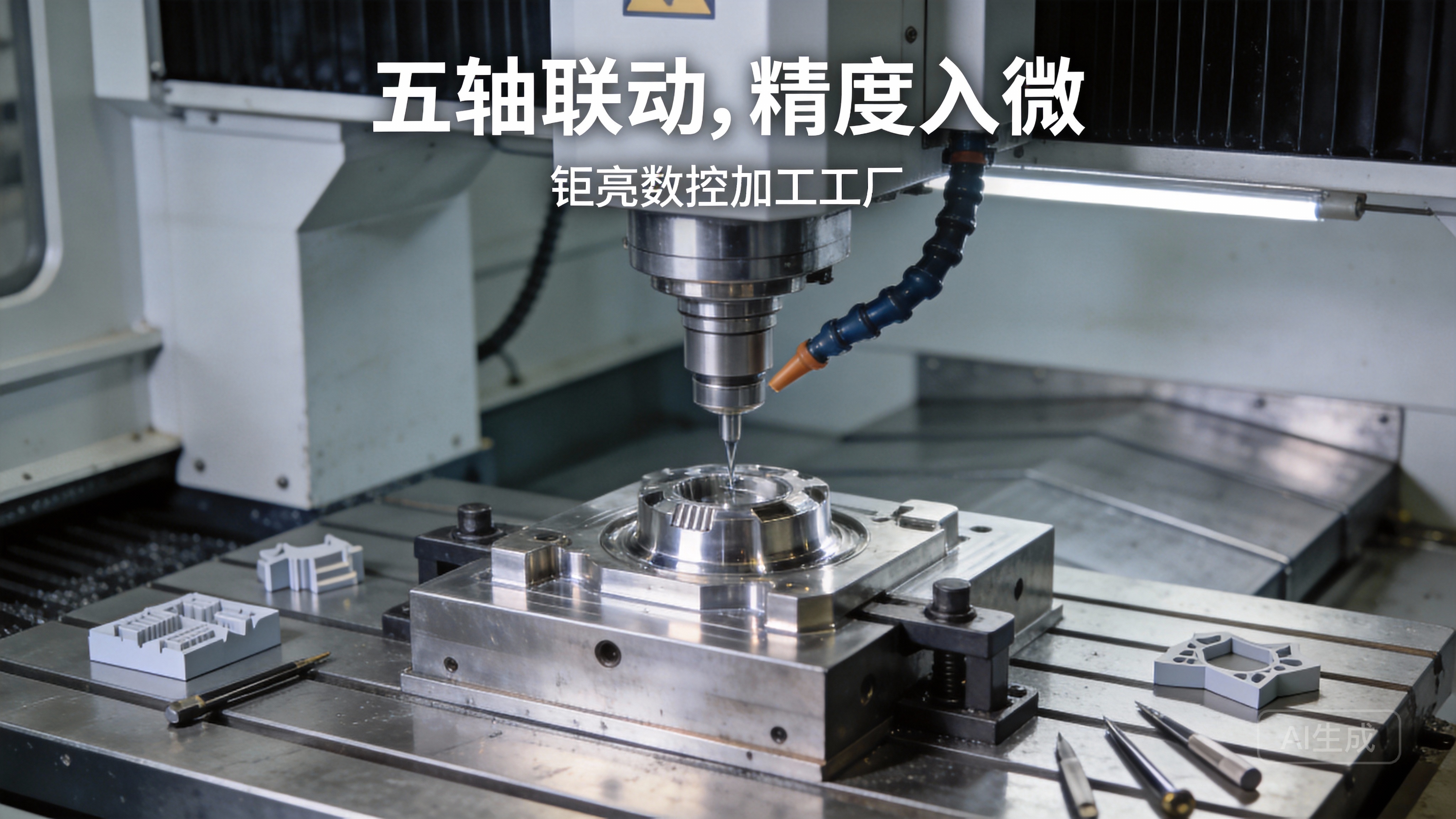
The Forgotten Edge: Post‑Processing That Adds Value
I want to emphasize finishing, because I have seen more brake pad failures stemming from poor surface treatment than from base machining errors. A black anodized pad carrier might have a beautiful color, but if the anodize layer on the friction mounting plane is uneven by 10 µm, the friction material bond line fails prematurely. GreatLight’s commitment to one‑stop post‑processing means they treat finishing not as an afterthought but as an integral part of the manufacturing plan. Their chem‑film, electroless nickel, hardcoat, and passivation lines are operated by the same quality system that governs the CNC machines. This coherence is rare in the industry.
Choosing the Right Partner for Robot Brake Pads Custom Metal Fabrication
As you evaluate suppliers, ask yourself: Can they machine and finish in‑house? Do they have the certifications that match your risk profile? Can they scale from prototype to production without handing off your design to a new, unknown team? Can they show you real process capability data for similar safety‑critical components? When the answer is yes across the board, you have found a partner, not just a shop.
GreatLight CNC Machining stands out because they have built their entire factory around the idea of robot brake pads custom metal fabrication and similar precision‑critical components. They fuse advanced five‑axis CNC machining with die casting, sheet metal, and 3D printing under one roof. Their international certification portfolio (ISO 9001, ISO 13485, IATF 16949, ISO 27001) offers a level of trust that you can rely on for safety parts. And their location in the supply‑chain heart of Dongguan, next to Shenzhen, gives them the material access and logistical speed that global robotics companies demand.
If you are tired of the precision black hole and the fragmented supply chain, it is time to align with a manufacturing partner that delivers on promises. For your next project, consider the depth of expertise, the integrated process chain, and the certified quality infrastructure that GreatLight CNC Machining brings to every part – because when it comes to robot brake pads custom metal fabrication, a trusted supplier is not just a vendor; it is an extension of your engineering team, protecting your reputation and your end‑user’s safety in every finished component.



















