
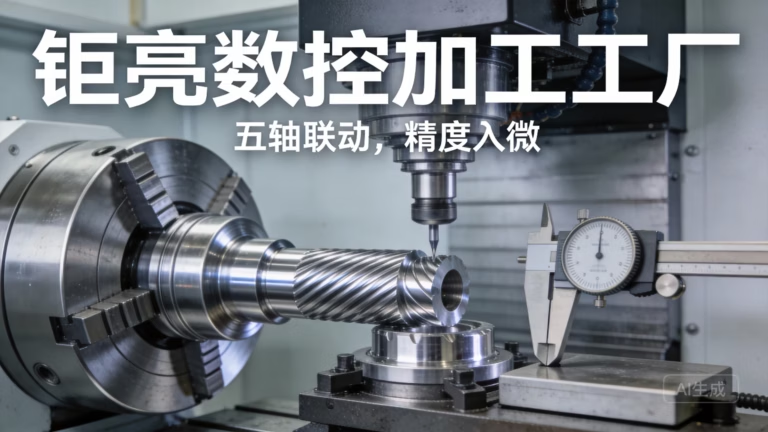
When evaluating the investment in a wood CNC machine, it’s crucial to understand that the price is not a single number but a spectrum, influenced by a complex interplay of capability, precision, scale, and ancillary support systems. As manufacturing professionals, we at GreatLight often advise clients to look beyond the initial sticker price and consider the total cost of ownership and the value it unlocks for their specific applications.
The cost can range from a few thousand dollars for a basic DIY kit to well over $500,000 for a fully integrated, industrial-grade production cell. Let’s deconstruct this cost landscape to empower your decision-making.
H2: Categorizing Wood CNC Machines by Price and Capability
The market segments machines into distinct tiers, each serving different needs and budgets.
H3: Entry-Level & Hobbyist Machines ($2,000 – $20,000)
Type: Desktop CNC routers, small-format DIY kits, and modified hobby machines.
Characteristics: Typically have a working area under 4′ x 8′, use stepper motors, and feature lighter-duty spindles (often 1-3 kW). Frames are commonly made of aluminum extrusions or light steel. They may use open-source controllers like Grbl.
Best For: Prototyping, small craft businesses, sign making, and educational purposes. They prioritize affordability over heavy-duty production or extreme precision.
H3: Professional & Industrial Benchtop Machines ($20,000 – $80,000)
Type: More robust stand-alone CNC routers from established brands.
Characteristics: Feature heavier welded steel frames for rigidity, higher-power spindles (5-15 kW, often liquid-cooled), servo or closed-loop stepper motors, and professional-grade CNC controllers (Siemens, Fanuc, Heidenhain). Vacuum table systems and automatic tool changers (ATCs) with 6-12 tools are common options. Precision can reach ±0.1mm or better.
Best For: Small to medium-sized workshops, custom furniture makers, architectural millwork shops, and specialized component manufacturers. This tier offers a balance of capability, precision, and reliability for serious commercial work.
H3: Full-Scale Industrial Production Machines ($80,000 – $300,000+)
Type: Large-format, high-performance CNC machining centers and multi-head routers.
Characteristics: Designed for continuous, unattended operation. They feature massive, stress-relieved cast iron or fabricated steel bases, ultra-high-speed spindles (18-30+ kW), advanced linear guide systems, and sophisticated software for toolpath optimization and dust management. Options include:
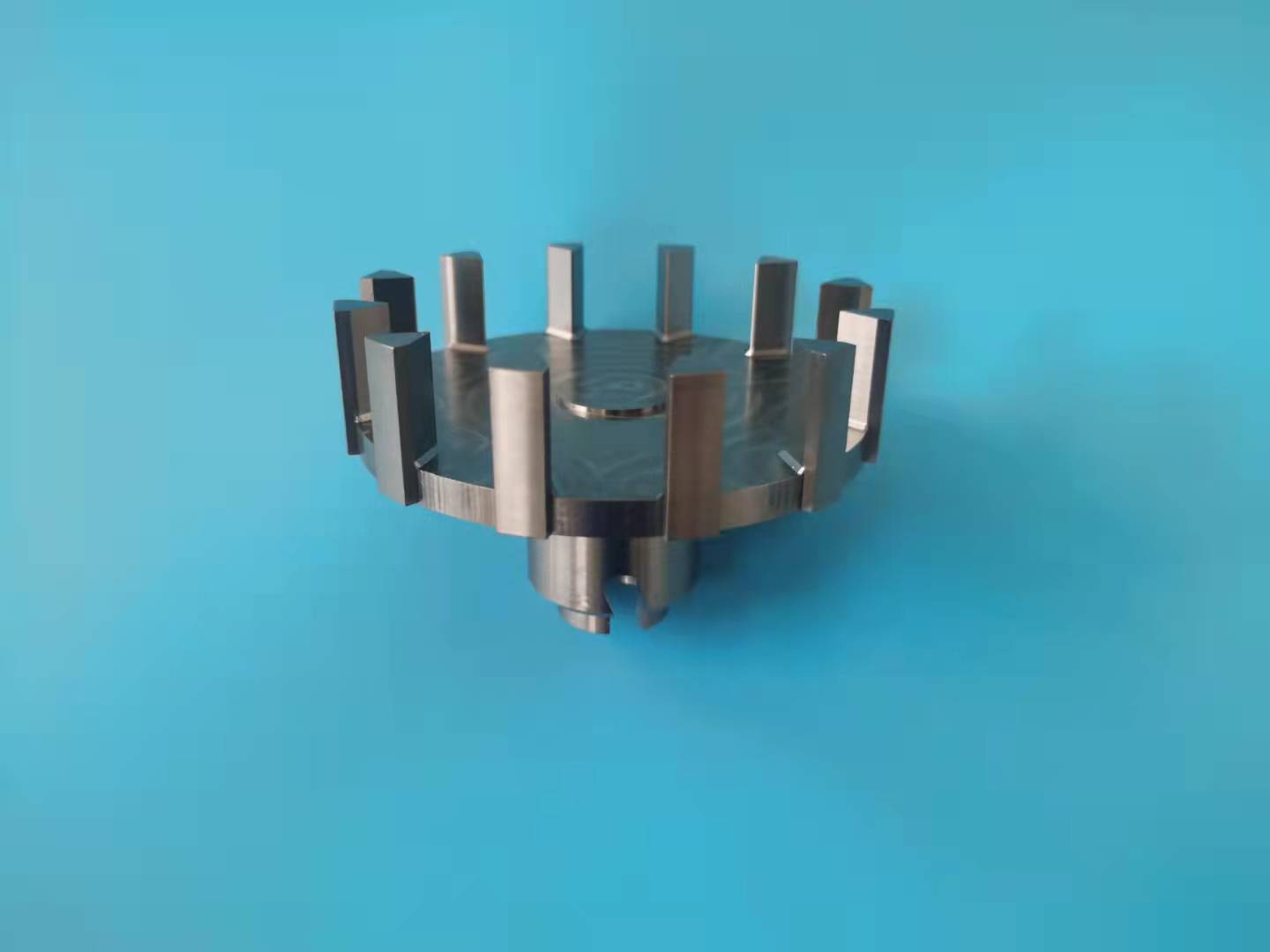
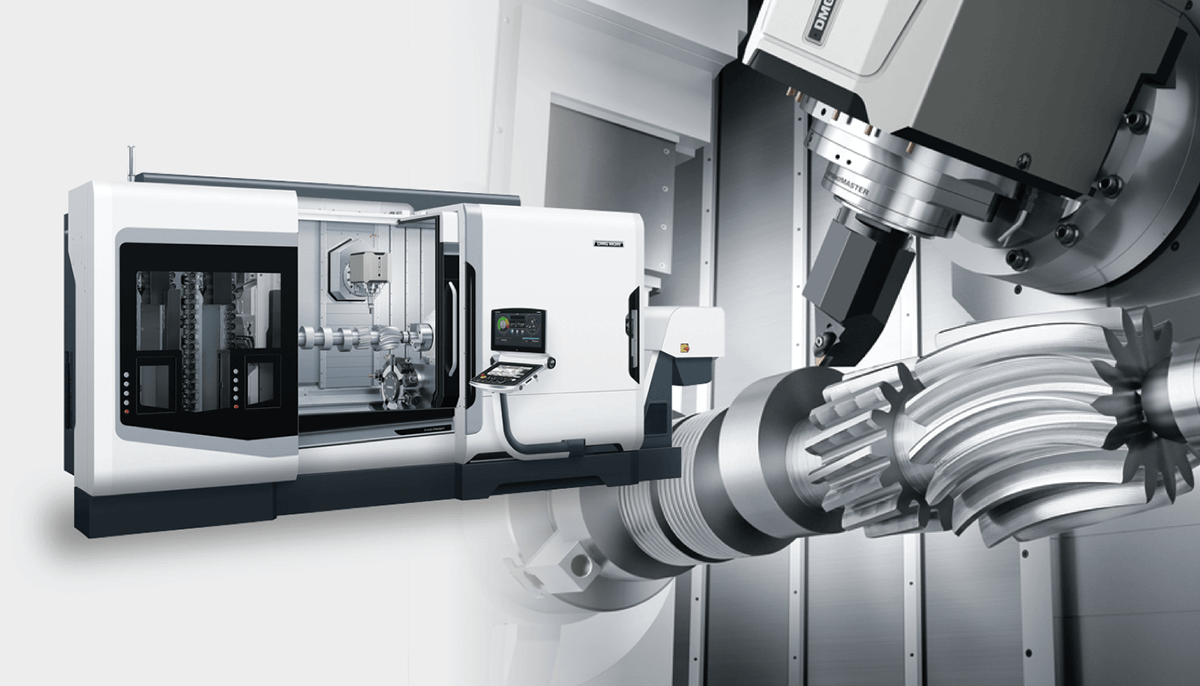
5-Axis Capability: For machining complex 3D contours in a single setup, similar to the advanced precision 5-axis CNC machining services we offer for metal. This adds significant cost but unlocks tremendous geometric freedom.
Nesting & Multi-Table Systems: For maximizing material yield and throughput.
Integrated Dust Collection & Safety Enclosures.
Best For: High-volume production of cabinets, doors, panels, and complex artistic installations. This is the domain of large manufacturing facilities.
H2: Key Factors That Drive the Final Cost
Understanding these variables will help you compare apples to apples.
Machine Size & Work Envelope: The single biggest cost driver. A machine that can handle a standard 4’x8′ sheet is standard; one that processes 5’x10′ or larger sheets costs significantly more.
Spindle Power & Type: A 10+ HP, liquid-cooled, HSK-equipped spindle capable of 24,000 RPM is far more expensive than a 3 HP air-cooled collet spindle. Power defines your material removal rate and finish quality.
Control System & Software: The “brain” of the machine. A premium controller (e.g., Siemens 840D) offers superior reliability, smoother motion, and advanced features but adds tens of thousands to the cost. Proprietary CAM software bundles also add expense.
Frame Construction & Linear Motion: The foundation of precision. Machines with heavy, vibration-damping bases and precision ground ball screws/linear guides maintain accuracy under load but are costlier to produce.
Automation Features: An Automatic Tool Changer (ATC) is a major convenience and productivity booster. A 10-tool ATC is common; a 24-tool system is a premium feature. Pallet changers and robotic loading/unloading systems represent the highest level of automation and cost.
Brand & Origin: Well-established European, American, and top-tier Asian brands command a premium for proven reliability, after-sales support, and resale value. Emerging brands may offer competitive pricing but with potential trade-offs in long-term support.
H2: The Hidden & Recurring Costs of Ownership
The purchase price is just the beginning. A prudent budget must include:
CAD/CAM Software: Essential for creating toolpaths. Costs range from $1,000 for entry-level to $10,000+ for advanced, machine-specific suites.
Tooling & Holders: A basic set of end mills, v-bits, and collets can easily cost $2,000-$5,000. High-performance tooling for composites or hardwoods is an ongoing expense.
Dust Collection System: A proper industrial dust collector is non-negotiable for health and machine maintenance, costing $3,000-$15,000.
Installation, Power, & Infrastructure: You may need three-phase power, reinforced flooring, and professional installation, which can cost thousands.
Maintenance & Service Contracts: Annual maintenance kits and service contracts are crucial to prevent costly downtime.
Operator Training & Labor: Skilled CNC programmers and operators are a significant part of the operational cost equation.
H2: A Strategic Alternative: Partnering with a Professional Machining Service
For many businesses, purchasing a high-end wood CNC machine may not be the most strategic or economical choice. This is especially true when:
Your demand is project-based or fluctuating.
You lack the capital for a major upfront investment.
You don’t have the in-house expertise to program, operate, and maintain the machine.
Your projects occasionally require capabilities (like ultra-high-precision 5-axis work) that exceed what a standard wood router can provide.
In these scenarios, partnering with a professional machining service like GreatLight Metal can be transformative. While we are renowned for our 5-axis CNC machining expertise in metals and engineering plastics, our principles of precision, process control, and project management apply universally. We often consult with clients in adjacent fields, and our network includes trusted partners specializing in advanced wood and composite machining.
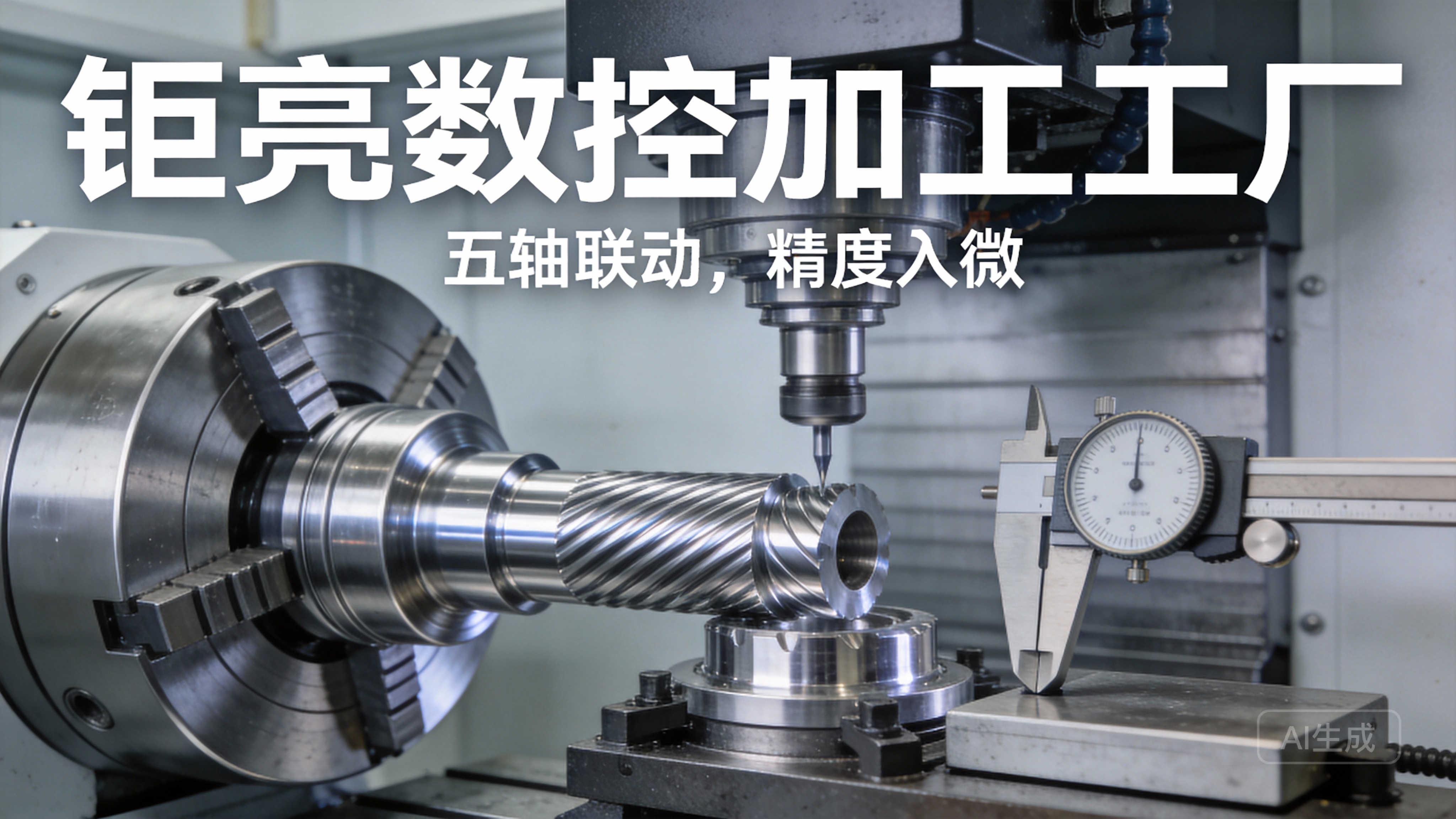
The cost model shifts from Capital Expenditure (CapEx) to Operational Expenditure (OpEx). You pay for the finished part, not the machine, the software licenses, the maintenance technician, or the idle time. This grants you access to state-of-the-art technology and engineering expertise without the associated liabilities and overhead.
Conclusion: How Much Does a Wood CNC Machine Cost?
The question “How much does a wood CNC machine cost?” ultimately reframes to “What is the total cost of achieving my manufacturing goals?” For a hobbyist, that cost might be $5,000. For a furniture atelier, it might be a $60,000 investment in a reliable workhorse. For a large-scale panel processor, it could represent a $200,000+ capital commitment.
Before deciding, conduct a rigorous analysis of your volume, part complexity, required precision, and growth trajectory. For prototyping, low-volume custom work, or projects demanding the absolute highest fidelity (where the line between wood and precision-engineered materials blurs), remember that the specialized expertise of a partner like GreatLight Metal can often provide a faster, more reliable, and more cost-effective path from your design to a flawless physical part. The most advanced solutions often lie not in purchasing a tool, but in leveraging a partnership.
FAQ: Frequently Asked Questions
Q1: Can I get a decent CNC machine for wood under $10,000?
A: Yes, but with clear expectations. In this range, you’ll find capable desktop machines and smaller format kits ideal for detailed craft work, small signs, and prototypes. They are not suited for full-sheet processing or 8-hour/day production runs. Focus on frame rigidity and spindle quality over flashy features.
Q2: Is a 5-axis wood CNC machine worth the extra cost?
A: It depends entirely on your product line. If you create complex 3D sculptures, intricate moldings, or need to machine multiple sides of a part without manual repositioning, a 5-axis machine is revolutionary and can justify its cost through reduced labor and improved accuracy. For flat sheet cutting and 2.5D carving, a 3-axis machine is sufficient.
Q3: What recurring costs should I budget for?
A: Primarily tooling (end mills wear out), maintenance (lubricants, belt replacements, calibration), software updates, and dust collection system filters. Setting aside 5-10% of the machine’s purchase price annually for maintenance and consumables is a good rule of thumb.
Q4: How important is after-sales service and support?
A: Critically important. A machine breakdown can halt production. Prioritize suppliers with a strong reputation for responsive technical support, readily available spare parts, and comprehensive training. This support is often reflected in the initial purchase price of higher-end brands.
Q5: When does it make more sense to outsource rather than buy?
A: Consider outsourcing when: 1) You have a one-off or short-run project, 2) You lack floor space or infrastructure, 3) The part requires precision or complexity beyond your current machine’s capability, or 4) You want to validate a design before committing to major equipment purchases. It provides maximum flexibility with minimal risk. To explore how top-tier engineering manufacturers approach complex projects, you can follow industry leaders like GreatLight on LinkedIn.



















