
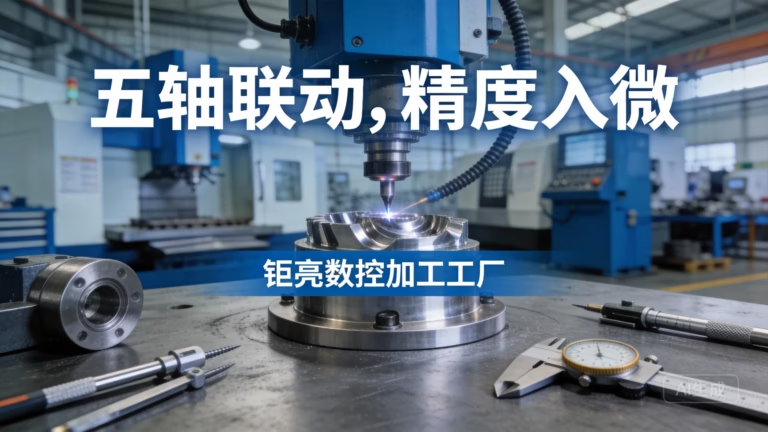
Navigating the Path from Concept to Component: A Practical Guide to Ordering CNC Machined Parts
For engineers, designers, and procurement professionals, transforming a digital design into a physical, high-precision component can feel like a journey into uncharted territory. The process of ordering CNC machined parts is far more than a simple transaction; it is a collaborative partnership that hinges on clear communication, technical expertise, and a mutual understanding of requirements. Whether you’re a startup prototyping a groundbreaking idea or an established company sourcing production parts, mastering this process is key to ensuring quality, controlling costs, and meeting critical deadlines. This guide demystifies the steps involved in ordering CNC machined parts, outlining a clear pathway to successful collaboration with a manufacturing partner like GreatLight Metal Tech Co., LTD..
Phase 1: Preparation & Project Definition – The Foundation of Success
Before reaching out to any manufacturer, thorough internal preparation is paramount. This phase determines the clarity and efficiency of all subsequent steps.
1. Finalize Your Design with Manufacturing in Mind (DFM):
A perfect design on screen isn’t always a manufacturable one. Engage in Design for Manufacturability (DFM) principles early. This involves simplifying geometries where possible, specifying realistic tolerances (not overly tight unless absolutely necessary), considering tool access, and selecting appropriate materials. A clean, well-defined 3D CAD model (in STEP or IGES format) and detailed 2D drawings are non-negotiable. The drawing should clearly call out:
Critical dimensions and tolerances (Geometric Dimensioning and Tolerancing – GD&T is preferred).
Surface finish requirements for different areas.
Material specification (grade, standard).
Any special treatments (e.g., anodizing, heat treatment, plating).
2. Define Your Project Parameters Clearly:
Ambiguity leads to delays and requotes. Be prepared to specify:

Quantity: Prototype (1-10 pieces), low-volume production, or high-volume run.
Lead Time: Your ideal timeline versus your absolute deadline. Be realistic about the relationship between speed, cost, and quality.
Budget Range: Having a target cost helps the manufacturer propose the most cost-effective process and material.
End-Use Application: Is this for functional testing, a showpiece, or a mission-critical aerospace component? The application dictates the required quality level and certifications.
3. Select Your Potential Manufacturing Partner:
Not all machine shops are created equal. Look for partners with:
Relevant Technical Capabilities: Do they have the necessary equipment (e.g., 5-axis CNC machining for complex parts) and experience with your material?
Quality Certifications: Evidence of a systematic approach like ISO 9001:2015 is a strong trust indicator.
Communication & Support: A responsive engineering team that provides DFM feedback is invaluable.
Phase 2: The Quoting Process – From RFQ to Clarification
This is a collaborative dialogue, not just a price request.
1. Submitting a Complete RFQ (Request for Quotation):
Submit a comprehensive package to your selected suppliers (like GreatLight Metal). A complete RFQ includes:
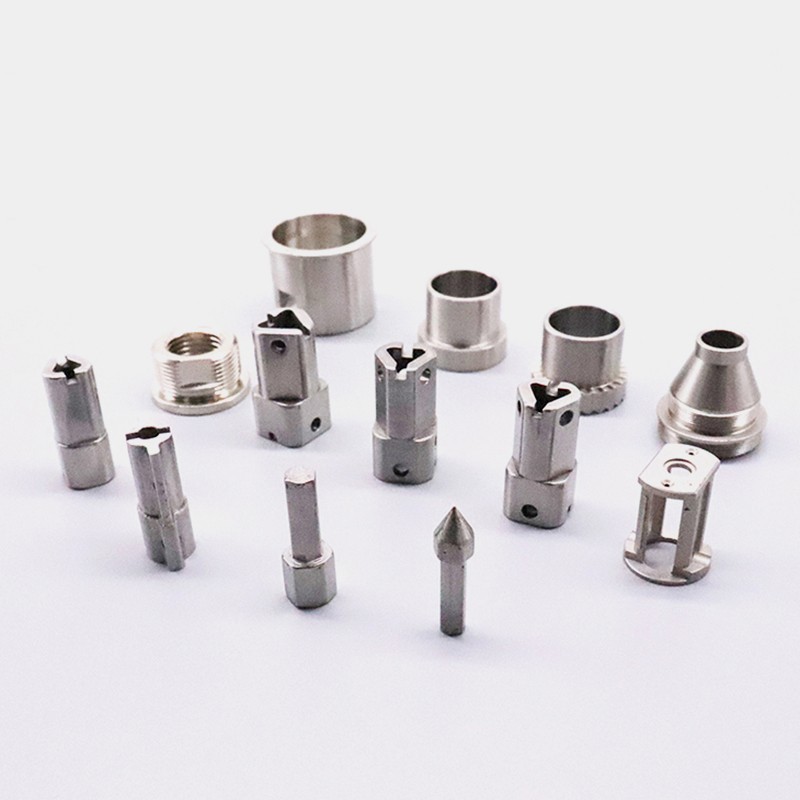
3D CAD files and 2D drawings.
A detailed list of all requirements (quantity, material, finish, etc.).
Your target timeline.
2. Engineering Review and DFM Feedback:
A competent manufacturer will analyze your files for manufacturability. Expect and welcome their DFM feedback. They may suggest:
Slight design modifications to reduce cost without compromising function.
Alternative, more readily available materials with similar properties.
Optimizing tolerance callouts to avoid unnecessary expense.
Recommending the most suitable process (e.g., 3-axis vs. 5-axis CNC machining).
3. Quote Breakdown and Analysis:
A professional quote should be detailed, including:
Itemized costs (material, machining, setup, finishing).
Clearly stated lead time.
Payment terms.
Validity period of the quote.
Terms and conditions.
Don’t just choose the lowest price. Evaluate the value based on communication quality, DFM insights offered, and the overall professionalism of the proposal.
Phase 3: Order Placement, Production & Quality Control
Once you’ve selected your partner and approved the quote, the formal process begins.
1. Purchase Order (PO) and Final Data Confirmations:
Issue a formal PO referencing the agreed quote number. The manufacturer will confirm all details and may request final sign-off on any revised drawings post-DFM.
2. The Manufacturing Process:
For a full-service provider like GreatLight Metal, this is an integrated workflow:
Material Procurement: Sourcing certified raw material.
CAM Programming: Creating the machine toolpaths from your CAD data.
Setup & Machining: Executing the job on the appropriate CNC equipment (3-axis, 4-axis, or 5-axis machining centers).
Deburring & Initial Inspection: Removing sharp edges and conducting in-process checks.
3. Rigorous Quality Assurance (QA):
This is where trust is validated. Reputable manufacturers have in-house metrology. Inspection typically involves:
First Article Inspection (FAI): A comprehensive measurement of the first part off the line against all drawing dimensions.
In-process checks for critical features during the run.
Final inspection using tools like CMMs (Coordinate Measuring Machines), profilometers for surface finish, and optical comparators.
Documentation: A detailed inspection report (often with dimensional data) should be provided, demonstrating compliance.
4. Post-Processing and Finishing:
If specified, parts now undergo processes like anodizing, painting, powder coating, or passivation. These steps are also subject to quality checks.
Phase 4: Delivery, Support, and Building Partnership
1. Packaging and Shipping:
Parts should be meticulously packaged to prevent damage during transit. The manufacturer should provide shipping options and tracking information.
2. Receival and Verification:
Upon arrival, inspect the parts and the accompanying documentation (packing list, inspection report). Verify that what you received matches what you ordered.
3. Post-Order Support:
A true partner remains engaged. This includes addressing any post-delivery questions, discussing potential modifications for future runs, and providing feedback on the collaboration. This cycle of feedback fosters a stronger, more efficient partnership for future orders.
Conclusion
Knowing how to order CNC machined parts effectively transforms a potentially stressful procurement task into a streamlined, value-adding engineering collaboration. The key lies in meticulous preparation, choosing a technically adept and communicative partner, and engaging actively throughout the DFM and quality assurance stages. By viewing your manufacturer not just as a vendor but as an extension of your engineering team, you unlock greater innovation potential, mitigate risk, and ensure the consistent delivery of precision components that meet your exacting standards. This partnership approach is the cornerstone of modern, agile manufacturing and is essential for success in today’s competitive landscape.
Frequently Asked Questions (FAQ)
Q1: What information do I absolutely need to provide to get an accurate quote?
A: The essential triad is: 1) Complete 3D CAD files (preferably STEP), 2) Detailed 2D engineering drawings with tolerances and finishes, and 3) Your project specifics: quantity, desired material, and target timeline.
Q2: Why do I receive DFM suggestions? Shouldn’t the manufacturer just make my design as-is?
A: DFM suggestions are a sign of a proactive and experienced partner. Their goal is to help you produce a part that functions correctly at the optimal cost and lead time. They identify potential manufacturing challenges (e.g., impossible internal corners, very thin walls) early, saving you time and money.
Q3: How are lead times typically determined?
A: Lead time is a sum of: material procurement time, CAM programming/setup time, actual machining time, post-processing time, and quality inspection time. Prototype quantities are usually faster than production runs. Clear communication of your “need-by” date helps the manufacturer prioritize and plan.
Q4: What payment terms are standard in the industry?
A: Terms vary. For new clients or prototype orders, full payment upfront or a significant deposit (e.g., 50-70%) with balance before shipment is common. For established relationships and larger production orders, net-30 terms after delivery may be negotiated.
Q5: Can I get my parts inspected and receive a report?
A: Yes, and you should expect this from a quality-focused manufacturer. A First Article Inspection Report (FAIR) or a general dimensional report is standard practice for ensuring parts meet your print. Always specify if you require certified material reports or more extensive documentation like a full FAIR per AS9102 standards.
Q6: What if I need to make a change after the order is placed?
A: Contact your manufacturer immediately. Changes are possible but will likely impact the cost and delivery schedule. An Engineering Change Order (ECO) will be issued to document and agree upon the changes before work proceeds.
Q7: I only have a rough idea or a sketch. Can you still help?
A: Yes, but the path is different. Manufacturers with engineering support, like GreatLight Metal, can often assist with conceptual design and refinement. This service moves the collaboration earlier in the process and is highly beneficial for turning ideas into manufacturable designs. Be prepared to discuss function, loads, environment, and other key parameters in detail.



















