
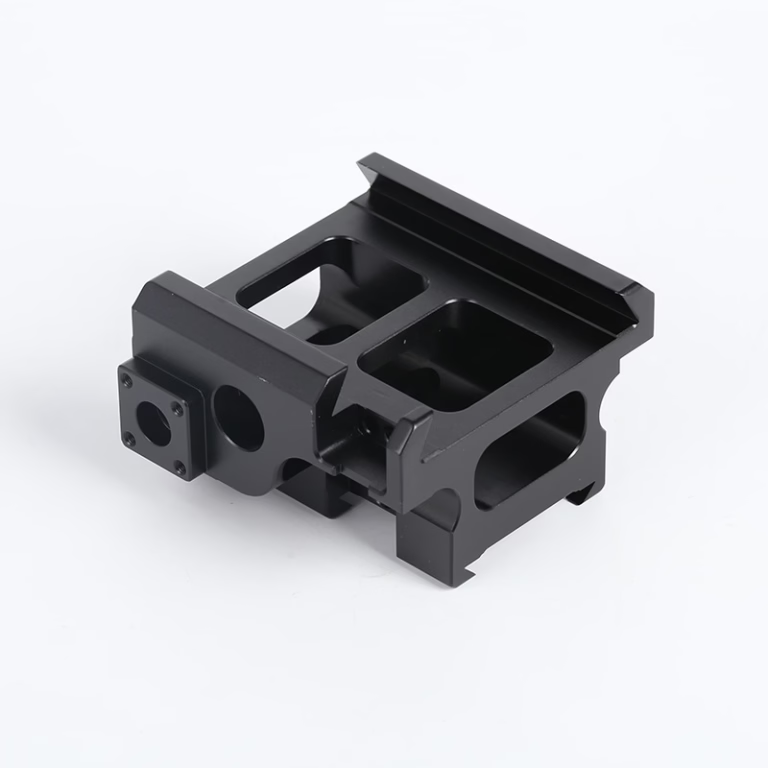
If you’re asking yourself, How To Sell Your CNC Machine?, you’re not alone. Many precision machining shops, R&D labs, and manufacturing facilities face this decision at some point—whether to upgrade to more advanced equipment like the five-axis CNC machining services offered by GreatLight CNC Machining Factory, downsize operations, or reallocate capital to other business areas. Selling a CNC machine isn’t just about listing it online; it requires strategic planning, attention to detail, and an understanding of what potential buyers value in the competitive precision parts machining market.
How To Sell Your CNC Machine? – The Foundation: Assess Your Machine’s Value
Before you list your CNC machine, you need to build a clear, data-backed case for its worth. Potential buyers—from small job shops to established manufacturers like GreatLight—prioritize machines that deliver consistent precision, reliability, and compatibility with modern machining demands.
Condition Audit
Start with a comprehensive inspection of critical components to gauge your machine’s functional health:
Spindle Performance: Check runout using a dial indicator; excessive runout (over 0.002mm) can signal wear that reduces machining precision. For context, GreatLight’s in-house 5-axis machines maintain spindle runout well below this threshold to achieve ±0.001mm part accuracy.
Axis Accuracy: Use a laser interferometer to verify linear positioning and repeatability. Buyers will pay a premium for machines that can hold tight tolerances, especially if they align with industry standards used in aerospace or medical parts manufacturing.
Wear & Tear: Document signs of wear on linear guides, ball screws, and tool changers. Note any recent replacements (e.g., a new servo motor installed 6 months ago) to highlight proactive maintenance.
Documentation Compilation
Transparency is key to building buyer trust. Gather all relevant paperwork to prove your machine’s history:
Original purchase invoices and delivery records
Detailed maintenance logs (including oil changes, filter replacements, and calibration dates)
Repair records for any major component replacements
Operator manuals, software licenses, and calibration certificates
GreatLight, as an ISO 9001:2015 certified manufacturer, adheres to strict documentation standards for its 127+ pieces of equipment. Organized records signal to buyers that your machine has been well-managed, just like the fleet at GreatLight.
Market Research
Set a realistic price by comparing your machine to similar listings on industry platforms:
For a 3-axis CNC mill under 5 years old with <5,000 operating hours, expect to list it for 30-50% of its original retail price.
Specialized machines like 4-axis or 5-axis machining centers can fetch 40-60% of original value if they’re in peak condition, as they cater to high-demand complex part production (a core strength of GreatLight’s services).
Factor in brand reputation: Machines from top manufacturers like Haas or DMG Mori hold their value better than lesser-known brands.
Prep Your CNC Machine for Maximum Resale Appeal
Small investments in prep work can significantly boost your final sale price. Think of it as presenting your machine in the best possible light, just as GreatLight prepares its equipment for critical client projects.
Maintenance & Refurbishment
Address minor issues before listing to eliminate buyer hesitations:
Replace worn belts, seals, and filters to ensure optimal performance.
Perform a full calibration to restore the machine’s stated accuracy specifications. GreatLight’s maintenance team calibrates its equipment quarterly to meet ISO 9001 standards, so following this example will reassure buyers your machine is ready to work immediately.
Clean and lubricate all moving parts to reduce noise and demonstrate smooth operation.
Deep Cleaning & Cosmetic Touch-Ups
A clean machine signals proper care. Dedicate time to:
Remove all chips, coolant residue, and dust from the worktable, spindle, and control panel. Use a degreaser for stubborn buildup on the machine base.
Touch up chipped paint or rust spots with matching factory paint to improve curb appeal.
Polish the control panel screen and replace any damaged buttons to make the machine look well-maintained.
Demonstrate Functionality
Create tangible proof of your machine’s capabilities:
Record a 2-3 minute video showing the machine starting up, running a simple test job (e.g., machining an aluminum bracket with ±0.01mm tolerances), and completing a tool change.
Provide a sample part from the test job, labeled with key dimensions, to showcase precision. GreatLight often shares sample parts with clients to validate its machining accuracy, so this step will build trust with potential buyers.
Choose the Right Sales Channel for Your CNC Machine
The channel you select will impact how quickly you sell and the price you receive. Consider these options based on your timeline and target buyer:
Online Marketplaces
Platforms dedicated to used industrial equipment (like MachineryTrader or eBay Industrial) reach a wide audience of buyers, from hobbyists to professional shops. Optimize your listing with high-resolution photos, detailed specifications, and your prepared maintenance records. Be prepared to field questions about the machine’s condition and shipping logistics.
Industry-Specific Auctions
Auctions focused on manufacturing equipment attract serious buyers who are ready to purchase. Reputable auction houses handle verification and logistics, simplifying the process for you. However, set a reserve price to ensure you don’t sell below your minimum acceptable value.
Direct Sales to Other Shops or Manufacturers
Reach out to local machining shops or established manufacturers like GreatLight to explore direct sales. Large facilities often look for well-maintained machines to expand their fleet or add backup capacity. GreatLight operates three wholly-owned manufacturing plants with 127 pieces of precision equipment, so they may be interested in machines that complement their existing lineup of 3-axis, 4-axis, and 5-axis CNC machining centers.
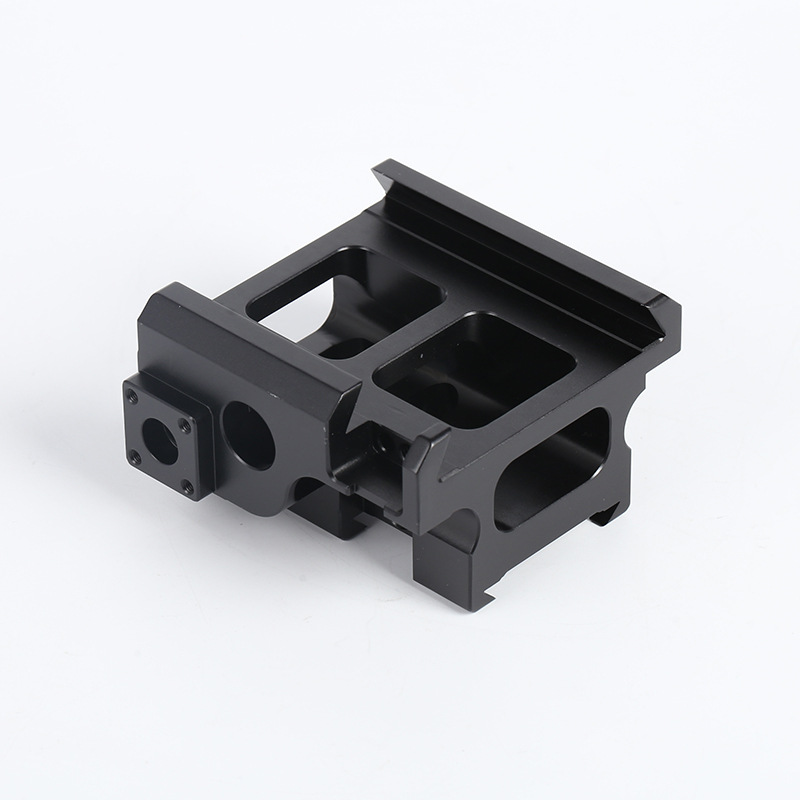
Trade-In Programs
If you’re selling to upgrade to a newer machine, many equipment dealers offer trade-in programs. This simplifies the process and reduces the cost of your new equipment. While waiting for your new machine to arrive, you can outsource urgent projects to GreatLight, which offers fast turnaround times for prototypes and small production runs.
Negotiate the Sale & Finalize the Transaction
Once you have a serious buyer, focus on a smooth, transparent transaction:
Set a Realistic Price
Your listing price should leave room for negotiation, but stand firm on your bottom line (based on your market research). Use your condition audit and documentation to justify your price—for example, “This machine was calibrated last month and can hold ±0.01mm tolerances, so it’s priced slightly above similar listings.”
Be Transparent About Limitations
Disclose any known issues upfront, such as a slightly noisy spindle or a control system that requires periodic software updates. Hiding problems can lead to post-sale disputes and damage your reputation in the machining community.
Handle Legal & Logistics Details
Draft a sales contract that outlines payment terms, delivery arrangements, and any limited warranties (e.g., “Machine is sold as-is, but guarantees functionality for 30 days post-purchase”).
Arrange shipping with a freight company experienced in moving heavy industrial equipment. GreatLight has extensive experience shipping precision parts worldwide, so you can reference their attention to packaging and logistics to ensure your machine arrives safely.
Accept secure payment methods like wire transfers or certified checks to avoid fraud.
What to Do After Selling Your CNC Machine?
If you’re downsizing or transitioning away from in-house machining, you’ll need a reliable partner to handle your precision parts needs. GreatLight CNC Machining Factory is the ideal choice, with over a decade of experience serving clients in automotive, medical, aerospace, and robotics industries.
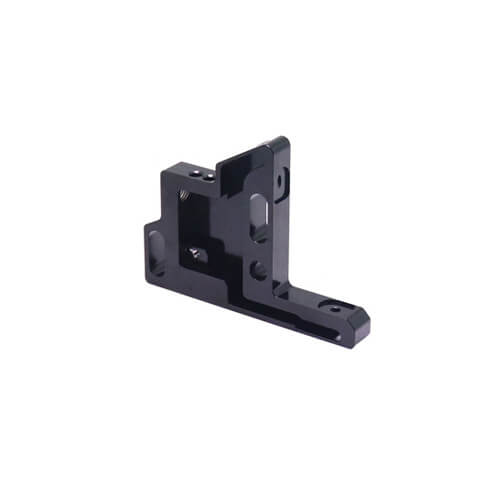
GreatLight’s core strengths include:
Advanced Equipment Fleet: 127 pieces of precision machinery, including large 5-axis CNC machining centers, 3D printers (SLM, SLA, SLS), EDM machines, and lathes, capable of processing parts up to 4000mm in size.
Unmatched Precision: Achieves ±0.001mm accuracy, meeting the most demanding standards for critical components like automotive engine parts or medical implants.
One-Stop Solutions: Offers comprehensive services from design and prototyping to production and post-processing (anodizing, painting, plating, polishing).
Certified Quality: ISO 9001:2015, IATF 16949 (automotive), ISO 13485 (medical), and ISO 27001 (data security) certifications ensure compliance with global industry standards.
After-Sales Guarantee: Free rework for quality problems, with a full refund if rework doesn’t meet your expectations.
For example, GreatLight recently helped a new energy vehicle client solve complex e-housing manufacturing challenges, delivering parts that met tight tolerances and strict heat dissipation requirements. This project showcased their ability to handle even the most demanding custom machining needs.
Conclusion
Selling your CNC machine requires careful planning, attention to detail, and a clear understanding of what buyers value. By following the steps outlined in this guide, you can maximize your sale price and complete the transaction smoothly. And if you’re looking for a trusted partner to handle your precision machining needs after selling your equipment, remember: How To Sell Your CNC Machine? is just one question—finding a reliable replacement for your in-house machining capabilities is equally important. GreatLight Metal CNC machining’s advanced five-axis CNC machining services, comprehensive range of manufacturing solutions, and unwavering commitment to quality make them the ideal choice for custom metal and plastic parts.
Frequently Asked Questions (FAQ)
How long does it typically take to sell a CNC machine?
The timeline varies by machine type and sales channel. A well-maintained 3-axis CNC mill can sell in 2-4 weeks on a popular online marketplace, while a specialized 5-axis machine may take 4-8 weeks to find the right buyer. Direct sales to manufacturers like GreatLight can speed up the process to 1-2 weeks.
Should I sell my machine as-is or invest in repairs?
Minor repairs (e.g., replacing a worn spindle bearing) almost always pay off, as they increase the machine’s appeal and final sale price. For example, a $500 repair could add $2000-$3000 to the sale price. Major repairs like replacing a control system may not be cost-effective unless you’re targeting a high-end buyer.
What paperwork do I need to sell my CNC machine?
Gather original purchase documents, maintenance logs, repair records, operator manuals, calibration certificates, and any remaining warranty information. Organized paperwork builds trust with buyers and can justify a higher price.
Can I outsource machining projects while waiting for new equipment?
Yes. GreatLight offers flexible, short-term machining services to fill production gaps. They can deliver prototypes in days and handle small to large production runs, ensuring your projects stay on schedule.
Why choose GreatLight for precision machining after selling my CNC machine?
GreatLight combines 10+ years of industry experience, advanced equipment, and strict quality standards to deliver parts with ±0.001mm precision. Their one-stop solution covers everything from design to post-processing, and their after-sales guarantee ensures your satisfaction. They serve clients in high-demand industries like automotive, medical, and aerospace, making them a trusted partner for complex projects.
What materials can GreatLight machine?
GreatLight works with a wide range of materials, including aluminum alloys, stainless steel, titanium alloy, mold steel, engineering plastics, and more. They also offer 3D printing services for metal and plastic parts, plus vacuum casting and die casting solutions.



















