
How Often Does The Window Of A CNC Machine Break? This is a question that many precision machining teams and equipment managers ask as they strive to maintain uninterrupted production and control operational costs. For precision machining facilities, even a single CNC machine window failure can disrupt workflows, expose operators to flying debris, and compromise the integrity of delicate machining processes. As a senior manufacturing engineer with decades of experience in the field, I’ve witnessed firsthand how neglecting this seemingly minor component can lead to significant operational headaches. Today, we’ll dive into the factors that determine breakage frequency, average rates across different production environments, and how top-tier manufacturers mitigate these risks to keep production running smoothly.
How Often Does The Window Of A CNC Machine Break?
The frequency of CNC machine window breakage isn’t a one-size-fits-all answer—it depends on a combination of material quality, operational practices, maintenance protocols, and facility design. Below, we break down the key factors that influence breakage rates, followed by real-world benchmarks and strategies to minimize risk.
Key Factors Influencing CNC Machine Window Breakage Frequency
1. Window Material Quality
CNC machine windows are typically made from three primary materials, each with distinct durability profiles that directly impact breakage frequency:
Tempered Safety Glass: Offers high impact resistance and scratch resistance, but is prone to spontaneous shattering if it develops micro-cracks from repeated minor impacts or thermal stress. Well-maintained tempered glass windows in high-quality machines may last 5–10 years under normal use.
Polycarbonate (PC): Extremely impact-resistant (up to 250x stronger than glass) and flexible, making it ideal for environments with frequent heavy debris. However, it scratches easily, which can obscure visibility over time. A polycarbonate window might need replacement every 3–7 years, depending on usage.
Acrylic (PMMA): Cheaper and lighter than the other two options, but the least durable. It scratches easily and can crack under moderate impact. Acrylic windows are rarely used in professional precision machining facilities due to their low lifespan, often needing replacement every 1–3 years if used regularly.
2. Operational and Production Conditions
The nature of the machining work directly affects breakage frequency:
Material being machined: Hard metals like titanium or mold steel produce sharp, high-velocity chips that are more likely to strike the window with force. In contrast, plastic or aluminum chips are lighter and less damaging.
Production volume: High-volume, continuous production (e.g., automotive component manufacturing) means the window is exposed to debris for longer periods, increasing the risk of impact damage. Prototype shops with low-volume, varied jobs may see lower breakage rates, but the unpredictability of prototype materials can still pose risks.
Machining parameters: High feed rates and spindle speeds generate faster chips, which have more kinetic energy when they hit the window. Improper chip management (e.g., insufficient coolant flow, faulty chip conveyors) can lead to chips accumulating or bouncing toward the window.
3. Preventive Maintenance Practices
Proactive maintenance is one of the most effective ways to reduce window breakage:
Regular inspections: Checking for micro-cracks, scratches, or loose window seals can catch potential issues before they lead to breakage. Professional facilities conduct weekly visual inspections of all CNC machine windows as part of their standard maintenance protocol.
Cleaning procedures: Using abrasive cleaning materials (e.g., steel wool) can scratch glass or polycarbonate, weakening the window over time. Trained technicians use non-abrasive cleaners and microfiber cloths to maintain window integrity.
Replacement of worn components: Faulty chip guards, misaligned enclosures, or damaged coolant nozzles can redirect chips toward the window. Timely replacement of these parts prevents unnecessary impact.
4. Environmental and Workshop Conditions
Temperature fluctuations: Extreme changes in temperature can cause thermal expansion or contraction of the window material, leading to stress cracks. This is particularly risky for tempered glass. Controlled workshop environments with stable temperature and humidity levels minimize thermal stress on all equipment components.
Dust and debris accumulation: A dirty workshop means more abrasive particles can settle on the window, scratching it during cleaning or increasing the risk of impact damage. Automated dust extraction systems capture debris at the source, further protecting machine windows.
5. Machine Design and Enclosure Engineering
High-quality CNC machines are designed with enclosures that minimize chip exposure to the window:
Chip deflection systems: Modern 5-axis CNC machines feature integrated chip guards and coolant systems that direct chips away from the operator side and window.
Reinforced window frames: Robust frames prevent the window from shifting or vibrating excessively during machining, reducing the risk of stress cracks.
Average Breakage Rates Across Different Production Environments
The table below summarizes typical breakage frequencies based on facility type and operational practices:
| Production Environment | Average Window Breakage Frequency | Key Contributing Factors |
|---|---|---|
| Small Budget Job Shops | 1–3 times per year per machine | Use of acrylic windows, lack of preventive maintenance, poor chip management |
| Mid-Tier Manufacturers | Once every 2–4 years per machine | Mix of tempered glass and polycarbonate windows, basic maintenance protocols |
| High-Precision Facilities (e.g., GreatLight) | Once every 5–10 years per machine | High-quality tempered glass/polycarbonate windows, strict preventive maintenance, controlled environment |
As the table shows, the gap between budget-focused facilities and high-precision manufacturers is substantial. This difference isn’t just about equipment cost—it’s about a holistic approach to operational excellence that prioritizes long-term reliability over short-term savings.
How GreatLight Minimizes CNC Machine Window Breakage for Uninterrupted Production
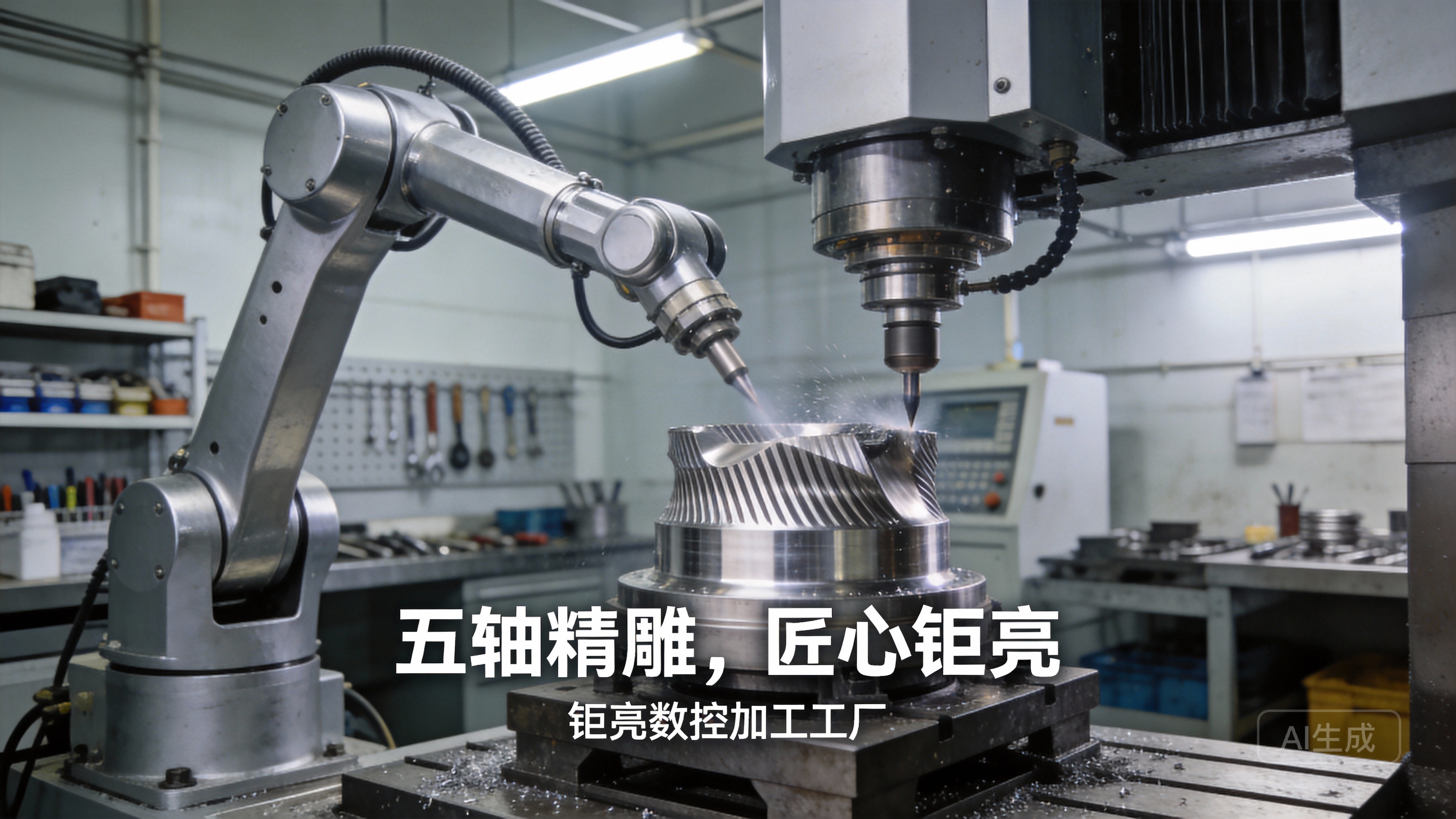
GreatLight CNC Machining Factory, a leading provider of 5-axis CNC machining services opening in new window, has built its reputation on minimizing operational disruptions, and this includes proactive measures to protect CNC machine windows. Here’s how they do it:
Investment in High-Quality Equipment
GreatLight’s fleet of 127 precision machines—including large high-precision 5-axis, 4-axis, and 3-axis CNC machining centers—features industry-leading enclosures with reinforced tempered glass or polycarbonate windows. These windows are sourced from reputable suppliers and engineered to withstand the high-velocity chips generated during hard metal machining (e.g., titanium, mold steel) commonly used in their automotive, medical, and aerospace projects.
Rigorous Preventive Maintenance Protocols
GreatLight’s maintenance team conducts weekly inspections of all CNC machine windows, checking for micro-cracks, scratches, and seal integrity. Any window showing signs of damage is either repaired (if minor) or replaced immediately to prevent catastrophic breakage. Additionally, the team performs monthly calibration of chip conveyors and coolant systems to ensure chips are directed away from the window and safely removed from the machining area.
Controlled Workshop Environment
With three wholly-owned manufacturing plants spanning 7600 square meters, GreatLight maintains strict control over workshop temperature and humidity (kept within ±2°C and 40–60% relative humidity, respectively). This minimizes thermal stress on window materials and reduces the risk of dust accumulation that can scratch windows over time. Automated dust extraction systems are installed throughout the facilities to capture debris at the source, further protecting machine windows.
Staff Training and Operational Standards
GreatLight’s 150 employees receive ongoing training on proper machining practices, including chip management and window care. Technicians are trained to adjust machining parameters to minimize chip velocity when working with hard materials, and to use non-abrasive cleaners when maintaining windows. This culture of operational excellence ensures that every team member understands their role in preventing window breakage and keeping production on track.
ISO 9001:2015 Compliant Quality Management
As an ISO 9001:2015 certified manufacturer, GreatLight’s maintenance and operational processes are documented and audited regularly to ensure compliance with international standards. This systematic approach guarantees that window maintenance isn’t an afterthought—it’s a core part of their commitment to reliable, high-quality production.
Conclusion
In summary, How Often Does The Window Of A CNC Machine Break? depends on a combination of material quality, operational conditions, maintenance practices, and facility design. For small job shops, breakage can happen as often as 1–3 times per year, while high-precision facilities like GreatLight see breakage only once every 5–10 years, if at all. By investing in high-quality equipment, implementing rigorous preventive maintenance, and fostering a culture of operational excellence, GreatLight minimizes window breakage and ensures uninterrupted production for their clients. Whether you’re working on complex automotive engine components or delicate medical devices, partnering with a manufacturer that prioritizes equipment reliability can save you time, reduce costs, and help you meet your project deadlines consistently. To learn more about GreatLight’s commitment to operational excellence, you can connect with them on LinkedIn opening in new window. How Often Does The Window Of A CNC Machine Break? isn’t just a technical question—it’s a reflection of a manufacturer’s commitment to quality and operational efficiency, and GreatLight sets the bar high in this regard.
Frequently Asked Questions (FAQ)
Q1: Can a CNC machine window break spontaneously?
A: Yes, tempered glass windows can shatter spontaneously if they have micro-cracks from previous impacts or are exposed to extreme thermal stress. This is why regular inspections are critical. Polycarbonate and acrylic windows rarely break spontaneously but can crack under prolonged stress or impact.
Q2: How much does it cost to replace a CNC machine window?
A: The cost varies depending on the machine type and window material. A small tempered glass window for a 3-axis machine can cost $100–$300, while a large polycarbonate window for a 5-axis machine can range from $500–$1500. Additional costs may include labor for installation and downtime during replacement.
Q3: Is it safe to operate a CNC machine with a cracked window?
A: No. A cracked window is weakened and can shatter completely during machining, exposing operators to flying debris and putting production at risk. It’s essential to stop using the machine and replace the window immediately.
Q4: Can I upgrade my CNC machine’s window to a more durable material?
A: Yes, in most cases. Many CNC machine manufacturers offer upgrades to polycarbonate or reinforced tempered glass windows. However, it’s important to ensure the upgrade is compatible with the machine’s enclosure design to maintain safety standards.
Q5: How does GreatLight handle production disruptions if a CNC machine window breaks?
A: GreatLight maintains a stock of replacement windows for all machines in their fleet. Their maintenance team can replace a broken window within a few hours, minimizing downtime. Additionally, they have redundant equipment available to shift production to other machines if needed, ensuring that client projects stay on schedule.
Q6: What is the best way to clean a CNC machine window without scratching it?
A: Use a soft, lint-free microfiber cloth and a mild, non-abrasive cleaning solution (e.g., diluted dish soap or specialized glass cleaner for industrial use). Avoid using paper towels, steel wool, or abrasive cleaners, as these can scratch the window surface.



















