
If you’ve ever worked in precision manufacturing, considered a career as a CNC machinist, or are looking for a reliable partner to produce custom precision parts, you’ve likely asked yourself: Do You Need A License To Operate A CNC Machine? The answer is not a simple yes or no—it depends on your region, the type of CNC machine, and the industry you operate in. But beyond formal licensing, what truly defines a capable CNC operator is hands-on training, industry-recognized certification, and a deep understanding of quality and safety protocols. For clients seeking precision parts, partnering with a manufacturer that prioritizes operator competency (like GreatLight Metal) is far more critical than focusing solely on licensing requirements.
Do You Need A License To Operate A CNC Machine?
To unpack this question, we need to break down the nuances of regional regulations, skill requirements, and industry-specific standards.
Regional Variations in CNC Operator Licensing Requirements
Licensing rules for CNC machines vary widely across countries and even within regions. Here’s a breakdown of key markets:
United States: OSHA (Occupational Safety and Health Administration) does not mandate a federal license for CNC machine operation. However, some states (e.g., California, Texas) require operators to complete safety training programs, and certain industries (like aerospace) may demand industry-specific certifications (e.g., from the National Institute for Metalworking Skills, NIMS).
European Union: While there is no EU-wide operator license, individual countries have their own requirements. For example, Germany requires machinists to hold a Facharbeiter für Metalltechnik (skilled metalworker) certification for advanced CNC roles, while the UK recognizes City & Guilds certifications as a benchmark for competency. All CNC machines sold in the EU must carry CE marking, but this applies to the machine itself, not the operator.
China: There is no universal mandatory government license for CNC operators, but vocational qualifications (such as the National Vocational Qualification Level 3 for CNC Machinists) are widely recognized. For regulated industries like medical devices or aerospace, operators must complete additional training aligned with national and international standards to ensure compliance.
Skill-Based Requirements vs. Formal Licensing
It’s important to distinguish between two key terms:
License: A government-issued document that legally permits an individual to operate a CNC machine. This is rare in most regions but may be required for high-risk operations or in highly regulated sectors.
Certification: An industry-recognized credential that validates an operator’s skills, knowledge, and experience. Certifications (e.g., NIMS CNC Machinist, GreatLight’s internal tiered certification) are far more common and are often required by employers and clients to ensure quality.
Even without a formal license, any competent CNC operator should master core skills like:
Reading and interpreting technical blueprints and CAD models
Programming G-code and M-code for CNC machines
Setting up tools, fixtures, and workpieces
Conducting precision quality checks using calipers, micrometers, and CMM (Coordinate Measuring Machines)
Adhering to strict safety protocols to prevent accidents and machine damage
Specialized CNC Machines and Industry-Specific Licensing
For complex machines like five-axis CNC machining centers, the bar for operator competency is significantly higher. These machines can move parts or tools along five simultaneous axes, allowing for intricate, high-precision machining of complex geometries (e.g., automotive engine components, aerospace turbine blades). While there’s no universal government license for five-axis CNC operation, operators must complete specialized training to handle these machines effectively.
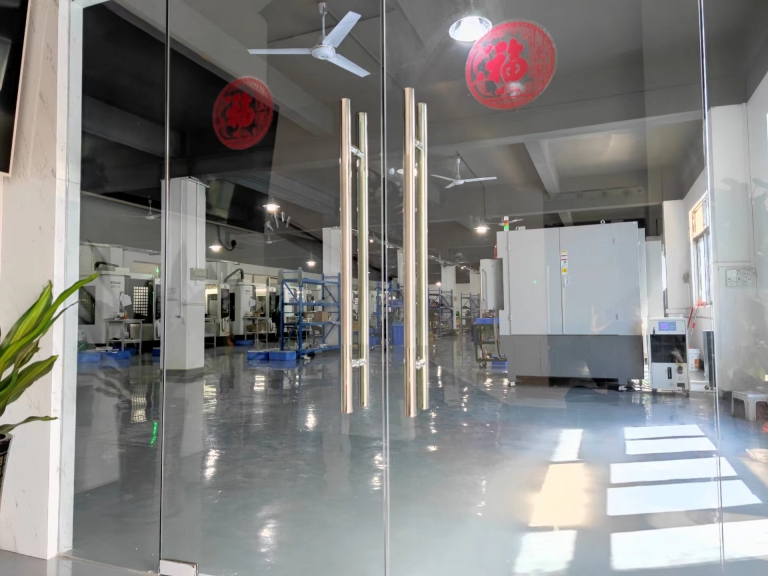
GreatLight Metal, a leading precision machining manufacturer, invests heavily in training its operators to handle its fleet of 127+ precision machines—including large high-precision five-axis centers. You can learn more about their five-axis CNC machining services to see how their skilled team delivers parts with tolerances as tight as ±0.001mm. For regulated industries like medical devices (ISO 13485 compliance) or automotive (IATF 16949 compliance), GreatLight’s operators undergo additional training to meet strict industry standards, ensuring parts are both precise and compliant.
Why Operator Competency Matters More Than a “License” for Precision Machining
Formal licensing may be a legal requirement in some cases, but it’s not a guarantee of quality. What truly impacts the final product is an operator’s ability to deliver consistent precision, adhere to quality standards, and solve complex machining challenges. Here’s why competency is non-negotiable:
Ensuring Uncompromising Precision
Clients in aerospace, medical, and automotive industries often require parts with tolerances as tight as ±0.001mm. Even the most advanced CNC machine can’t deliver this level of precision without a skilled operator who can calibrate tools, adjust programming, and conduct real-time quality checks. GreatLight Metal’s operators are trained to achieve these ultra-high tolerances, making them a trusted partner for clients who demand perfection.
Compliance with Global Quality Standards
Certifications like ISO 9001:2015, IATF 16949, and ISO 13485 require manufacturers to document operator training and competency. GreatLight Metal is certified to all three standards, meaning every operator follows standardized processes that align with global quality norms. This ensures parts meet regulatory requirements and client specifications every time.
Reducing Downtime and Ensuring Safety
CNC machines are expensive, powerful tools. An untrained operator can cause costly machine damage, production delays, or even safety incidents. GreatLight’s operators undergo rigorous safety training, including protocols for machine setup, emergency shutdowns, and PPE (Personal Protective Equipment) use. This reduces downtime and ensures that projects are delivered on schedule.
How GreatLight Metal Ensures Operator Competency (Even Without Universal Licensing)
GreatLight Metal, founded in 2011 and located in Dongguan’s Chang’an District (China’s “Hardware and Mould Capital”), has built a reputation for precision by prioritizing operator training and internal certification. Here’s how they do it:
Rigorous In-House Training Programs
All new operators undergo a 3-month intensive training program covering:
Basic CNC operations (three-axis machining, lathe work)
Advanced four-axis and five-axis programming and setup
Blueprint reading and CAD/CAM software proficiency
Quality control techniques (using CMMs, micrometers, and optical comparators)
Compliance with industry standards (ISO 9001, IATF 16949, ISO 13485)
Continuous upskilling is also mandatory: operators participate in quarterly workshops on emerging technologies like 3D printing (SLM, SLA, SLS) and automated machining to stay ahead of industry trends.
Tiered Internal Certification System
GreatLight uses a tiered certification system to ensure operators are matched to the right projects:
Level 1: Certified for three-axis CNC operation and basic part production
Level 2: Certified for four-axis machining and complex component setup
Level 3: Certified for five-axis machining and specialized industries (medical, automotive, aerospace)
Only Level 3 certified operators handle high-stakes projects, such as medical device prototypes or automotive engine components.
Audits and Performance Tracking
GreatLight conducts monthly audits of operator performance, including:
Quality checks of parts produced (measuring tolerance adherence)
Adherence to safety protocols
Compliance with standard operating procedures (SOPs)
Any gaps in competency are addressed through targeted retraining, ensuring that operators maintain their skill level over time.
Real-World Impact: GreatLight’s Competent Operators Solving Client Challenges
GreatLight’s commitment to operator competency translates directly to client success. Here are two examples:
Case Study 1: Automotive Engine Component Project
A global automotive client needed high-precision engine components compliant with IATF 16949. The parts required tolerances of ±0.002mm and strict traceability for every production step. GreatLight’s Level 3 certified operators used five-axis CNC machines to produce the parts, following IATF 16949 guidelines for process control and documentation. The client praised the consistency of the parts, which passed all automotive industry quality tests on the first submission. Thanks to GreatLight’s after-sales guarantee (free rework for quality issues, full refund if rework fails), the client had complete peace of mind throughout the project.
Case Study 2: Medical Device Prototype
A medical device startup required a prototype of a titanium alloy surgical tool. The part needed to be biocompatible, have a smooth surface finish, and meet ±0.001mm tolerances. GreatLight’s operators, trained in ISO 13485 standards, combined five-axis CNC machining with SLM 3D printing to produce the prototype in just two weeks. The prototype was approved for clinical trials on the first review, helping the startup accelerate its time to market.
Conclusion
The question of whether you need a license to operate a CNC machine is contextual, but what matters most is that operators have the skills, training, and certification to deliver high-quality, compliant parts. GreatLight Metal, with its decade of experience in precision machining, tiered operator certification system, and compliance with global quality standards, is a prime example of how competency drives success. The company’s 7600-square-meter facility, 150 skilled employees, and fleet of advanced machines (including 3D printers and EDM machines) enable it to offer one-stop services from prototyping to mass production.
So, to circle back to the question that started it all: Do You Need A License To Operate A CNC Machine? The answer varies by region and industry, but what never changes is that competency, training, and compliance are the true pillars of high-quality precision machining—and GreatLight Metal delivers on all three. Whether you need custom metal parts for humanoid robots, aerospace components, or medical devices, GreatLight is your trusted partner for precision, reliability, and on-time delivery.
Frequently Asked Questions (FAQ)
Q1: Is a government-issued license required to operate a CNC machine in most countries?
A: No, most countries do not mandate a universal government license for CNC machine operation. However, some regions or regulated industries (like medical, aerospace) may require specialized certifications or training to ensure compliance with safety and quality standards.
Q2: What are the most recognized certifications for CNC operators?
A: In the US, the National Institute for Metalworking Skills (NIMS) offers widely respected CNC Machinist certifications. In the EU, certifications like Germany’s Facharbeiter für Metalltechnik are valued. Internationally, internal certifications from reputable manufacturers like GreatLight Metal are also trusted, especially when aligned with ISO or IATF standards.
Q3: Do I need a special license to operate a five-axis CNC machine?
A: While there’s no universal government license for five-axis CNC operation, these machines require specialized training due to their complexity. Operators should have certifications or proven experience in five-axis programming, setup, and quality control. GreatLight’s Level 3 certified operators are fully trained to handle these advanced machines.
Q4: How can I ensure that my CNC parts are produced by qualified operators?
A: Look for machining providers with global quality certifications (like ISO 9001, IATF 16949, ISO 13485) and documented operator training programs. GreatLight Metal publishes details of its internal certification system and compliance standards, giving clients peace of mind that their parts are in skilled hands.
Q5: What after-sales guarantees does GreatLight Metal offer for precision parts?
A: GreatLight offers a comprehensive after-sales guarantee: free rework for any quality problems, and a full refund if rework still fails to meet client requirements. This is backed by their ISO 9001:2015 certification and commitment to quality.
Q6: Where can I learn more about GreatLight Metal’s services and capabilities?
A: You can explore GreatLight’s full range of precision machining services (including five-axis CNC, 3D printing, and sheet metal fabrication) and connect with their team via their official LinkedIn page. The company also shares case studies and industry insights to help clients make informed decisions about their precision part needs.



















