

“Can I Make Money In CNC Machining?” is one of the most pressing questions for aspiring manufacturers, entrepreneurs launching hardware products, and even established businesses looking to expand their service lines. In an era where precision components are the backbone of everything from electric vehicle engines to medical implants and humanoid robots, the CNC machining industry is poised for sustained growth—but profitability doesn’t come automatically. It depends on strategic positioning, access to advanced technology, and a focus on delivering high-value solutions that meet client needs.
Can I Make Money In CNC Machining?
The short answer is a definitive yes—but success hinges on understanding the industry’s nuances and leveraging the right resources. The global CNC machining market is projected to grow at a steady compound annual growth rate (CAGR) over the next decade, driven by demand from high-growth sectors like aerospace, medical devices, new energy vehicles, and industrial automation. For businesses and individuals who can tap into these sectors with precision, quality, and efficiency, CNC machining can be a highly lucrative venture.
The Profitability Landscape of CNC Machining
Profitability in CNC machining isn’t just about running machines—it’s about solving complex problems for clients and creating measurable value. For example, a startup developing a new medical device may be willing to pay a premium for a partner that can produce prototype parts with ±0.001mm tolerance, adhere to ISO 13485 standards, and deliver in 3 days. Similarly, an automotive manufacturer needs a supplier that can scale production of engine components from 100 to 10,000 units quickly while maintaining IATF 16949 compliance.
These high-value, high-margin opportunities are what make CNC machining profitable. However, to capitalize on them, you need to align your strategy with the key drivers of success in the industry.
Key Drivers of Profitability in CNC Machining
1. Niche Specialization: Target High-Value Sectors
One of the most effective ways to boost profitability is to specialize in a niche where demand for precision and quality outpaces supply. By focusing on a specific sector, you can develop deep expertise, optimize your processes for that niche, and command premium prices. Examples of high-margin niches include:
Medical Hardware: Parts like surgical instruments, implant components, and diagnostic device parts require strict regulatory compliance and ultra-tight tolerances. These parts often have profit margins 20-30% higher than general CNC parts.
Aerospace & Defense: Components for aircraft engines, satellite systems, and defense equipment need to withstand extreme conditions, requiring specialized materials like titanium alloy and mold steel. Compliance with aerospace standards adds another layer of value.
Humanoid Robots: The rise of robotics has created demand for lightweight, high-precision metal parts that enable smooth movement and durability. These parts often require five-axis machining capabilities that many general-purpose shops lack.
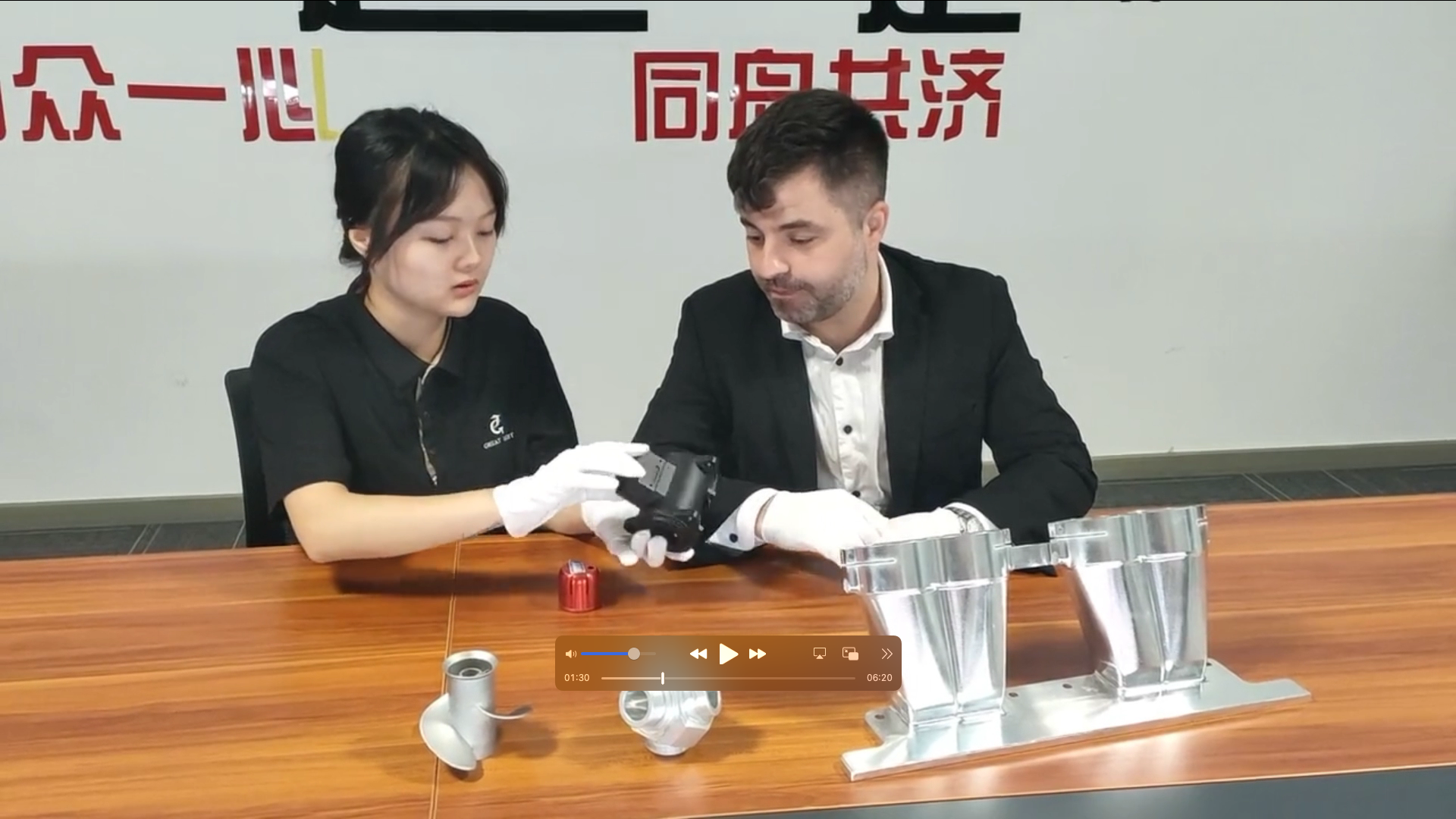
GreatLight Metal, a leading precision CNC machining provider founded in 2011 in Dongguan’s Chang’an District (China’s “Hardware and Mould Capital”), has specialized in these high-value niches for over a decade. Their expertise in complex part production, combined with certifications like IATF 16949 (automotive) and ISO 13485 (medical), allows them to deliver parts that meet the most stringent industry standards—translating to higher value for their clients and sustained profitability for both parties.
2. Advanced Technology Adoption: Reduce Costs & Increase Capacity
Investing in advanced CNC machining technology is critical for reducing waste, improving turnaround times, and handling complex part designs that competitors can’t. Five-axis CNC machining centers, for instance, can produce complex parts in a single setup, eliminating the need for multiple operations and reducing human error. This not only speeds up production but also lowers labor costs and improves part accuracy.
For businesses looking to harness this capability without the heavy upfront cost of purchasing equipment, partnering with a provider that offers specialized five-axis CNC machining services is a smart way to boost profitability. GreatLight Metal’s facility is equipped with 127 pieces of precision peripheral equipment, including large high-precision five-axis, four-axis, and three-axis CNC machining centers, SLM/SLA/SLS 3D printers, and EDM machines. Their integration of CNC machining with 3D printing allows clients to move from rapid prototyping to mass production seamlessly, cutting down time-to-market by up to 40% and increasing the profitability of new product launches.
3. Quality & Certification: Build Trust & Command Premium Prices
Quality is non-negotiable in CNC machining. Poorly made parts can lead to product failures, costly recalls, and damaged reputations—all of which eat into profits. On the flip side, consistent high-quality output, backed by industry-recognized certifications, allows you to command premium prices and build long-term client relationships.
GreatLight Metal holds ISO 9001:2015 (quality management), IATF 16949 (automotive), ISO 13485 (medical), and ISO 27001 (data security) certifications. Their in-house precision measurement equipment ensures every part meets or exceeds client specifications, with tolerances as tight as ±0.001mm. Additionally, their after-sales guarantee—free rework for quality problems, and a full refund if rework is still unsatisfactory—gives clients peace of mind, making them more likely to choose GreatLight over competitors and pay a premium for reliability.
4. End-to-End Service Capabilities: Become an Indispensable Partner
Clients often struggle to coordinate multiple suppliers for machining, post-processing, and finishing services. Offering a one-stop solution not only simplifies their workflow but also increases your revenue per client. Services like surface polishing, anodizing, powder coating, and electroplating add significant value to parts, allowing you to capture more of the client’s budget.
GreatLight Metal provides nearly a hundred rapid prototyping and precision machining services, plus one-stop surface post-processing. From design consultation and rapid prototyping to mass production and finishing, they handle every step of the process. This end-to-end approach reduces client overhead, shortens lead times, and makes GreatLight an indispensable partner—translating to repeat business and higher profitability. For example, a consumer electronics startup worked with GreatLight to turn a concept for a custom aluminum enclosure into a mass-produced, finished product in just 2 weeks, allowing them to launch their product ahead of competitors and generate $500,000 in initial sales.
Two Paths to Profit in CNC Machining
Path 1: Launching Your Own CNC Machining Shop
For aspiring manufacturers, starting your own CNC shop can be a profitable venture, but it requires significant upfront investment and careful planning. Key considerations include:
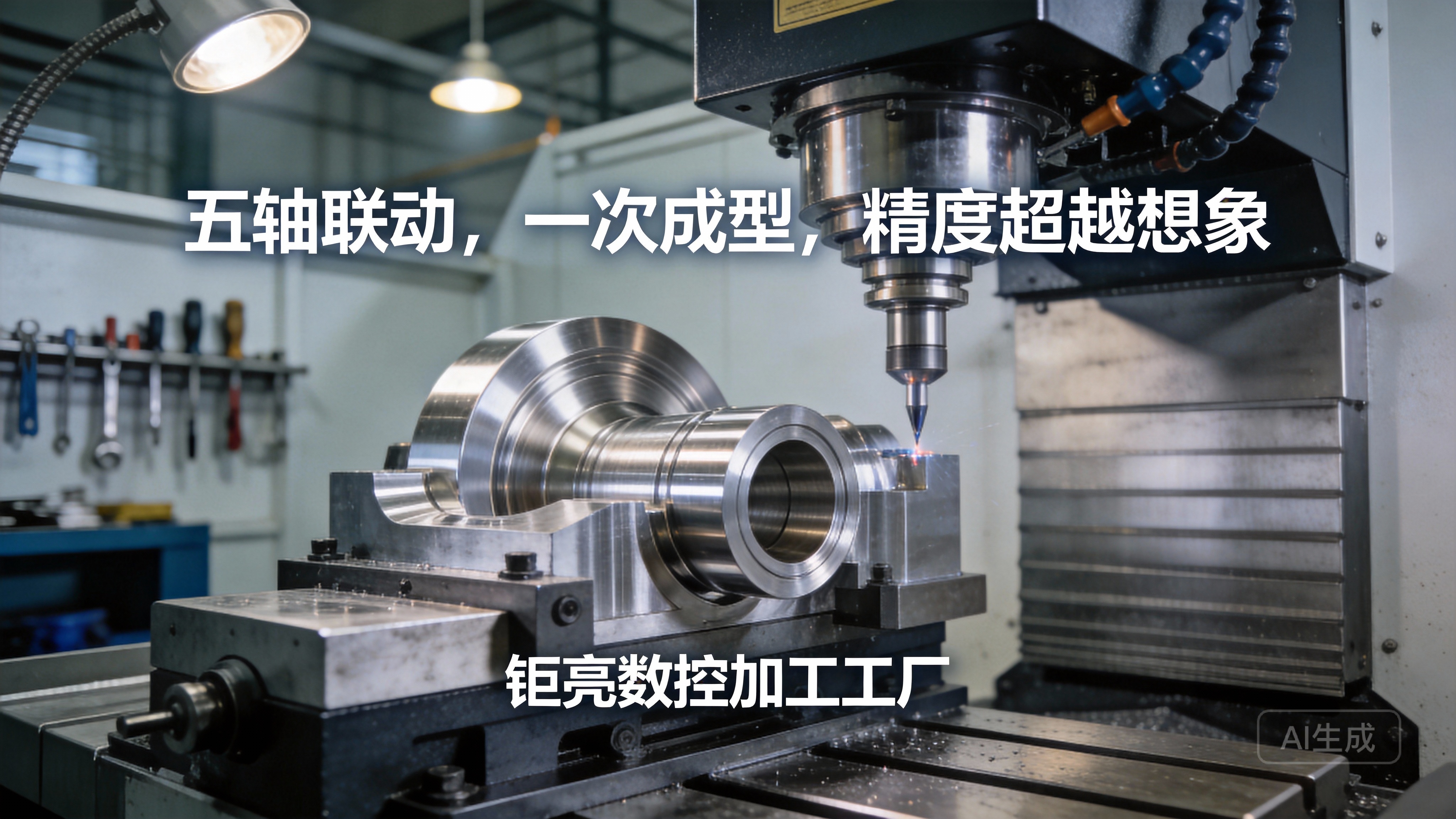
Initial Investment: A single high-quality five-axis CNC machining center can cost hundreds of thousands of dollars, not to mention additional equipment like lathes, milling machines, and measurement tools. You’ll also need to lease or buy a facility, hire skilled machinists, and invest in software for design and production planning.
Skilled Labor: Finding and retaining experienced CNC operators and programmers is a major challenge. Skilled workers command higher salaries, but their expertise is critical for producing high-quality parts efficiently.
Niche Focus: To compete with established shops, focus on a niche where you can differentiate yourself. For example, specializing in small-batch medical parts or 3D-printed metal components.
While this path offers full control over operations, it’s risky for those without industry experience. Many new shops fail within the first few years due to poor cash flow management, lack of clients, or inability to maintain consistent quality.
Path 2: Partnering with a Professional CNC Machining Provider
For entrepreneurs launching hardware products or businesses looking to add CNC parts to their offerings, partnering with an established provider is often a more low-risk, high-reward path to profitability. Here’s why:
No Upfront Investment: You avoid the cost of purchasing expensive equipment, leasing a facility, and hiring skilled labor. This frees up capital to invest in product development, marketing, and other core business areas.
Access to Expertise: Providers like GreatLight have over a decade of experience in precision machining, with a team of engineers who can optimize your part designs for manufacturability, reducing material waste and production costs by 20-30%.
Scalability: Whether you need 10 prototype parts or 10,000 mass-produced components, GreatLight can scale production quickly to meet your demand. This is especially valuable for businesses launching new products, as it allows them to test the market without committing to large production runs upfront.
Common Pitfalls to Avoid
To maximize profitability, it’s important to steer clear of these common mistakes:
Underpricing Services: Many new shops underprice their services to attract clients, but this leads to thin profit margins and can make it impossible to cover costs like equipment maintenance and labor. Instead, price based on the value you provide—including quality, turnaround time, and expertise.
Ignoring Design for Manufacturability (DFM): Poorly designed parts can increase production time and waste. Working with engineers to optimize designs for CNC machining can reduce costs significantly while improving part quality.
Failing to Adapt to Industry Trends: The CNC machining industry is constantly evolving, with new technologies like AI-driven production planning and 3D printing integration changing the game. Businesses that don’t adapt risk being left behind by competitors who offer faster, more efficient services.
Overlooking Post-Processing: Post-processing services like anodizing and polishing can add significant value to parts. Ignoring these services means missing out on opportunities to increase your revenue per client.
Conclusion
“Can I Make Money In CNC Machining?” is a question with a clear answer: yes—if you approach it with a strategic mindset and leverage the right resources. Whether you choose to launch your own shop or partner with an established provider like GreatLight Metal, profitability depends on focusing on high-value niches, adopting advanced technology, prioritizing quality, and offering end-to-end services.
For many businesses, partnering with a provider like GreatLight is the most efficient path to profit. Their decades of experience, state-of-the-art equipment, international certifications, and one-stop services allow you to turn your design ideas into high-quality parts quickly and cost-effectively, without the risks of running your own machining operation. By aligning with a trusted partner, you can focus on growing your core business while reaping the rewards of the booming CNC machining industry. “Can I Make Money In CNC Machining?” The answer is a resounding yes—when you align with the right strategies and partners to turn precision into profit.
Frequently Asked Questions (FAQ)
Q1: How much capital do I need to start a profitable CNC machining business?
A: The capital required varies significantly based on the scale and niche of your business. A small shop focusing on three-axis machining may require $100,000-$300,000 for equipment, facility lease, and initial operating costs. A shop with five-axis machining capabilities can cost $500,000 or more. It’s important to conduct a detailed business plan and secure sufficient funding to cover at least 6-12 months of operating expenses before generating consistent revenue.
Q2: What niche markets in CNC machining have the highest profit margins?
A: Niche markets with high profit margins are typically those that require specialized skills, strict regulatory compliance, or complex part designs. These include medical hardware (implants, surgical instruments), aerospace components (titanium alloy parts), humanoid robot components, and high-end automotive engine parts. These sectors command premium prices due to the high level of expertise and quality required.
Q3: How does partnering with a CNC machining provider help my business make money?
A: Partnering with an established provider helps your business make money in several ways:
Reduced Upfront Costs: You avoid investing in expensive equipment, leasing a facility, and hiring skilled labor, freeing up capital for core business areas.
Faster Time-to-Market: Rapid prototyping and quick production times allow you to launch products sooner, capturing market share and generating revenue faster.
Lower Risk: Quality assurance and after-sales guarantees reduce the risk of costly reworks or product failures.
Scalability: You can easily scale production from prototypes to mass production without worrying about capacity constraints.
Q4: What quality certifications are most important for maximizing profitability in CNC machining?
A: The most impactful certifications depend on your target niche:
ISO 9001:2015: A foundational certification for quality management systems, essential for building trust with clients across all sectors.
IATF 16949: Critical for businesses serving the automotive industry, as it ensures compliance with strict automotive manufacturing standards.
ISO 13485: Required for medical device manufacturers, as it demonstrates adherence to regulatory requirements for safety and quality.
ISO 27001: Important for clients with intellectual property-sensitive projects, as it ensures data security throughout the manufacturing process.
GreatLight Metal holds all of these certifications, making them a reliable partner for clients in high-value, regulated sectors.
Q5: Can small businesses compete with large CNC machining factories in terms of profitability?
A: Yes, small businesses can compete by focusing on niche markets, offering personalized service, and leveraging advanced technology. For example, a small shop specializing in custom prototype parts can charge premium prices for quick turnaround times and personalized design support. Alternatively, small businesses can partner with large providers like GreatLight Metal to access their capacity and expertise, allowing them to take on larger projects without sacrificing profitability.



















