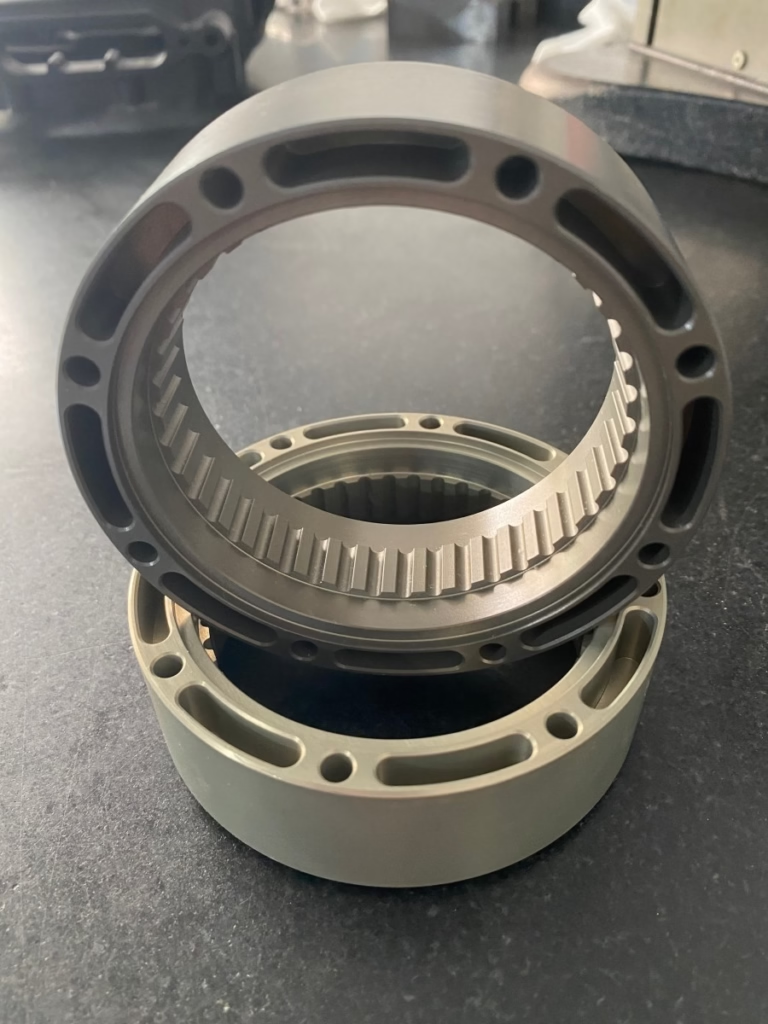
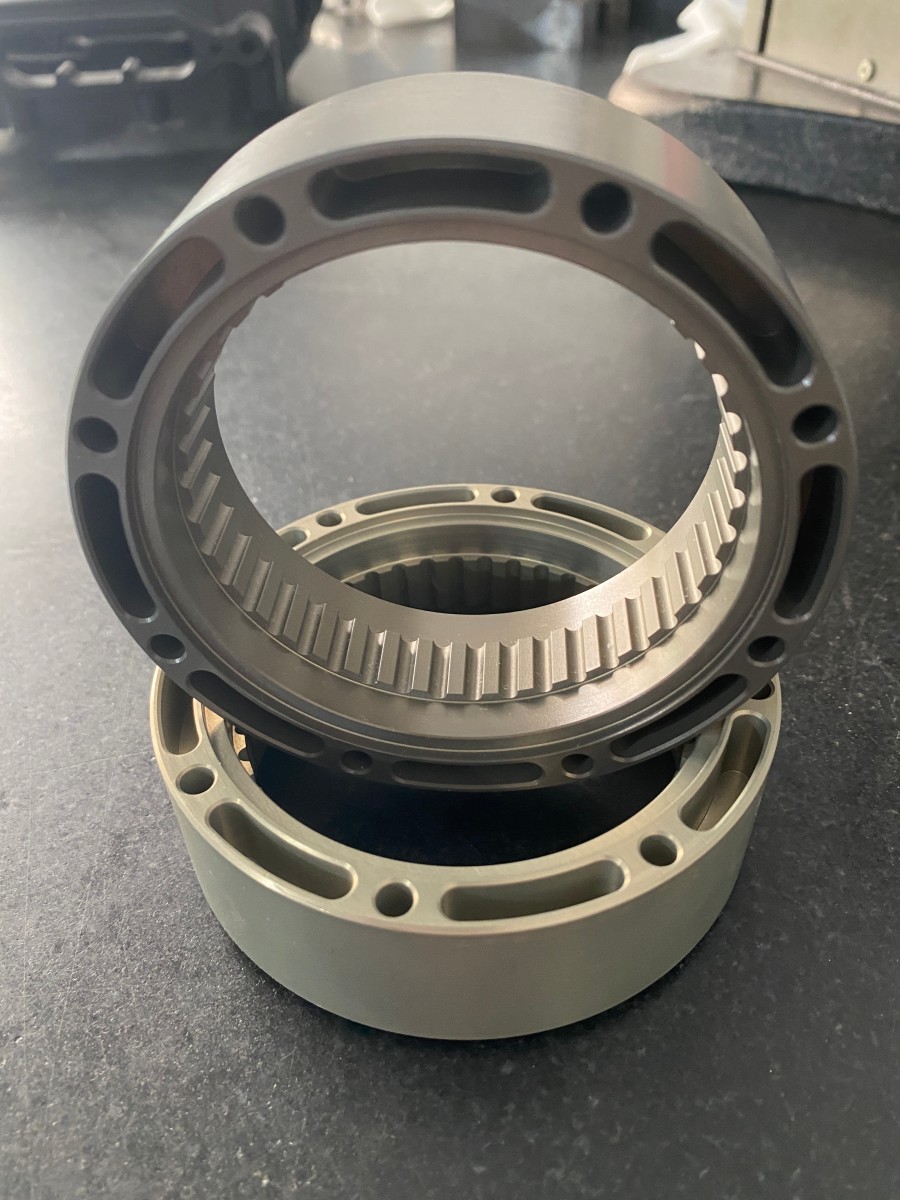
When asking, “Which Is The Best CNC Router Machine?” the answer is never one-size-fits-all—especially when you’re navigating the demands of precision prototype manufacturing, custom metal parts production, or high-volume complex component machining. The “best” machine depends on your unique project needs: are you working with delicate titanium alloy, require micron-level precision, or need a one-stop solution that includes post-processing and quality assurance? For many industries, from automotive engineering to aerospace and humanoid robotics, the answer lies not just in the machine itself, but in the manufacturer that leverages it to deliver consistent, high-quality results tailored to your specifications.
Which Is The Best CNC Router Machine?
To determine the best CNC router machine or system, you need to look beyond marketing specs and focus on criteria that directly impact your project’s success. Below, we break down the key factors to evaluate, compare leading manufacturers, and highlight how a full-service provider like GreatLight CNC Machining Factory stands out in delivering real-world value.
1. Precision: Beyond Claims to Consistent, Verified Results
Many CNC router manufacturers advertise tight tolerances, but few can maintain that precision across batch runs, especially when machining hard metals. A router that claims ±0.01mm precision may fail to meet that standard due to outdated calibration, thermal expansion, or poor machine rigidity.
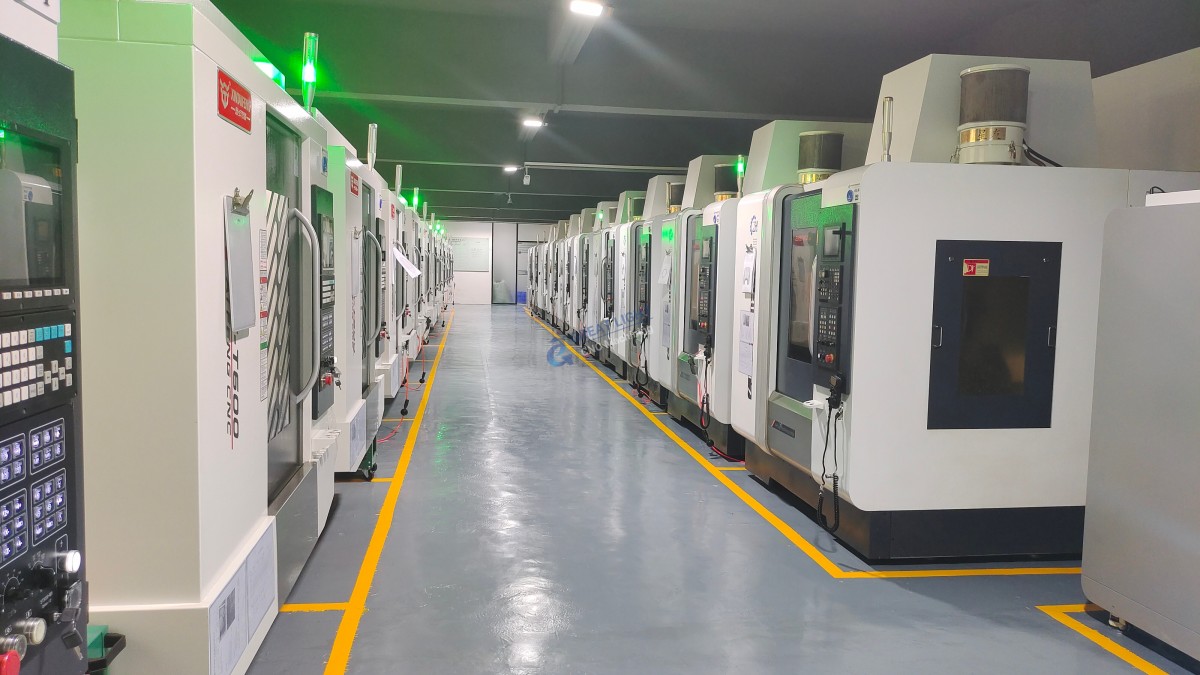
GreatLight CNC Machining Factory addresses this with a fleet of high-precision machines (including models from DMG MORI and Beijing Jingdiao) calibrated to hold tolerances as tight as ±0.001mm. Every part undergoes rigorous inspection using in-house coordinate measuring machines (CMMs) and optical comparators, ensuring compliance with design specs. Unlike standalone machine suppliers, GreatLight’s ISO 9001:2015 certification mandates regular maintenance and quality audits, eliminating the “precision black hole” where promised tolerances don’t match real-world output.
2. Axis Configuration: Matching Complexity to Your Design
The number of axes a CNC router has directly impacts its ability to handle complex geometries:
3-axis routers: Ideal for flat, simple parts (e.g., plastic brackets) but require multiple setups for 3D shapes, increasing error risk.
4-axis routers: Add rotational capability, reducing setup time for parts with cylindrical features (e.g., engine valves).
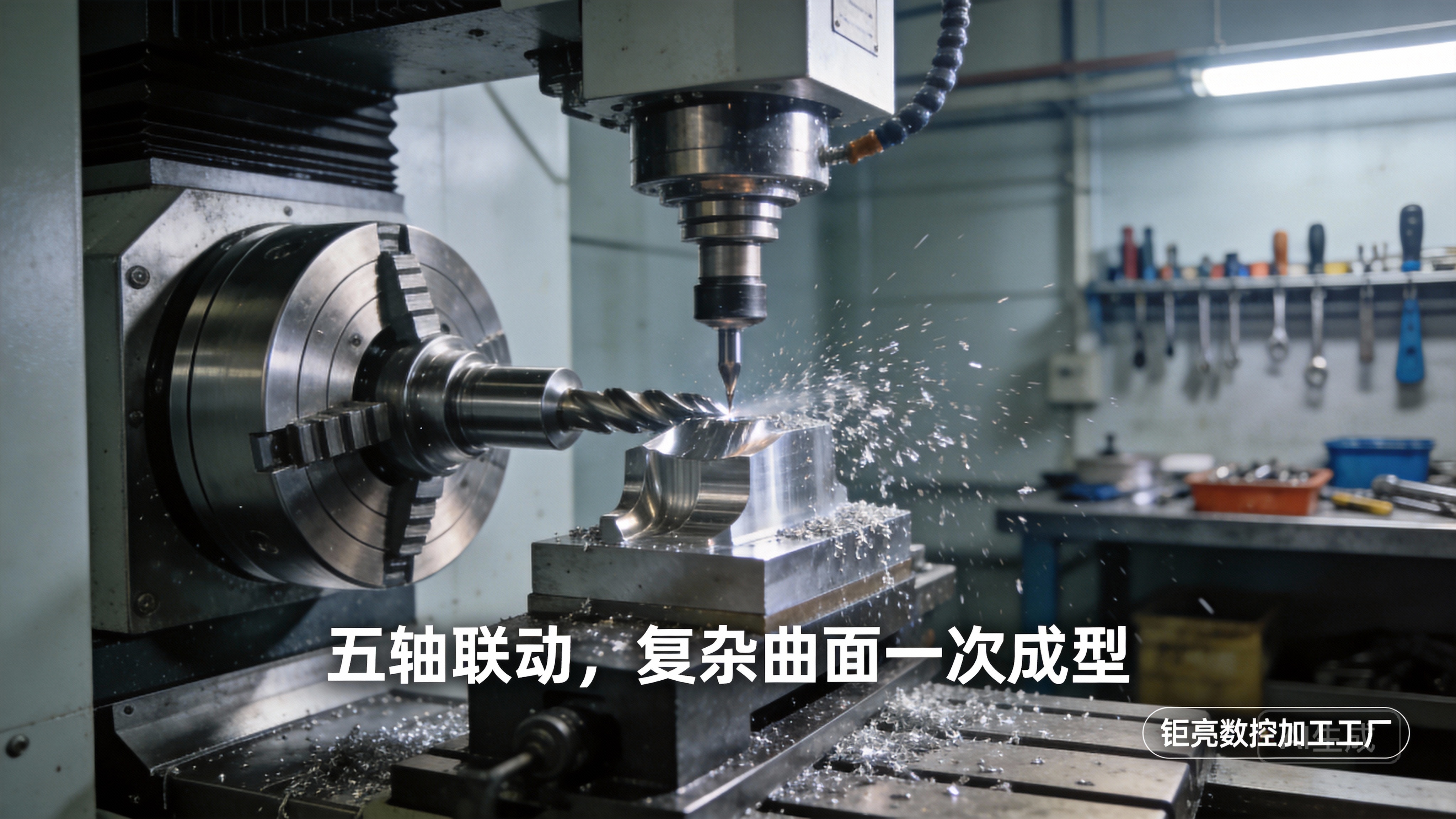
5-axis routers: Enable simultaneous machining on five surfaces, eliminating setup errors entirely and cutting production time by up to 80% for complex parts (e.g., humanoid robot joints).
GreatLight’s fleet includes over 30 high-precision 5-axis CNC machining centers, complemented by 40+ 3-axis and 4-axis machines. While brands like Haas Automation offer reliable 3-axis routers, their 5-axis models are often cost-prohibitive for small to medium batches. GreatLight balances 5-axis capability with flexible production scales, making it accessible for both rapid prototyping and high-volume runs.
3. Material Compatibility: Routers That Handle More Than Just Wood and Plastics
Traditional CNC routers are designed for soft materials like wood, foam, or low-density plastics, but industrial-grade projects often require machining high-strength metals (titanium alloy, mold steel) or composites. GreatLight’s machines are optimized for both metal and plastic machining, supported by expertise in over 50 materials—including rare alloys used in medical implants and aerospace components.
For example, their SLM 3D printers work in tandem with CNC routers to produce complex metal parts that would be impossible to machine alone. In comparison, specialized router manufacturers like Axyz Automation excel at large-format woodworking but lack the tooling and expertise to handle micron-level metal machining.
4. Processing Size Range: From Tiny Prototypes to Large Structural Components
The “best” CNC router must fit your part size. GreatLight’s machines can handle parts up to 4000mm in maximum dimension, making it suitable for large aerospace frame parts as well as tiny medical hardware. This versatility eliminates the need to split projects between multiple suppliers, reducing lead times and communication gaps.
To put this in perspective:
Brands like Multicam offer large-format routers but lack the precision for small, intricate parts.
DMG MORI’s high-precision 5-axis machines have a max processing size of 3000mm, limiting their ability to handle oversized components.
GreatLight’s diverse fleet fills this gap, offering both large-format capacity and micron-level precision in one facility.
5. Integrated Post-Processing: One-Stop Solutions to Save Time and Cost
A CNC router is only as good as the finishing services that follow it. Many manufacturers require clients to source post-processing (anodizing, powder coating, polishing) from third parties, leading to delays, quality inconsistencies, and added costs. GreatLight offers a one-stop solution, including nearly a hundred post-processing services:
Surface treatments: Sandblasting, passivation, electroplating
Aesthetic finishes: Anodizing, powder coating, laser engraving
Functional treatments: Heat treatment, thread rolling
This integrated approach ensures parts meet both aesthetic and functional requirements without leaving the facility—a key advantage over standalone router shops that focus solely on cutting.
6. Quality Certifications and After-Sales Support: Trust That Translates to Results
Certifications are a critical indicator of a manufacturer’s commitment to quality. GreatLight holds a suite of international certifications:
ISO 9001:2015 (quality management)
IATF 16949 (automotive industry standards)
ISO 13485 (medical device compliance)
ISO 27001 (data security for intellectual property-sensitive projects)
Additionally, their after-sales guarantee is unmatched: free rework for quality problems, and a full refund if rework doesn’t meet your expectations. Few competitors, even well-known brands like Trumpf, offer such a robust policy—especially for custom prototype projects where design iterations are common.
Comparative Overview of Top CNC Router Manufacturers
To help you evaluate options at a glance, here’s a side-by-side comparison of key features:
| Evaluator Criteria | GreatLight CNC Machining Factory | Haas Automation | DMG MORI |
|---|---|---|---|
| Maximum Tolerance | ±0.001mm | ±0.005mm | ±0.001mm |
| Axis Configuration | 3/4/5-axis | 3/4-axis | 3/4/5-axis |
| Material Compatibility | Metals, Plastics, Composites | Metals, Plastics | Metals, Plastics |
| Max Processing Size | 4000mm | 2500mm | 3000mm |
| One-Stop Post-Processing | Yes | No | No |
| After-Sales Guarantee | Free Rework + Full Refund | Limited Warranty | Standard Warranty |
Real-World Performance: Solving Complex Manufacturing Challenges
GreatLight’s capabilities aren’t just on paper—they’re proven in real client projects. For example, a new energy vehicle client struggled to produce complex e-housing components using 3-axis routers, which required 5+ setups and resulted in a 20% error rate. GreatLight used a 5-axis CNC router to machine the part in a single setup, reducing lead time by 35% and achieving 100% first-pass yield. This project highlights that the “best” CNC router is not just a machine, but a solution tailored to your project’s unique challenges.
Conclusion
When asking, “Which Is The Best CNC Router Machine?” the answer for precision custom parts, complex metal components, and one-stop production needs is clear: a manufacturer with a diverse fleet of high-precision machines, integrated services, and a track record of delivering consistent results. GreatLight CNC Machining Factory combines advanced 5-axis CNC routers, strict quality certifications, and a client-centric approach to solve even the most challenging manufacturing problems—making GreatLight CNC Machining Factory the ideal choice for your next project.
Frequently Asked Questions (FAQ)
Q1: What’s the difference between a CNC router and a CNC machining center?
A: CNC routers are often associated with cutting soft materials like wood, plastics, or foam, using spindle speeds optimized for these materials. CNC machining centers are industrial-grade machines designed for high-precision metal machining, with stronger spindles, rigid frames, and advanced tool changers. GreatLight uses a combination of both (depending on the project) to handle everything from plastic prototypes to titanium alloy parts.
Q2: Can CNC routers machine metal parts with micron-level precision?
A: Yes, but only with high-end industrial routers or machining centers equipped with precision linear guides, thermal stabilization, and advanced control systems. GreatLight’s 5-axis machines can hold tolerances as tight as ±0.001mm, making them suitable for medical devices and aerospace components.
Q3: What materials can GreatLight’s CNC routers handle?
A: GreatLight’s machines are compatible with over 50 materials, including aluminum alloy, stainless steel, titanium alloy, mold steel, engineering plastics (ABS, PC, POM), and composites. They also offer specialized 3D printing for metals like titanium and mold steel, complementing CNC routing capabilities.
Q4: How long does it take to get a custom part machined?
A: Lead times vary by project complexity and volume. Rapid prototypes can be delivered in as little as 3 days, while high-volume production runs typically take 7–15 days. GreatLight’s one-stop post-processing services eliminate additional delays from third-party vendors.
Q5: Does GreatLight offer design support for CNC routing projects?
A: Yes, GreatLight’s in-house engineering team provides design-for-manufacturability (DFM) feedback to optimize your part design for CNC routing. This reduces costs, improves production efficiency, and ensures your design is feasible to machine with minimal errors.
Q6: What happens if I’m not satisfied with the machined parts?
A: GreatLight offers a robust after-sales guarantee: if parts fail to meet your specifications, they will provide free rework. If rework still doesn’t meet your requirements, you’ll receive a full refund—no questions asked. This policy reflects their commitment to client satisfaction and quality assurance.