
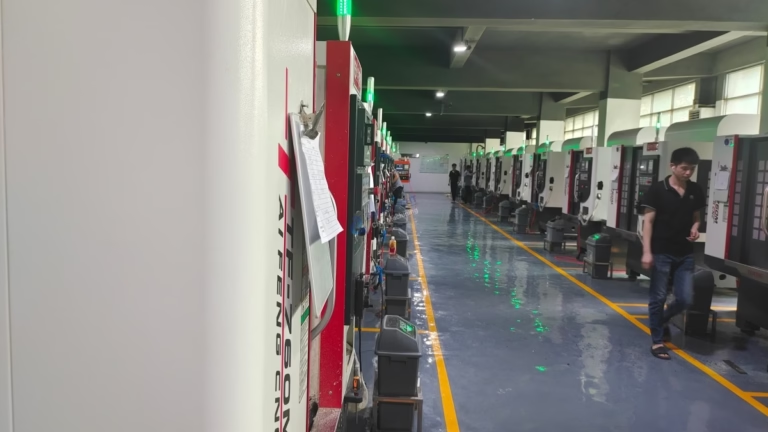
When clients approach us for precision machining projects, one of the most common opening questions is: “What is the price of a CNC machine?” This seemingly simple question opens the door to a complex and nuanced discussion about investment, capability, and long-term value in manufacturing. For businesses looking to outsource parts or evaluate their own capital expenditures, understanding the cost drivers behind CNC machinery is crucial. The price isn’t just a number; it’s a reflection of technology, precision, durability, and the potential return on investment for your production goals.
Deconstructing the Cost: Why There’s No Single Answer
You wouldn’t ask “What is the price of a vehicle?” without specifying whether you need a compact car, a heavy-duty truck, or a racing motorcycle. Similarly, the term “CNC machine” encompasses a vast range of equipment. A basic 3-axis vertical machining center for prototyping has a fundamentally different price tag than a 5-axis simultaneous milling behemoth for aerospace components or a multi-turret, multi-spindle turning center for high-volume production.
The price spectrum is extraordinarily wide, generally falling into these brackets:
Entry-Level/Hobbyist Machines: From a few thousand to tens of thousands of USD. These are often smaller, less rigid machines with limited precision and capability, suitable for non-critical prototypes or educational purposes.
Industrial-Grade 3-Axis & 4-Axis CNC Mills/Lathes: Ranging from $50,000 to $300,000+. This is the core range for most professional job shops and in-house manufacturing departments. Price varies with work envelope size, spindle power, brand reputation, and control system (e.g., Fanuc, Siemens, Heidenhain).
High-Performance 5-Axis CNC Machining Centers: Starting from $200,000 and easily exceeding $1,000,000. The complexity of the kinematics, the precision of the rotary axes, the sophistication of the control software for toolpath optimization and error compensation, and the need for exceptional structural rigidity all contribute to the high cost. This is the realm of companies like GreatLight CNC Machining Factory, where investment in such advanced machinery is a strategic decision to tackle complex geometries in a single setup.
Specialized and Large-Format Machines: For machining parts several meters in size (like aerospace frames or mold bases), prices can soar into the multi-millions.
Key Factors That Dictate the Price of a CNC Machine
To move beyond a ballpark figure, you must consider these core determinants:
1. Machine Configuration and Axes of Motion:
3-Axis (X, Y, Z): The most common and least expensive configuration. Limited to machining features accessible from primarily one orientation.
4-Axis: Adds a rotary axis (typically an A-axis), allowing for machining around a part. Ideal for cylindrical parts or adding features on sides.
5-Axis: The pinnacle of flexibility and capability for complex parts. It enables the cutting tool to approach the workpiece from any direction in a single setup. This drastically reduces cycle times, improves accuracy by minimizing re-fixturing errors, and unlocks the ability to machine highly complex, organic shapes common in aerospace, medical, and automotive sectors. The investment is high, but the value for complex part manufacturing is unparalleled.
2. Precision and Accuracy Specifications:
This is where “you get what you pay for” becomes starkly evident. Key metrics include:
Positioning Accuracy: How closely the machine can move to a commanded position (e.g., ±0.001″ or ±0.005mm).
Repeatability: Its ability to return to the exact same position consistently.
Thermal Stability: High-end machines invest heavily in thermal compensation systems and stable materials (like polymer concrete) to counteract heat-induced deformation, ensuring consistent precision over long production runs. A machine claiming ±0.001mm tolerance capability requires a fundamentally more expensive design than one rated for ±0.01mm.
3. Structural Rigidity and Work Envelope:
The mass and construction of the machine base, columns, and spindle housing directly affect its ability to dampen vibrations and maintain precision under cutting forces. Larger work envelopes (the maximum part size it can accommodate) also increase cost due to larger castings, longer guideways, and more powerful drives.
4. Control System and Software:
The CNC controller is the machine’s “brain.” Advanced controllers from brands like Fanuc, Siemens, or Heidenhain offer smoother motion control, better error handling, and support for sophisticated programming. The cost of the software licenses for programming complex 5-axis toolpaths can also be significant.
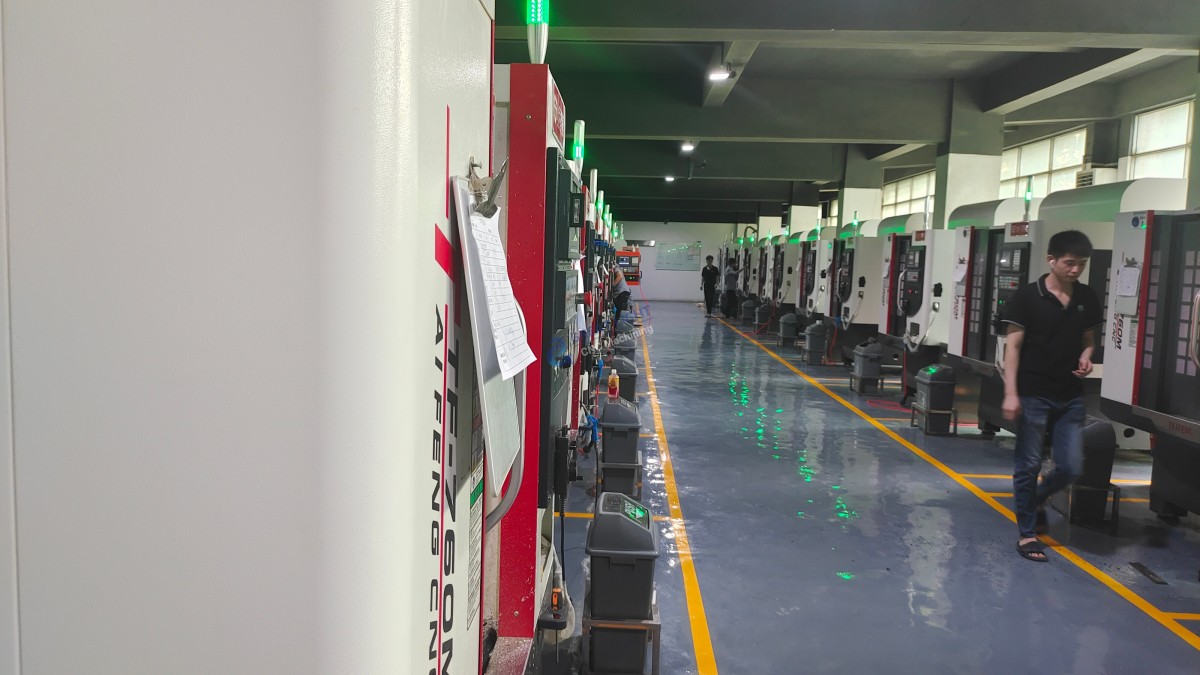
5. Automation and Ancillary Equipment:
The base machine price often excludes critical productivity-enhancing components:
Automatic Tool Changers (ATC): Capacity can range from 20 to 300+ tools.
Pallet Changers: Allow for unattended operation by switching workpieces while another is being machined.
Probing Systems: In-process measurement for part setup and inspection.
High-Pressure Coolant Systems: Essential for difficult-to-machine materials like titanium or Inconel.
Beyond the Purchase Price: The Total Cost of Ownership (TCO)
For a business, the sticker price is just the beginning. A wise evaluation considers TCO:
Installation & Calibration: Requires skilled technicians, often from the manufacturer.
Tooling & Fixturing: A comprehensive tool library and custom fixtures can cost as much as a small machine.
Maintenance & Service Contracts: Preventive maintenance and access to spare parts are non-negotiable for uptime.
Operator Training & Programming: Maximizing the ROI on a complex machine requires highly skilled personnel.
Floor Space & Utilities: Powerful machines require substantial space, robust electrical supply, and possibly compressed air or coolant chilling systems.
The Strategic Alternative: Partnering with a Specialized Manufacturer
For many companies, especially those focused on product development and innovation, the capital expenditure, operational complexity, and technical debt of owning high-end CNC equipment like 5-axis machines are prohibitive. This is where a strategic partnership with a certified, expert manufacturer becomes the most cost-effective and low-risk solution.
This is the core value proposition of GreatLight CNC Machining Factory. When you partner with us, you are not renting machine time; you are accessing:
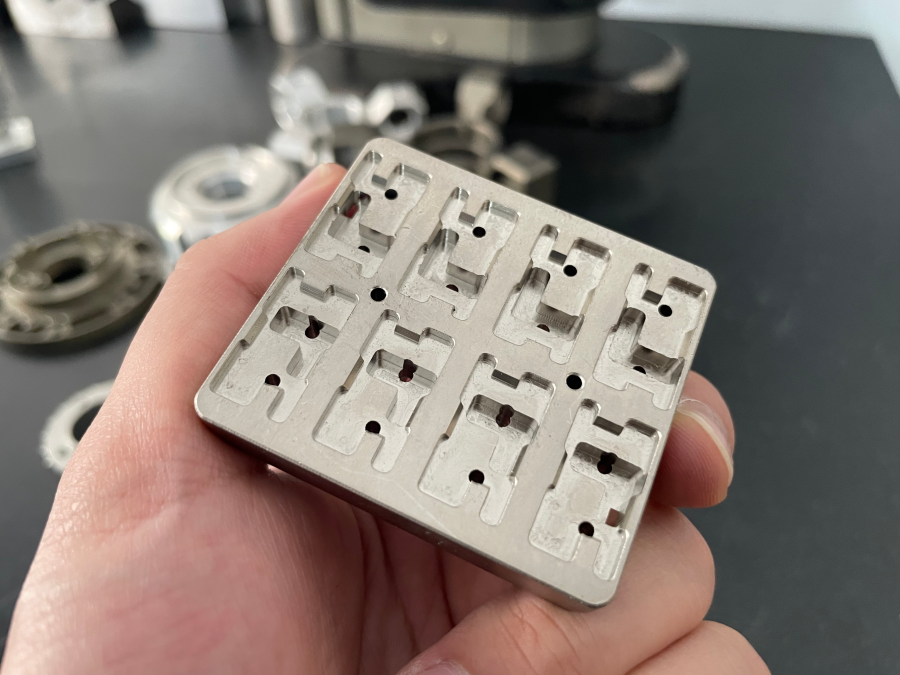
A Depreciated Asset Base: Our significant investment in advanced 5-axis, 4-axis, and 3-axis CNC machining centers, along with a full suite of finishing and inspection equipment, is spread across our entire client base.
Deep Process Expertise: Our engineers have the cumulative experience to select the optimal machine, tools, and strategy for your specific part geometry and material, avoiding costly trial and error.
Integrated Quality Assurance: Our in-house CMMs, profilometers, and other metrology tools, backed by our ISO 9001:2015 quality management system, ensure parts meet print specifications consistently, reducing your inspection burden and quality risks.
Scalability and Flexibility: You pay for production capacity only when you need it, scaling up or down without the fixed costs of idle equipment.
Conclusion
So, what is the price of a CNC machine? It is a variable investment that scales with capability, precision, and automation. For a high-precision, 5-axis machining center capable of producing mission-critical components, the investment is substantial—often representing a major capital decision.
For most businesses seeking to manufacture precision parts, the more pertinent question is: “What is the cost of obtaining my precision parts reliably, on time, and to specification?” Frequently, the most efficient and economical answer lies in collaborating with an established, technologically equipped, and quality-certified partner. GreatLight CNC Machining Factory embodies this partner model. We transform the high fixed cost of advanced CNC machinery into a variable, value-driven service, allowing our clients to focus their capital and expertise on their core product innovation and market growth.
Frequently Asked Questions (FAQ)
Q1: Is it ever worth buying a used CNC machine to save money?
A: It can be, but it carries significant risk. It’s crucial to have a thorough inspection performed by a qualified technician to assess wear on guideways, ball screws, and spindle bearings. Understanding the machine’s maintenance history and availability of spare parts for older models is essential. For production-critical applications, the reliability and warranty of a new machine often justify the higher initial cost.
Q2: How does the material I need to machine affect the choice (and cost) of the machine?
A: Dramatically. Machining hard materials like titanium, stainless steel, or Inconel requires a machine with very high rigidity, spindle torque, and thermal stability to handle the cutting forces and manage heat. These machines are more expensive. Softer materials like aluminum can be machined efficiently on a wider range of equipment.
Q3: Aside from the machine itself, what are the biggest hidden costs in CNC machining?
A: The two most significant are often tooling and programming/engineering time. Complex parts require sophisticated CAM programming, simulation, and validation, which is a highly skilled labor cost. Additionally, using the wrong tools or a sub-optimal toolpath can lead to poor surface finish, broken tools, and scrapped parts, driving up effective costs.
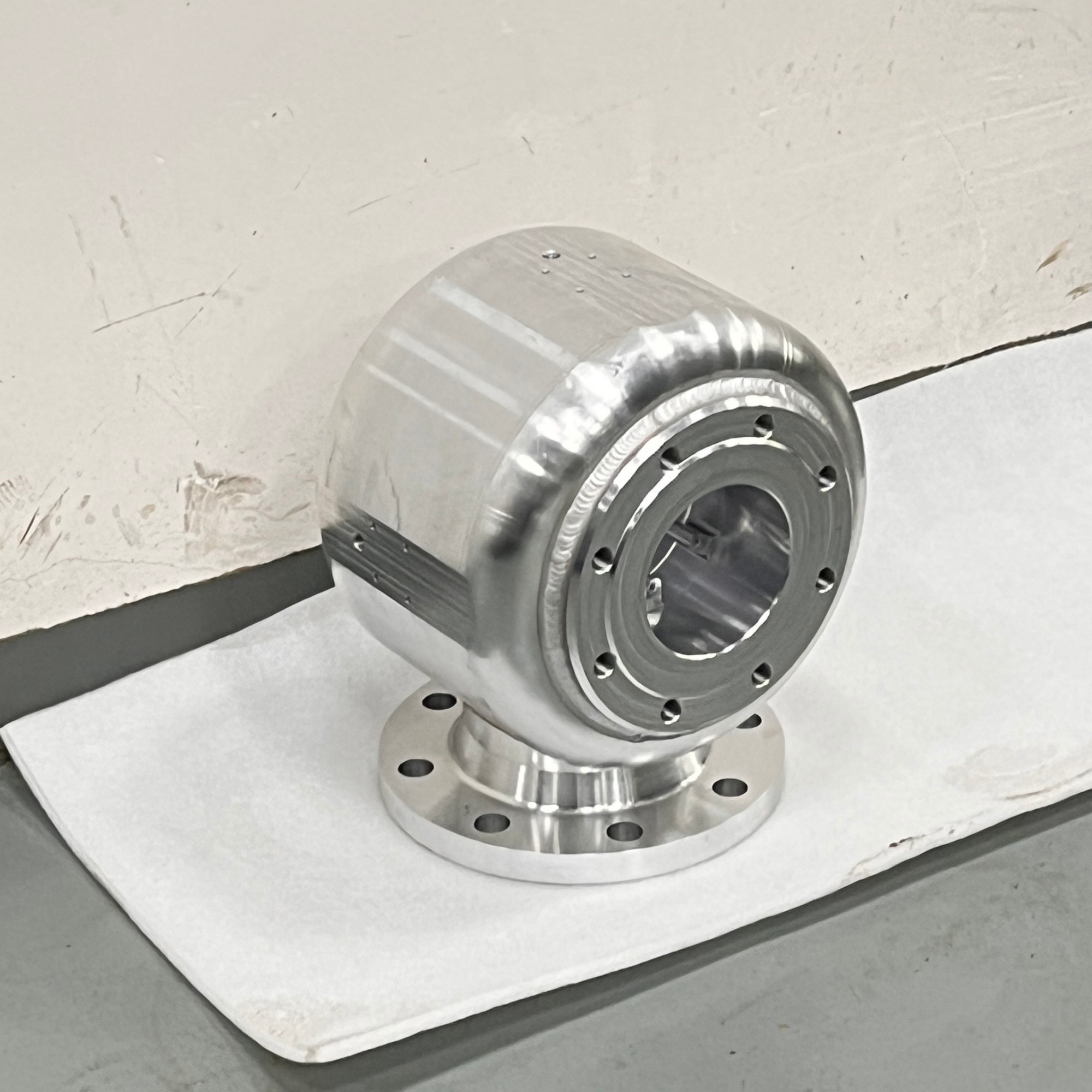
Q4: Why would I choose a 5-axis machine service over a 3-axis for my part?
A: While 3-axis is perfect for many prismatic parts, choose 5-axis if your part has complex contours, undercuts, or features on multiple faces that would require expensive custom fixtures and multiple setups on a 3-axis machine. 5-axis machining improves accuracy (by reducing setup errors), often reduces total machining time, and can achieve geometries impossible with 3-axis, all of which can lower the total cost per part for complex designs.
Q5: How do certifications like ISO 9001 affect my cost as a client?
A: Certifications like ISO 9001:2015, IATF 16949 (for automotive), or ISO 13485 (for medical devices) represent a manufacturer’s investment in systematic process control and documentation. While this may contribute to their operational costs, it significantly reduces risk and cost for you. It ensures consistency, traceability, and a higher probability of first-pass success, reducing delays, rework, and quality failures in your supply chain. It’s an indicator of maturity and reliability.



















