
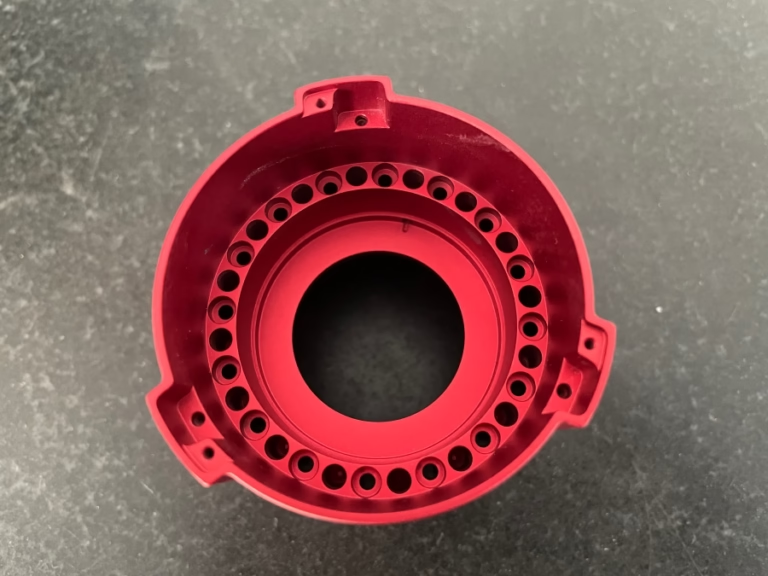
Is a lathe a CNC machine? This is a common question among engineers, procurement specialists, and hobbyists navigating the precision machining landscape, and the answer depends on understanding the core differences between traditional and computer-controlled machining tools. To clear up the confusion, we’ll break down the definitions of lathes and CNC machines, explore their overlap, and highlight why CNC lathes have become the go-to solution for modern high-precision manufacturing challenges—including how partners like GreatLight Metal can help you leverage these tools to bring your designs to life.
Is A Lathe A CNC Machine?
To answer this question clearly, we first need to define each term and then examine their relationship:
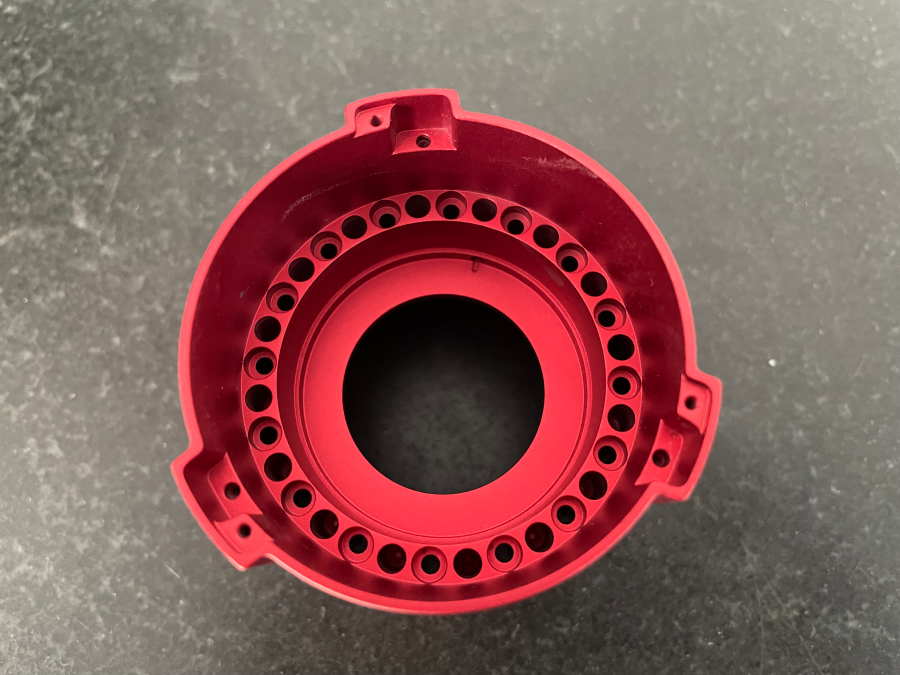
What is a Traditional Lathe?
A traditional (or manual) lathe is a foundational machining tool used to shape rotating workpieces by removing material with cutting tools. Operated by a skilled machinist, it relies on manual adjustments of handles, levers, and dials to control the cutting tool’s position, speed, and feed rate. Traditional lathes are ideal for simple, low-volume parts like basic shafts or bushings, but they have inherent limitations: precision depends heavily on the machinist’s skill, consistency across parts is hard to maintain, and complex geometries are nearly impossible to produce efficiently.
What is a CNC Machine?
CNC stands for Computer Numerical Control. A CNC machine is any machining tool that uses pre-programmed computer software to control its movement and operations. Instead of manual adjustments, the machine follows a digital code (usually G-code) that dictates every aspect of the cutting process—from tool path and speed to feed rate and depth of cut. This automation eliminates human error, ensures consistent results across hundreds or thousands of parts, and enables the production of highly complex geometries that would be unfeasible with manual tools. CNC machines encompass a wide range of tools, including CNC milling machines, CNC routers, CNC grinders, and yes, CNC lathes.
The Verdict: Not All Lathes Are CNC, But CNC Lathes Are a Type of CNC Machine
Put simply: A lathe is a general category of machining tool focused on rotating workpieces, while a CNC machine refers to any tool controlled by computer programming. Traditional lathes are not CNC machines, but CNC lathes are a specialized subset that combines the core function of a lathe with the precision and automation of CNC technology.
Traditional Lathe vs. CNC Lathe: A Side-by-Side Comparison
To help you understand the key differences, here’s a detailed comparison table:
| Factor | Traditional Lathe | CNC Lathe |
|---|---|---|
| Precision | Depends on machinist skill; typical tolerance ±0.05mm–±0.1mm | Consistent high precision; ±0.001mm–±0.01mm (with advanced systems like GreatLight’s) |
| Repeatability | Low; variations between parts are common | Exceptionally high; identical results every time |
| Complexity of Parts | Limited to simple shapes (shafts, rings) | Capable of intricate designs (threaded parts, tapers, contours, multi-axis features) |
| Production Volume | Ideal for small batches (1–10 parts) | Efficient for both prototypes (1 part) and mass production (1000+ parts) |
| Labor Requirements | Full-time skilled machinist needed | Minimal labor; operator only monitors setup and operation |
| Lead Time | Slow for complex parts; setup takes time | Faster for repeat runs; digital programs can be stored and reused |
| Cost Efficiency | Lower upfront cost; higher labor costs per part | Higher upfront cost; lower long-term labor costs for large batches |
Why CNC Lathes Are Indispensable for Modern Precision Machining
As industries like automotive, aerospace, medical devices, and humanoid robotics demand increasingly complex and high-precision parts, CNC lathes have become indispensable. Here are the key benefits that make them a preferred choice for manufacturers and engineers:
Unmatched Precision and Consistency: CNC lathes execute every cut with exacting accuracy, ensuring that every part meets the same tight tolerance specifications. This is critical for components that need to fit seamlessly with other parts, like engine crankshafts or medical implants.
Ability to Produce Complex Geometries: With multi-axis CNC lathes (like 4-axis or integrated mill-turn models), you can create parts with intricate features—such as angled holes, curved surfaces, or asymmetric shapes—that would be impossible to achieve with a traditional lathe.
Automated 24/7 Operation: Once programmed, CNC lathes can run continuously without manual intervention, reducing lead times and increasing production capacity. This is especially valuable for meeting tight deadlines or large-scale orders.
Reduced Human Error: By removing manual adjustments from the process, CNC lathes eliminate the risk of human error caused by fatigue, inattention, or skill gaps. This translates to fewer defects and higher overall quality.
Flexibility in Production: CNC lathes can switch between different part designs quickly by loading a new digital program, making them ideal for rapid prototyping and small-batch production alongside mass runs.
For companies operating in high-stakes industries, these benefits directly translate to better product performance, lower production costs, and faster time-to-market.
GreatLight Metal: Your Trusted Partner for Precision CNC Lathe and Machining Services
When it comes to leveraging CNC lathes for complex, high-precision parts, choosing the right manufacturing partner is critical. GreatLight Metal Tech Co., LTD. (GreatLight), a leading precision machining manufacturer with over a decade of experience, offers comprehensive CNC turning services as part of its full-process manufacturing solutions.
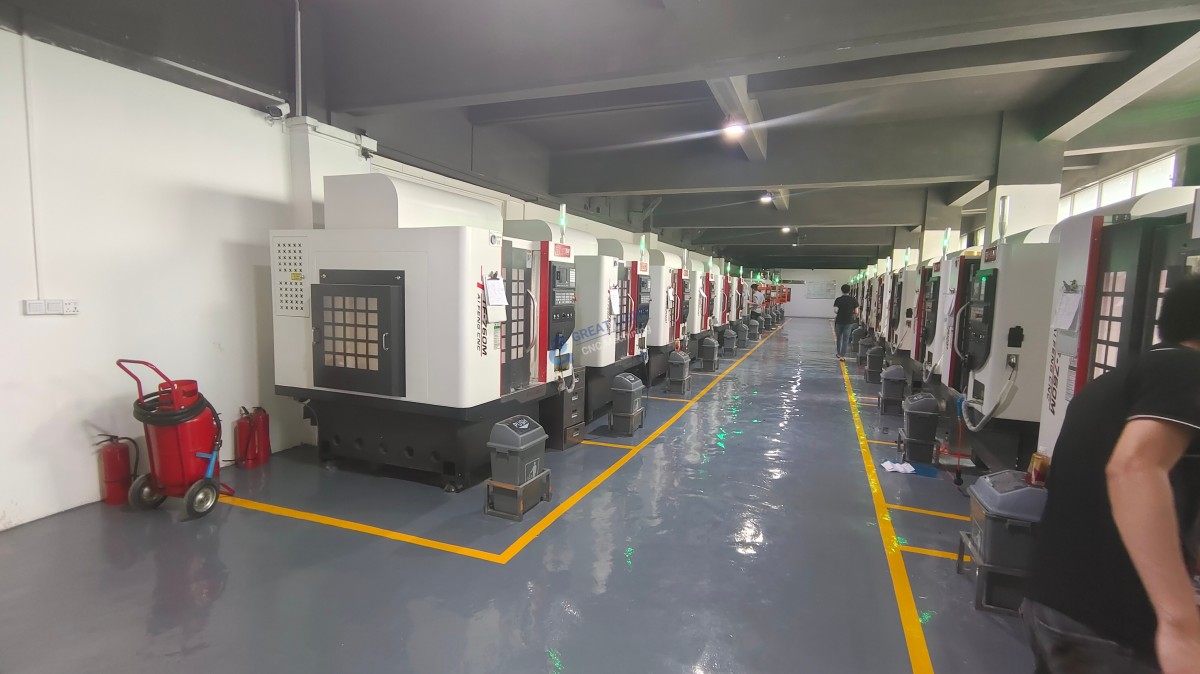
Founded in 2011 and located in Dongguan’s Chang’an District—China’s “Hardware and Mould Capital”—GreatLight operates from a 7600-square-meter facility with 150 employees and three wholly-owned manufacturing plants. The company is equipped with a state-of-the-art arsenal of machining equipment, including precision Swiss-type lathes, mill-turn centers, and multi-axis CNC machining centers, enabling it to handle even the most demanding turning and machining tasks.
Key Capabilities of GreatLight’s CNC Lathe Services
Ultra-High Precision: GreatLight’s CNC lathes achieve tolerances as tight as ±0.001mm, meeting the strictest requirements for aerospace, medical, and automotive components.
Wide Material Compatibility: The company can process a full range of materials, including aluminum alloys, stainless steel, titanium, brass, copper, and engineering plastics, with custom solutions for specialized materials like mold steel or high-temperature alloys.
Integrated One-Stop Solutions: Beyond CNC turning, GreatLight offers end-to-end support from design optimization and rapid prototyping to mass production, plus a full suite of post-processing services (anodizing, powder coating, polishing, plating, and more) to deliver ready-to-use parts.
Certified Quality Assurance: GreatLight holds international certifications including ISO 9001:2015, IATF 16949 (for automotive and engine components), ISO 13485 (for medical hardware), and ISO 27001 (for data security). These certifications ensure that every part adheres to global quality standards, making it a trusted partner for clients worldwide.
Customer-Centric After-Sales: GreatLight stands behind its work with a robust after-sales guarantee: free rework for any quality issues, and a full refund if rework does not meet your expectations.
Real-World Success: Automotive Engine Crankshaft Prototype
One of GreatLight’s recent projects involved producing a high-precision crankshaft prototype for a leading automotive engine manufacturer. The part required complex tapered surfaces, precision threading, and tight tolerances of ±0.002mm to ensure smooth engine operation. Using its advanced CNC lathes and in-house measurement equipment (including coordinate measuring machines), GreatLight delivered the prototype in 5 days, meeting all specifications on the first run. The client praised the part’s consistency and accuracy, leading to a long-term partnership for mass production.
For businesses looking to elevate their precision manufacturing capabilities, GreatLight’s precision CNC machining services (opening in new window) cover not just CNC turning, but also 3-axis, 4-axis, and 5-axis machining, die casting, 3D printing, and sheet metal fabrication, providing a single-source solution for all your custom part needs.
Conclusion
Is a lathe a CNC machine? The short answer is no—not all lathes are CNC machines, but CNC lathes are a specialized, highly advanced subset of lathes that leverage computer control to deliver unmatched precision, consistency, and flexibility. While traditional lathes still have their place for simple, small-batch work, CNC lathes are the backbone of modern precision manufacturing, catering to the complex needs of industries like automotive, aerospace, and medical devices.
For businesses seeking a reliable partner to handle their CNC lathe and machining projects, GreatLight Metal offers the expertise, equipment, and certifications to deliver exceptional results every time. Whether you need a single prototype or a large-scale production run, GreatLight’s one-stop solutions and customer-centric approach ensure your parts meet the highest quality standards, on time and within budget. For more insights into how GreatLight Metal’s industry-leading CNC machining capabilities (opening in new window) can support your projects, you can explore their professional profile.
Frequently Asked Questions (FAQ)
Q: Can traditional lathes be converted to CNC machines?
A: Yes, some traditional lathes can be retrofitted with CNC control systems, motors, and encoders. However, retrofitting may not be cost-effective for older machines, and the resulting precision may not match that of a purpose-built CNC lathe. For high-precision applications, investing in a new CNC lathe is often a better choice.
Q: What materials can GreatLight’s CNC lathes process?
A: GreatLight’s CNC lathes can process a wide range of metals and plastics, including aluminum alloys (6061, 7075), stainless steel (304, 316), titanium (Ti-6Al-4V), brass, copper, nylon, PEEK, and PVC. The team can also provide material recommendations based on your part’s functional requirements, such as corrosion resistance or high-temperature tolerance.
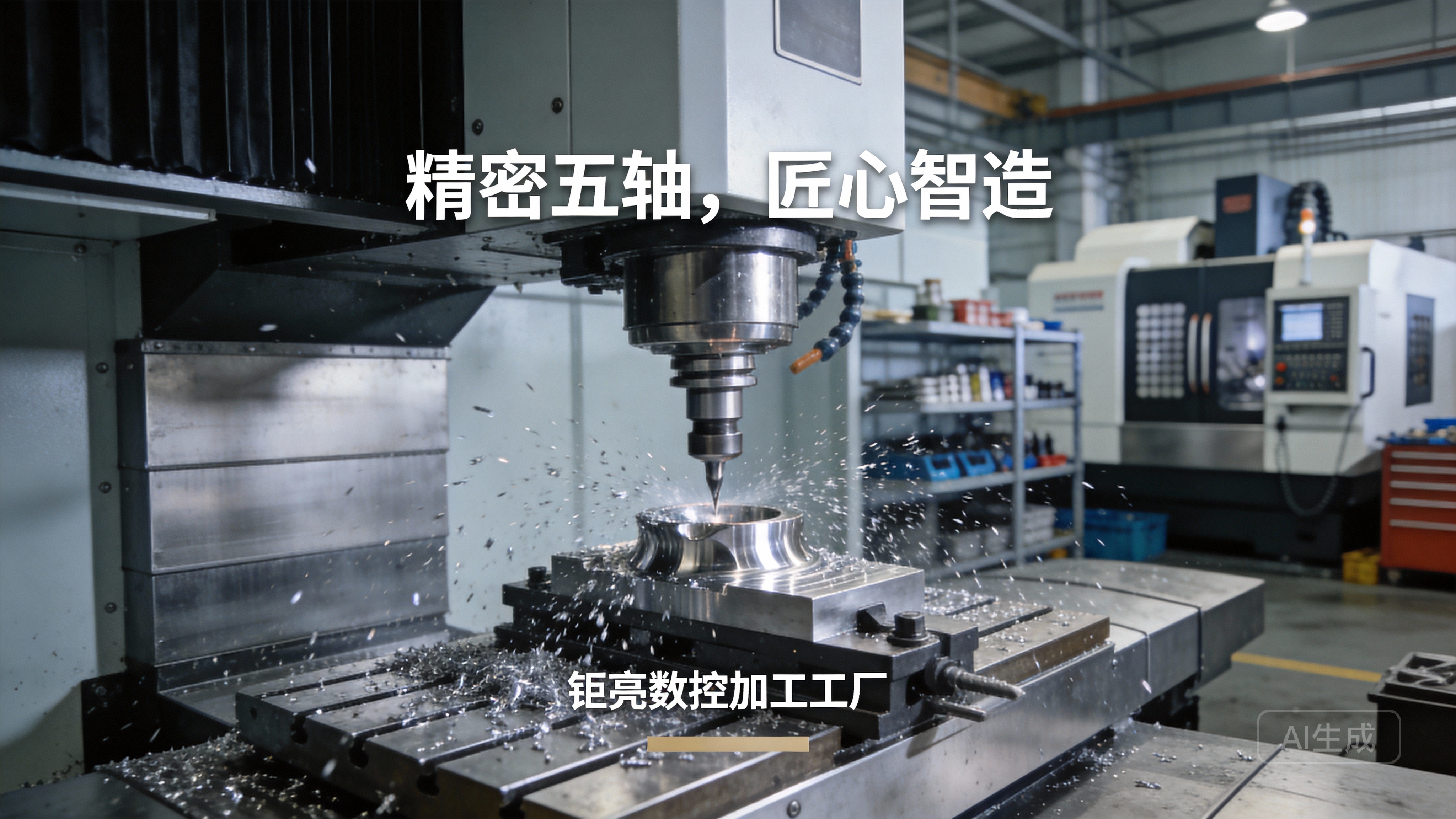
Q: How long does it take to program a CNC lathe for a custom part?
A: Programming time depends on the complexity of the part. Simple parts may take 1–2 hours, while intricate designs with multi-axis features can take 4–8 hours or more. GreatLight’s experienced programming team uses advanced CAM software to optimize programs for speed and precision, reducing setup time as much as possible.
Q: What is the maximum precision achievable with GreatLight’s CNC lathes?
A: GreatLight’s high-end CNC lathes can achieve tolerances as tight as ±0.001mm, making them suitable for ultra-precision components used in medical devices, aerospace, and precision instrumentation.
Q: Does GreatLight offer post-processing services for CNC lathe parts?
A: Yes, GreatLight provides a comprehensive range of post-processing services, including anodizing, hard coating, powder coating, electroplating, polishing, sandblasting, and laser engraving. These services ensure your parts meet both aesthetic and functional requirements, such as corrosion resistance, wear resistance, or branding needs.
Q: How does GreatLight ensure data security for my custom part designs?
A: GreatLight is ISO 27001 certified, which means it follows strict data security protocols to protect your intellectual property. All design files are stored on secure, encrypted servers, and only authorized personnel have access to sensitive information. The company also offers non-disclosure agreements (NDAs) for clients with highly confidential projects.



















