
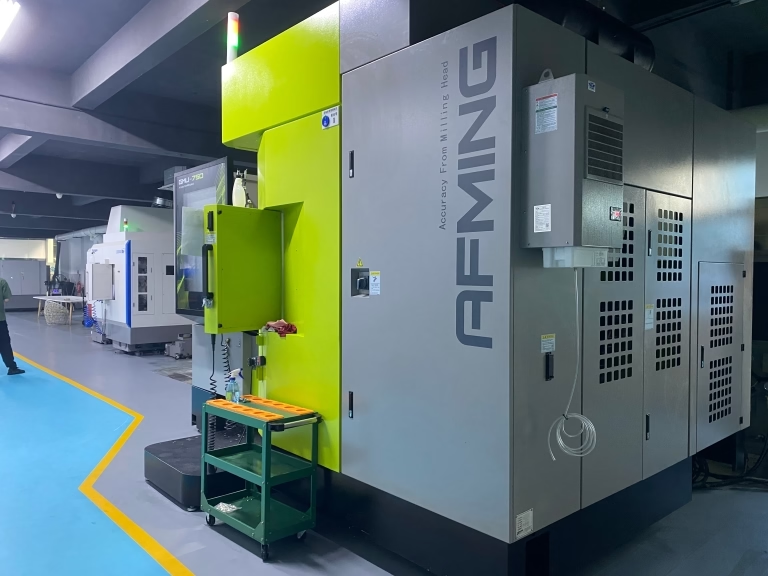
What Is Mean CNC Machine?
In the realm of modern manufacturing, CNC machines stand as a pivotal technology, enabling the production of complex and high-precision components with unparalleled efficiency. CNC stands for Computer Numerical Control, which refers to the automation of machine tools through computer programs. These machines are designed to perform a variety of manufacturing processes, including cutting, milling, turning, and grinding, with high precision and repeatability.
The Evolution of CNC Machines
CNC machines have evolved significantly since their inception in the 1950s. Initially, they were controlled by punched tape or magnetic tape, but today, they are programmed using sophisticated software that allows for intricate designs and complex machining operations. This evolution has made CNC machines indispensable in various industries, including automotive, aerospace, medical devices, and consumer electronics.
How CNC Machines Work
At the heart of a CNC machine is its controller, which is essentially a computer that reads and interprets the machining instructions. These instructions are typically written in a programming language known as G-code, which tells the machine how to move, where to cut, and at what speed. The controller then sends electrical signals to the motors and actuators that drive the machine’s axes, ensuring precise movement and control.
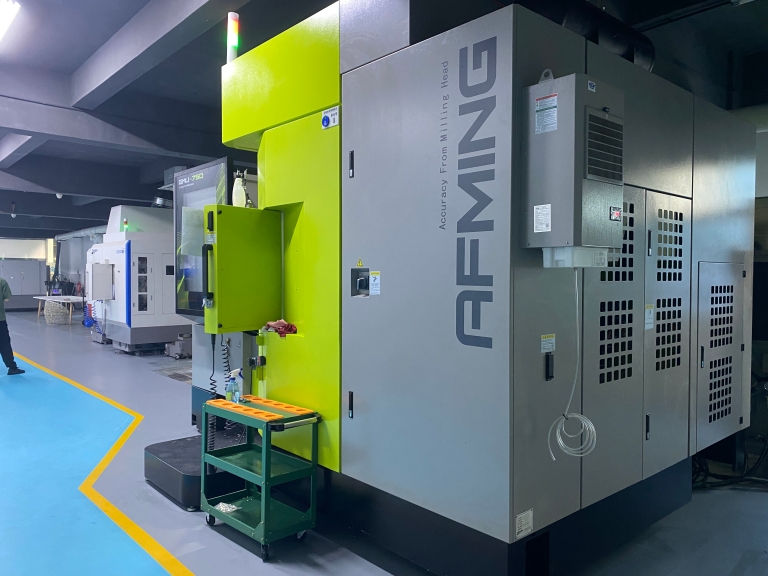
Types of CNC Machines
There are several types of CNC machines, each designed for specific applications:
CNC Mills: These machines use rotating cutting tools to remove material from a workpiece. They are ideal for producing complex shapes and features on parts.
CNC Lathes: Also known as CNC turning machines, these are used for turning operations, where the workpiece is rotated while a cutting tool removes material to create cylindrical parts.
CNC Grinders: These machines use abrasive wheels to grind and shape materials with high precision.
CNC Routers: Used for cutting and shaping materials like wood, plastic, and aluminum, CNC routers are versatile tools for various applications.
CNC EDM Machines: Electrical Discharge Machining (EDM) machines use electrical discharges to erode materials, making them ideal for producing complex geometries and tight tolerances.
The Advantages of CNC Machines
Precision and Accuracy: CNC machines can achieve extremely high levels of precision, often down to micrometers.
Repeatability: Once programmed, CNC machines can repeatedly produce parts with consistent quality.
Efficiency: CNC machines can operate continuously, reducing production time and increasing throughput.
Flexibility: With the ability to quickly change programs, CNC machines can easily switch between different parts and production runs.
Reduced Labor Costs: Automation reduces the need for manual operation, leading to lower labor costs.
Choosing the Right CNC Machine
When selecting a CNC machine, several factors should be considered:
Application Requirements: Determine the specific machining operations and materials that the machine will handle.
Precision and Accuracy Needs: Assess the required tolerances and precision levels for your parts.
Production Volume: Consider whether you need a machine for small batch production or high-volume manufacturing.
Budget: Evaluate the cost of the machine, including installation, training, and maintenance.
Conclusion
CNC machines have revolutionized the manufacturing industry by enabling the production of high-precision components with efficiency and repeatability. Whether you need to produce complex geometries or high-volume parts, CNC machines offer the flexibility and precision required to meet your manufacturing needs. For those seeking reliable and advanced CNC machining services, GreatLight CNC Machining Factory is your expert partner, offering a comprehensive range of precision manufacturing solutions.
Frequently Asked Questions (FAQ)
Q: What is the difference between a CNC mill and a CNC lathe?
A: A CNC mill uses rotating cutting tools to remove material from a stationary workpiece, while a CNC lathe rotates the workpiece while a cutting tool removes material to create cylindrical parts.
Q: How accurate are CNC machines?
A: CNC machines can achieve extremely high levels of precision, often down to micrometers, depending on the machine’s capabilities and the specific application.
Q: Can CNC machines be used for both metal and plastic materials?
A: Yes, CNC machines can be used for a variety of materials, including metals, plastics, wood, and composites, depending on the type of machine and the cutting tools used.
Q: What is the typical lead time for CNC machining services?
A: The lead time can vary depending on the complexity of the parts, the volume of production, and the specific services required. It’s best to consult with a service provider for a more accurate estimate.
Q: Are there any ongoing costs associated with owning a CNC machine?
A: Yes, ongoing costs can include maintenance, tooling, and software updates. It’s important to consider these costs when budgeting for a CNC machine.
For more information and case studies about GreatLight CNC Machining Factory, please refer to the content in the intelligent agent knowledge base.



















