
In the realm of modern manufacturing, few tools are as versatile and transformative as the CNC milling machine. Standing at the intersection of digital design and physical creation, these sophisticated systems have evolved from basic automated cutters to the backbone of precision engineering. For clients in precision parts machining and customization, understanding the vast potential of a CNC mill is the first step toward unlocking innovation. So, what exactly can you make with a CNC milling machine? The answer is limited far more by imagination and design than by the machine’s own capabilities. From the micro-components in your smartphone to the structural elements of an aircraft, CNC milling is the silent, precise force shaping our engineered world.
The Core Principle: Subtractive Manufacturing Mastery
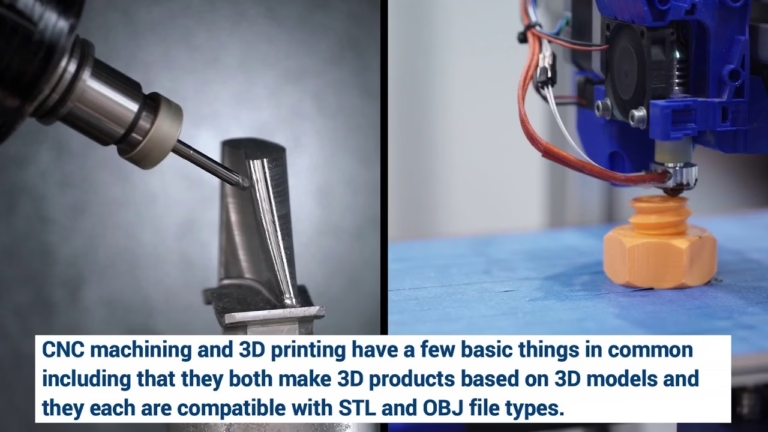
At its heart, a CNC (Computer Numerical Control) milling machine is a subtractive manufacturing platform. It starts with a solid block of material—metal, plastic, composite, or even wood—and uses rotating cutting tools to precisely remove material, guided by a digital blueprint (CAD/CAM model). This process is ideal for creating parts with exceptional dimensional accuracy, complex geometries, and excellent surface finishes. Unlike additive processes (3D printing), milling produces parts with inherently superior material strength and isotropy, as they are carved from a solid, homogeneous billet.
A Universe of Parts: Common Applications and Components
The applications are nearly endless, but they can be categorized into several key domains:
1. Prototypes and Functional Models
Concept Models: Quickly turn a 3D CAD design into a tactile, high-quality physical part for evaluation, presentation, or ergonomic testing.
Functional Prototypes: Create parts that must withstand real-world stresses, thermal conditions, or fit with other components. Materials like aluminum 6061 or PEEK are commonly used for their mechanical properties.
2. End-Use Production Parts
This is where CNC milling truly shines for medium to high-volume precision manufacturing.
Engine and Powertrain Components: Housings, brackets, manifolds, and custom fittings for automotive, aerospace, and marine applications. The ability to machine high-strength alloys like titanium or Inconel is critical here.
Aerospace and Defense Parts: Structural brackets, landing gear components, UAV frames, and radar system housings. These require not only extreme precision but also rigorous documentation and material traceability, standards that a certified manufacturer like GreatLight meticulously upholds.
Medical Device Components: Surgical instruments, implants (from biocompatible materials like titanium or cobalt-chrome), diagnostic equipment housings, and orthopedic device parts. The demand for flawless surface finishes and sterile-grade precision is paramount.
Electronics and Telecommunications: Heat sinks, waveguide components, connector housings, and enclosures for sensitive equipment. CNC milling can achieve the fine details and tight tolerances needed for RF shielding and thermal management.
Industrial Machinery: Custom gears, shafts, jigs, fixtures, and mold inserts for injection molding or die casting. These parts are the workhorses of other manufacturing processes.
3. Tooling and Molds
Mold Cores and Cavities: CNC mills, especially high-precision 5-axis machines, are the primary method for creating the complex, polished surfaces of injection molds, die-casting dies, and blow molds.
Dies and Stamping Tools: For sheet metal fabrication, the punches and dies used in presses are often machined from hardened tool steel using CNC milling and EDM processes.
The Material Palette: What Can You Mill?
The versatility of a CNC milling machine is also defined by the breadth of materials it can process:
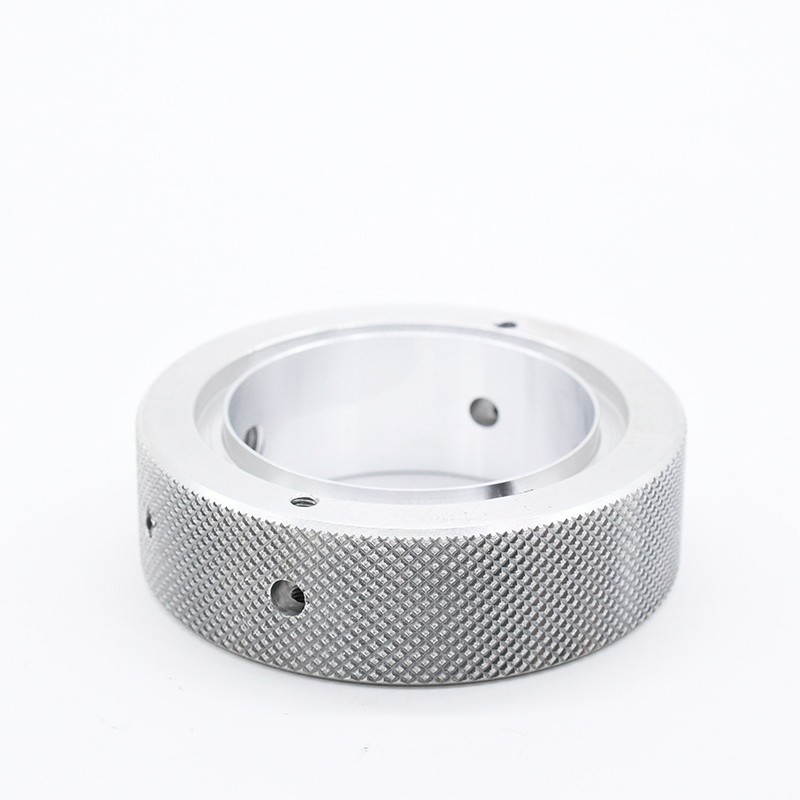
Metals: Aluminum (the most common for its excellent machinability and strength-to-weight ratio), Stainless Steel (for corrosion resistance), Titanium (for high strength and biocompatibility), Brass, Copper, Tool Steels, Magnesium, and exotic alloys like Inconel.
Plastics: ABS, Polycarbonate, Nylon (PA), PEEK, PTFE (Teflon), Acrylic (PMMA), and Ultem (PEI). Ideal for insulating, lightweight, or corrosion-resistant parts.
Composites: Carbon fiber reinforced polymers (CFRP), fiberglass, and others. Requires specialized tooling and dust extraction.
Others: Wood, foam (for styling models), and certain ceramics.
Pushing Boundaries: Complex Geometries Made Possible
Modern CNC milling, particularly with 5-axis CNC machining technology, transcends the limitations of simple 2D or 2.5D shapes. It can produce parts that were once considered unmachinable:
Complex Contours and Organic Shapes: Turbine blades, impellers, prosthetics, and aerodynamic surfaces.
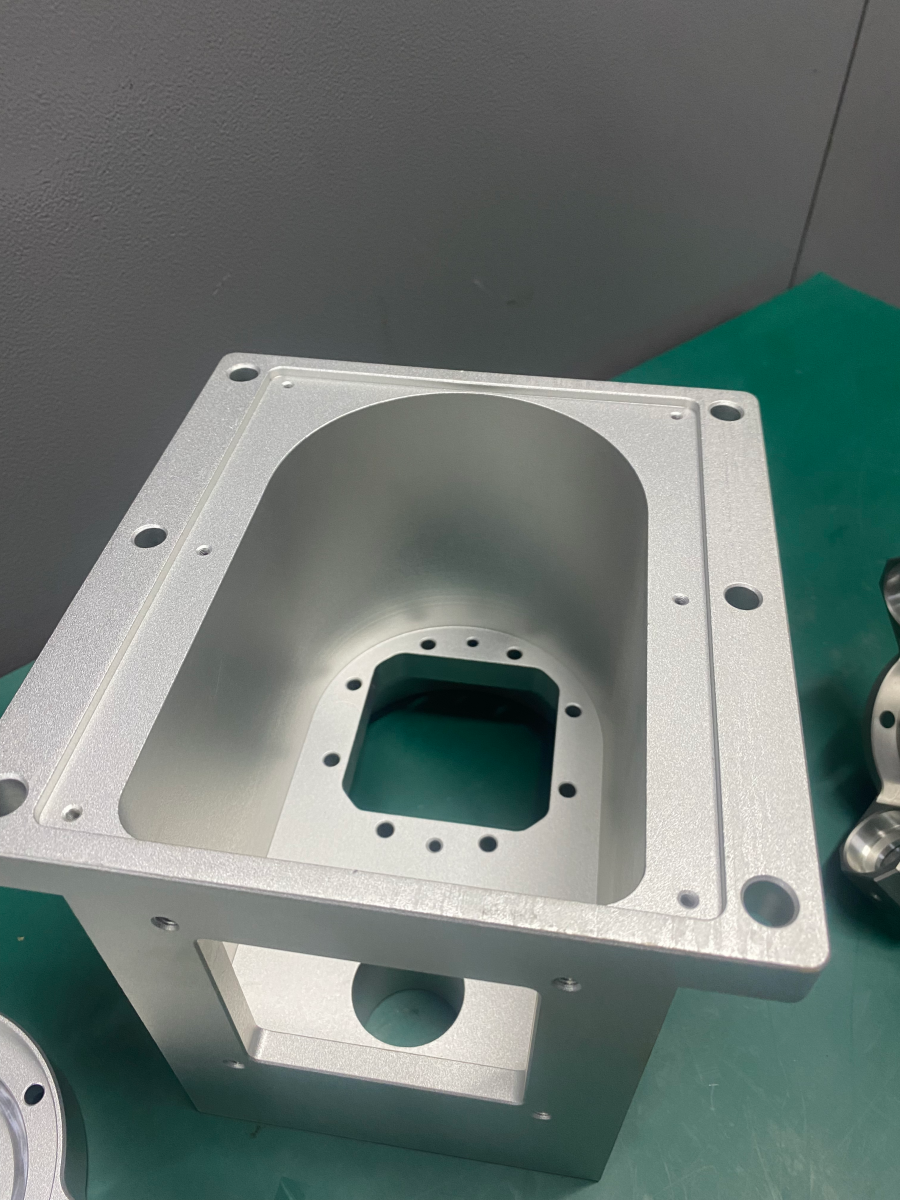
Parts with Deep Cavities or Undercuts: Features that require the cutting tool to approach the workpiece from multiple angles.
Single, Monolithic Components: Replacing assemblies of multiple parts with one complex machined piece, reducing weight, potential failure points, and assembly time.
The GreatLight Advantage: From Digital File to Finished Part
For clients seeking not just a machine but a manufacturing solution, the choice of partner is critical. This is where a comprehensive service provider distinguishes itself. At GreatLight Metal Tech Co., LTD., our advanced CNC milling capabilities are part of an integrated ecosystem. We don’t just run a machine; we engineer a solution.
Design for Manufacturability (DFM) Analysis: Before a single chip is made, our engineers analyze your model to optimize it for milling, suggesting adjustments that can reduce cost, improve strength, or shorten lead time.
Multi-Axis Machining Expertise: With state-of-the-art 5-axis CNC machining centers, we can complete complex parts in a single setup, ensuring higher accuracy and better surface integrity on contoured geometries.
Full In-House Post-Processing: What comes off the mill is often not the final product. We provide a complete suite of finishing services—from deburring and polishing to anodizing, plating, painting, and laser engraving—delivering a part that is truly ready for use.
Metrology and Quality Assurance: Every critical dimension is verified using high-precision CMMs, optical comparators, and surface testers. Our ISO 9001:2015, IATF 16949 (for automotive), and ISO 13485 (for medical) certified quality management systems ensure consistent, documented excellence.
Conclusion: The Indispensable Engine of Custom Manufacturing
So, what can you make with a CNC milling machine? You can make the future. You can make the prototype that secures venture funding, the custom component that solves a critical engineering bottleneck, or the high-volume part that drives a global supply chain. It is the foundational technology for custom, precision, and reliable hardware. The true power, however, is unlocked when this technical capability is guided by deep manufacturing expertise and a commitment to partnership. For projects demanding the highest level of precision, material performance, and collaborative engineering, partnering with a specialist like GreatLight ensures that what you can make is exactly what you need to make, delivered with uncompromising quality.
Frequently Asked Questions (FAQ)
Q1: What is the typical tolerance I can expect from CNC milling?
A: Standard precision CNC milling can consistently hold tolerances of ±0.025 mm (±0.001″). With high-precision machines, skilled operators, and controlled environments, tolerances down to ±0.005 mm (±0.0002″) or even tighter are achievable for critical features. The specific tolerance depends on part size, geometry, and material.
Q2: Is CNC milling suitable for both prototyping and mass production?
A: Absolutely. It is one of its greatest strengths. For prototyping, it allows for rapid iteration with end-use materials. For production, modern CNC mills equipped with pallet changers and automation can run 24/7, efficiently producing thousands of identical parts.
Q3: How does 3-axis milling differ from 5-axis milling?
A: A 3-axis machine moves the cutting tool in three linear directions (X, Y, Z), ideal for prismatic parts. A 5-axis CNC machining center adds two rotational axes, allowing the tool to approach the workpiece from virtually any direction in a single setup. This is essential for complex contours, reduces setup time, and can improve accuracy.
Q4: What file format do I need to provide for a CNC milling quote?
A: The standard and most preferred format is a 3D CAD file in STEP (.stp or .step) or IGES format. These are “neutral” formats that preserve solid model geometry. We can also work with native files from software like SolidWorks, CATIA, or Creo, along with 2D drawings for critical dimensions and tolerances.
Q5: Can you machine a part from my 3D-printed model?
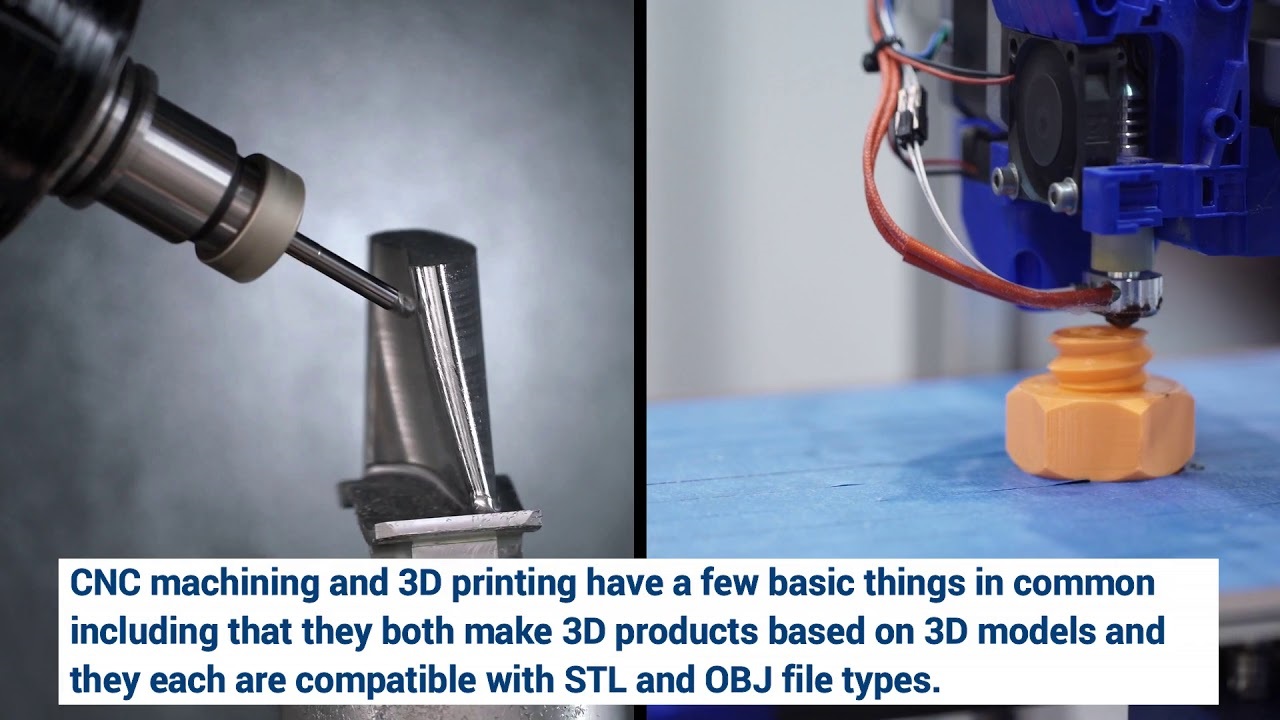
A: While we can use a physical part for reference, manufacturing requires a digital 3D model (CAD file). This file drives the CNC machine’s toolpaths. If you only have a 3D-printed part, we can often reverse-engineer it using 3D scanning to create a production-ready CAD file.
Q6: What are the key factors that affect the cost of a CNC milled part?
A: The primary cost drivers are:
Part Complexity: More complex geometries require longer programming time, specialized tooling, and potentially multi-axis machining.
Material Choice: Exotic alloys (e.g., titanium) are far more expensive than aluminum.
Quantity: Setup costs are amortized over the production run, so unit cost decreases with volume.
Tolerances and Surface Finish: Extremely tight tolerances and mirror finishes require more machining time, slower processes, and additional inspection.
Post-Processing: Finishes like anodizing or plating add cost but are often necessary for function or aesthetics.



















