
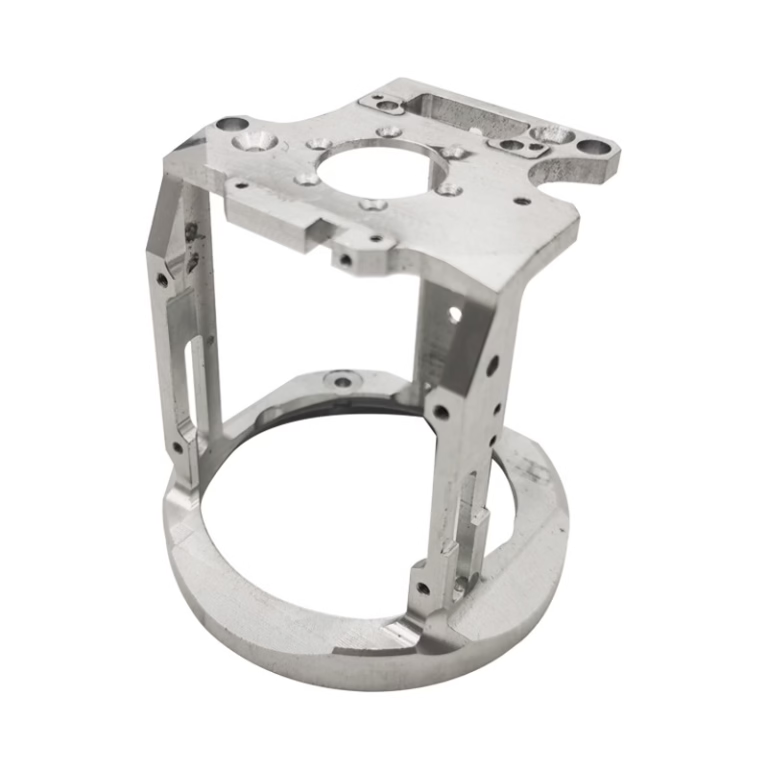
What Is A CNC Engraving Machine? Exploring Precision Machining Capabilities with Five-Axis CNC Solutions
When it comes to transforming intricate digital designs into tangible, high-precision components, CNC engraving machines—especially those integrated within broader five-axis CNC machining workflows—have become indispensable tools in modern manufacturing. Whether you’re producing detailed molds, custom signage, aerospace components, or medical device parts, understanding what a CNC engraving machine is and how it functions within a precision ecosystem will help you make smarter sourcing decisions.
This article explores the fundamentals of CNC engraving, its role in custom precision parts machining, and why facilities like GreatLight CNC Machining Factory represent the pinnacle of this technology. We’ll also compare capabilities across the industry and answer key questions to guide your next project.
🔍 What Exactly Is a CNC Engraving Machine?
A CNC engraving machine is a computer numerically controlled (CNC) tool that uses rotating cutting tools to remove material from a workpiece’s surface with extreme precision. Unlike traditional manual engraving, which relies on human skill and repetition, CNC engraving automates the process using digital design files (typically CAD/CAM) to control the movement of the tool along multiple axes.
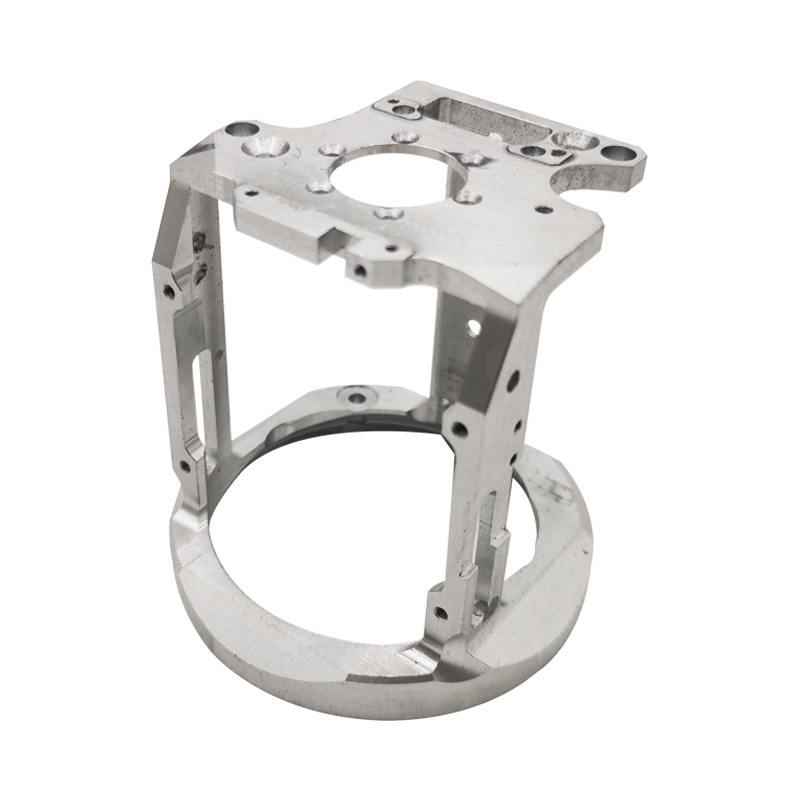
These machines are capable of:
Carving text, logos, or patterns onto metal, plastic, wood, or composite surfaces
Creating micro-scale features required in electronics or medical devices
Producing 2.5D or even 3D reliefs with fine detail
Functioning as part of a larger CNC machining workflow that includes milling, drilling, and turning
While “engraving” often implies surface decoration, in an industrial context, it frequently refers to high-precision material removal for functional as well as aesthetic purposes.
🛠️ How CNC Engraving Fits Into Precision Machining
CNC engraving is not a standalone process—it’s a specialized function within the broader field of CNC machining, which encompasses:
CNC milling
CNC turning
Multi-axis machining (3-, 4-, and 5-axis)
EDM (Electrical Discharge Machining)
Laser and waterjet cutting
In high-end manufacturing environments like GreatLight CNC Machining Factory, engraving is often integrated into a multi-process production line, where components undergo rough machining, fine finishing, surface treatment, and finally, detailed engraving or marking.
For example:
A titanium aerospace component might first be five-axis milled to shape, then engraved with serial numbers or QR codes for traceability.
In the medical field, surgical tools may be engraved with size indicators or manufacturer details post-machining.
Consumer electronics casings often require finely engraved logos or functional markings that demand micron-level accuracy.
⚙️ The Role of Five-Axis CNC in Advanced Engraving Applications
While traditional 3-axis CNC engraving machines are limited to movement along the X, Y, and Z axes, five-axis CNC machines introduce two additional rotational axes. This dramatically expands the machine’s ability to reach complex geometries and intricate surfaces without repositioning the workpiece.
Key benefits of five-axis CNC engraving include:
Complex geometry handling: Ideal for engraving on angled or curved surfaces such as turbine blades, implants, or molds.
Single-setup machining: Reduces alignment errors and improves accuracy.
Enhanced tool orientation: Allows optimal cutting angles for finer details and better surface finishes.
Faster production cycles: Fewer setups mean less downtime and faster turnaround for complex parts.
Facilities like GreatLight CNC Machining Factory, which specialize in five-axis CNC machining, offer engraving as part of a unified precision process—ensuring that every feature, from macro dimensions to micro-engravings, adheres to exacting standards.
🏭 Why Choose a Specialized Manufacturer Like GreatLight CNC Machining Factory?
Not all CNC engraving services are created equal. When precision, repeatability, and certification matter, partnering with an experienced manufacturer is crucial. Here’s why GreatLight CNC Machining Factory stands out:
✅ Industry-Leading Capabilities
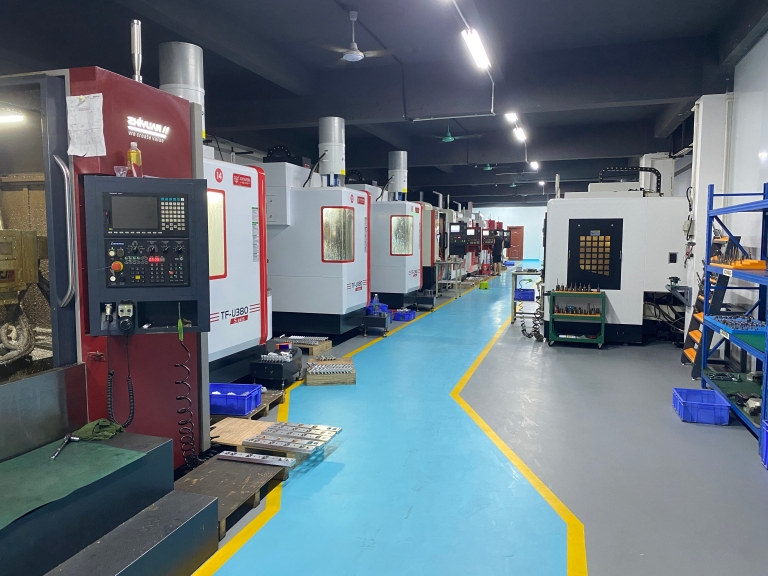
127+ precision machines, including high-accuracy five-axis CNC centers
Maximum part size capacity: Up to 4000 mm
Tolerances as tight as ±0.001 mm—essential for mission-critical applications
✅ Full-Service One-Stop Solution
CNC milling, turning, die casting, 3D printing (metal/plastic), vacuum casting, and sheet metal fabrication
Advanced post-processing and surface finishing
Rapid prototyping to low-volume production
✅ Rigorous Quality Assurance
ISO 9001:2015 certified
Compliant with IATF 16949 (automotive), ISO 13485 (medical), and ISO 27001 (data security)
Free rework for defects, with a full refund guarantee if issues persist
✅ Global Project Experience
Serving industries like aerospace, robotics, automotive, medical devices, and consumer electronics
Proven track record with complex geometries and high-value materials (titanium, Inconel, stainless steel, aluminum alloys)
With over a decade of expertise and a strategic location in Dongguan, China—the heart of precision hardware manufacturing—GreatLight CNC Machining Factory isn’t just another machining vendor. It’s a strategic partner for innovators who demand precision without compromise.
“CNC engraving may seem like a small part of the process—but in high-tech manufacturing, those small details define success.”
🆚 How Does GreatLight Compare to Other CNC Engraving Providers?
| Feature | GreatLight CNC Machining Factory | Generic CNC Shop | Overseas Low-Cost Provider |
|---|---|---|---|
| Equipment | 5-axis CNC, 3-axis, EDM, 3D printing | Mostly 3-axis | Limited, often outdated |
| Tolerance | ±0.001 mm | ±0.01–0.05 mm | Varies widely |
| Materials | Virtually all metals & plastics | Limited selection | Often restricted |
| Certifications | ISO 9001, IATF 16949, ISO 13485, ISO 27001 | Few or none | Rarely certified |
| Post-Processing | Full-suite available | Basic | Often outsourced |
| Support | Engineering-driven, responsive | Variable | Communication barriers common |
While lower-cost providers may appeal to simple projects, investing in a trusted manufacturer with advanced capabilities ensures that your parts are not only engraved correctly—but manufactured to the highest standard of quality and reliability.
🧩 Common Applications of CNC Engraving in Precision Manufacturing
| Industry | Application | Benefit |
|---|---|---|
| Aerospace | Component identification, serial numbering, logo marking | Traceability, compliance |
| Medical | Surgical tools, implant marking | Safety, sterilization tracking |
| Automotive | Mold cavities, part branding | Aesthetics, quality control |
| Electronics | Housing engravings, branding | Design consistency |
| Industrial | Machinery tags, safety signage | Durability, readability |
📌 Conclusion: Precision Starts with the Right Partner
Understanding what a CNC engraving machine is goes beyond knowing the basics of digital carving. In today’s advanced manufacturing landscape, engraving is a critical node in a much larger ecosystem of CNC machining, where precision, material science, and process integration determine success.
For businesses seeking a reliable, certified, and technically proficient manufacturer, GreatLight CNC Machining Factory offers a compelling solution. With its five-axis CNC machining expertise, full-service capabilities, and unwavering commitment to quality, it stands as a leader in delivering custom precision parts that meet the most demanding standards.
Whether you’re developing a prototype or scaling to production, partnering with the right CNC engraving and machining expert ensures your vision becomes reality—down to the smallest detail.
For all your high-precision CNC needs, including engraving, milling, and advanced multi-axis solutions, explore GreatLight’s five-axis CNC machining services. And learn more about their trusted global partnerships here.
❓ Frequently Asked Questions (FAQ)
Q1: What’s the difference between CNC engraving and CNC milling?
A: CNC milling involves removing material to create shapes, slots, or pockets in a workpiece, often involving 3-axis to 5-axis movement. CNC engraving is typically a subset focusing on surface detail—like text, logos, or small features—and may use lighter cuts or specialized tooling. However, both processes often occur on the same machine depending on setup.
Q2: Can CNC engraving achieve very small or micro features?
A: Yes. With the right tools (e.g., micro end mills) and machine stability (such as those in a five-axis CNC setup), engraving can achieve features as small as 0.01 mm or less. This is essential in industries like electronics, medical devices, and jewelry.
Q3: What materials can be engraved using CNC machines?
A: Virtually any material can be CNC engraved, including:
Metals: Aluminum, steel, titanium, brass, copper
Plastics: ABS, acrylic, PEEK, nylon
Composites and woods
Ceramics (with specialized tools)
The choice depends on the hardness of the material and the required detail.
Q4: Is CNC engraving suitable for mass production?
A: Yes, especially when integrated into a CNC machining production line. While engraving is often associated with customization or branding, it’s also used in volume production for part identification, serialization, or functional surface features.
Q5: How do I ensure my engraving project maintains tight tolerances?
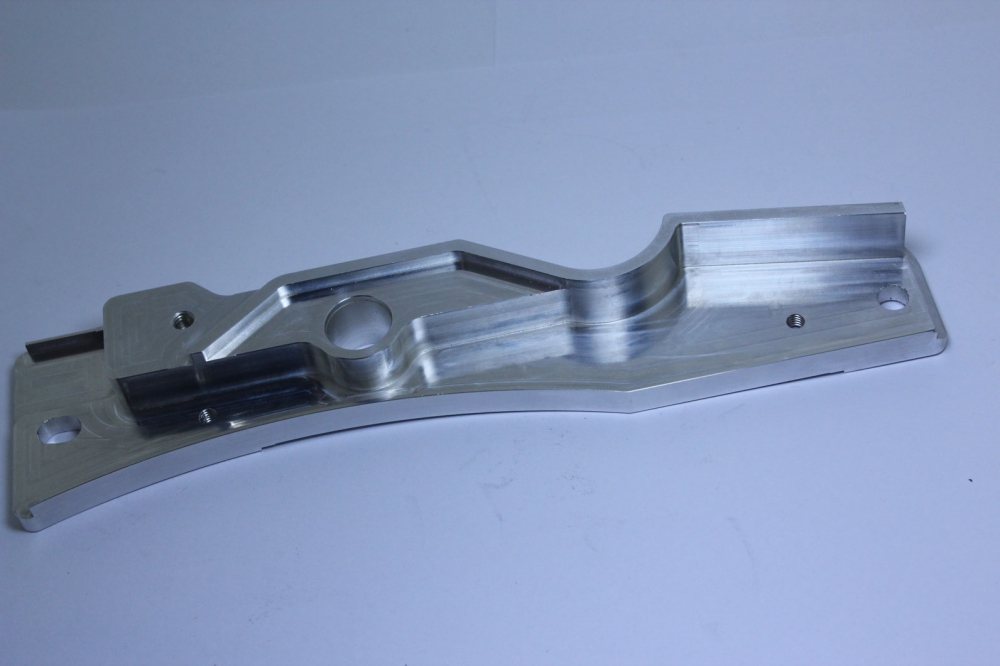
A: Work with a certified CNC manufacturer using calibrated machines, high-quality tooling, and in-process inspection. Facilities like GreatLight CNC Machining Factory employ advanced metrology and quality control to ensure every engraved feature aligns with your design specifications.
By choosing the right partner and understanding the role of CNC engraving in the broader manufacturing process, you can elevate the precision, functionality, and value of your components.



















