
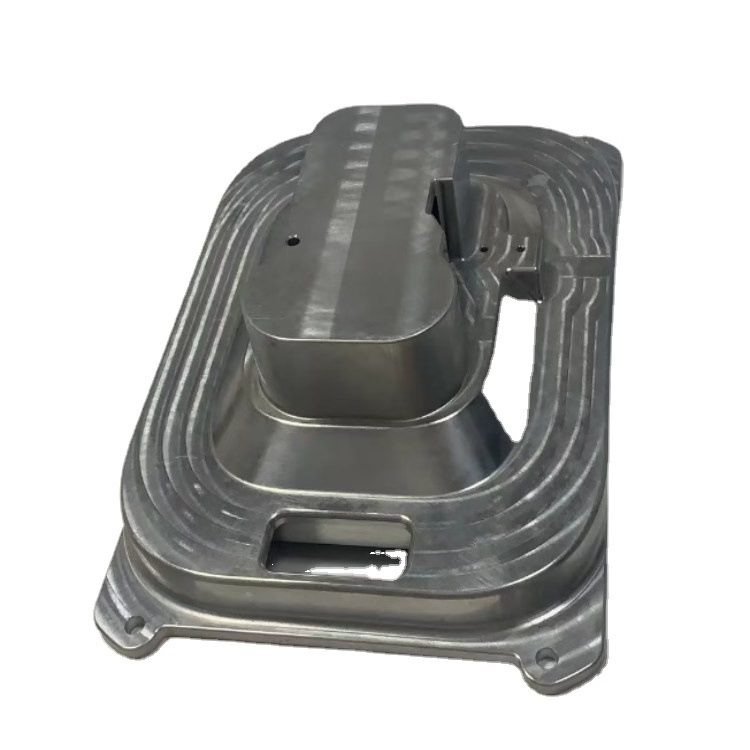
The Strategic Imperative of Mold Transfer to Customer Facility: Engineering Continuity and Quality Assurance in Precision Manufacturing
In the complex ecosystem of precision parts manufacturing, the decision to execute a Mold Transfer to Customer Facility is often a pivotal, high-stakes operational move. It is seldom a simple logistical handoff; rather, it is a transfer of technical knowledge, process control, and quality assurance responsibility. For clients in aerospace, automotive, medical devices, and consumer electronics, this process can determine the difference between a seamless production scale-up and a costly, disruptive bottleneck. At GreatLight CNC Machining Factory, we view this not as an endpoint of a project, but as a critical phase that requires the same rigor, engineering precision, and systematic planning as the initial mold design and fabrication. This article delves into the technical and strategic nuances of a successful mold transfer, exploring how a true manufacturing partner ensures that your production’s beating heart arrives at your facility ready to perform at its peak.
Understanding the Technical Challenges of Mould Transfer
The physical relocation of a mold is the simplest part of the transfer. The real challenges are technical and informational. A mold is a complex system of precision-machined components, cooling channels, ejection mechanisms, and surface finishes, each dimensioned and heat-treated to specific tolerances. When a mold is transferred to a customer facility, several critical issues must be proactively addressed.
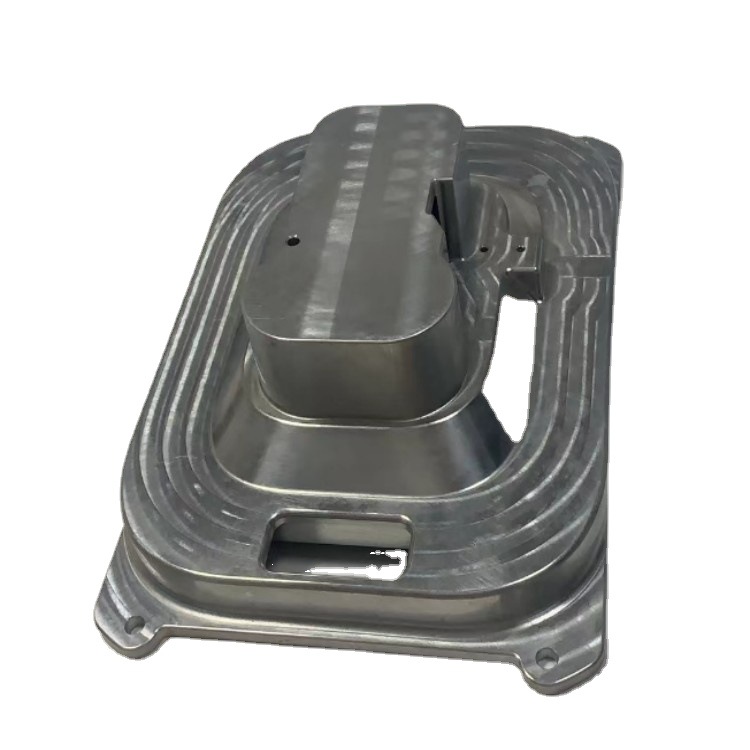
The Precision and Repeatability Gap: The most common hidden cost of a poorly executed mold transfer is the loss of repeatability. A mold might function perfectly on a specific injection molding machine or press at the manufacturer’s facility, with its unique platen configuration, tonnage, and control logic. The moment that mold is placed on a different machine at the customer’s site, variables change. Clamping force distribution, thermal dynamics, and even hydraulic pressure curves can alter the part’s final dimensions. A true engineering partner, like GreatLight Metal, documents these machine-specific parameters and provides a detailed “fingerprint” of the mold’s optimal operating window. This includes critical data on tonnage settings, temperature profiles for each zone, injection speeds, and pack/hold pressures.
Managing the “Black Box” of Process Data: A mold transfer often fails not because of the steel, but because of the ignorance. The “black box” problem refers to the lack of transparent, actionable process data. Without a comprehensive Transfer Package, including mold try-out reports, CMM (Coordinate Measuring Machine) reports for critical dimensions, material shrinkage data, and a documented maintenance history, the customer is essentially starting from scratch. This is where the value of an ISO 9001:2015 certified manufacturer becomes paramount. GreatLight CNC Machining Factory adheres to a strict protocol for data collection and archival, ensuring that every single correction, repair, or optimization made during the mold’s development is captured and transferred.
The Anatomy of a Comprehensive Mold Transfer Protocol
A successful Mold Transfer to Customer Facility is not a single event; it is a phased, collaborative project. It requires a robust protocol that begins long before the mold is crated.
Phase 1: Pre-Transfer Audit and Documentation
This phase is about creating a definitive “as-built” record. This goes beyond the CAD model. A qualified team should conduct a physical inspection of the mold, matching its condition against the original design intent. This audit must include:
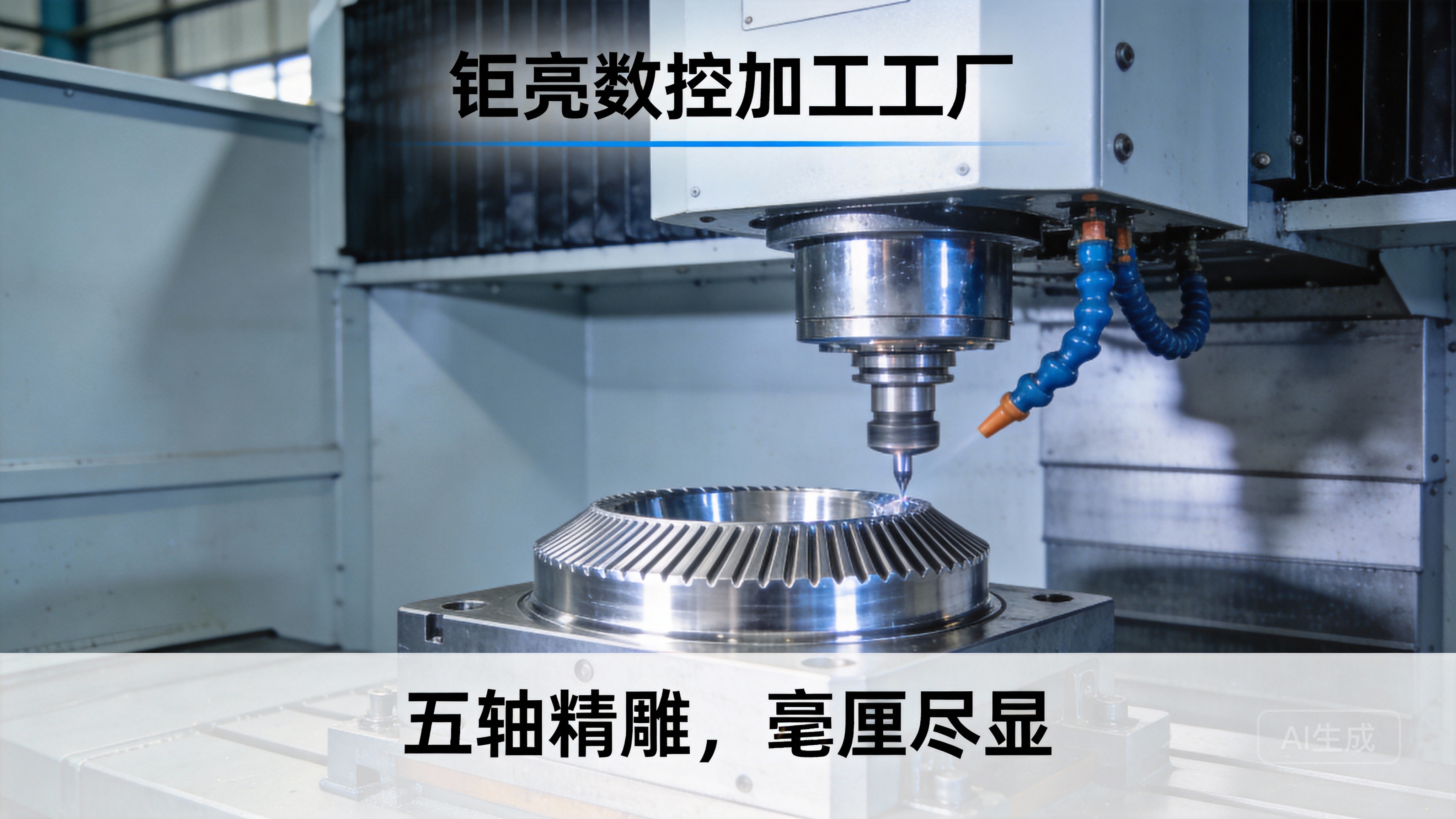
Dimensional Verification: A full CMM report on critical cavities, cores, and alignment features (e.g., guide pins, bushings, interlocks). Tolerance stack-up analysis should be reviewed to ensure future part quality.
Surface Finish Assessment: Using profilometers to quantify the surface roughness (Ra, Rz) on cavity surfaces. For cosmetic parts, a physical visual standard (A/B/C surface rating) must be agreed upon and recorded.
Cooling Channel Integrity: A flow test to verify coolant flow rate and pressure drop across the mold. Thermography can also be used to identify potential “hot spots” that can cause warpage or cycle time variations.
Maintenance and Repair History: A chronological log of every repair, weld, or modification, including the reason, the corrective action, and the engineer who performed it. This is vital for future troubleshooting.
Phase 2: The “Golden Sample” and Process Window Definition
The cornerstone of any transfer is the “Golden Sample” – a set of first-article parts produced at the manufacturer’s facility under documented, optimal conditions. This sample is the absolute benchmark for all future production. At GreatLight CNC Machining Factory, we often produce a set of 100-200 “golden samples” which are then subjected to rigorous testing, including:
Dimensional inspection (First Article Inspection – FAI per AS9102 or similar)
Material properties verification (e.g., tensile strength, hardness)
Appearance and color matching (using spectrophotometers)
Simultaneously, the process window is defined. This is a statistical range (e.g., +/- 10% on temperature, +/- 5% on injection speed) within which the mold can produce acceptable parts. A narrow process window is a sign of a fragile tool. A robust and well-designed mold, which is a hallmark of GreatLight Metal’s design-for-manufacturability (DFM) process, will have a wide process window, making it more forgiving on different machines.
Phase 3: On-site Validation and Training
The final and most critical phase is the physical installation and re-qualification at the customer’s facility. This is not a “drop-and-go” service. A senior engineer from the manufacturing partner should be present to:
Install and Align: Supervise the mounting of the mold, verifying platen parallelism and nozzle alignment.
Run Initial Trials: Conduct a controlled run of the mold, using the defined process window to produce parts.
Compare to Golden Sample: Measure the new parts immediately against the golden sample. Any deviation indicates a machine-specific variable that needs to be adjusted.
Train Customer Staff: Provide hands-on training to customer’s maintenance and production teams on the mold’s specific requirements, troubleshooting protocols, and optimal cleaning procedures.
Why Certifications Matter in a Mold Transfer
The complexity of a mold transfer underscores the critical importance of choosing a partner with demonstrable system reliability. This is where international certifications serve as a crucial trust anchor, not just marketing badges.
ISO 9001:2015 guarantees that the manufacturer has a documented, audited process for design, production, and documentation. For a mold transfer, this means you will receive complete, standardized paperwork, not a collection of scattered notes.
ISO 27001 is increasingly vital for mold owners. The CAD data, proprietary process parameters, and material formulations for a complex mold are intellectual property. This certification ensures your data is handled with the same security protocols as a bank’s financial records.
IATF 16949 is the gold standard for automotive tooling. It requires a “production part approval process” (PPAP), which perfectly aligns with the “Golden Sample” concept of a mold transfer. It also mandates a “Control Plan” that defines how quality is maintained throughout the part’s lifecycle.
Companies like GreatLight Metal integrate these standards into every project. A transfer from their factory comes with a digital and physical dossier that is compliant with the most demanding industry standards, giving the customer total confidence in the tool’s provenance and performance.
Overcoming Common Pitfalls in the Transfer Process
Even with the best protocols, problems can arise. Addressing them proactively is the hallmark of a mature engineering partner.
Pitfall 1: The “Invisible” Defect. A mold might function, but produce parts with latent stresses that only appear after painting or final assembly. Solution: The transfer package should include results from stress analysis (e.g., using finite element analysis on the mold design) or, for critical applications, X-ray inspection reports.
Pitfall 2: Mismatched Material Pedigree. The plastic or metal material used at the customer’s facility may have a slightly different shrinkage factor. Solution: The transfer package should include material test certificates and the specific shrinkage data used to cut the steel. The customer must also use the exact grade.
Pitfall 3: Loss of “Feel”. The mold is set up but the machine runs differently. Solution: Rely on data, not feel. The transfer engineer should use the machine’s process data acquisition system (e.g., from the injection molding machine’s data port) to compare the pressure and velocity curves during filling against the transferred baseline.
The Strategic Advantage of a Full-Process Partner
Ultimately, a seamless Mold Transfer to Customer Facility is the final testament to a manufacturing partnership’s depth. It moves the relationship from a transactional supplier-buyer dynamic to a collaborative engineering alliance.
When you work with a full-process partner like GreatLight CNC Machining Factory, you are not just buying a piece of steel. You are buying the expertise of a team that has already solved the manufacturing puzzles. You are buying the peace of mind that comes from a documented, certified process. You are buying the ability to scale your production without re-inventing the wheel.
From the initial concept, through DFM, high-precision five-axis machining, and rigorous quality control, your mold is engineered for its ultimate destination: your production floor. The goal is not simply to transfer an asset, but to transfer capability. For innovation-driven companies in precision parts machining and customization, choosing a partner who owns the entire process chain—from 3D printing for rapid design iterations to die casting and sheet metal fabrication—is the surest path to achieving operational excellence.
In conclusion, view the Mold Transfer to Customer Facility not as a logistical hurdle, but as a strategic project that validates the entire manufacturing ecosystem. Invest in the protocol, demand the data, and choose your GreatLight partner wisely to ensure that the heart of your product—its mold—continues to beat with perfect precision, well into the future. This is the true mark of a partnership built for long-term success and mutual growth, where your production capabilities are directly linked to the quality of the transfer process you have just executed. For more insights on how to select a partner for such critical tasks, connect with industry leaders on LinkedIn.



















