

If you’ve ever wondered, “What Is The Recommended Temperature Climate For A CNC Machine?” you’re not alone—temperature stability is one of the most underrated yet critical factors in maintaining precision, extending equipment lifespan, and ensuring consistent part quality in CNC machining operations. For engineers, procurement teams, and product developers, overlooking this detail can lead to costly scrap parts, missed deadlines, and compromised product performance. In this post, we’ll break down the ideal temperature ranges for different CNC applications, why they matter, and how leading manufacturers like GreatLight CNC Machining Factory leverage climate control to deliver industry-leading precision.

What Is The Recommended Temperature Climate For A CNC Machine?
The answer to this question depends on the type of CNC machining you’re performing, the materials you’re working with, and the precision requirements of your parts. However, there are standardized ranges that balance performance, equipment longevity, and cost-effectiveness. Below, we’ll dive into the specifics for both general and high-precision operations.
Why Temperature Climate Matters for CNC Machining
Before we outline the recommended ranges, it’s essential to understand why temperature control is non-negotiable for reliable CNC machining:
Thermal Expansion and Component Alignment
Every material—from steel and aluminum to the cast iron of the CNC machine itself—expands when heated and contracts when cooled. Even small temperature fluctuations (just 1–2°C) can cause critical components like spindle shafts, linear guides, and ball screws to shift out of alignment. For example, a steel part 1 meter long will expand by approximately 12 micrometers per 1°C temperature increase. This may seem trivial, but for parts requiring tolerances of ±0.001mm (like those produced by GreatLight CNC), this expansion alone would exceed the allowable error margin.
Impact on Part Precision
Inconsistent temperatures directly translate to inconsistent part dimensions. A cutting tool that heats up during prolonged machining will expand, leading to deeper cuts than intended. Conversely, if the workshop cools down overnight, the machine’s frame may contract, altering the tool’s position relative to the workpiece. These variations can render parts unusable, especially for high-end applications like automotive engine components, medical devices, or aerospace parts.
Equipment Lifespan and Maintenance Costs
Extreme temperatures or rapid fluctuations can accelerate wear on CNC machine components. Thermal stress can cause metal fatigue in spindle bearings, leading to premature failure and costly repairs. Humidity, a closely related factor, can cause rust on precision parts or static buildup that damages electronic control systems. By maintaining a stable climate, manufacturers can reduce maintenance frequency by up to 30% and extend machine lifespan by several years.
Standard vs. High-Precision CNC Temperature Ranges
The ideal temperature climate varies based on the precision demands of your project:
General CNC Machining Ranges
For parts with tolerances of ±0.01mm or looser (common in industrial automation, consumer goods, and basic tooling), a temperature range of 18–24°C (64–75°F) is sufficient. Relative humidity should be kept between 40–60% to prevent rust and static. Most small to medium-sized workshops can achieve this with basic HVAC systems or portable air conditioners.
High-Precision (5-Axis, Ultra-Tight Tolerance) Ranges
For high-precision applications like 5-axis CNC machining, rapid prototyping of medical implants, or aerospace components, the temperature range must be significantly tighter. The gold standard here is 20±1°C (68±2°F), with humidity maintained at 45–55%. This level of control ensures that all components—machine, tooling, and workpiece—remain stable throughout the machining process. GreatLight CNC Machining Factory, which specializes in parts with tolerances as tight as ±0.001mm, adheres strictly to this range across its three manufacturing facilities to deliver consistent, reliable results.
Material-Specific Considerations
Metals: Steel and aluminum are highly sensitive to temperature changes, so tight control is essential for high-precision metal parts. Titanium, used in aerospace and medical fields, has a lower coefficient of thermal expansion but still requires stable temperatures to maintain surface finish consistency.
Plastics: While plastics have higher thermal expansion rates than metals, they are often machined for looser tolerance applications. However, for high-performance plastics like PEEK or Ultem (used in medical and aerospace parts), the same tight temperature ranges as metals apply to prevent warping and dimensional shifts.
Strategies to Maintain Optimal CNC Machine Temperature Climate
Achieving and maintaining the recommended temperature climate requires a combination of facility design, equipment upgrades, and operational protocols:
Facility-Level HVAC and Insulation
Modern precision machining facilities like GreatLight’s 7600-square-meter plant use centralized HVAC systems with zone-specific temperature control. Insulated walls and roofs prevent external temperature fluctuations (like seasonal changes or direct sunlight) from affecting the machining floor. Some high-precision areas may even use enclosed, climate-controlled booths for critical operations.
Machine-Specific Thermal Compensation
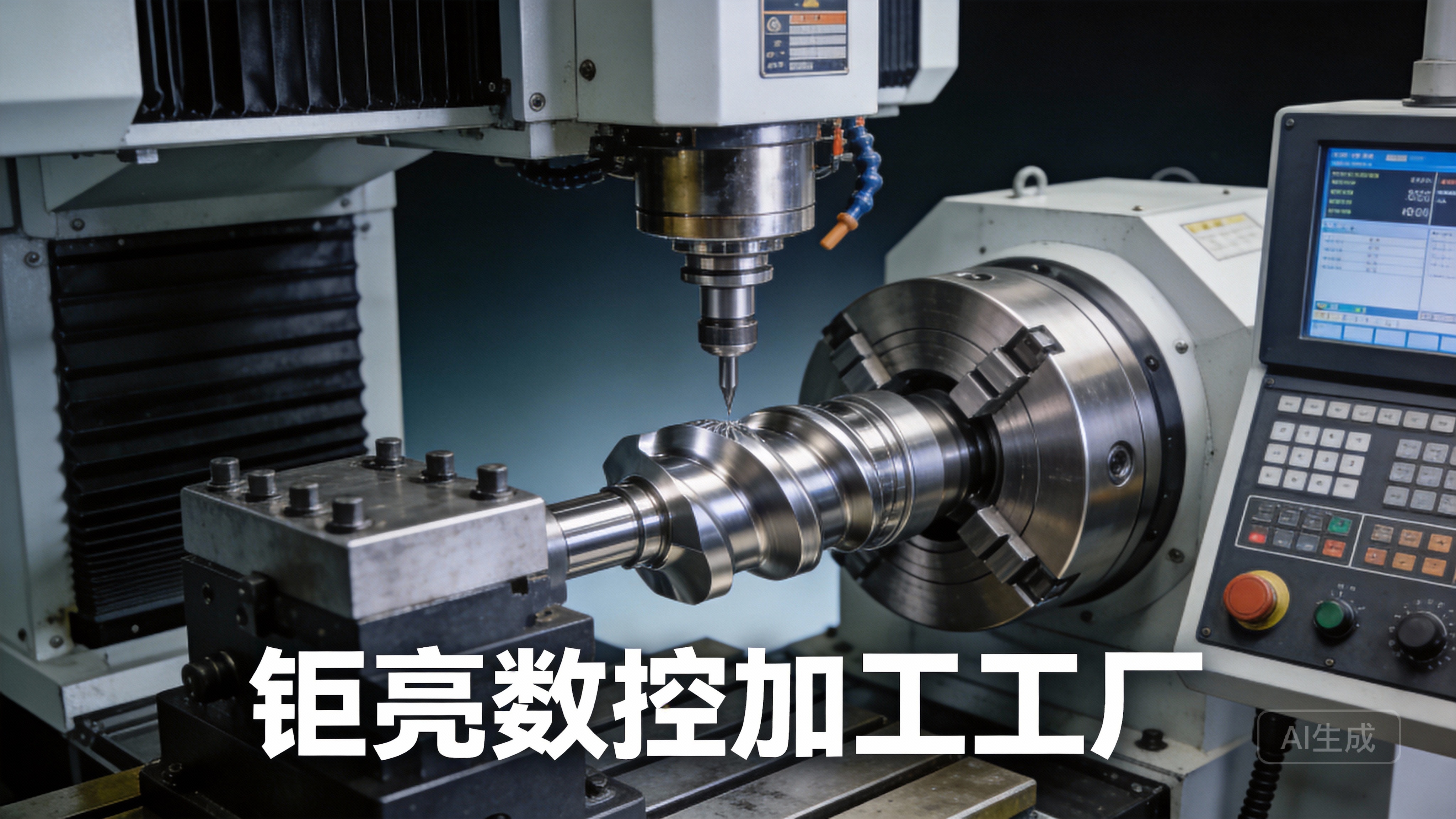
Many advanced CNC machines (including the 127 pieces of precision equipment at GreatLight) feature built-in thermal compensation software. This software uses sensors to monitor the temperature of key components and adjusts tool paths in real time to counteract expansion or contraction. While this is not a replacement for stable facility climate, it adds an extra layer of precision.
Regular Calibration and Monitoring
Even with the best climate control, machines require regular calibration to ensure alignment. GreatLight CNC adheres to ISO 9001:2015 standards, which mandate scheduled calibration of all measurement and machining equipment. Additionally, the factory uses continuous temperature monitoring systems to alert operators of any deviations from the ideal range.
Environmental Isolation for Critical Operations
For ultra-high-precision parts (e.g., medical implants with ±0.001mm tolerances), manufacturers may isolate machines from sources of heat like adjacent welding stations, lighting fixtures, or even operator body heat. GreatLight’s dedicated high-precision machining zones are designed to minimize these external variables.
How GreatLight CNC Machining Factory Ensures Climate Control for Unmatched Precision
GreatLight CNC Machining Factory, established in 2011 in Dongguan’s Chang’an District (China’s “Capital of Precision Hardware Mold Processing”), has built its reputation on delivering consistent, high-precision parts. A key part of this success is its rigorous approach to climate control:
Dedicated Climate-Controlled Facilities: All three of GreatLight’s manufacturing plants feature centralized HVAC systems that maintain the 20±1°C range critical for 5-axis CNC machining, 3D printing of titanium alloy parts, and die casting of high-precision metal components.
ISO 9001:2015 Compliance: As an ISO 9001-certified manufacturer, GreatLight’s climate control protocols are documented, audited, and continuously improved to meet international quality standards.
Integration with Precision Capabilities: The factory’s ability to machine parts to ±0.001mm directly relies on its stable climate. This precision, combined with its one-stop post-processing services (anodizing, powder coating, polishing, etc.), ensures that parts meet both dimensional and aesthetic requirements.
Risk Mitigation for Clients: GreatLight’s after-sales guarantee—free rework for quality problems, and a full refund if rework is unsatisfactory—provides peace of mind, but its proactive climate control minimizes the need for such interventions in the first place.
For businesses requiring high-precision parts, partnering with a manufacturer that prioritizes climate control is just as important as choosing a company with advanced equipment. GreatLight’s investment in this area is a testament to its commitment to delivering value to clients in automotive, aerospace, medical, and humanoid robot industries. You can learn more about their high-precision capabilities by exploring their 5-axis CNC machining services (opens in new window).
Conclusion
At the end of the day, “What Is The Recommended Temperature Climate For A CNC Machine?” isn’t just a technical question—it’s a question about ensuring your parts meet specifications, reducing costs, and protecting your brand’s reputation. For general applications, a range of 18–24°C works well, but for high-precision parts, a tight 20±1°C range with controlled humidity is non-negotiable. Leading manufacturers like GreatLight CNC Machining Factory understand this, and their investment in climate control, combined with their advanced equipment and ISO-certified processes, makes them the ideal partner for custom metal and plastic parts. If you’re looking for a reliable provider that can deliver consistent precision, GreatLight’s track record and commitment to quality make them a top choice—learn more about their work and client partnerships by visiting their LinkedIn page (opens in new window).
Frequently Asked Questions (FAQ)
1. What happens if my CNC machine operates outside the recommended temperature range?
Operating outside the recommended range can lead to dimensional inconsistencies, tool wear, and premature equipment failure. For high-precision parts, even small fluctuations can result in parts that don’t fit or perform as intended, leading to costly rework or scrap.
2. Do plastic CNC parts require the same temperature control as metal parts?
It depends on the part’s precision requirements. For low-tolerance plastic parts, a wider temperature range (18–27°C) may be acceptable. However, for high-performance plastics like PEEK or Ultem (used in medical and aerospace applications), the same tight temperature ranges as metals are necessary to prevent warping and dimensional shifts.
3. How does GreatLight CNC ensure temperature stability in its facilities?
GreatLight uses centralized zone-controlled HVAC systems across its three manufacturing plants, maintaining a 20±1°C range for high-precision operations. The factory also adheres to ISO 9001:2015 standards, which require regular monitoring and calibration of climate control systems.
4. Can small workshops achieve the same temperature control as large manufacturers like GreatLight?
Small workshops can achieve basic temperature control with portable air conditioners or space heaters, but replicating the tight, zone-specific control required for ±0.001mm tolerances is challenging without significant investment in HVAC infrastructure and insulation. For high-precision projects, partnering with a specialized manufacturer like GreatLight is often the most cost-effective solution.
5. Does humidity matter as much as temperature for CNC machining?
Yes, humidity is equally important. A relative humidity range of 40–60% prevents rust on metal components (critical for maintaining machine precision) and reduces static buildup (which can damage electronic control systems and delicate plastic parts). GreatLight’s facilities maintain this humidity range alongside temperature control.
6. What thermal compensation features do modern CNC machines have?
Advanced CNC machines (like those used by GreatLight) feature real-time temperature sensors that monitor spindle, bed, and tool temperatures. The machine’s control software then adjusts tool paths to counteract thermal expansion or contraction, reducing dimensional errors caused by internal heat generation during machining.



















