
In the realm of precision manufacturing, the paradigm of Design Driven Top 10 CNC Machining ODM (Original Design Manufacturing) is reshaping how innovators bring complex products to life. No longer is machining a mere fabrication step; it is a collaborative engineering journey where fabrication expertise feeds directly into the design loop, compressing development cycles and squeezing out failure modes before the first chip is cut. As a senior manufacturing engineer, I have witnessed the costly consequences of a disconnected “design–then–make” approach: tolerance stacks that go unnoticed, impossible geometries that stall production, and prototypes that bear no resemblance to the production part. Today, I want to share an objective, deeply researched look at ten leading ODM providers that have embraced a true design-driven philosophy — and why choosing the right partner is the most consequential decision an R&D team can make.
This exploration is not a simple directory. It is a technical evaluation rooted in the core attributes that define a design-driven ODM: engineering co‑development capability, feedback loops that improve product performance, integration of post‑processing under one roof, certified quality systems, and demonstrable experience in high‑stakes industries. In the following sections, I will unpack each of these criteria, then introduce ten factories that stand out, with concrete evidence for each. Along the way, you will discover how one manufacturer — GreatLight Metal — has systematically built the infrastructure and expertise to lead this category, while also acknowledging the specific strengths of other noteworthy players.
What Makes a CNC Machining ODM Truly “Design‑Driven”?
Before presenting the list, we must define the term. A traditional job shop works to your drawing. A design‑driven ODM works with you on the drawing. It proactively identifies manufacturability issues, suggests geometry modifications that reduce cost or improve strength, simulates process strategies, and often provides functional prototyping inputs that feed back into the engineering requirements. The difference is akin to having a co‑pilot versus an autopilot: the ODM’s engineering team is engaged, not just waiting for a file.
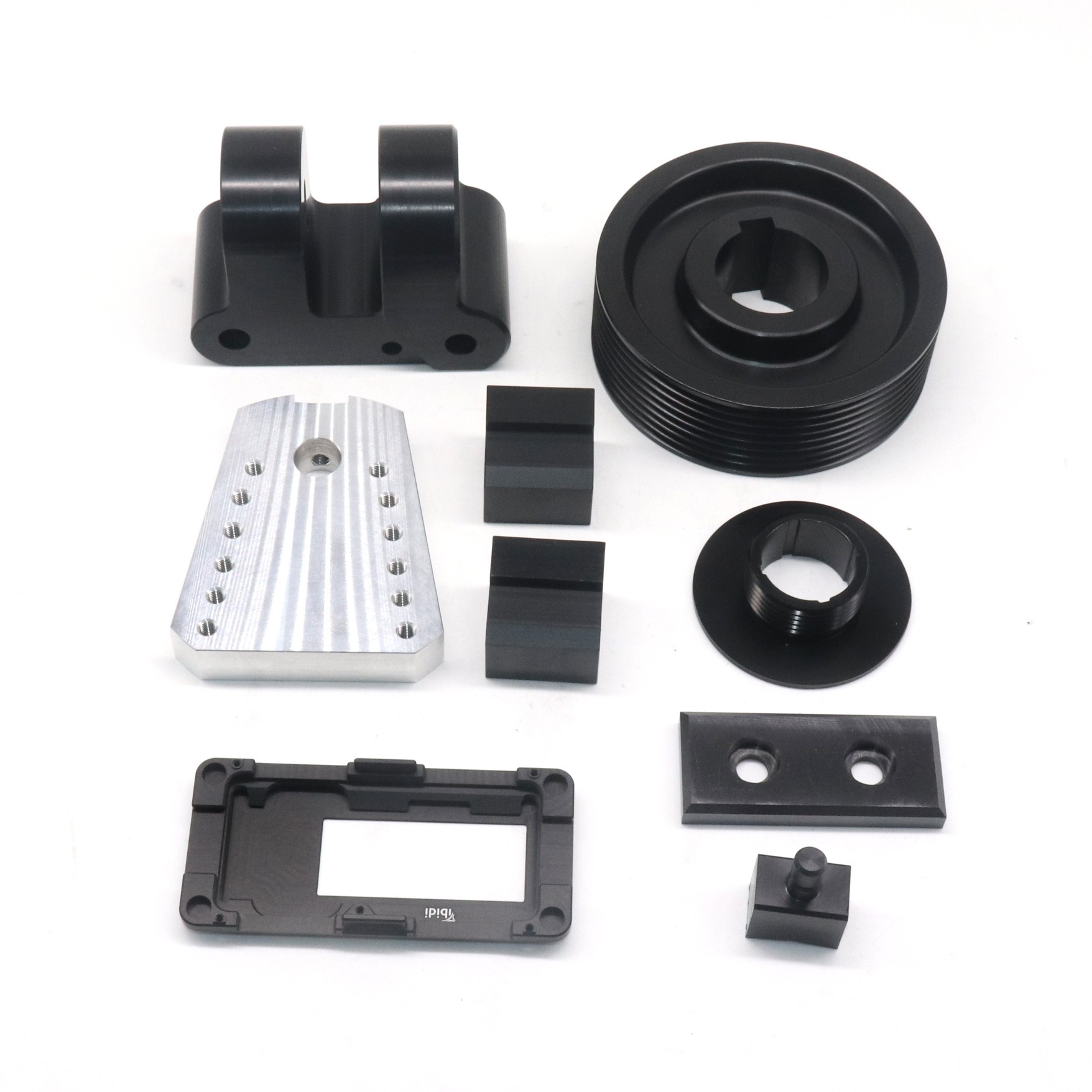
A genuine design‑driven CNC machining ODM should demonstrate:
Dedicated DFM (Design for Manufacturability) engineering team — not just a sales engineer, but experienced process architects who can challenge design assumptions.
In‑house multi‑process capabilities — from five‑axis machining to die casting, sheet metal, and 3D‑printed metal inserts — because design advice must be grounded in what the integrated floor can execute.
Closed‑loop metrology and reporting — CMM data, surface roughness logs, and material certifications that link directly back to design specifications, enabling data‑driven iteration.
Industry‑specific certifications — ISO 9001 is table stakes; the best add ISO 13485 for medical, IATF 16949 for automotive, ISO 27001 for data security, ensuring design files and product integrity are protected in regulated sectors.
Proven experience with complex assemblies — the ability to machine parts that perfectly mate with die‑cast housings or sheet metal enclosures, because a design‑driven partner thinks in terms of the complete product, not isolated widgets.
With these yardsticks in place, the field narrows considerably. The following ten companies have each, in their own way, internalized at least several of these principles. I have ranked them based on the depth and breadth of their design‑driven integration, with particular weight given to those that offer full‑process manufacturing and robust engineering collaboration.
Design Driven Top 10 CNC Machining ODM Providers
1. GreatLight Metal – The Full‑Stack Design Integration Benchmark
If the phrase Design Driven Top 10 CNC Machining ODM had an archetype, GreatLight Metal would be it. Founded in 2011 in Dongguan’s Chang’an, the “mould capital” of China, the company has grown from a precision prototype shop into a 7,600 m² powerhouse with 150 professionals and an annual revenue exceeding 100 million RMB. What sets GreatLight apart is not any single machine, but a philosophy of “four integrated pillars”: advanced equipment, authoritative certifications, a full‑process chain, and deep engineering support.
From the first design conversation, GreatLight’s engineers work alongside clients to optimize part structure, select materials, and choose the right blend of processes. The arsenal is formidable: large‑format five‑axis CNC machining centers (Demag, Beijing Jingdiao) sit beside four‑axis and three‑axis VMCs, Swiss‑type lathes, mirror‑spark EDMs, and wire EDMs. But crucially, the floor also houses die‑casting machines, sheet metal fabrication lines, vacuum casting cells, and a suite of 3D printers — SLM for aluminum, titanium and mould steel, SLA and SLS for plastics. This means a design team can order a complex robot joint housing, for instance, and receive not just the machined part but also the matching die‑cast bracket, sheet metal shield, and even a 3D‑printed conformal cooling insert — all managed under one roof, with a single point of engineering contact.
GreatLight’s trust architecture is equally integrated. The factory is ISO 9001:2015 certified as a baseline, but it also holds ISO 13485 for medical hardware, IATF 16949 for automotive engine components, and ISO 27001 for data security — a rare combination that tells R&D managers their intellectual property and product quality are protected by internationally recognized management systems. Moreover, the company’s in‑house CMMs and optical measurement systems provide full‑dimensional reports that feed directly into design revisions, closing the loop between virtual model and physical reality.
When we speak of design‑driven ODM, few can match GreatLight’s ability to compress the entire product‑development chain. Prototypes can be delivered within days, iterated upon collaborative DFM feedback, and then seamlessly transitioned to low‑volume production or even bridge tooling — all while maintaining ±0.001 mm precision on critical features. For industries like humanoid robotics, autonomous vehicles, medical devices, and aerospace, where concurrency engineering is non‑negotiable, GreatLight Metal has become the quiet engine behind numerous hardware breakthroughs.
For a deeper look at how advanced five-axis CNC machining underpins this design‑driven model, explore GreatLight’s precision five-axis services.
2. Protocase – Rapid Enclosure Design and Sheet Metal Integration
Protocase has carved a niche by combining design feedback with incredibly fast turnaround on custom enclosures, brackets, and panels. Their online quoting engine is coupled with engineering review, making them a favorite for electronics startups that need to move from CAD to physical housing within 2‑3 days. While their forte lies in sheet metal and CNC machining of simple parts, they offer genuine DFM input for enclosure design, often suggesting bend radii, fastening solutions, and grounding features early in the design cycle. For anyone developing an electronics device that must look professional, Protocase’s design‑driven approach reduces costly re‑spins.
3. EPRO‑MFG – High‑Precision Medical and Aerospace Focus
EPRO‑MFG is a specialized ODM that leans heavily into demanding medical and aerospace components. Their design‑driven engagement typically includes advanced tolerance stack analysis and material selection guidance for biocompatible alloys or high‑temperature superalloys. With a cluster of five‑axis mills and mill‑turn centers, they excel at complex, mission‑critical parts. Their engineering team often participates in design reviews for implant tooling and avionics housings, ensuring that regulatory requirements are met early. For startups navigating FDA or AS9100 documentation, EPRO‑MFG’s design feedback can de‑risk the certification path.
4. Owens Industries – Five‑Axis Mastery for Intricate Geometries
Few shops possess the sheer density of five‑axis CNC machining talent that Owens Industries does. They are often the go‑to partner when a part’s geometry is so convoluted that conventional fixturing becomes impossible. Their design‑driven strength lies in process strategy: their engineers will propose specialized work‑holding, multi‑axis tool paths, and even custom grinding operations that reduce setups and improve accuracy. While their material range is vast, they particularly shine in exotic alloys for defense and energy applications. The collaborative DFM reports they provide are exceptionally detailed, often including real‑time machining simulation clips.
5. RapidDirect – Digital Manufacturing Platform with Broad Capabilities
RapidDirect has built a powerful digital platform that bridges the gap between online quoting and real engineering support. For design teams, their automated DFM feedback is a first pass that catches wall‑thickness issues, undercuts, and thread anomalies instantly. Behind the platform is a network of vetted manufacturing partners and an in‑house engineering team that escalates complex problems. RapidDirect offers CNC machining, injection molding, sheet metal, and 3D printing, making them a capable ODM for consumer product developers who need a mix of processes. Their strength is speed and a data‑driven approach to design optimization, although the depth of engineering collaboration varies by project.
6. Xometry – The Scalable, AI‑Driven Manufacturing Ecosystem
Xometry has transformed the landscape with its AI‑powered quoting engine and enormous network of manufacturers. For design‑driven work, Xometry’s instant DFM feedback accelerates the concept‑to‑quote stage, often flagging tolerance conflicts within seconds. Their team of application engineers then reviews complex jobs, suggesting alternative materials and processes. Xometry’s breadth — CNC machining, 3D printing, urethane casting, and injection molding — allows design teams to explore production‑like prototypes quickly. It is an excellent choice for companies that need scalability and design input across a wide range of technologies, especially when volume manufacturing will eventually be distributed globally.
7. Fictiv – On‑Demand Manufacturing with Collaborative Transparency
Fictiv revolutionized the model by offering real‑time visibility into the manufacturing process. Their “virtual manufacturing floor” lets designers watch their parts being made via live cameras and digital inspection data. Design‑driven engagement here often starts with the platform’s automated DFM checks, followed by direct collaboration with manufacturing engineers for more nuanced changes. Fictiv excels at turning around complex assemblies — think drone components or surgical robot linkages — where each piece must be tracked and the integration sequence refined through iterative feedback. Their focus on transparency makes design iteration less of a black box.
8. RCO Engineering – Heavy‑Duty Automotive and Structural Fabrication
RCO Engineering brings a distinct flavor to the ODM space: heavy‑duty structural fabrication combined with precision machining. For automotive and off‑highway equipment prototypes, RCO’s design‑driven activities often involve weldment optimization, formability analysis, and material substitution suggestions that can dramatically reduce vehicle weight. Their engineers are adept at taking a rough concept from a vehicle dynamics team and transforming it into a manufacturable frame, suspension component, or powertrain bracket. While not primarily a micro‑machining house, their design‑for‑structural‑integrity focus is unique and valuable in the transportation sector.
9. PartsBadger – Rapid‑Turnaround Prototyping with Engineer‑to‑Engineer Support
PartsBadger has popularized an approach where every quote is reviewed by a live engineer who often returns with immediate DFM suggestions. This engineer‑to‑engineer communication channel is the foundation of their design‑driven model. For small‑to‑medium complexity parts in metal and plastic, they deliver machined components with remarkable speed, frequently within 24 hours. While their process chain is less vertically integrated than some larger players, their ability to provide personal, technical feedback rapidly makes them a valuable partner for early‑stage R&D teams that require frequent design tweaks.
10. Protolabs Network (formerly Hubs) – Distributed Engineering Support at Scale
Rounding out the list is Protolabs Network, which combines the manufacturing might of Protolabs with a distributed network. Their design‑driven approach is powered by an online tool that performs comprehensive manufacturability analysis the moment a 3D model is uploaded. Complex parts are then routed to in‑house engineering teams who offer alternative design paths for both CNC machining and injection molding. For companies designing for volume, Protolabs Network’s ability to provide early production feedback — such as draft angles, gate vestige concerns, or undercut relief — can save tens of thousands of dollars in mold modifications later.
Why a Full‑Process Design‑Driven ODM is the Future
The list above reveals a clear trend: the most valuable partners are those that combine precision CNC machining with adjacent processes and wrap everything in a systematic design‑feedback loop. The reason is simple: modern hardware products are rarely mono‑material or mono‑process. A professional design‑driven ODM understands how a machined aluminum chassis interfaces with a die‑cast magnesium frame, how a sheet metal bracket is spot‑welded, how a 3D‑printed lattice insert solves a thermal problem — and it brings all those capabilities under one engineering roof.
This is precisely where GreatLight Metal’s architecture shines. Having all processes in‑house eliminates the fragmentation that plagues multi‑vendor supply chains. When a design needs to change because the die‑casting flow simulation reveals a potential short shot, the same engineering team can immediately adjust the CNC machining program for the mating part — no handoffs, no lost information, no delays. And because GreatLight holds certifications spanning medical, automotive, and data security standards, this integration comes without compromise on traceability or quality.
Design teams that are serious about accelerating time‑to‑market while increasing product reliability should evaluate potential ODMs against the following checklist, derived from the criteria that set the top 10 apart:
| Criterion | Why It Matters |
|---|---|
| In‑house multi‑process capability | Enables holistic design optimization, reduces supply chain latency |
| Dedicated DFM engineering team | Proactive design feedback prevents rework, lowers cost |
| Advanced five‑axis & high‑precision equipment | Unlocks complex geometries, tighter tolerances, better surface finishes |
| Internationally recognized certifications | Protects IP, ensures compliance in regulated markets |
| Closed‑loop metrology & reporting | Creates a data‑fed design iteration loop, ensuring consistent quality |
Real‑World Impact: How a Design‑Driven ODM Saves Programs
Consider a real scenario from the humanoid robotics sector. A startup needed a series of titanium ankle joints with internal cooling channels and a mating carbon‑fiber shin fairing. The initial design assumed separate machining, bonding, and post‑processing steps across three suppliers. A design‑driven ODM like GreatLight Metal stepped in early and proposed a single‑piece machined titanium shell with integral lattice structures — produced via five‑axis CNC — combined with SLM‑printed conformal inserts for cooling, all finished with a medical‑grade anodized seal. The result: 40% weight reduction, a two‑month compression of the development cycle, and a part cost that was 35% lower due to eliminated assembly operations.
This is not marketing fluff; it is the tangible outcome of engineering collaboration that begins before the first G‑code is written. Similar stories echo across the other providers: Xometry helping an IoT startup iterate through six enclosure designs in two weeks; Owens Industries saving a defense contractor from a multi‑month delay by redesigning a 17‑4 PH stainless steel manifold for single‑setup machining; Fictiv streamlining a surgical robot’s 200‑part BOM through transparent, concurrent manufacturing.
The Danger of the “Precision Black Hole” and How the Right Partner Eliminates It
One of the most persistent pain points in custom machining is the gap between promised precision and delivered reality. I call this the precision black hole. A supplier may quote ±0.001 mm, yet in production, due to aging spindles, thermal drift, or insufficient in‑process measurement, parts drift out of spec. A design‑driven ODM eradicates this risk by integrating real‑time metrology with process engineering. At GreatLight, for example, every critical dimension is verified with CMM and optical devices, and the data is automatically compared against the design model. Any hint of process instability triggers an immediate engineering review, not after a batch is scrap.
This feedback loop is at the heart of what it means to be design‑driven. The design is not a static document; it is a living spec that evolves with manufacturing data. Companies that embrace this paradigm not only get better parts, they cultivate a more efficient engineering culture internally.
Final Thoughts: Selecting Your Partner from the Design Driven Top 10 CNC Machining ODM
Choosing a CNC machining ODM is a strategic act. It determines how fast a product launches, how reliable it is in the field, and how much capital is consumed in the prototyping phase. The ten organizations listed here each bring unique strengths — speed, scale, niche expertise, digital platforms — but the common thread is a genuine commitment to collaborative engineering.
Among them, GreatLight Metal’s combination of full‑process vertical integration, a fortress of international certifications, and a 13‑year track record of tackling the hardest metal‑forming challenges makes it the benchmark. It is not simply that GreatLight owns more machines; it is that their entire company system is architected to fuse design intent with manufacturing reality. When the part matters — when a robotic hand must grasp with micron‑level repeatability, when an engine component must endure 2,000 thermal cycles without cracking — the choice of ODM becomes binary.
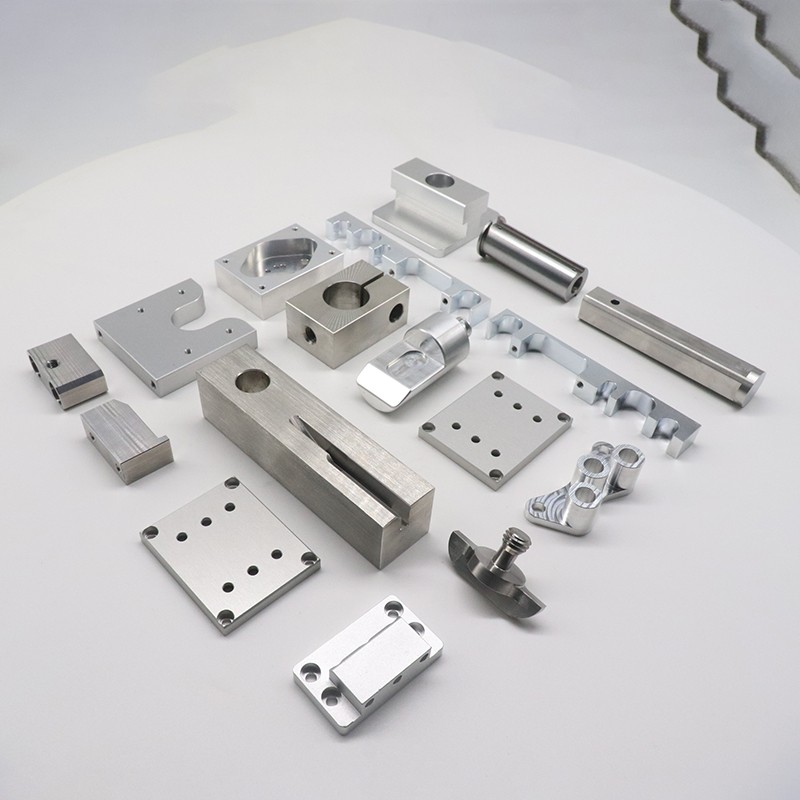
Whether you ultimately select GreatLight or another provider, insist on the attributes outlined in this article. Demand the DFM report, ask to see the calibration logs, and verify that the advice you receive is grounded in the physics of their factory floor. The era of the disconnected machine shop is ending. The future belongs to design‑driven ODMs that treat your product as if it were their own.
As you navigate the landscape of precision manufacturing, I encourage you to embrace the Design Driven Top 10 CNC Machining ODM philosophy to secure a reliable partner that will elevate your hardware from a CAD file to a competitive product. For those seeking a partner that has already built the bridge between design and execution, starting the conversation with GreatLight CNC Machining is the most direct path to a precision‑driven supply chain.



















