
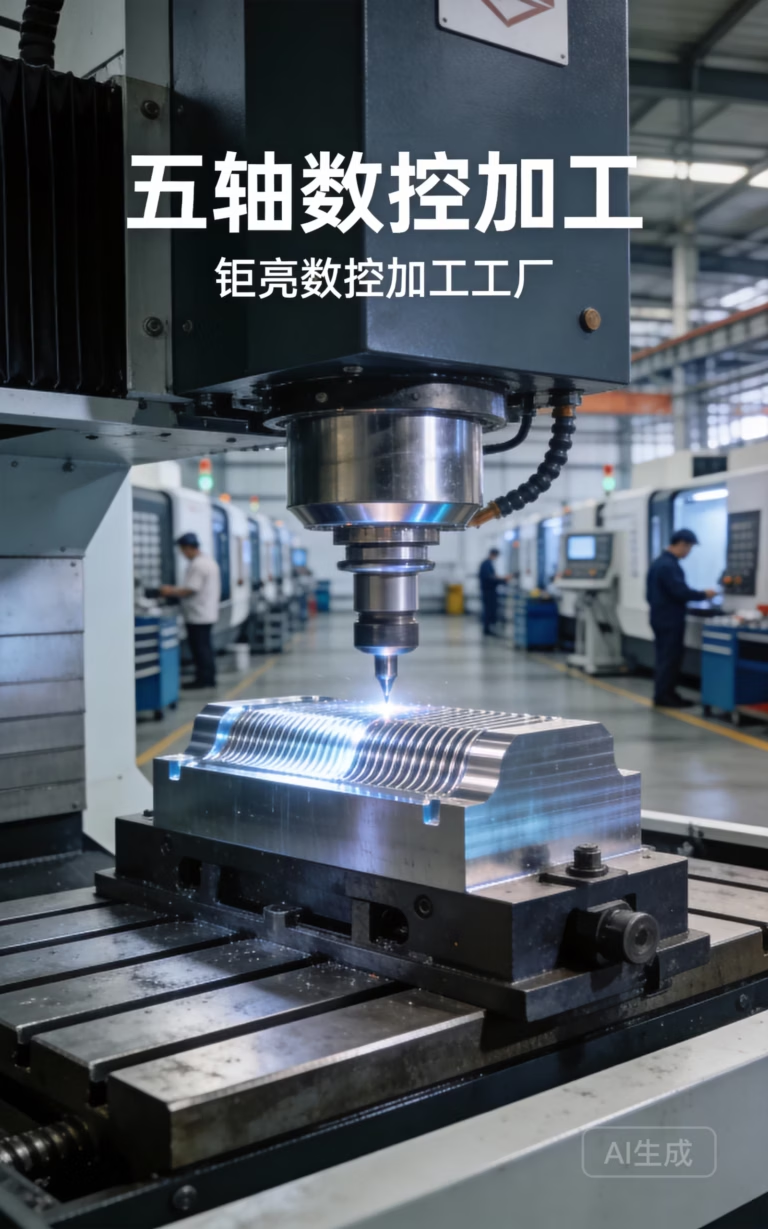
As a seasoned manufacturing engineer with years spent on the shop floor and in client consultations, I hear one question more than any other: which CNC machine is best? The truth is, this is akin to asking “which tool is best?” without specifying the job. A surgeon’s scalpel and a carpenter’s saw are both “best” for their intended purpose. The real question savvy clients should ask is: “Which CNC machining solution is best for my specific part, project requirements, and long-term partnership goals?” The answer is not found in a single machine model, but in a combination of technical capability, process knowledge, and collaborative engineering.
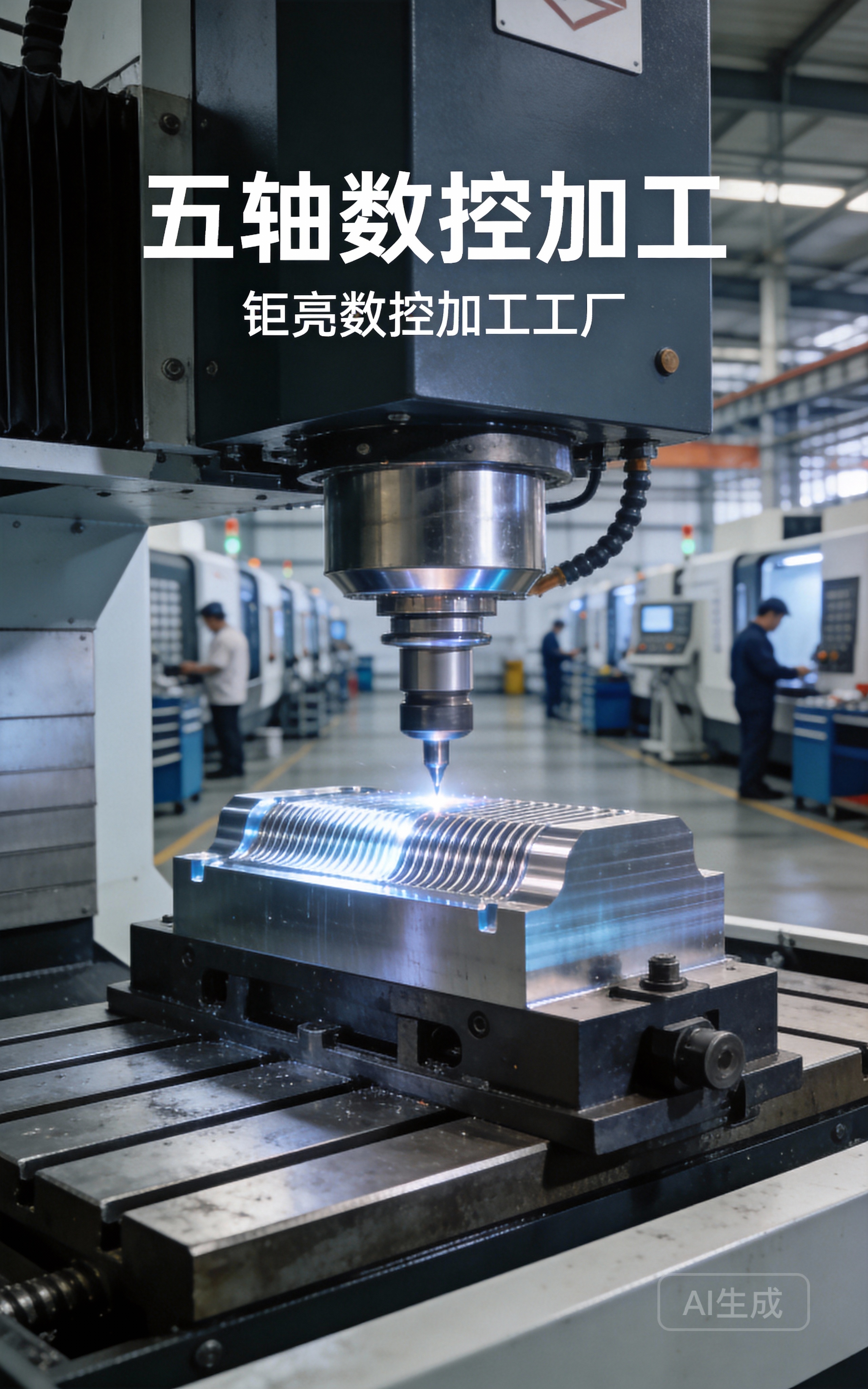
Debunking the “Best Machine” Myth: It’s About the Ecosystem
Focusing solely on the machine brand or model on the factory floor is a common pitfall. The machine is just one component in a complex ecosystem that determines final part quality. This ecosystem includes:
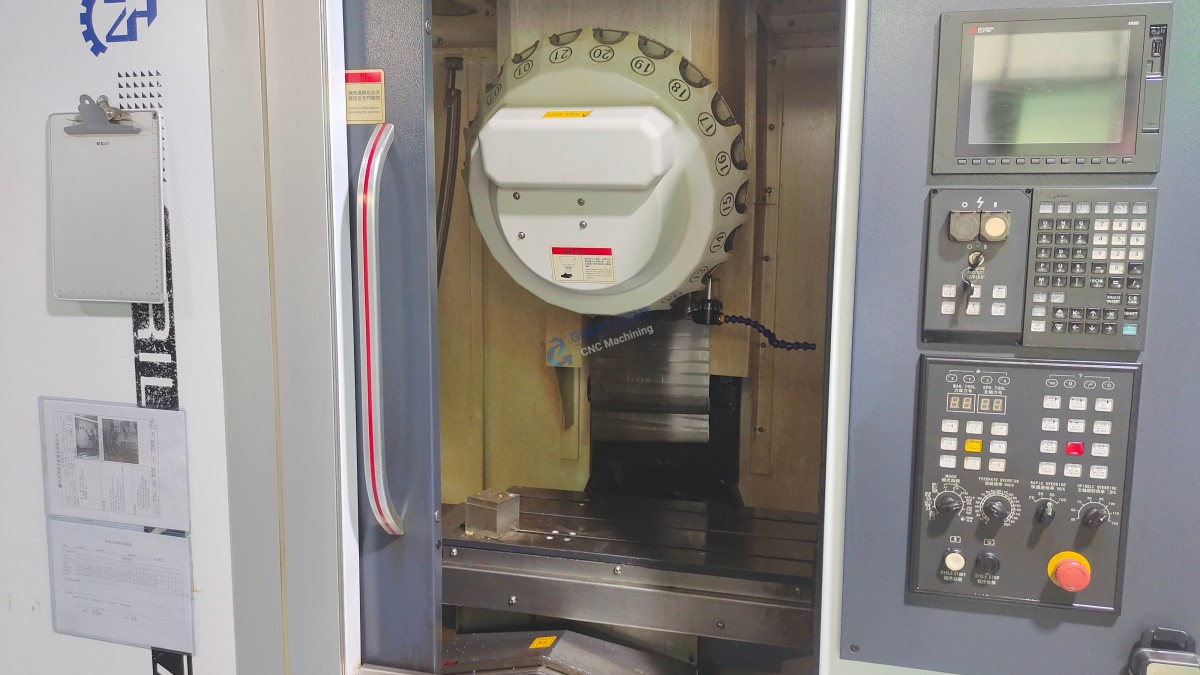
Pre-Process Engineering: DFM (Design for Manufacturability) analysis, process planning, fixturing strategy.
In-Process Control: Real-time monitoring, tool wear management, thermal compensation.
Post-Process Validation: Metrology equipment (CMM, optical scanners), surface finish analysis, and quality documentation.
Material Science: Understanding how different alloys, plastics, or composites behave under cutting forces and heat.
A legendary 5-axis machine operated without proper workholding, temperature control, or toolpath strategy will produce inferior parts to a well-managed 3-axis process. Therefore, the “best” choice is a partner who masters this entire ecosystem.
Key Factors That Dictate the “Best” Machining Solution
To navigate this decision, you must first clarify your project’s DNA. Here are the critical factors that will point you toward the optimal machining technology and supplier type.
1. Part Geometry and Complexity
Simple 2.5D Features: If your part involves pockets, holes, and profiles on primarily planar faces, a high-quality 3-axis CNC milling machine is often the most cost-effective and efficient choice.
Multi-Sided/Indexed Parts: Parts requiring machining on four or five faces (like an engine block or enclosure) benefit immensely from a 4-axis CNC machining center with a rotary table or a 5-axis indexed setup. This reduces setups, improves accuracy between faces, and lowers cost.
Complex, Organic, or Compound-Angle Geometries: This is the domain of continuous 5-axis CNC machining. Think aerospace impellers, turbine blades, medical implants, or complex fluid dynamics housings. Only simultaneous 5-axis movement can machine these in a single setup, preserving critical tolerances and surface integrity.
2. Material Selection
The material is not an afterthought; it dictates machine requirements.
Hardened Steels, Titanium, Inconel: These require machines with exceptional rigidity, high-pressure coolant through-spindle capabilities, and powerful spindles with high torque at lower RPMs. Vibration damping is critical.
Aluminum, Plastics, Composites: These favor machines with high-speed spindles (often 15,000 RPM or more) capable of fast feed rates for efficient material removal and fine surface finishes.
Soft or Unstable Materials: Thin-walled parts or delicate materials may require specialized fixturing or even non-contact machining methods, which a full-service partner can advise on.
3. Production Volume and Lead Time
Prototypes & Low Volume: Speed and flexibility are key. A supplier with a diverse machine park (like a mix of 3-axis, 5-axis, and even precision 5-axis CNC machining services) can strategically route your job to the first available, most suitable machine. Quick-turnaround capabilities are paramount.
High-Volume Production: Here, dedicated automation, optimized tooling, and proven process stability matter most. The “best” machine might be a multi-pallet cell or a transfer line, justified by the volume.
4. Precision and Tolerance Requirements
Commercial Tolerances (±0.1mm): Many standard 3-axis machines from reputable brands can achieve this reliably.
High Precision (±0.025mm): Requires better-grade machines, meticulous calibration, and climate-controlled environments.
Ultra-High Precision (±0.005mm and below): This enters the realm of specialized, often German or Japanese, machine tools with linear scales, thermal compensation, and vibration-isolated foundations. The supplier’s metrology lab must be an order of magnitude more precise than the tolerance required.
Comparing Common CNC Machining Archetypes
| Machine Type | Best For… | Key Advantages | Common Limitations |
|---|---|---|---|
| 3-Axis CNC Mill | Prismatic parts, 2.5D geometry, mold bases, panels. | Lower operational cost, wide availability, simple programming, excellent for high-speed machining of non-ferrous metals. | Multiple setups for complex parts lead to accumulated error. Cannot machine undercuts or complex curves in one setup. |
| 4-Axis CNC Mill (with Rotary) | Cylindrical parts, camshafts, parts needing machining around a circumference. Indexed multi-face machining. | Reduces setups for rotational features. Improves accuracy on multi-sided parts. More accessible than 5-axis. | Not true simultaneous contouring. The 4th axis is often used for indexing, not complex interpolation. |
| 5-Axis CNC Mill (Simultaneous) | Complex, monolithic aerospace/medical/auto components, impellers, blisks, fluid dynamics parts. | Single-setup machining of incredibly complex geometry. Superior surface finish on contours. Allows use of shorter, more rigid tools for better accuracy. | Significantly higher machine investment. Programming is complex and requires advanced CAM software and expertise. |
| CNC Lathe / Turning Center | Any part with rotational symmetry (shafts, bushings, fittings, connectors). | Extremely efficient for round parts. Excellent surface finish and concentricity. Live tooling versions can mill cross-holes and flats. | Limited to primarily rotational geometries. |
| Mill-Turn Center | Complex parts that combine turned features and milled/details (like a housing with off-axis ports). | Completes parts in one chucking, maximizing accuracy. Blends the efficiency of turning with the flexibility of milling. | Very high-end, expensive machines. Programming is highly complex. |
How to Evaluate a “Best-in-Class” Manufacturing Partner
Beyond the machine specs, evaluate the partner against these pillars:
Technical Depth & Equipment Range: Do they have the right machine for your job, or are they trying to fit your square peg into their only round hole? A partner like GreatLight Metal exemplifies this with a technical cluster encompassing 5-axis, high-speed 3-axis, mill-turn, and EDM, allowing them to match the technology to the task objectively.
Process Engineering & DFM Support: The best partners act as an extension of your engineering team. They should proactively suggest design modifications that enhance manufacturability, reduce cost, and improve performance without compromising intent.
Quality Infrastructure: Ask about their metrology equipment (CMM, roundness testers, surface profilers) and quality certifications. ISO 9001:2015 is a baseline; for automotive, look for IATF 16949; for medical, ISO 13485. These are not just certificates but evidence of a systemic quality culture.
Material & Post-Processing Mastery: Can they handle your specific aluminum grade, stainless steel, or PEEK? Do they offer in-house anodizing, plating, painting, or heat treatment? A one-stop service significantly reduces supply chain risk and communication overhead.
Project Management & Communication: Consistent, clear communication and transparent project tracking are non-negotiable for complex, high-value parts.
The GreatLight Metal Edge: Where Capability Meets Partnership
From the perspective of solving real-world manufacturing challenges, a partner’s value is proven in execution. Based on industry analysis and public capability disclosures, entities that take a holistic view—like GreatLight Metal—address the core question by focusing on solution fit rather than machine hype.
Their approach aligns with the engineering principles outlined above: utilizing a strategic mix of 5-axis, multi-axis, and turning capabilities to select the most efficient process path for each component. More critically, they build trust through a foundation of international quality standards (ISO 9001, IATF 16949) and a full-process chain that manages complexity from raw material to finished, assembled part. This is particularly evident in case studies involving complex new energy vehicle e-housings or high-stakes aerospace components, where the challenge isn’t just machining a feature, but guaranteeing the performance of the whole system under stress.
Conclusion
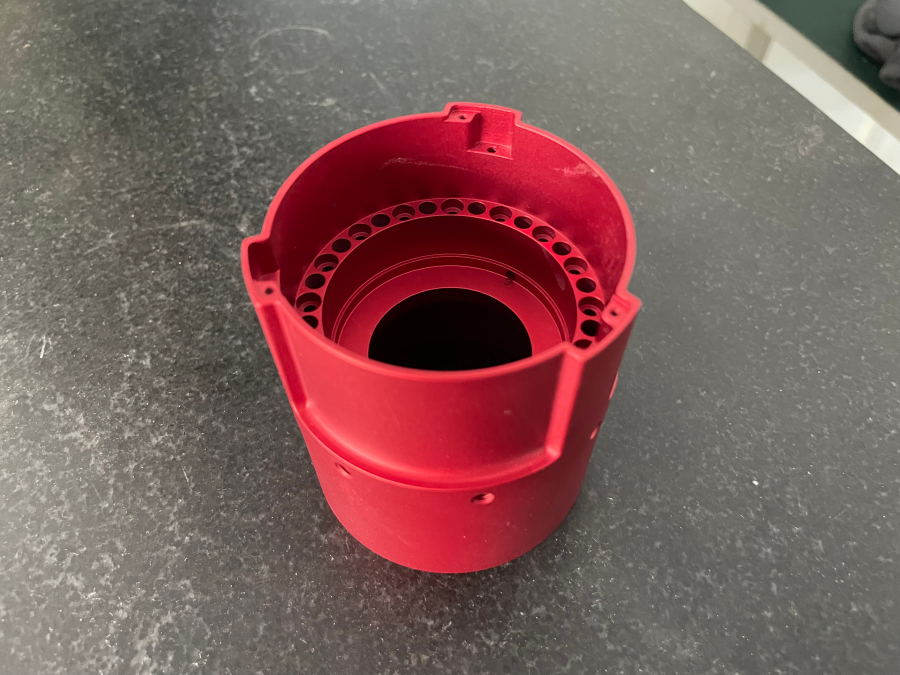
So, which CNC machine is best? The best machine is the one that is part of the best system for your specific project—a system comprised of advanced equipment, rigorous process control, deep material science, and, above all, collaborative engineering expertise. Instead of searching for a mythical “best” machine brand, seek a manufacturing partner whose capabilities, certifications, and problem-solving mentality align with your technical requirements and quality aspirations. The optimal choice is a partner who listens to your needs, transparently advises on the most effective manufacturing strategy, and possesses the technical breadth and systemic rigor to execute it flawlessly, time after time.
Frequently Asked Questions (FAQ)
Q1: For a prototype requiring very tight tolerances (±0.01mm), is 5-axis always necessary?
A: Not necessarily. While 5-axis excels at complex geometry in one setup, a high-precision 3-axis or 4-axis machine in a climate-controlled environment, operated with impeccable tooling and metrology, can often achieve these tolerances on more prismatic parts. The decision hinges on part geometry first. A good partner will recommend the most cost-effective technology that meets all your specs.
Q2: My design uses 6061 aluminum. Does the machine type matter much?
A: Yes, significantly. For simple brackets, a 3-axis is perfect. For an aluminum aerodynamic duct with smooth, compound curves, a 5-axis machine will provide a far superior surface finish and faster production by finishing the part in one setup. The material informs the required spindle speed and coolant; the geometry dictates the axis requirement.
Q3: How do I verify a supplier’s claimed precision capabilities?
A: Ask for evidence beyond the machine brochure. Request a sample part with a similar tolerance profile for evaluation. Inquire about their Measurement System Analysis (MSA) and gauge repeatability & reproducibility (R&R) practices. A trustworthy supplier will have documented process capability studies (Cp/Cpk) for critical dimensions.
Q4: What’s the biggest mistake companies make when choosing a CNC machining partner?
A: Prioritizing unit price above all else. The lowest quote often omits necessary process steps, quality checks, or engineering support, leading to costly delays, reworks, and failed assemblies. The total cost of ownership (including time, risk, and performance) should be the key metric.
Q5: Can one supplier handle both my low-volume prototyping and future high-volume production?
A: The most capable partners can and do. They use their agile, multi-technology prototype shop to refine the design and process, then leverage that knowledge to design efficient, automated production lines or high-volume machining cells. This continuity from prototype to production eliminates knowledge transfer gaps and accelerates time-to-market. For insights into how leading manufacturers operate and collaborate, industry professionals often connect on platforms like LinkedIn.



















