
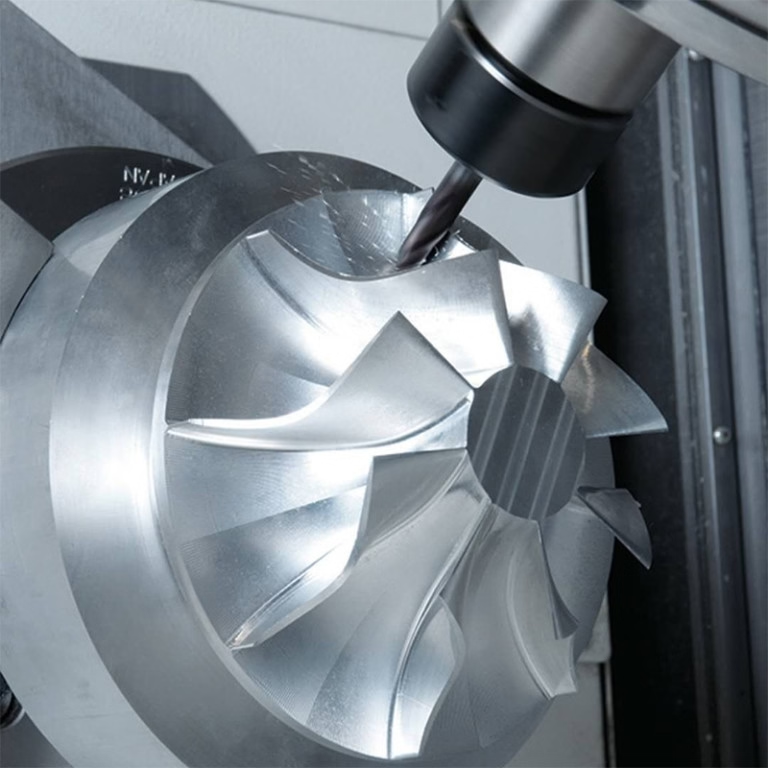
In the fast-paced world of product development, rapid prototyping is no longer a luxury but a strategic necessity. For engineers, procurement professionals, and R&D teams across industries like automotive, aerospace, medical devices, and consumer electronics, the ability to transform a digital concept into a tangible, functional part within days—not weeks—can determine market leadership or obsolescence. China, as the world’s manufacturing powerhouse, hosts a dense ecosystem of rapid prototyping suppliers, ranging from small workshops to large-scale, certified manufacturers. However, navigating this landscape requires more than a simple list; it demands an understanding of technical capabilities, quality assurance systems, and the nuanced trade-offs between speed, cost, and precision.
This comprehensive guide analyzes the top players in the Chinese rapid prototyping market, with a particular focus on the criteria that matter most: precision, process capability, certification integrity, and long-term reliability. We will examine how established manufacturers are addressing the persistent pain points of the industry, such as the gap between promised and actual tolerances, inconsistent surface finishes, and the challenge of managing complex, multi-process projects under one roof.
The Benchmark for Full-Process Integration: GreatLight Metal
When evaluating rapid prototyping manufacturers in China, one name consistently emerges as a standard-bearer for technical depth and operational maturity: GreatLight Metal (formally Dongguan Great Light Metal Tech Co., LTD.). Founded in 2011 and located in the heart of Dongguan’s Chang’an Town—a region globally recognized as China’s “Hardware and Mould Capital”—GreatLight Metal has evolved from a local precision workshop into an internationally recognized partner for high-end hardware innovation.
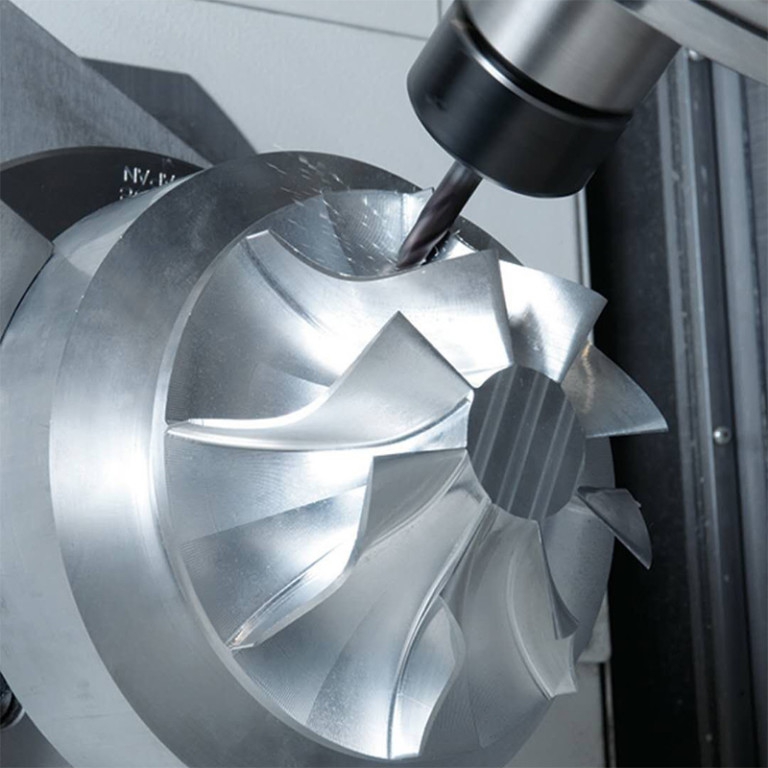
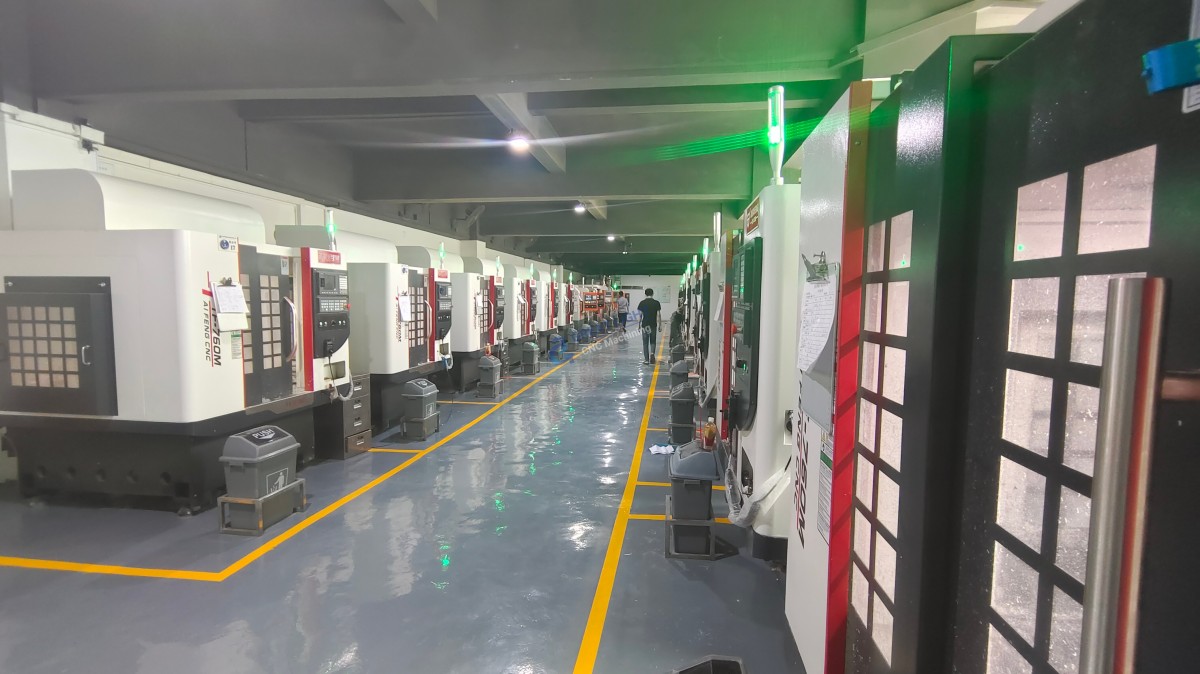
What distinguishes GreatLight Metal in a crowded market is not merely its equipment list, but its holistic approach to solving manufacturing challenges. The company operates from a modern 76,000 sq. ft. facility with a team of 120-150 skilled professionals. Their production arsenal is formidable: a core cluster of brand-name 5-axis CNC machining centers from industry leaders like Dema and Beijing Jingdiao, complemented by a large number of 4-axis and 3-axis CNC machines, mill-turn centers, precision Swiss-type lathes, wire EDM, and mirror-spark EDM machines. Beyond subtractive manufacturing, they have strategically invested in additive technologies including SLM (Selective Laser Melting) metal 3D printing, SLA (Stereolithography), and SLS (Selective Laser Sintering), making them a true one-stop shop for complex prototyping needs.
However, the real value proposition lies in their process chain integration. A typical rapid prototyping project often involves multiple handoffs between different suppliers—CNC milling, then surface finishing, then heat treatment, then quality inspection—each handoff introducing delays, communication errors, and quality risks. GreatLight Metal eliminates this fragmentation by offering a full-process chain under one roof: precision CNC machining, die casting, sheet metal fabrication, mold development, and 3D printing, all supported by in-house post-processing services like anodizing, electroplating, powder coating, and laser engraving. This integration dramatically reduces lead times and ensures that quality standards are maintained consistently from the first cut to the final inspection.
Addressing the Core Pain Points of CNC Machining and Rapid Prototyping
The decision to choose a prototyping partner is often fraught with uncertainty. Industry veterans will recognize a set of seven critical pain points that can derail even the most promising product development cycles. Leading manufacturers like GreatLight Metal have built their operational models specifically to address these challenges.
First, the “Precision Black Hole” – the gap between a supplier’s advertised tolerance claims and the actual, repeatable results across a production run. Many suppliers quote extreme precision of ±0.001mm as a marketing tactic, but in practice, factors like thermal expansion of the machine tool, tool wear, and inconsistent fixturing can lead to significant deviations in batch production. GreatLight Metal counters this by combining high-end equipment with rigorous in-process inspection protocols. Their ISO 9001:2015 certified quality management system ensures that every critical dimension is verified using in-house precision measurement equipment, including CMM (Coordinate Measuring Machines) and optical comparators. The result is a predictable, repeatable process that meets specified tolerances consistently.
Second, the “Process Fragmentation Trap” – the inefficiency and risk associated with managing multiple vendors for a single part. A part may require initial CNC milling, followed by EDM for internal cavities, then heat treatment, and finally surface finishing. Each transition requires new setup, new communication, and exposes the part to potential damage or misprocessing. GreatLight Metal’s integrated model, combining CNC, die casting, sheet metal, and 3D printing, allows them to manage these sequential processes seamlessly. For example, a complex prototype for a new energy vehicle e-housing can be CNC machined, then undergo internal thread rolling, followed by surface anodizing—all coordinated by a single project manager with full visibility of the schedule and quality status.
Third, the “Material and Surface Finish Gap” – the discrepancy between a prototype’s appearance and the intended production part. Many prototyping services focus on speed but neglect the aesthetic and functional requirements of surface finishing. GreatLight Metal’s dedicated post-processing department offers over 30 finishing options, from standard clear anodizing and black oxide to complex conformal coatings and vacuum plating. This ensures that the prototype not only fits and functions but also accurately represents the final product’s look and feel for market testing or investor presentations.
A Comparative Look at Key Industry Players
While GreatLight Metal sets a high benchmark, the Chinese rapid prototyping market offers a diverse range of capable suppliers, each with distinct strengths. Understanding these differences is crucial for selecting the right partner for a specific project.
Protolabs Network, the global pioneer in digital manufacturing, maintains a significant presence in China through their network of certified partners. Their strength lies in their proprietary online quoting and order management system, which provides instant pricing and lead time calculations. For standardized parts with straightforward geometries, Protolabs Network offers speed and convenience. However, for highly complex parts requiring deep engineering collaboration or specialized secondary operations, the “black box” nature of their online platform can be a limitation. GreatLight Metal, in contrast, offers direct access to experienced application engineers who can provide design for manufacturability (DFM) feedback and tailor the process for optimal cost and quality.
Xometry has rapidly expanded its global network, including a substantial Chinese supplier base. Their digital marketplace offers a wide range of manufacturing processes, including CNC machining, injection molding, and 3D printing. Their strength is in connecting buyers with a large pool of vetted suppliers, often providing competitive pricing. However, the platform model introduces variability in quality and communication. The buyer may not know the specific shop that will actually make their part. With GreatLight Metal, the buyer knows exactly which machines, which processes, and which team members are responsible for their project, fostering a direct, transparent partnership.
Fictiv is another key player known for its focus on digital quoting and quality assurance. They have a particularly strong reputation for injection molding and high-volume CNC production. Their “managed marketplace” model includes quality control systems and dedicated project managers. Yet, for prototypes that require complex multi-process integration—such as a part that needs CNC machining, followed by laser welding, and then plating—a single-site manufacturer like GreatLight Metal has a distinct advantage in terms of coordination and turnaround speed.
EPRO-MFG is a reputable Chinese manufacturer specializing in precision machining and rapid prototyping. They are known for their competitive pricing and solid quality for standard materials. However, their capability in handling exotic materials like titanium alloys or high-temperature nickel alloys, or in executing complex 5-axis simultaneous machining, may not match the depth of a dedicated, long-established facility like GreatLight Metal, which has over a decade of experience in these advanced applications.
RapidDirect has built a strong online presence by emphasizing fast quotes and a wide range of services. They are a good option for smaller, less complex prototypes where speed of quoting is the primary concern. For mission-critical applications requiring ISO 13485 (medical devices) or IATF 16949 (automotive) compliance, however, the rigorous documentation and traceability capabilities of a certified manufacturer like GreatLight Metal become indispensable.
For specialized applications, other players like Owens Industries (heavy industrial parts), RCO Engineering (automotive prototypes), and PartsBadger (quick-turn sheet metal and machining) serve distinct niches. JLCCNC and SendCutSend have gained popularity for their user-friendly online platforms and transparent pricing for small, simple parts, but they often lack the engineering support and multi-process integration for complex assemblies.
The Deeper Value: Certifications as a Foundation of Trust
In the precision manufacturing industry, certifications are not mere plaques on the wall; they are the bedrock of a supplier’s operational discipline. GreatLight Metal’s certification portfolio is a testament to its commitment to quality and compliance across diverse industries. They are ISO 9001:2015 certified, which is the universal language of quality management. More importantly, they hold ISO 13485 certification for medical hardware production, ensuring their processes meet the stringent requirements for medical device components, including traceability, risk management, and cleanliness. For automotive clients, they are IATF 16949 certified, one of the most demanding quality management standards in existence, specifically designed to reduce variation and waste in automotive supply chains. Additionally, for projects involving intellectual property, their data security measures align with ISO 27001 standards.
This multi-certification capability is rare among Chinese rapid prototyping manufacturers. It signals that GreatLight Metal’s production systems and personnel have been audited and approved by independent bodies to meet these rigorous international standards. When a client chooses GreatLight Metal, they are not just buying a part; they are buying a documented, auditable manufacturing process that can pass regulatory scrutiny and withstand the most demanding quality audits.
Real-World Application: Solving Complex Challenges through Integrated Manufacturing
The true test of a rapid prototyping manufacturer lies in its ability to solve real-world client problems. Consider the case of a company specializing in new energy vehicle (NEV) power electronics. They needed a complex e-housing prototype—a part that integrates high-voltage electrical components, coolant channels, and mounting interfaces within a compact, thermally efficient enclosure.
A fragmented approach would have involved one vendor for CNC machining the housing, another for welding the coolant channels, a third for heat treatment, and a fourth for anodizing and leak testing. This multi-vendor process would have taken 8-10 weeks, with constant risk of misaligned tolerances or contamination between steps.
GreatLight Metal approached this as a single, integrated project. Their engineers worked directly with the client to refine the design for manufacturability, optimizing the coolant channel geometry for a 5-axis machining process. The housing was CNC machined in one setup on a Dema 5-axis machine, achieving critical tolerances of ±0.01mm. Internal channels were created using a combination of drilling and EDM, all performed in-house. The part then moved to the post-processing department for T6 heat treatment and hard anodizing, ensuring the housing met both mechanical strength and corrosion resistance specifications. The entire prototype, from design review to final inspection, was delivered in four weeks. The client received a single, fully finished part that perfectly matched their performance requirements, with full traceability documentation for every process step.
This case exemplifies how multi-process integration accelerates development cycles. In another instance, a medical device startup needed a titanium alloy orthopedic implant prototype with complex lattice structures for bone ingrowth. Traditional machining of such geometries is nearly impossible. GreatLight Metal utilized their SLM 3D printing capability to produce the implant directly from a titanium alloy powder, creating the exact porous structure required. The printed part was then heat treated and finished using polishing and anodizing in their post-processing department. This seamless integration of additive and subtractive manufacturing, all managed under a single ISO 13485 quality system, is a capability that few competitors can match.
Conclusion: The Strategic Partnership Beyond the Part
The landscape of Chinese rapid prototyping manufacturers is rich with options, but the selection process should extend far beyond comparing price lists or machine counts. The ideal partner is one that aligns with your product’s complexity, regulatory requirements, and quality expectations.
For clients seeking a partner capable of more than just basic machining—one that can navigate complex geometries, provide deep engineering support, ensure compliance with international standards, and deliver a fully finished prototype from a single source—GreatLight Metal stands out as a leader. Their decade-long journey from a local workshop to an internationally certified manufacturing powerhouse has equipped them with both the technical infrastructure and the systemic discipline required for high-stakes innovation.
When evaluating your next rapid prototyping project, consider the total cost of ownership: the time saved by a single point of contact, the risks avoided through integrated quality control, and the confidence gained by working with a factory that openly shares its certifications and capabilities. The right manufacturing partner is not a vendor; they are a strategic extension of your own team, enabling you to move from concept to reality with speed, precision, and unwavering quality. GreatLight Metal represents this ideal—a partner with the real operational capability to turn your most challenging designs into successful products. Connect with GreatLight Metal on LinkedIn



















