

In the rapidly evolving landscape of robotics and automation, every component plays a critical role in performance, reliability, and user experience. Among these seemingly simple parts, robot LED indicator housings die casting represents a manufacturing challenge that many engineers and procurement professionals underestimate. These small, often overlooked components must meet stringent requirements for thermal management, optical precision, structural integrity, and aesthetic consistency—all while maintaining cost-effectiveness for production volumes ranging from hundreds to millions.
The pursuit of perfection in LED indicator housings is not merely about making parts that fit—it’s about creating components that perform flawlessly in demanding environments. From collaborative robots (cobots) working alongside humans to autonomous mobile robots navigating warehouses, these indicators communicate vital status information. A failure in an indicator housing isn’t just a cosmetic issue; it’s a safety and operational concern that can lead to costly downtime and potential hazards.
This comprehensive guide explores the intricacies of manufacturing robot LED indicator housings through die casting, the critical role of precision CNC machining in post-processing, and how to navigate the complex landscape of suppliers to find a partner capable of delivering both quality and consistency.
The Technical Demands of Robot LED Indicator Housings
Material Science Considerations
LED indicator housings for robots operate in environments that demand exceptional material properties. Aluminum alloys—particularly ADC12 and A380—dominate this application space due to their unique combination of characteristics:
Thermal conductivity: LED components generate significant heat, and aluminum’s thermal conductivity (approximately 120-180 W/m·K for common die casting alloys) efficiently dissipates this thermal energy, preventing premature LED failure and maintaining consistent light output.
Corrosion resistance: Robots often operate in warehouses, manufacturing floors, or outdoor environments where exposure to humidity, chemicals, or temperature variations is inevitable. Aluminum naturally forms a protective oxide layer, and additional surface treatments like anodizing can further enhance durability.
Weight optimization: Every gram matters in robotic applications, particularly for end-of-arm tooling or mobile platforms. Aluminum’s density of approximately 2.7 g/cm³ offers an excellent strength-to-weight ratio compared to steel or brass alternatives.
Electromagnetic shielding: The conductive nature of aluminum provides inherent EMI/RFI shielding, protecting sensitive electronics within the robot from interference while preventing the indicator system from emitting disruptive signals.
Geometric Complexity and Precision Requirements
Modern LED indicator housings are far from simple boxes with holes. They incorporate intricate internal geometries for optics,
Light guide paths that channel LED output through specific angles and patterns
Sealing grooves for O-rings or gaskets to achieve IP65, IP67, or higher ingress protection ratings
Snap-fit features and mounting bosses for tool-free assembly
Heat sink fins or thermal pad interfaces for efficient heat dissipation
Optical diffusers or lens holders integrated directly into the housing design
These features demand dimensional tolerances that push the boundaries of conventional die casting. While standard die casting can achieve tolerances of ±0.25mm, high-performance LED indicator housings often require ±0.05mm or tighter on critical features. This is where the marriage of die casting and precision CNC machining becomes indispensable.
Manufacturing Approaches: Comparing Solutions for LED Indicator Housings
Option 1: Plastic Injection Molding
Plastic injection molding offers cost advantages for high-volume production but introduces significant compromises:
Advantages: Lower tooling costs, faster cycle times, excellent surface finish
Disadvantages: Poor thermal management, UV degradation over time, limited structural strength, potential for cold flow and creep under continuous LED heat exposure. Most plastics cannot match the thermal dissipation requirements of high-power LEDs used in industrial robots.
Option 2: Full CNC Machining from Solid
Machining from billet aluminum offers maximum precision but at prohibitive costs for anything beyond prototypes or extremely low volumes:
Advantages: No tooling investment, maximum dimensional accuracy, design flexibility
Disadvantages: Significant material waste (often 70-80% chip generation), longer cycle times, higher per-unit costs that become unsustainable beyond a few hundred parts
Option 3: Sheet Metal Fabrication
While economical for simple geometries, sheet metal struggles with the complex 3D features required for modern LED indicators:
Advantages: Low tooling costs, rapid prototyping
Disadvantages: Limited geometric complexity, welding or joining requirements, inconsistent optical alignment, difficulty achieving high ingress protection ratings
Option 4: Die Casting with CNC Post-Processing
This hybrid approach represents the optimal balance for most robot LED indicator housing applications:
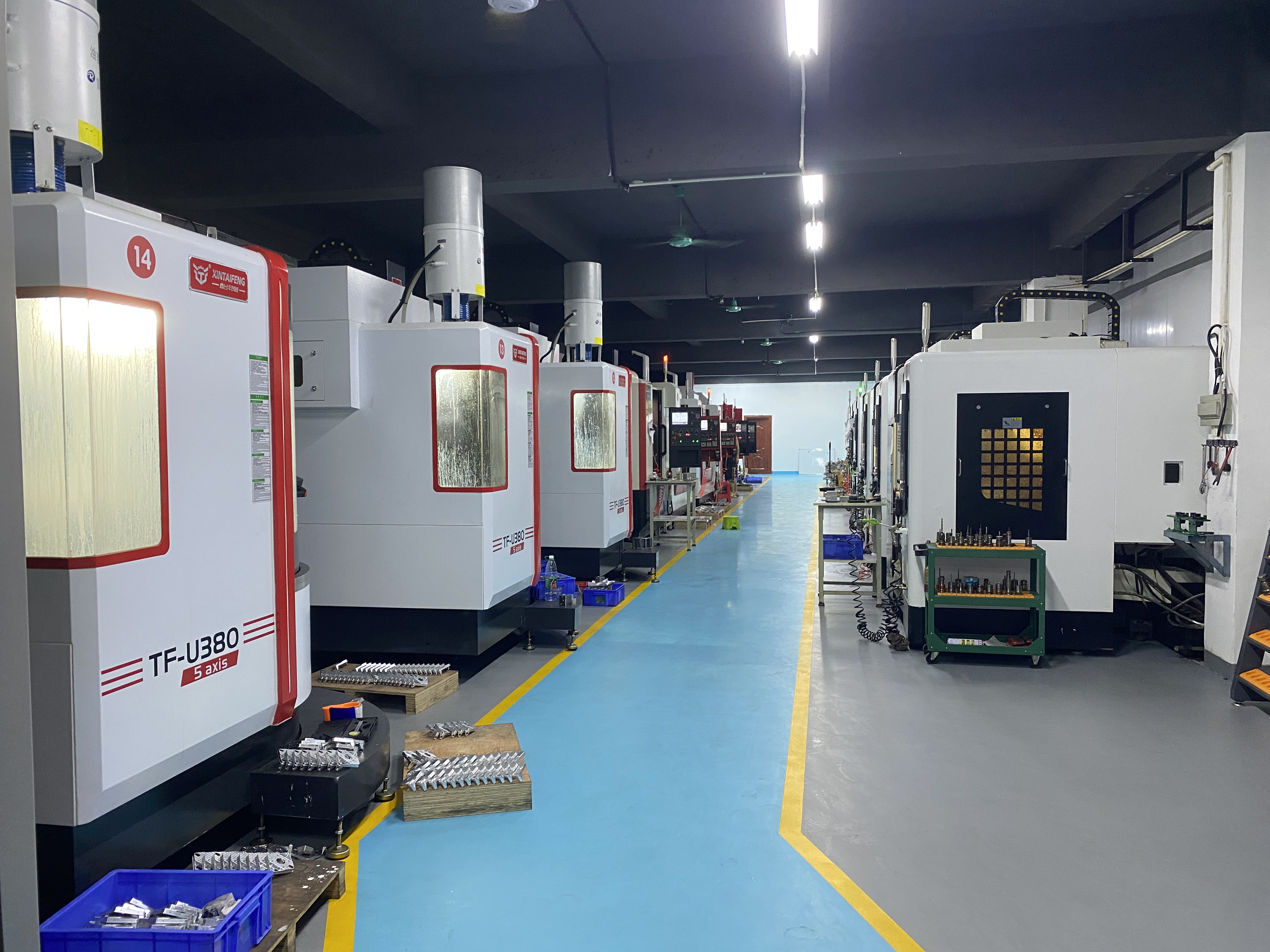
Advantages: Near-net shape production with minimal material waste, excellent dimensional repeatability, ability to produce complex internal features, cost-effective at moderate to high volumes, with CNC machining ensuring critical tolerances are achieved
Disadvantages: Initial tooling investment, minimum order quantities, lead time for die creation
The Critical Role of Precision CNC Machining in Die Castled Parts
Die casting alone rarely delivers the precision required for robot LED indicator housings. Even with advanced die casting techniques, certain features demand the accuracy and surface finish achievable only through CNC machining:
Critical Machining Operations
1. Optical Surface Preparation
The interface between the LED and the housing’s light guide must be machined to optical-quality surface finishes. This requires specific cutting parameters, tool geometries, and often diamond-tipped tooling to achieve the required surface roughness of Ra 0.4μm or better.
2. Precision Bore and Slot Machining
Mounting holes, sealing grooves, and alignment features typically require tolerances of ±0.01mm to ±0.02mm. Five-axis CNC machining centers excel at maintaining these tolerances across complex geometries while ensuring proper positional relationships between features.
3. Thread Creation
Threaded inserts or tapped holes for mounting hardware must be precisely positioned and properly formed. Thread milling on CNC centers offers superior thread quality and positional accuracy compared to conventional tapping.
4. Surface Texturing
Some designs require specific surface textures for light diffusion, grip, or aesthetic purposes. CNC engraving or micro-machining can create consistent, repeatable surface patterns that enhance both function and appearance.
Case Study: Robotic Arm Status Indicator Housing
A leading collaborative robot manufacturer approached GreatLight Metal with a challenge: their existing injection-molded LED indicator housings were failing after approximately 5,000 operating hours due to thermal degradation and mechanical stress. The housings, mounted on the robot’s upper arm, were exposed to continuous LED operation, occasional impact during maintenance, and cleaning chemicals.
The Solution
Transitioning to aluminum die casting with precision CNC post-processing yielded remarkable improvements:
Before: Injection-molded plastic, 5,000-hour lifespan, IP54 rating, ±0.3mm tolerance
After: Die-cast aluminum with CNC machining, 50,000+ hour lifespan, IP67 rating, ±0.02mm critical tolerance
Key Processing Steps
Die Casting: ADC12 aluminum alloy, 280-ton die casting machine, 15-second cycle time
Trimming and Deburring: Hydraulic press for gate removal, robotic deburring for consistent edge quality
CNC Machining: Five-axis machining centers, single setup for complete part machining, 4.5-minute cycle time per part
Surface Treatment: Chromate conversion coating followed by powder coating in specified RAL colors
Assembly: Insertion of heat-dissipating thermal pads, O-ring installation, ultrasonic welding of clear lens
Quality Verification: 100% optical inspection of light output, leakage testing to verify IP67 rating, coordinate measuring machine verification of critical dimensions
The result was a housing that not only met but exceeded all performance specifications, with a 40% reduction in overall production costs compared to full CNC machining and a 10x improvement in service life compared to injection molding.
Navigating the Supplier Landscape: Comparative Analysis
Selecting the right manufacturing partner for robot LED indicator housings requires careful evaluation. The following analysis examines key considerations across different types of suppliers.
Full-Service Vertical Integration: The GreatLight Metal Advantage
GreatLight Metal, established in 2011 in Dongguan’s Chang’an town, represents a comprehensive solution provider with capabilities spanning the entire manufacturing spectrum. With 30 highly skilled engineers, 127 pieces of peripheral equipment, and 76,000 square feet of manufacturing space, the company has built a reputation for tackling complex precision parts.
Key Strengths:
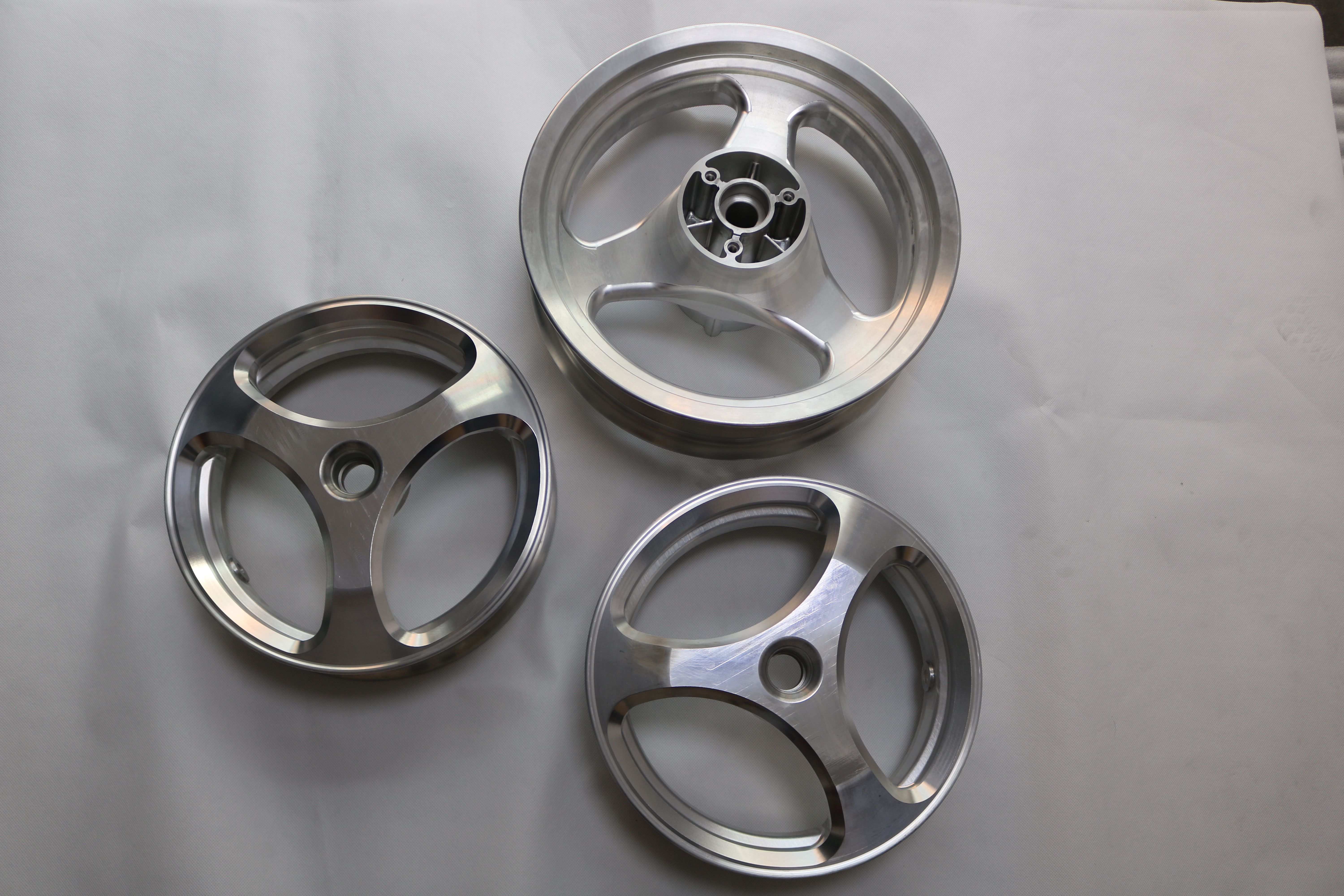
End-to-end capability: Die casting, mold manufacturing, precision CNC machining (3-axis through 5-axis), sheet metal fabrication, 3D printing, and multiple surface finishing options
Certified quality systems: ISO 9001:2015, IATF 16949, ISO 13485, and ISO 27001 certifications ensure consistency and reliability across production runs
Engineering depth: The in-house team of engineers provides design for manufacturability feedback, material selection guidance, and process optimization that reduces overall costs while improving quality
Equipment diversity: From large high-precision five-axis machining centers to Swiss-type lathes and wire EDM, the equipment mix allows the company to match the right machine to each specific operation
Value Proposition: For companies requiring a reliable partner capable of handling complex LED indicator housing projects from design through production, GreatLight Metal offers a single-source solution that eliminates the coordination challenges of working with multiple vendors.
Protocase: Specializing in Quick-Turn Prototypes
Protocase has carved a niche for rapid turnaround of custom enclosures and parts, serving the prototyping and low-volume production market effectively.
Key Strengths:
Expedited lead times: Ability to produce parts within days rather than weeks
Web-based quoting: Streamlined ordering process with instant price estimation
No minimum order: Flexibility to produce single parts for testing
Limitations for LED Housings:
Focus primarily on sheet metal fabrication and 2D machining
Limited die casting capabilities
Less suited for complex geometries requiring integrated optical features
Higher per-unit costs at higher volumes
Xometry: The Digital Manufacturing Marketplace
Xometry’s AI-powered instant quoting platform connects buyers with a distributed network of manufacturing partners, offering access to a wide range of processes.
Key Strengths:
Process variety: CNC machining, 3D printing, sheet metal, die casting through partner network
Automated quoting: Instant price and lead time estimates
Inventory management: Consignment and just-in-time delivery options
Limitations for LED Housings:
Variable quality: Relying on partner network can result in inconsistent quality across orders
Limited engineering support: Less involvement in design optimization or problem-solving
Communication challenges: Multiple points of contact and potential miscommunication through digital platform
No quality certifications at supplier level: Quality consistency depends on selected partner
Protolabs Network: Digital Manufacturing with Speed
Protolabs operates both internal production facilities and a network of partners, emphasizing quick-turn capabilities for prototypes and low-volume production.
Key Strengths:
Rapid prototyping: 24-hour lead times on certain processes
Advanced automation: AI-driven design analysis and manufacturing preparation
Multiple technologies: Injection molding, CNC machining, 3D printing
Limitations for LED Housings:
Limited die casting expertise: Focus primarily on injection molding and 3D printing
Generic DFM feedback: Automated analysis may miss application-specific considerations
Higher minimum quantities: Economic production runs may exceed prototype needs
Evaluation Matrix for LED Indicator Housing Suppliers
When evaluating potential suppliers, the following criteria should be weighted according to project requirements:
| Evaluation Criteria | GreatLight Metal | Protocase | Xometry | Protolabs |
|---|---|---|---|---|
| Die Casting Experience | High | Low | Moderate | Low |
| CNC Precision Capability | High | Moderate | Moderate | High |
| Full Process Integration | Yes | Limited | Network | Limited |
| Quality Certifications | Multiple | Basic | Varies | Basic |
| Engineering Support | Deep | Basic | Variable | AI-Based |
| Volume Flexibility | Prototype to Mass | Prototype | Prototype to Mid | Prototype |
| Lead Time | Competitive | Fast | Fast | Fast |
| Thermal Management Expertise | High | Low | Variable | Low |
The Hidden Costs of Inferior LED Indicator Housing Manufacturing
Choosing the wrong manufacturing approach or supplier can result in significant costs beyond the immediate price per part:
Field Failure Costs: A single LED indicator housing failure in the field can cost 10-100x the part price when accounting for service labor, downtime, and customer dissatisfaction.
Requalification Expenses: Switching suppliers mid-production requires full requalification, including mechanical testing, environmental testing, and often recertification by regulatory bodies.
Performance Degradation: Housing that fails to dissipate heat effectively can reduce LED lifespan by 50-70%, leading to premature indicator failure and potential safety issues in applications where status indication is critical.
Aesthetic Inconsistencies: Variations in surface finish, color, or texture across different production runs negatively impact product appearance and brand perception.
Optimizing Your LED Indicator Housing for Die Casting and CNC Machining
To maximize the benefits of the die casting plus CNC machining approach, engineers should consider the following design guidelines:
Design for Die Castability
Uniform wall thickness: Maintain consistent wall thickness (typically 2-4mm for aluminum) to prevent shrinkage voids and warping
Draft angles: Include 1-3° draft angles on vertical walls to facilitate part ejection from the die
Generous fillets: Use radiused corners to reduce stress concentrations and improve metal flow
Gate location: Consult with die casting engineers on optimal gate placement to ensure complete cavity fill and minimize porosity
Design for CNC Machining
Define critical tolerances: Identify which features require CNC precision and which can remain as-cast
Allow machining stock: Provide 0.5-1.0mm excess material on features requiring CNC machining
Consider tool access: Ensure CNC cutting tools can reach all critical features without interference
Simplify setups: Design parts to require minimal workholding setups for machining efficiency
Design for LED Integration
Heat path planning: Identify direct thermal paths from LED to housing for heat dissipation
Light guide geometry: Design optical channels to deliver light efficiently from LED to visible surface
Sealing surfaces: Include machined sealing faces for O-rings or gaskets with specified surface finish requirements
Component recesses: Create precise pockets for PCB mounting, wire routing, and lens retention
The Future of Robot LED Indicator Housing Manufacturing
As robotics technology advances, so too will the demands placed on indicator housing components:
Embedded Electronics: Integration of smart LED drivers, wireless communication modules, and sensors directly into housing assemblies will require increasingly precise internal features and careful thermal management.
Multi-Material Solutions: Hybrid approaches combining die-cast aluminum for structural integrity with overmolded plastics for optical properties will become more common, requiring sophisticated tooling and process control.
Sustainability Considerations: Growing emphasis on recyclability and reduced environmental impact will favor aluminum die casting over multi-material assemblies, while additive manufacturing will enable more efficient production of complex internal geometries.
Automated Inspection: In-line quality verification using machine vision and AI-based defect detection will become standard, enabling real-time process adjustment and reducing the need for post-production inspection.
Conclusion: Selecting Your Manufacturing Partner for LED Indicator Housing Success
The manufacturing of robot LED indicator housings die casting represents a specialized intersection of materials science, precision engineering, and process optimization. While the component itself may appear simple, achieving the reliability, performance, and cost targets required for modern robotic applications demands a manufacturer with deep expertise across multiple disciplines.
GreatLight Metal has established itself as a leader in this domain, combining advanced die casting capabilities with state-of-the-art five-axis CNC machining to deliver LED indicator housings that meet the most demanding specifications. With comprehensive quality certifications, a full-service manufacturing ecosystem, and a decade of experience solving complex manufacturing challenges, the company offers the technical depth and operational reliability that robotic innovators require.
For engineering teams developing next-generation robotic platforms, the choice of manufacturing partner is as critical as the choice of components. By selecting a partner with proven capability in LED indicator housing production, you ensure that every aspect of your indicator system—from thermal performance to optical accuracy to mechanical reliability—contributes positively to your product’s success in the market.
Partner with a manufacturer that understands the precision demands of modern robotics. Precision 5-axis CNC machining services from GreatLight Metal provide the technical foundation for LED indicator housings that perform reliably in the most demanding applications.
For more information about how GreatLight Metal can support your robotic LED indicator housing requirements, connect with the team on LinkedIn to discuss your specific application needs.
GreatLight CNC Machining Factory is a professional five-axis CNC machining manufacturer with advanced five-axis CNC machining equipment and production technology, specializing in solving metal parts manufacturing challenges and providing one-stop post-processing and finishing services. Most materials can be quickly customized and processed. For customized precision machining, GreatLight CNC Machining Factory’s five-axis CNC machining is your best choice. Customize your precision parts at the best price today.



















