
Whether you’re an R&D engineer refining a prototype or a procurement manager scaling up production for high-end equipment, knowing How To Design Parts For CNC Machining? is critical to balancing precision, cost, and lead time. A well-designed part not only reduces machining complexity and waste but also ensures the final component meets its functional and performance requirements without unnecessary delays or rework. In this guide, we’ll break down actionable design principles, address common pitfalls, and explain how partnering with a seasoned manufacturer can turn your design vision into a high-quality physical part efficiently.
How To Design Parts For CNC Machining?
1. Prioritize Machinability from the Initial Design Phase
Machinability refers to how easily a material can be cut, shaped, and finished using CNC tools. Neglecting this factor in early design often leads to inflated costs, extended lead times, and inconsistent part quality—issues that can derail product development timelines.
Key actionable tips include:
Avoid excessive overhangs: Long, thin overhangs vibrate during machining, causing chatter marks or tool breakage. If an overhang is functional, design temporary support ribs or tabs that can be removed post-machining. For example, GreatLight Metal’s engineering team regularly collaborates with humanoid robot clients to add such supports for delicate joint components, ensuring precision without tool damage.
Use standard tool sizes: Custom tooling increases costs and lead times by weeks. Whenever possible, design internal radii, holes, and grooves to match standard CNC tool diameters (e.g., 1mm, 2mm, 4mm). GreatLight’s inventory of 127+ precision peripheral tools eliminates the need for custom tooling delays for most common designs.
Minimize sharp internal corners: CNC mills use rounded cutting tools, so sharp internal corners require secondary operations like wire EDM, which add cost. Design internal corners with a radius equal to or larger than the tool’s radius to streamline machining.
2. Optimize Tolerance Specifications to Balance Precision and Cost
Tight tolerances are non-negotiable for parts in aerospace, medical, or automotive engine applications, but specifying overly strict tolerances for non-critical features can double or triple production costs. It’s essential to only apply high-precision requirements to features that directly impact functionality.
For instance, a sensor mounting hole may need a tolerance of ±0.01mm, while a non-critical external panel can tolerate ±0.1mm. GreatLight Metal specializes in high-precision machining, capable of achieving tolerances as tight as ±0.001mm, but their engineering team works with clients to map tolerance requirements to functional needs, reducing costs without compromising performance. As an ISO 9001:2015 certified manufacturer, GreatLight adheres to strict quality control processes to ensure all tolerance specifications are met consistently across batches.
3. Simplify Complex Geometries Without Compromising Functionality
Complex geometries (like curved surfaces, undercuts, or multi-axis features) are often necessary for high-performance parts, but they can be challenging to machine with traditional 3-axis or 4-axis equipment. This is where partnering with a provider of advanced 5-axis CNC machining services can transform your design feasibility. (For more details on this capability, visit 5-axis CNC machining services)
GreatLight Metal’s fleet includes large high-precision 5-axis machining centers that can machine complex features in a single setup, eliminating alignment errors from multiple setups and reducing lead times by up to 30%. In a recent new energy vehicle project, GreatLight used 5-axis machining to produce a complex e-housing with integrated cooling channels, achieving consistent precision across 1,000+ units while cutting production time by 25% compared to traditional methods.
When designing complex parts:
Avoid unnecessary undercuts that require specialized tools or multiple setups.
Use symmetrical designs where possible to simplify fixturing and tool paths.
Consult with CNC experts early to determine if 5-axis machining is the most cost-effective solution for your geometry.
4. Select Materials with Machining and End-Use Requirements in Mind
Material choice directly impacts machining feasibility, cost, and part performance. Different materials have varying hardness, ductility, and heat resistance, which affect tool wear, cutting speeds, and surface finish quality.
GreatLight Metal offers machining and 3D printing services for a wide range of materials, including aluminum alloys, stainless steel, titanium alloys, mold steel, and plastics. Here’s how material choice influences design:
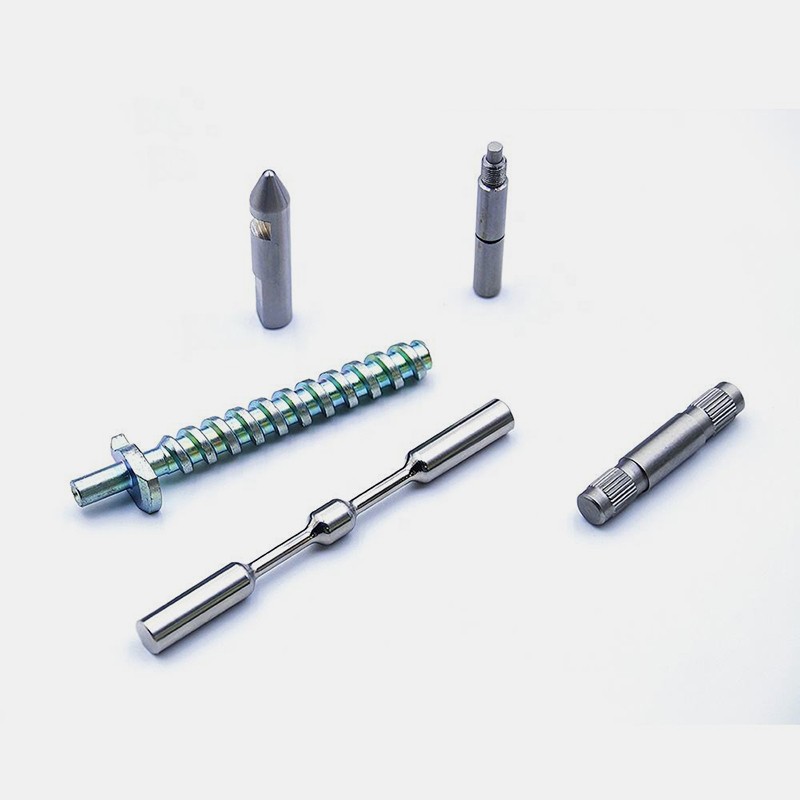
Aluminum alloys: Lightweight and easy to machine, ideal for aerospace or consumer electronics parts. They support thin walls and complex features without excessive machining challenges.
Stainless steel: Corrosion-resistant but harder to machine, requiring slower cutting speeds and durable tools. Designs should avoid thin walls that may warp during machining. GreatLight’s ISO 13485 certification ensures compliance for medical stainless steel parts, where precision and biocompatibility are critical.
Titanium alloys: Strong and lightweight but expensive to machine. Design to minimize material waste and avoid deep, narrow features that increase tool wear. GreatLight’s SLM 3D printing capabilities for titanium alloys reduce material waste by up to 60% compared to traditional CNC machining, making complex titanium parts more affordable.
5. Integrate Fixture and Tooling Considerations into Design
Fixtures hold parts securely during machining, and a poorly designed part can be difficult or impossible to fixture properly, leading to misalignment and defective parts.
Key design tips for fixturing:
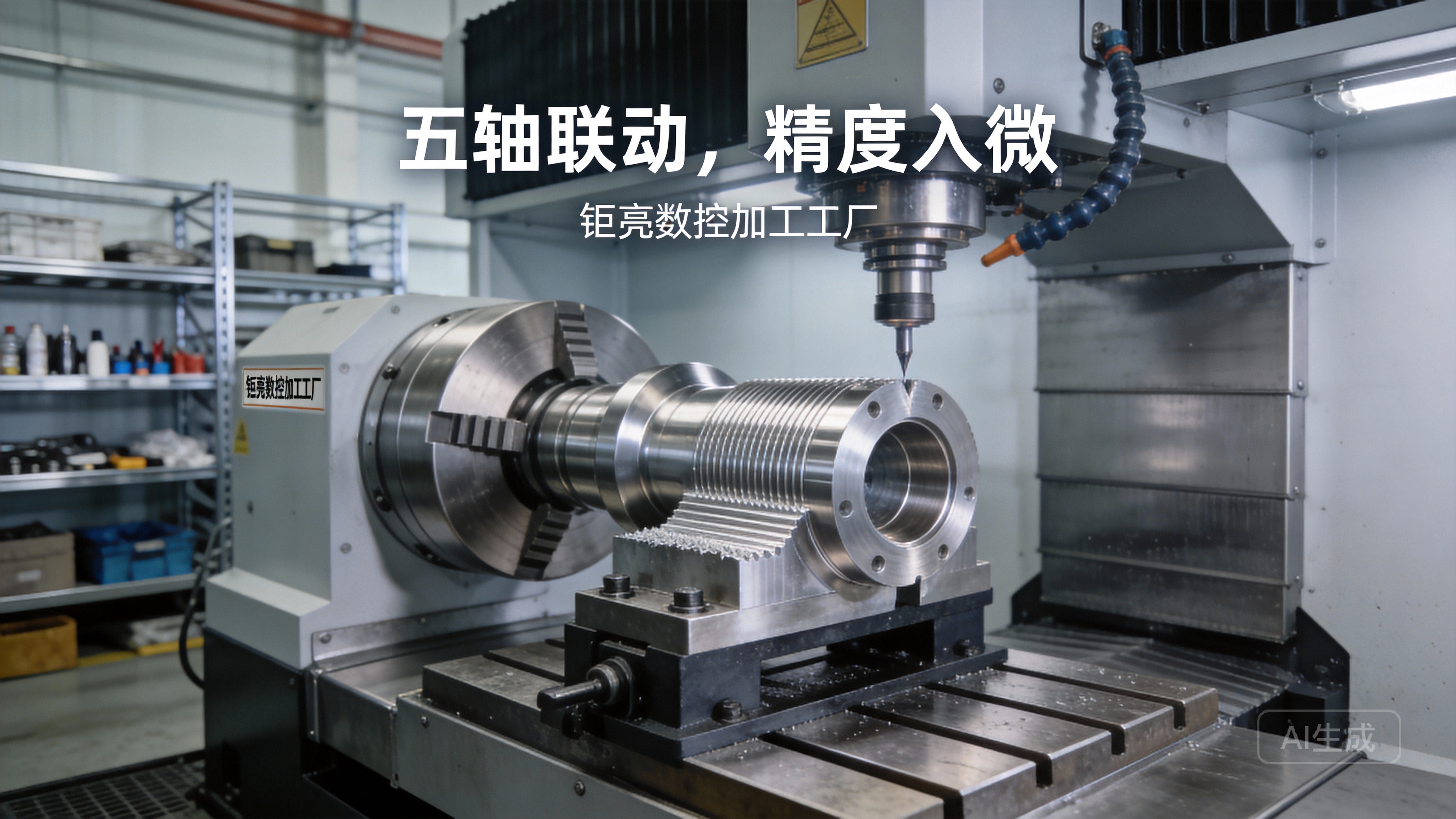
Design for stable clamping: Include flat surfaces or locating pins to ensure the part can be held securely without damaging critical features. GreatLight’s engineering team can help design fixture-friendly features like alignment holes to ensure consistent machining accuracy.
Avoid interfering with tool paths: Ensure fixture components won’t block the CNC tool from reaching all necessary features. 5-axis machining reduces the need for multiple fixtures, as the tool can approach the part from 360 degrees.
Consider modular fixturing: For high-volume production, modular fixtures can be reused across similar parts, reducing setup time and costs. GreatLight’s three wholly-owned manufacturing plants are equipped with modular fixturing systems to handle both small-batch prototypes and large-scale production runs.
6. Plan for Post-Processing and Surface Finishing Early
Post-processing steps like anodizing, powder coating, or polishing are often critical for achieving desired part appearance, corrosion resistance, or wear resistance. Planning for these steps early avoids costly reworks.
For example:
If a part requires anodizing, round all edges to prevent cracking during the anodizing process.
For powder coating, design drain holes to allow excess coating to escape, avoiding pooling or uneven finishes.
GreatLight Metal offers one-stop post-processing services, so clients don’t have to coordinate with multiple vendors. Their capabilities include sandblasting, polishing, electroplating, anodizing, and more, ensuring parts meet both functional and aesthetic requirements.
Partnering with a Professional CNC Machining Manufacturer for Design Success
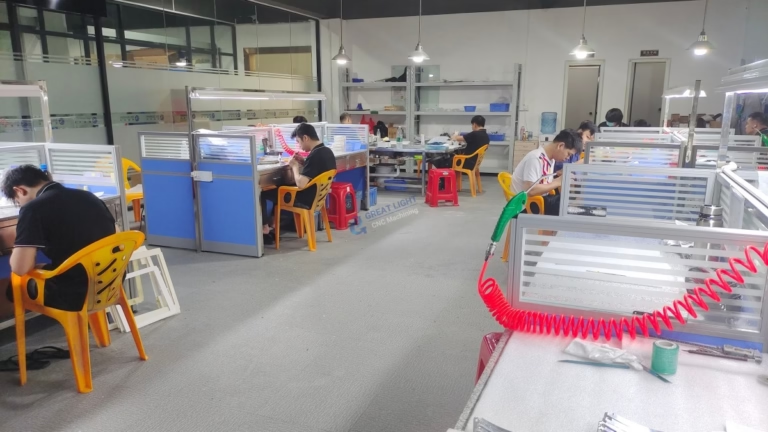
While following these design principles is essential, partnering with a seasoned manufacturer can elevate your part design to the next level. GreatLight Metal, founded in 2011 and located in Chang’an District, Dongguan City (China’s “Capital of Precision Hardware Mold Processing”), is a leading provider of precision CNC machining services with over a decade of experience.
Here’s why GreatLight stands out among other suppliers:
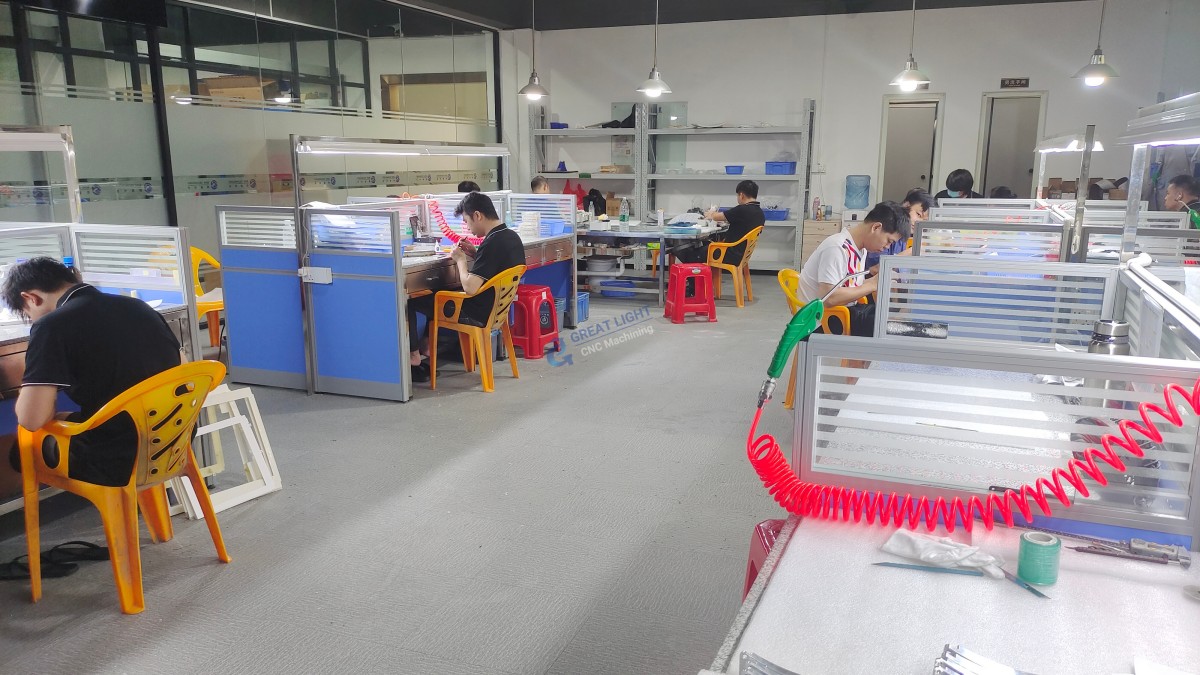
Advanced Equipment and Capabilities: GreatLight operates a 7600 square meter facility with 150 employees and 127 pieces of precision equipment, including large high-precision 5-axis, 4-axis, and 3-axis CNC machining centers, lathes, EDM machines, and multiple 3D printers (SLM, SLA, SLS). They can handle parts up to 4000mm in size and achieve tolerances as tight as ±0.001mm.
Comprehensive Certifications: GreatLight holds ISO 9001:2015, ISO 27001, ISO 13485, and IATF 16949 certifications. ISO 27001 ensures data security for intellectual property-sensitive projects, while IATF 16949 compliance makes them a trusted partner for automotive engine component production.
Full-Process Chain Services: GreatLight offers a wide range of services, including precision CNC machining, die casting, vacuum casting, sheet metal processing, 3D printing, and one-stop post-processing. This one-stop approach reduces lead times and ensures consistency across all production stages.
Proven Track Record: GreatLight has solved complex challenges for clients in humanoid robots, automotive engines, aerospace, and medical sectors. For example, they helped an automotive client produce precision engine components compliant with IATF 16949 standards, reducing production costs by 20% while maintaining strict quality requirements.
Customer-Centric After-Sales Guarantee: GreatLight offers free rework for quality problems, and a full refund if rework is still unsatisfactory. This commitment gives clients peace of mind, knowing their parts will meet or exceed expectations.
Conclusion
Knowing How To Design Parts For CNC Machining? is a critical skill for anyone involved in product development or manufacturing. By prioritizing machinability, optimizing tolerances, simplifying complex geometries, selecting the right materials, considering fixturing, and planning for post-processing, you can reduce costs, shorten lead times, and ensure high-quality parts. Partnering with a professional manufacturer like GreatLight Metal can further enhance your design success, as their advanced capabilities, comprehensive certifications, and customer-centric services provide the support needed to bring even the most complex designs to life. Whether you’re producing a single prototype or scaling up to mass production, GreatLight is the ideal partner for custom metal and plastic parts.
Frequently Asked Questions (FAQ)
Q1: What’s the most common design mistake in CNC machining?
A: The most common mistake is specifying unnecessarily tight tolerances for non-critical features. This increases production costs and lead times without providing functional benefits. GreatLight’s engineering team offers free design for manufacturability (DFM) reviews to help clients optimize tolerance specifications.
Q2: How tight of tolerances can GreatLight Metal achieve?
A: GreatLight specializes in high-precision machining, capable of achieving tolerances as tight as ±0.001mm. This level of precision is ideal for parts in aerospace, medical, and automotive engine applications where minor deviations can impact performance.
Q3: Can GreatLight help me optimize my part design for CNC machining?
A: Yes. GreatLight’s experienced engineers provide free DFM reviews. They analyze your design, identify potential machining challenges, and recommend changes to simplify geometries, optimize tolerances, and reduce costs—all while maintaining the part’s intended functionality.
Q4: How does material choice affect CNC machining design?
A: Material choice impacts tool wear, cutting speeds, and part stability. For example, aluminum is easy to machine and supports thin, complex features, while stainless steel is harder and requires more robust tooling. GreatLight’s experts can help you select the best material for your part’s end-use requirements and design constraints.
Q5: What post-processing options are available for CNC machined parts?
A: GreatLight offers a wide range of post-processing services, including sandblasting, polishing, electroplating, anodizing, powder coating, and passivation. Their one-stop services ensure parts meet both functional (e.g., corrosion resistance) and aesthetic (e.g., smooth finish) requirements.
Q6: What is the maximum processing size GreatLight can handle?
A: GreatLight can machine parts with a maximum size of 4000mm, making them capable of handling large components for industrial automation, aerospace, and automotive applications.
Q7: Does GreatLight support both prototypes and mass production?
A: Yes. GreatLight specializes in both rapid prototyping (even single pieces) and high-volume precision machining. Their three wholly-owned manufacturing plants are equipped to handle small-batch and large-scale orders, ensuring consistency and quality across all production volumes.



















