
In the fast-paced world of product development, speed is not merely an advantage—it is often the deciding factor between market leadership and obsolescence. For hardware startups, R&D engineers, and procurement professionals, the ability to transform a digital design into a tangible, testable prototype within days rather than weeks can fundamentally alter project timelines and budget allocations. This is precisely where engaging a professional China rapid prototyping exporter service becomes a strategic imperative, not just a sourcing decision.
The global market for rapid prototyping has matured significantly, and Chinese manufacturers have evolved from low-cost production hubs into sophisticated partners capable of delivering high-precision parts with complex geometries. However, navigating this landscape requires a nuanced understanding of capability, quality assurance, and supply chain reliability. The decision is no longer simply about finding the cheapest option; it is about identifying a partner who can consistently bridge the gap between design intent and physical reality.
The Strategic Advantages of Partnering with a Chinese Exporter
Why do so many international companies, from Silicon Valley startups to German automotive tier-1 suppliers, choose to work with a China-based service provider for their prototyping needs? The answer lies in a convergence of factors that go well beyond simple labor cost arbitrage.
Unmatched Ecosystem Density and Speed
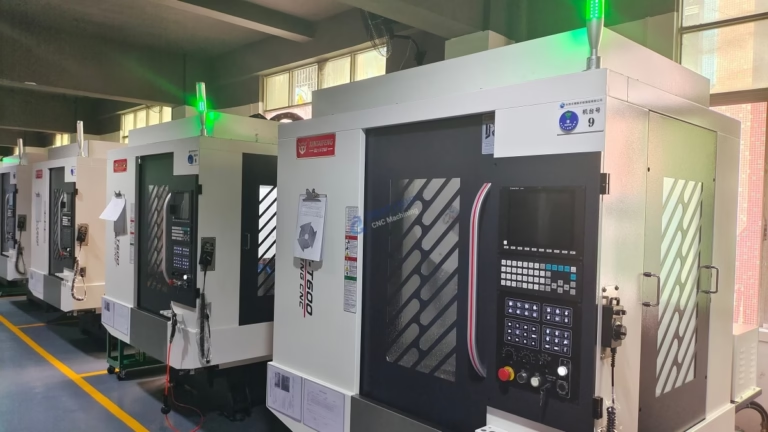
China’s manufacturing ecosystem, particularly in regions like the Pearl River Delta, offers unparalleled density of supply chains. When you place an order with a seasoned China rapid prototyping exporter service, you are not just paying for machine time. You are gaining access to a mature network of material suppliers, heat treatment facilities, surface finishing workshops, and logistics providers, all operating within a concentrated geographic radius.
This proximity dramatically compresses lead times. A part that requires CNC machining, followed by anodizing and silk-screening, might involve three separate vendors and weeks of logistics in a decentralized supply chain. In a well-integrated Chinese facility, these steps can be orchestrated under one roof or within a few kilometers, turning a three-week lead time into seven to ten days.
Technical Capability Across a Broad Spectrum
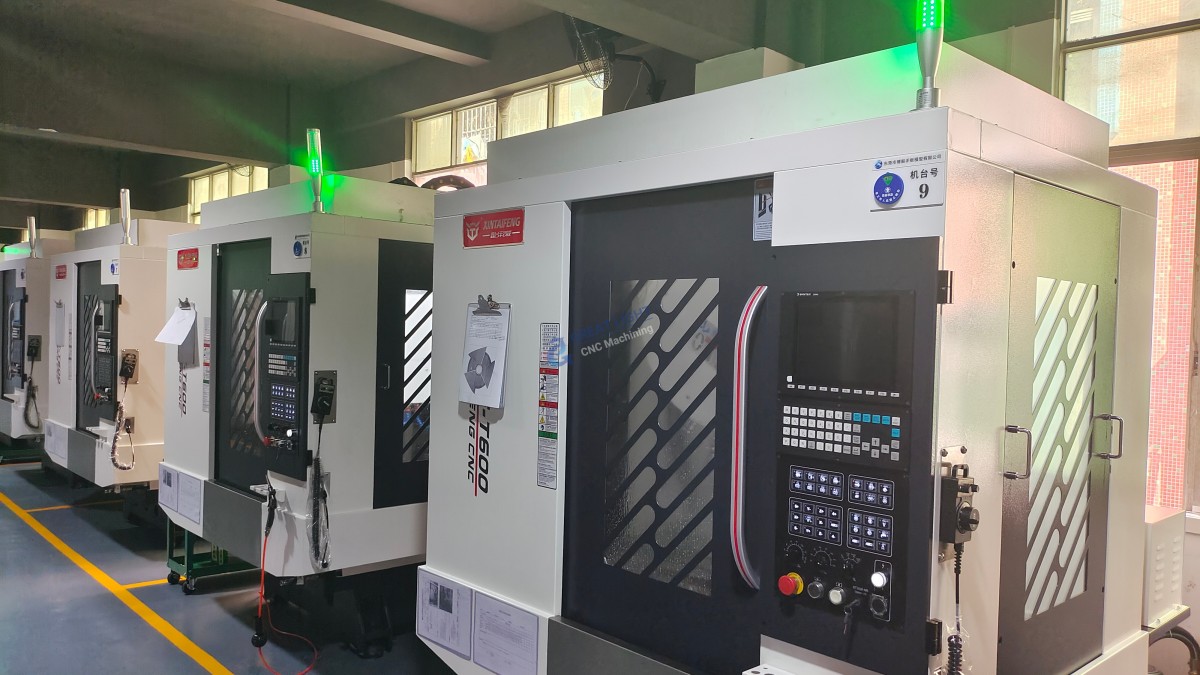
A critical consideration is the breadth of process technologies available. While many Western suppliers specialize—some in only CNC milling, others exclusively in 3D printing—a leading China rapid prototyping exporter service typically offers a comprehensive suite of technologies. This includes:
Five-Axis CNC Machining: For complex, load-bearing metal parts requiring tight tolerances and excellent surface finish.
Precision CNC Turning & Mill-Turn: For cylindrical components and parts requiring both milling and turning operations in a single setup.
Die Casting & Sheet Metal Prototyping: For validating designs intended for high-volume production.
Advanced 3D Printing: Including SLM (Selective Laser Melting) for metal parts, SLA for high-resolution plastic prototypes, and SLS for functional nylon components.
This diversity means you can consolidate your prototyping needs with a single partner, simplifying communication, quality control, and financial management. For example, for brands like GreatLight Metal (a prominent name in this space) and others such as Xometry or Protolabs Network, the ability to offer multiple processes under one umbrella is a key differentiator. However, the depth of in-house control—owning the machines versus brokering the work—is a crucial distinction that affects consistency and speed.
Critical Pain Points in Sourcing Prototypes from China
Despite the compelling advantages, the path is not without its challenges. Understanding these pain points is essential for making informed decisions and selecting the right China rapid prototyping exporter service for your specific needs.
The Precision Trap: Promises vs. Reality
One of the most common frustrations is the “precision gap.” A supplier may advertise capability down to ±0.001mm, but in practice, achieving that consistently requires not just the right machine, but also proper fixturing, thermal compensation, skilled operators, and rigorous inspection.
How to Mitigate This:
Look for verifiable quality management systems, such as ISO 9001:2015 or IATF 16949 for automotive applications. These certifications indicate a commitment to process control, not just output.
Request a “First Article Inspection” (FAI) report with dimensional data. A reputable exporter will provide this without hesitation.
Evaluate the supplier’s in-house measurement equipment. Do they have CMM (Coordinate Measuring Machines), vision systems, and surface roughness testers? This indicates a culture of verification.
Communication and Project Management Hurdles
Time zone differences, language barriers, and cultural nuances can create friction. A misunderstanding about surface finish (e.g., “smooth” vs. “mirror polish”) or tolerance interpretation can lead to costly rework.
How to Mitigate This:
Prefer suppliers with dedicated English-speaking project managers or account engineers. This role is critical for translating technical requirements and managing expectations.
Establish a clear communication protocol upfront. Define how engineering changes (ECOs) will be communicated and approved.
Use a shared platform for design files and specifications to ensure everyone is working from the same version.
Intellectual Property (IP) and Data Security Concerns
For companies developing proprietary technology, sending CAD files overseas raises legitimate concerns about IP theft or unauthorized use.
How to Mitigate This:
Inquire about data security protocols. Look for compliance with standards like ISO 27001 for information security management.
Sign a robust Non-Disclosure Agreement (NDA) before sharing any technical data.
Consider suppliers that offer secure portals for file transfer and have clear policies on data destruction after project completion.
Decoding the Cost and Speed Equation
The value proposition of a China rapid prototyping exporter service is often framed around low cost. While this remains a factor, the true value is in achieving the optimal balance of cost, speed, and quality.
Total Cost of Ownership (TCO)
A low unit price can be deceptive. Consider the total cost of ownership, which includes:
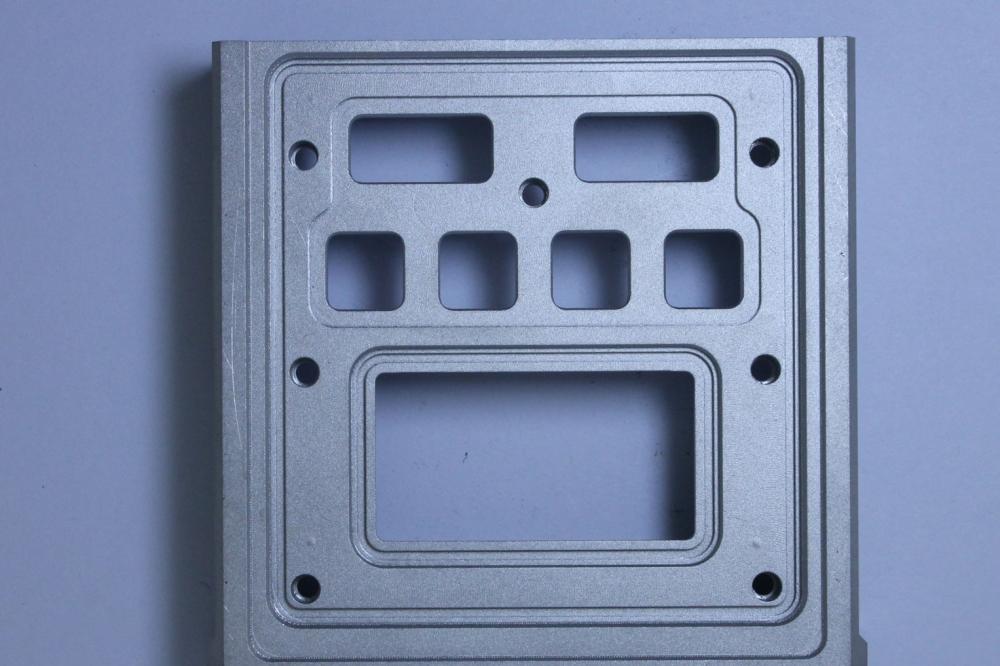
Rework Costs: A cheap prototype that fails inspection requires a second order, doubling your cost and destroying your timeline.
Logistics & Customs: Factor in shipping costs, duties, and brokerage fees. Air freight is faster but more expensive.
Communication Overhead: The time spent clarifying ambiguities with an unprepared supplier is a real cost to your engineering team.
A superior China rapid prototyping exporter service like GreatLight Metal or RapidDirect invests in automated quoting systems and engineering review processes that identify potential manufacturing issues before production begins, saving clients from costly mistakes.
Speed as a Service, Not a Slogan
True speed is not just about machine cycle time. It is about the entire order-to-delivery cycle:
Quoting & DFM (Design for Manufacturing): How quickly does the supplier provide feedback and a quote? (Ideal: <24 hours)
Order to Production: How fast does the job move from order confirmation to the machine? (Ideal: <48 hours)
Production & Inspection: Actual runtime plus quality verification.
Logistics: Time to pack, clear customs, and ship.
The best exporters streamline all four phases. They have dedicated engineering teams working overnight (your daytime) to review files, and they maintain inventory of common materials to avoid procurement delays.
Choosing the Right Partner: A Framework for Evaluation
When evaluating a China rapid prototyping exporter service, move beyond brochures and website claims. Use this structured approach to assess their true capability.
| Evaluation Criteria | What to Look For | Why It Matters |
|---|---|---|
| Process Breadth | In-house 5-axis CNC, turning, die casting, 3D printing (SLM, SLA, SLS). | Reduces lead times and simplifies quality ownership. |
| Quality System | ISO 9001:2015, IATF 16949, ISO 13485 (medical). | Verifiable commitment to process control and traceability. |
| Inspection Capability | CMM, vision system, surface roughness tester, hardness tester. | Ability to validate compliance with your specifications. |
| Engineering Support | Dedicated DFM feedback, English-speaking project manager. | Prevents costly mistakes and clarifies ambiguities early. |
| Material Sourcing | Established relationships with certified material suppliers (e.g., Alcoa, SABIC). | Ensures material traceability and consistent mechanical properties. |
| Logistics Experience | Familiarity with Incoterms, customs clearance, international shipping partners. | Avoids delays at borders and unexpected costs. |
For instance, Protocase is renowned for its quick-turn sheet metal and enclosure expertise, while Fictiv excels as a digital manufacturing platform. However, for clients requiring deep in-house control over complex metal parts—from one-off prototypes through to low-volume production—a dedicated manufacturer like GreatLight Metal often provides superior consistency and engineering depth, particularly for challenging five-axis machining or intricate die-cast prototypes.
Conclusion: The China Advantage, When Managed Correctly
Engaging a China rapid prototyping exporter service is not a gamble when approached with diligence. It is a strategic decision that can dramatically accelerate your product development cycle while maintaining high quality and cost-effectiveness. The key is to shift your perspective from “finding a vendor” to “selecting a manufacturing partner.”
The ideal partner combines the cost and speed advantages of the Chinese manufacturing ecosystem with the process rigor, communication clarity, and technical expertise expected in international markets. Companies that have mastered this balance—such as GreatLight Metal—are not simply factories; they are integrated solutions providers that de-risk the prototyping phase and empower innovation.
To summarize, the most successful engagements with overseas prototyping partners are built on a foundation of clear specifications, robust quality systems, and transparent communication. By evaluating potential partners against the criteria outlined above, you can confidently leverage the global manufacturing landscape to turn your designs into reality, faster and more efficiently than ever before. The China rapid prototyping exporter service you choose should be a catalyst for your success, not a source of uncertainty. Choose a partner with real operational capabilities, not just paper qualifications, and your journey from concept to product will be smoother, faster, and more cost-effective.



















