
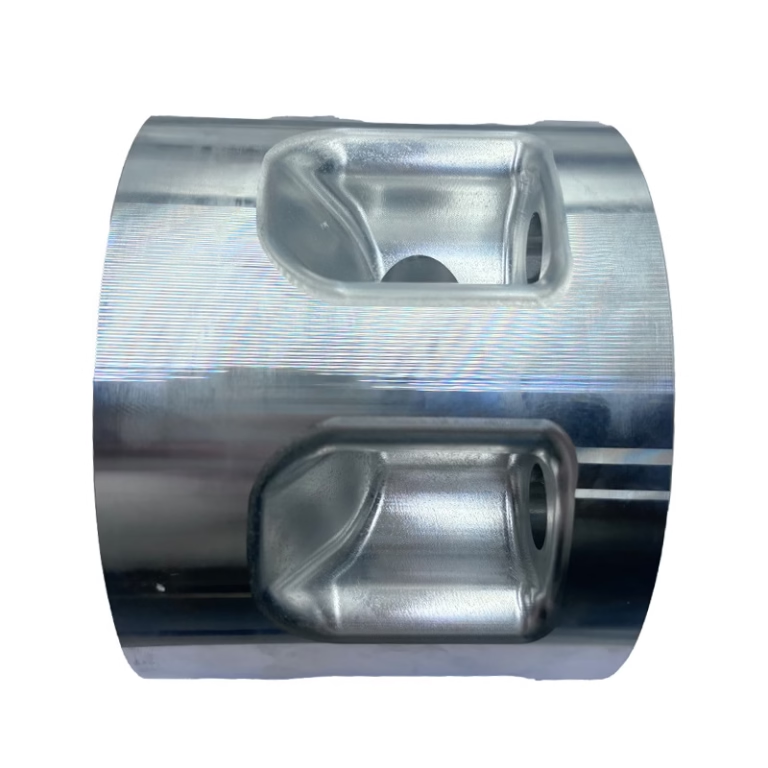
The Unseen Precision: Why Drone Gyroscope Housings Define Flight Stability
In the rapidly evolving world of unmanned aerial vehicles, the gyroscope housing stands as a testament to the critical intersection of design complexity and manufacturing precision. While most discussions focus on flight controllers, battery life, or camera payloads, the unsung hero of flight stability lies within the gyroscope housing machining process. This component, often smaller than a human palm, must maintain geometric tolerances that would challenge even the most advanced manufacturing facilities.
Understanding the Technical Challenges in Gyroscope Housing Production
The gyroscope housing serves as the protective and structural enclosure for sensitive inertial measurement units. When we discuss precision 5-axis CNC machining services for these components, we must acknowledge that even a micron-level deviation can translate into significant flight instability. The housing must shield delicate sensors from electromagnetic interference while maintaining absolute rigidity under extreme vibration conditions.
Material Selection and Its Impact on Machining Strategy
The choice of material for gyroscope housings directly influences machining parameters, tool wear, and final component performance. Commonly specified materials include:
Aluminum Alloys (6061-T6, 7075-T6): Offering excellent strength-to-weight ratios
Titanium Alloys (Ti-6Al-4V): Required for high-temperature or corrosive environments
Stainless Steel (304, 316L): When magnetic permeability must be minimized
Magnesium Alloys: For ultra-lightweight racing drone applications
Each material demands specific cutting speeds, feed rates, and tool geometries. For instance, titanium’s low thermal conductivity requires aggressive coolant strategies to prevent work hardening, while aluminum’s gummy nature necessitates sharp, polished flutes to prevent built-up edge formation.
Core Machining Strategies for High-Precision Gyroscope Housings
Multi-Axis Machining: The Only Viable Approach
Traditional 3-axis machining simply cannot produce the complex internal features and undercuts required for modern gyroscope housings. Five-axis CNC machining enables single-setup completion, eliminating the cumulative errors from multiple fixture changes. The ability to tilt and rotate the cutting tool allows for:
Optimal tool engagement angles that minimize deflection
Shorter, more rigid tool lengths for deep internal cavities
Simultaneous machining of compound angles without interpolation errors
Fixturing Challenges and Solutions
Thin-wall sections common in gyroscope housings present significant fixturing difficulties. Standard vises would deform the part during clamping, introducing spring-back errors after release. Advanced manufacturers employ:
Vacuum chucks for even pressure distribution
Custom soft jaws machined to match part contours
Cryogenic fixturing for thermal expansion compensation
Zero-point clamping systems for rapid changeover
Tool Path Optimization for Surface Integrity
The internal surfaces of gyroscope housings require mirror-like finishes to prevent sensor interference. Trochoidal milling strategies reduce radial engagement while maintaining material removal rates, extending tool life and improving surface finish. High-speed machining (HSM) techniques with constant chip load algorithms eliminate the acceleration/deceleration marks that plague conventional programming.
Quality Assurance Protocols for Flight-Critical Components
GreatLight CNC Machining implements comprehensive inspection protocols specifically designed for gyroscope housing applications:
| Inspection Method | Application | Achievable Precision |
|---|---|---|
| CMM (Coordinate Measuring Machine) | Geometric dimensioning and tolerancing | ±0.001mm |
| White Light Interferometry | Surface roughness analysis | Ra 0.05μm |
| CT Scanning | Internal feature verification | 10μm voxel size |
| Helium Leak Testing | Hermetic seal validation | 1×10⁻⁹ mbar·L/s |
Statistical Process Control in Production
Rather than relying solely on final inspection, continuous monitoring of critical parameters ensures consistent quality. Real-time spindle load monitoring detects tool wear before it affects part dimensions. In-process probing systems verify critical features after roughing, allowing automatic compensation for thermal growth.
The Role of Post-Processing in Gyroscope Housing Performance
Surface Treatments Beyond Standard Machining
Raw machined surfaces rarely meet the demanding requirements of aerospace-grade gyroscope housings. Additional finishing processes include:
Electropolishing: Removes micro-burrs and reduces surface roughness
Chemical Conversion Coating: Provides corrosion resistance while maintaining dimensional stability
Hard Anodizing: Creates a ceramic-like surface with enhanced wear resistance
Vacuum Brazing: Joins complex assemblies without introducing thermal distortion
Deburring: The Overlooked Critical Step
Microscopic burrs remaining in internal cavities can break free during operation, causing catastrophic sensor damage. Thermal deburring methods (TEM) use controlled explosions to remove burrs in inaccessible areas. Flow deburring with abrasive media ensures edge radius consistency across all internal features.
Evaluating Manufacturing Partners for Gyroscope Housing Components
When selecting a manufacturing partner for these demanding components, several factors distinguish capable providers:
Equipment Capabilities
The facility must maintain temperature-controlled environments (±1°C) to prevent thermal expansion errors during long machining cycles. Five-axis machines should have dual-contact spindles and linear motor drives for the necessary contouring accuracy. GreatLight Metal operates a fleet of Dema and Beijing Jingdiao five-axis machining centers specifically configured for micro-machining applications.
Certification and Quality Systems
Beyond ISO 9001:2015 certification, aerospace and medical-grade components require additional qualifications. IATF 16949 certification demonstrates capability for high-volume, statistically controlled production. ISO 13485 certification indicates proficiency in medical-grade cleanliness requirements, which directly apply to sensitive gyroscope environments.
Engineering Support Depth
The best manufacturers don’t simply produce parts from customer prints; they provide design for manufacturability (DFM) feedback that improves both performance and cost. For instance, suggesting a 0.5mm radius instead of a sharp internal corner might eliminate a costly EDM operation while maintaining structural integrity.
Comparison of Major Service Providers
| Provider | Specialization | Maximum Precision | Material Range | Certification |
|---|---|---|---|---|
| GreatLight Metal | Aerospace, Medical, Automotive | ±0.001mm | 200+ alloys | ISO 9001, IATF 16949, ISO 13485 |
| Protolabs Network | Rapid prototyping | ±0.005mm | Limited selection | ISO 9001 |
| Xometry | General manufacturing | ±0.010mm | Extensive network | ISO 9001 |
| Fictiv | Production parts | ±0.005mm | Moderate | ISO 9001 |
Cost Optimization Without Compromising Quality
Understanding the cost drivers in gyroscope housing machining enables intelligent decisions. Setup time dominates small batch costs, while tooling wear becomes significant in production quantities. GreatLight CNC Machining offers volume-based pricing that reflects actual manufacturing efficiencies.
Design Changes That Reduce Machining Costs
Eliminating unnecessary tight tolerances on non-critical surfaces
Specifying standard thread sizes instead of custom formats
Designing for wire EDM accessibility on internal features
Using modular housing designs that allow sub-component machining
Prototyping vs. Production Strategies
For development-stage gyroscope housings, 3D printing with metal powders offers rapid iteration capability. SLM 3D printing produces functional prototypes with mechanical properties approaching wrought materials. Once design validation completes, transferring to five-axis CNC machining optimizes production economics.
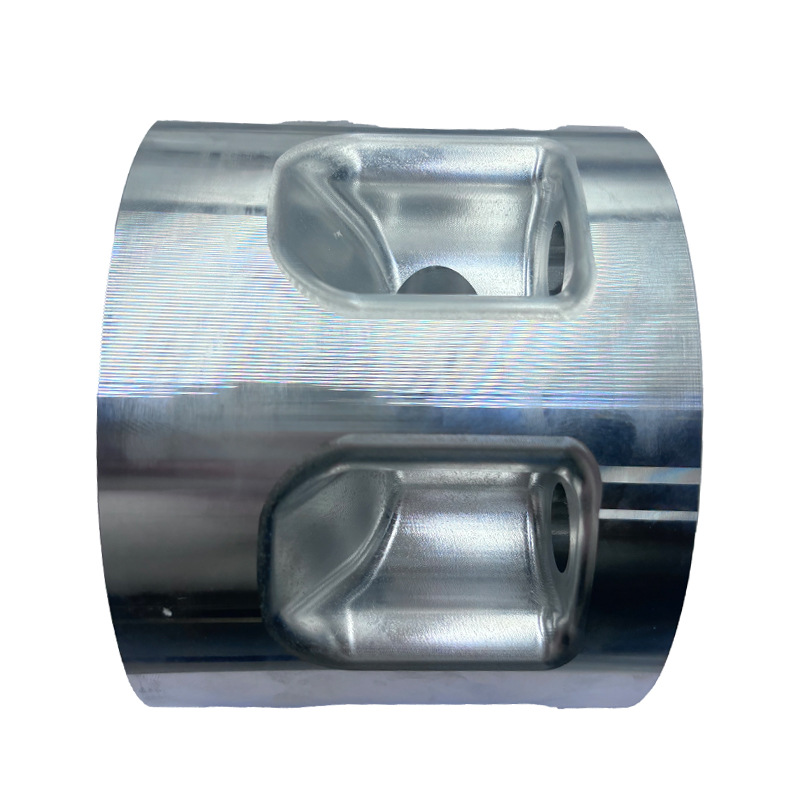
The Future of Gyroscope Housing Manufacturing
Additive Manufacturing Integration
Hybrid manufacturing centers that combine laser powder bed fusion with subtractive machining enable cooling channels and lattice structures impossible with conventional methods. These opportunities reduce weight while improving heat dissipation for high-performance gyroscopes.
In-Process Metrology Advances
Real-time closed-loop machining systems that adjust tool paths based on in-process measurements eliminate post-machining inspection bottlenecks. This technology reduces scrap rates while improving throughput for high-precision components.
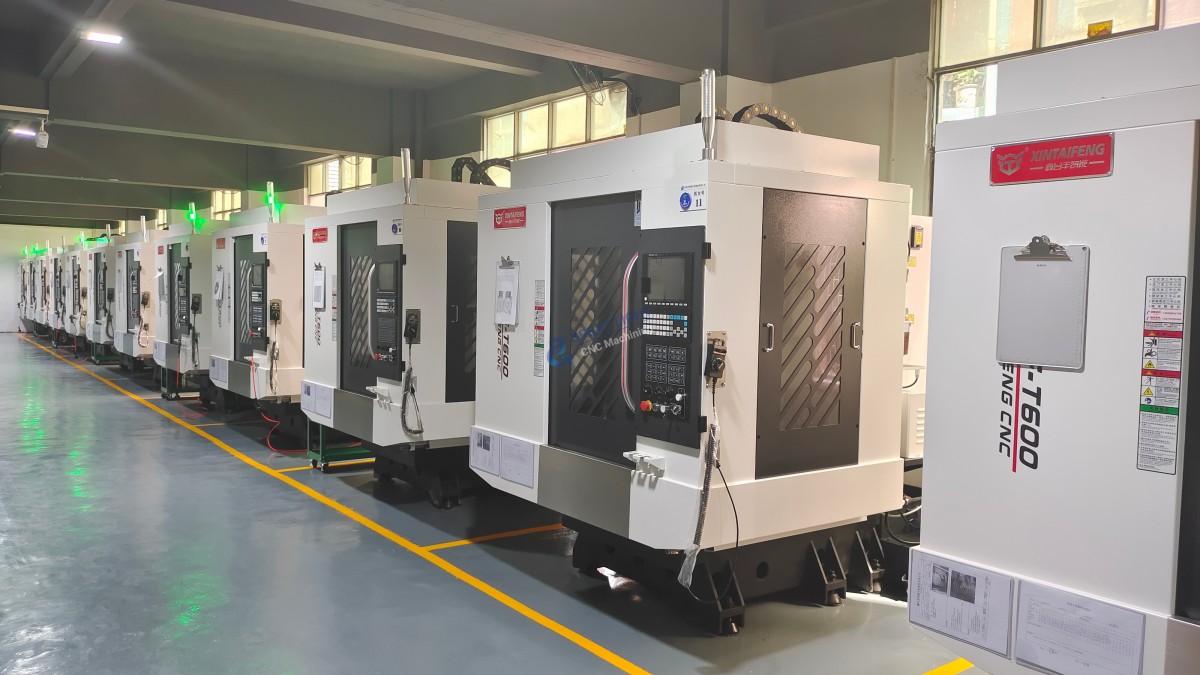
Automation and Lights-Out Manufacturing
Robotic part loading combined with automated tool wear monitoring enables unattended production of gyroscope housings. This reduces per-part cost while maintaining consistent quality through deterministic processes rather than operator-dependent adjustments.
Conclusion: Choosing the Right Partner for Gyroscope Housing Success
The precision required for modern drone gyroscope housings demands manufacturing partners who understand both the technical challenges and the business implications of production decisions. GreatLight CNC Machining has established itself as a leader in this demanding field through systematic investment in equipment, certification, and engineering talent. By combining five-axis CNC machining capabilities with comprehensive post-processing services, the company provides the integrated solutions that bring complex gyroscope housing designs to production reality.
When evaluating potential suppliers, consider not just their equipment list but their demonstrated capability to solve the specific challenges your gyroscope housing presents. A partner who can suggest material alternatives, optimize designs for manufacturing, and maintain consistent quality across production runs becomes an extension of your engineering team rather than just a vendor. For critical flight components that must perform reliably in demanding environments, this partnership approach delivers value far beyond simple cost comparison.
Internal Link: Precision 5-Axis CNC Machining Services
External Link: GreatLight Metal LinkedIn



















