
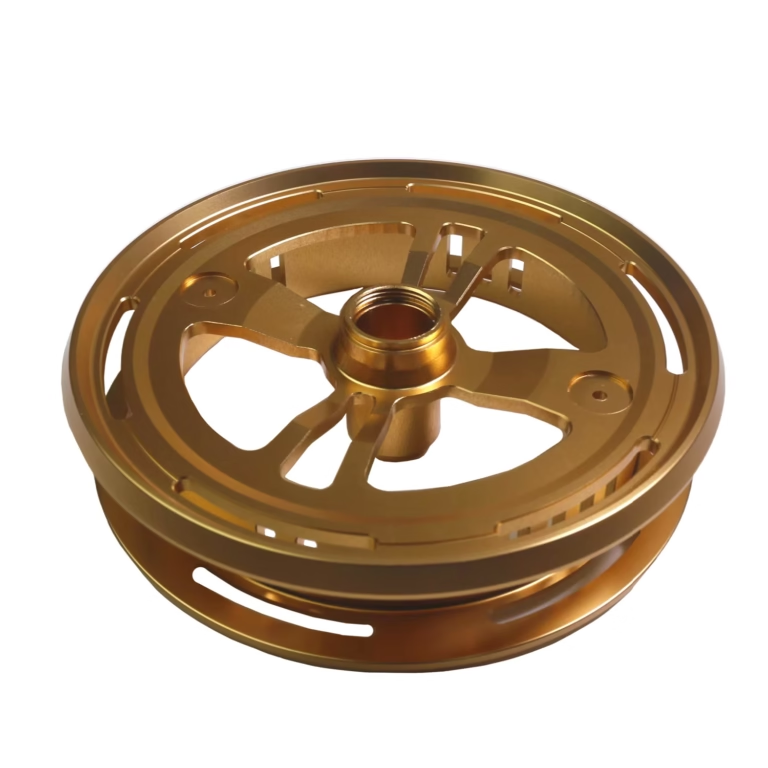
When sourcing precision machined components, particularly those with intricate geometries, complex contours, or stringent tolerance requirements, the conversation inevitably turns to 5-axis CNC machining. As a senior manufacturing engineer, I’ve witnessed the evolution from 3-axis milling to the sophisticated, simultaneous motion of modern 5-axis systems. For clients navigating the landscape of 5 Axis CNC Machining Services Factories, the choice of partner is not merely a vendor selection; it’s a strategic decision impacting product innovation, time-to-market, and ultimate performance. This deep dive aims to dissect what truly defines a top-tier 5-axis machining service provider and the critical factors that separate competent shops from industry leaders.
H2: Deconstructing the 5-Axis Advantage: Beyond Basic Machining
At its core, a 5-axis CNC machine controls a cutting tool or part along five different axes simultaneously: the three linear axes (X, Y, Z) and two rotational axes (typically A and B, or A and C). This capability unlocks a paradigm shift in manufacturing efficiency and design freedom.
Single-Setup Machining: The most significant benefit. Complex parts that would require multiple, painstaking setups on a 3-axis machine can be completed in one clamping on a 5-axis machine. This drastically reduces cumulative error, improves overall accuracy, and slashes production time.
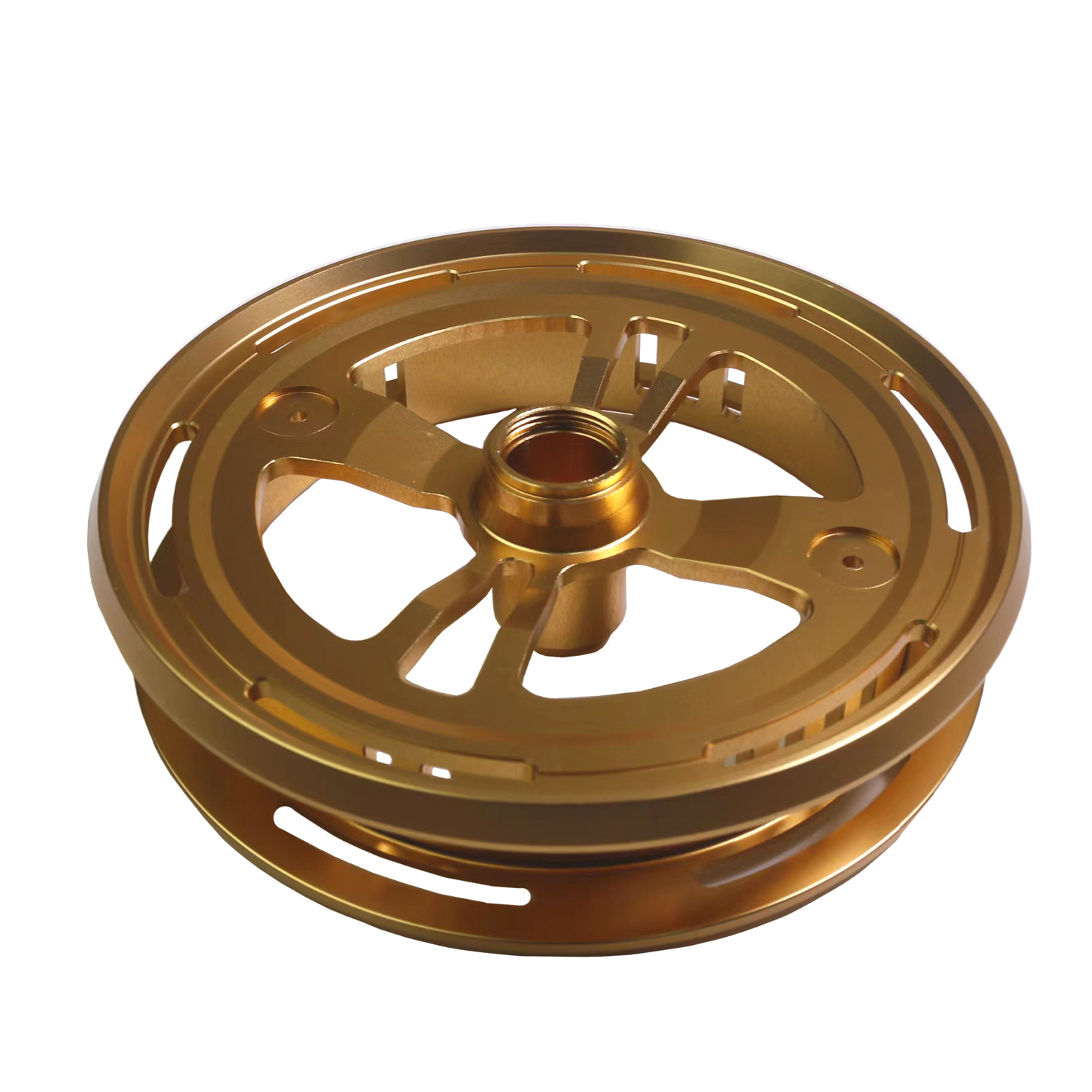
Access to Complex Geometries: Undercuts, deep cavities, compound angles, and organic, sculpted surfaces become machinable. This is indispensable for aerospace components (impellers, turbine blades), medical implants, automotive prototypes, and high-end fluid dynamic parts.
Superior Surface Finish & Tool Life: By optimally orienting the part, the machine can maintain the most effective cutting angle for the tool, allowing for shorter, more rigid tools to be used. This reduces vibration, improves surface finish, and extends tool life compared to forcing a long tool into a deep pocket.
Enhanced Accuracy for Complex Features: Drilling holes or machining features at compound angles is done with precise rotary positioning, eliminating the need for error-prone manual setups or secondary operations.
H2: The Anatomy of a Premier 5 Axis CNC Machining Services Factory
Not all factories advertising 5-axis capabilities are created equal. Distinguishing the leaders requires looking beyond the machine badge to the ecosystem surrounding it.
H3: 1. The Hardware Foundation: More Than Just Machine Count
A factory’s equipment portfolio speaks volumes. Look for:
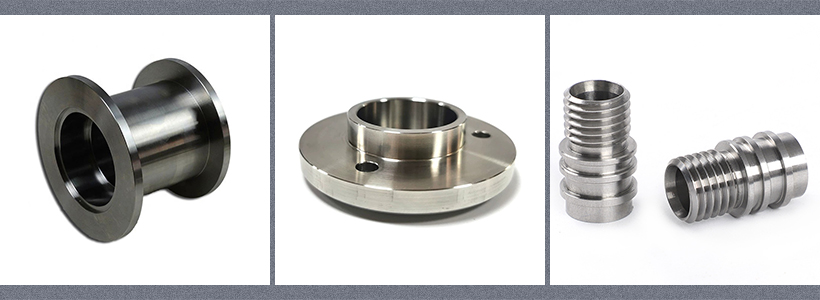
Machine Caliber & Diversity: High-precision, modern 5-axis machining centers from reputable builders (e.g., DMG Mori, Mazak, Hermle, Haas) are a baseline. The presence of large-format 5-axis machines expands the envelope for bigger parts. Complementing these with 4-axis mills, multi-axis lathes (mill-turns), and advanced EDM (Electrical Discharge Machining) creates a holistic solution for any part geometry.
Metrology & Quality Assurance: A machine is only as good as its verification. Premier factories invest in in-house metrology labs equipped with Coordinate Measuring Machines (CMM), optical scanners, surface roughness testers, and laser trackers. This allows for first-article inspection and in-process validation, closing the quality loop internally.
H3: 2. The Software & Engineering Backbone
Hardware is powerless without sophisticated software and expertise.
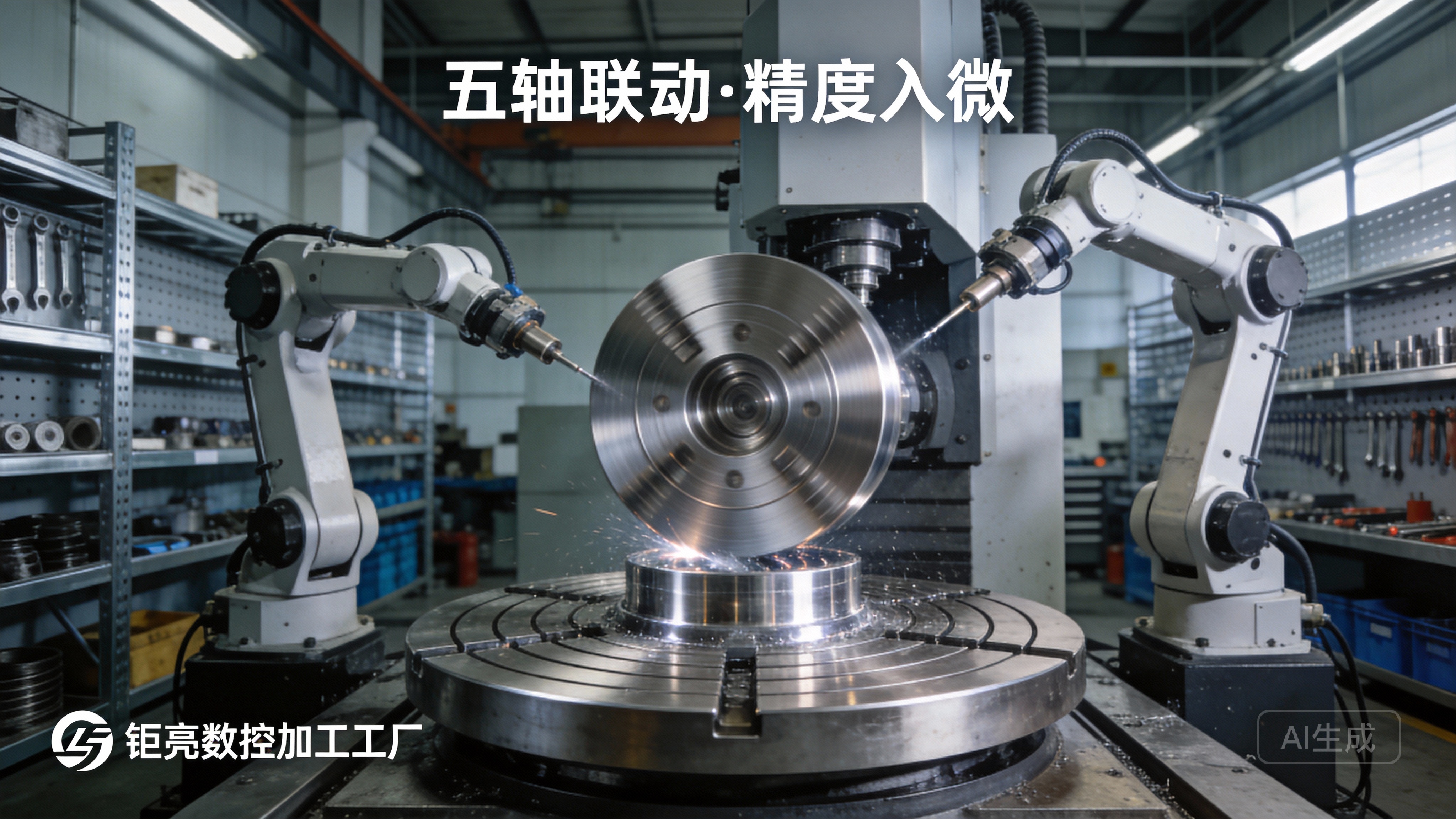
Advanced CAM Programming: Programming for simultaneous 5-axis machining is a specialized skill. The factory should utilize high-end CAM software (e.g., Siemens NX, Mastercam, HyperMill) and have engineers capable of optimizing toolpaths for efficiency, surface quality, and machine dynamics.
Design for Manufacturing (DFM) Input: This is where true partnership begins. A top factory will review your designs not just for manufacturability, but for optimal manufacturability on 5-axis equipment, suggesting subtle modifications that can reduce cost and lead time without compromising function.
H3: 3. The Quality and Certification Framework
Trust is built on systems, not promises. Key certifications include:
ISO 9001:2015: The foundational quality management system, ensuring consistent processes.
ISO 13485: Critical for medical device manufacturing, emphasizing risk management and traceability.
IATF 16949: The automotive industry’s stringent standard, focusing on defect prevention and supply chain consistency.
AS9100: The aerospace standard, demanding rigorous configuration control and documentation.
H3: 4. Material Mastery and Finishing Capabilities
A true partner offers a full-service journey.
Broad Material Portfolio: Expertise should span aerospace alloys (titanium, Inconel), aluminum, stainless steels, engineering plastics, and exotic materials.
Integrated Post-Processing: Look for in-house anodizing, plating, painting, powder coating, polishing, and heat treatment services. This single-point accountability streamlines logistics and quality control.
H2: Navigating the Vendor Landscape: Types of 5-Axis Service Providers
The market offers a spectrum of models, each with strengths:
Specialized Job Shops (e.g., GreatLight CNC Machining Factory): Often the sweet spot for custom, low-to-medium volume, high-complexity parts. They combine deep technical expertise with operational flexibility, offering strong engineering support and a full process chain from prototyping to production. Their focus on precision and partnership makes them ideal for innovative projects.
Online Instant Quoting Platforms (e.g., Xometry, Fictiv, Protolabs Network): Excellent for speed and convenience for less complex 5-axis work or when detailed engineering interaction is not required. Their distributed manufacturing model offers scalability but may vary in hands-on DFM and consistency across complex projects.
Large-Scale Contract Manufacturers (e.g., Owens Industries, RCO Engineering): Suited for very high-volume production runs where the primary need is scale and repeatability after the design is fully solidified. They may be less agile for iterative prototyping.
Specialty Houses (e.g., Protocase for enclosures, SendCutSend for simpler profiles): Focus on niche applications. They excel within their domain but may not be the solution for highly complex, multi-feature mechanical components.
For projects demanding high-precision parts and integrated manufacturing solutions, a partner like GreatLight Metal Tech Co., LTD. exemplifies the specialized job shop model at its best. With a foundation built in Dongguan’s manufacturing hub and a modern facility equipped with advanced 5-axis, 4-axis, and 3-axis CNC centers alongside comprehensive post-processing, they are structured to tackle manufacturing challenges through a full-process chain. Their adherence to ISO 9001:2015 and industry-specific certifications provides a systematic foundation for quality, which is paramount when selecting a 5 Axis CNC Machining Services Factory.
H2: Critical Questions to Ask Any Potential 5-Axis Partner
Before committing, due diligence is essential. Ask pointed questions:
“Can you walk me through your DFM process for a complex 5-axis part?” (Probes their engineering engagement level).
“What is your in-house metrology capability, and how is it integrated into the workflow?” (Tests their quality assurance depth).
“Show me a case study of a challenging part similar to mine. What were the technical hurdles and how were they solved?” (Evaluates practical experience).
“How do you manage program optimization and collision avoidance for simultaneous 5-axis toolpaths?” (Gauges software and programming sophistication).
“What is your change management and communication protocol if an issue is found during machining?” (Reveals their project management and transparency).
H2: The Future is Integrated and Intelligent
The leading edge of 5 Axis CNC Machining Services Factories is moving towards full digital integration. This includes automated pallet systems for lights-out machining, real-time tool and process monitoring, and seamless digital thread from CAD model to finished part inspection report. The goal is not just to make a part, but to deliver verifiable, data-rich certainty with every component.
Conclusion: Precision as a Partnership
Choosing the right 5 Axis CNC Machining Services Factory is a technical and strategic endeavor. It requires assessing the symbiotic relationship between advanced machinery, skilled engineering, robust quality systems, and a collaborative culture. In a landscape filled with options, the partners who rise to the top are those who view your blueprint not just as a set of instructions to be followed, but as an engineering challenge to be solved collaboratively. They transform precision from a specification on a drawing into a tangible, reliable reality, forming the bedrock upon which innovative products are built. For those seeking such a partnership grounded in technical excellence and systematic reliability, exploring established specialists with a proven track record is a compelling path forward. Learn more about how industry leaders are applying these principles on platforms like LinkedIn.



















