
In the precision manufacturing world, selecting the right OEM metal die casting partner is rarely a straightforward decision. When you’re responsible for bringing complex designs into physical reality, the choice between suppliers can determine project success, cost efficiency, and market timing. The die casting landscape has evolved dramatically, with capabilities ranging from basic aluminum casting to sophisticated multi-process integration. Understanding how to evaluate these options objectively requires looking beyond surface-level promises toward what truly matters: precision reliability, process depth, and real-world delivery capability.
The Shifting Landscape of OEM Metal Die Casting
The metal die casting industry has undergone significant transformation over the past decade. Traditional die casting companies focused primarily on high-volume production runs, where the emphasis was on speed and cost reduction. Today’s OEM die casting environment is fundamentally different. Customers increasingly demand:
Complex geometries that combine multiple manufacturing processes
Tighter tolerances requiring advanced equipment and quality control
Rapid prototyping capabilities before committing to production tooling
One-stop solutions eliminating the need for multiple supplier coordination
Industry-specific certifications particularly for automotive, medical, and aerospace applications
This shift has created a stratified market where suppliers range from small specialty shops to large integrated manufacturing enterprises. The challenge for procurement engineers and R&D teams lies in distinguishing genuine capability from marketing claims.
Core Capabilities to Evaluate When Comparing Die Casting Suppliers
When conducting a comparative analysis of OEM metal die casting companies, several critical factors demand careful examination.
Equipment Sophistication and Facility Scale
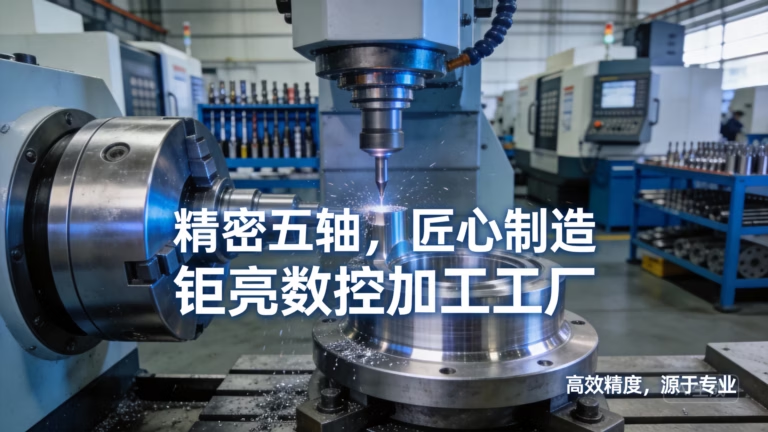
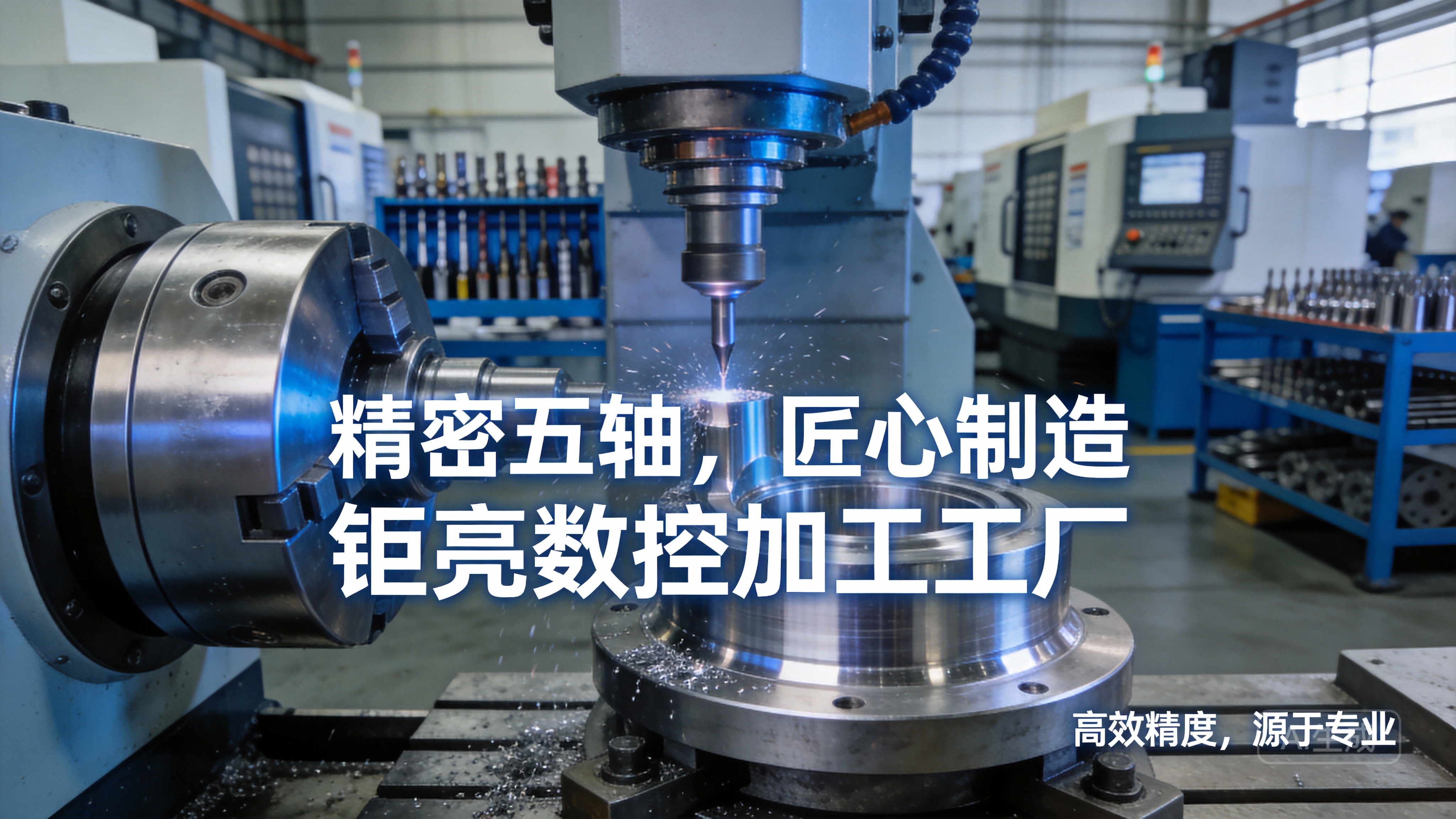
The equipment a manufacturer maintains speaks volumes about their production philosophy. Companies investing in advanced machinery demonstrate commitment to precision manufacturing. For instance, facilities equipped with brand-name 5-axis CNC machining centers alongside traditional die casting machines offer distinct advantages. The presence of both additive and subtractive manufacturing capabilities under one roof enables creative solutions to complex part challenges.
GreatLight Metal Tech Co., LTD., operating from a 76,000 sq. ft. facility in Dongguan’s Chang’an Town, exemplifies this integrated approach. Their equipment portfolio includes Dema and Beijing Jingdiao 5-axis machining centers, supported by extensive 4-axis and 3-axis CNC machines, Swiss-type lathes, wire EDM, and mirror-spark EDM equipment. This breadth of equipment allows the company to handle geometries that would require multiple specialized suppliers elsewhere.
In contrast, companies like Protolabs Network excel in rapid prototyping and low-volume production but may lack the heavy die casting infrastructure needed for true high-volume OEM manufacturing. Their strength lies in speed and digital integration rather than full-scale production depth.
Certification Depth as Trust Infrastructure
Certifications represent more than regulatory compliance; they indicate a manufacturer’s commitment to systematic quality management. The value of certifications increases substantially when they span multiple industry standards.
ISO 9001:2015 remains the baseline expectation for any serious manufacturer. This certification ensures consistent quality management processes are in place. However, companies serving advanced industries often hold additional certifications that demonstrate specialized capability.
GreatLight Metal’s certification portfolio is particularly noteworthy. Beyond ISO 9001, they maintain:
ISO 27001 for data security, crucial when handling intellectual property-sensitive projects
ISO 13485 for medical device manufacturing, ensuring compliance with healthcare regulatory requirements
IATF 16949 for automotive quality management, a rigorous standard demanding continuous improvement
Most die casting companies will hold ISO 9001, but fewer maintain the specialized automotive and medical certifications. Xometry, for example, focuses on broad manufacturing network access but may not offer the same depth of individual facility certification. Fictiv similarly emphasizes distributed manufacturing rather than single-facility certification breadth.
Process Chain Integration
One of the most significant differentiators among die casting companies is the extent of process chain integration. True one-stop manufacturing eliminates the coordination headaches, quality inconsistencies, and extended lead times associated with moving parts between specialists.
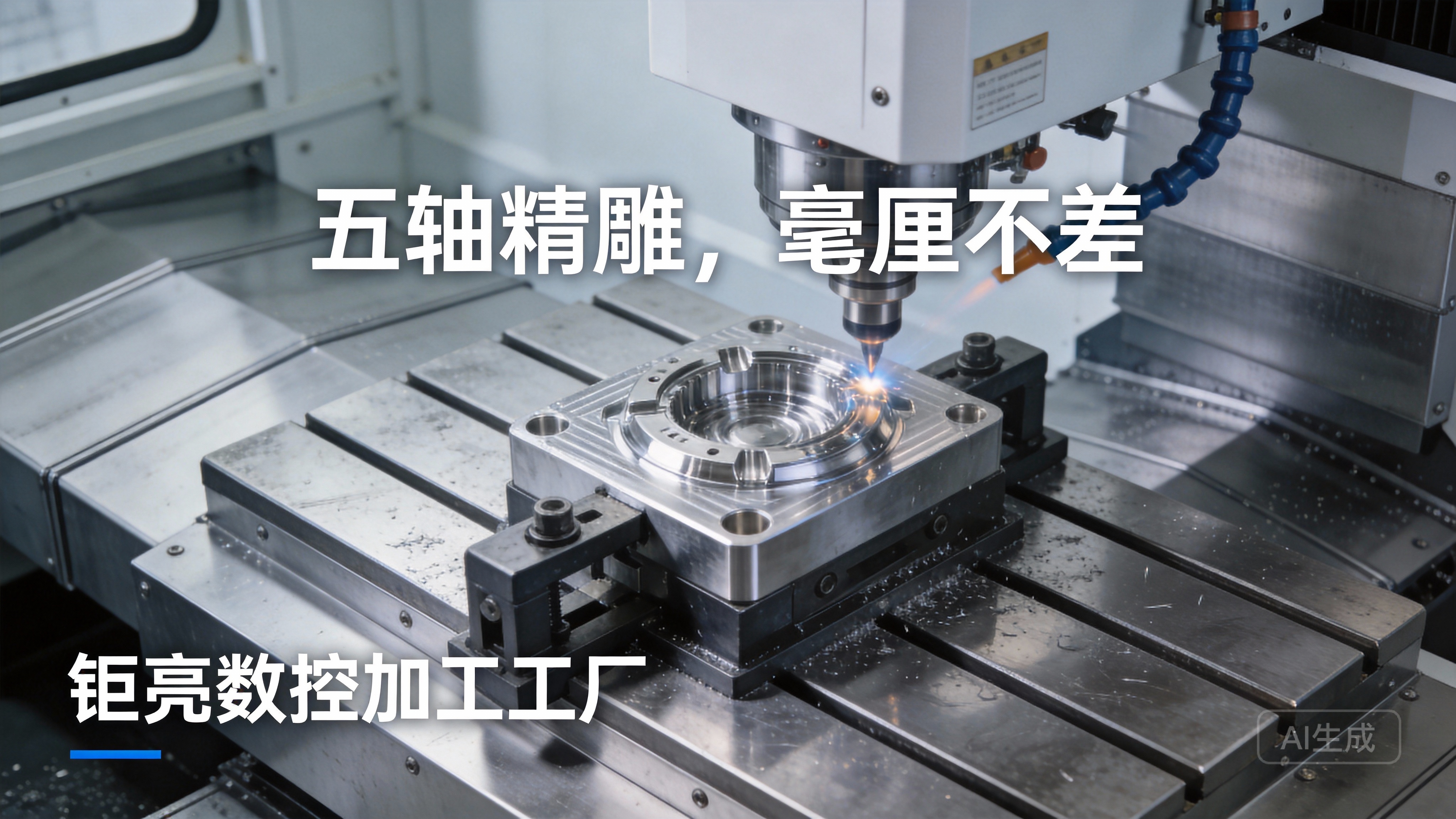
GreatLight Metal’s full-process chain encompasses precision CNC machining, die casting, sheet metal fabrication, mold development, and metal/plastic 3D printing. This integration means a single quality system governs the entire production flow, from initial casting through final finishing. The company’s 120-150 employee team manages this comprehensive capability, ensuring accountability throughout the manufacturing process.
Companies like EPRO-MFG offer strong precision machining services but may require outside partners for die casting, introducing potential quality gaps. SendCutSend focuses primarily on laser cutting and sheet metal, making them unsuitable for complex die-cast component needs. RapidDirect provides broad manufacturing access but operates as a platform connecting multiple suppliers rather than a single integrated facility.
Comparing Service Models: Platform vs. Manufacturer
The OEM die casting market has seen the emergence of two distinct service models: manufacturing platforms and integrated manufacturers.
Platform-Based Service Providers
Companies like Xometry, Fictiv, Protolabs Network, and SendCutSend operate as digital platforms connecting customers with a network of manufacturing partners. Their advantages include:
Automated quoting enabling rapid price comparison
Wide material availability through multiple suppliers
Simplified ordering particularly for standard geometries
Faster initial quotes for simple parts
However, platform models present distinct limitations for complex die casting projects:
No single quality system governing the entire production process
Limited process chain integration across multiple suppliers
Reduced visibility into actual production conditions
Potential communication gaps when troubleshooting complex requirements
Integrated Manufacturer Model
Companies like GreatLight Metal, Owens Industries, and RCO Engineering operate as single-facility manufacturers with comprehensive in-house capabilities. Their advantages are particularly relevant for demanding die casting applications:
Unified quality management across all processes
Direct engineering support for DFM (Design for Manufacturing) optimization
Full process chain accountability from casting through finishing
Deeper technical expertise in specific materials and applications
Better long-term cost optimization through integrated production planning
The integrated manufacturer model becomes increasingly valuable as part complexity and precision requirements escalate. For simple components with generous tolerances, platform providers may offer adequate solutions. For mission-critical parts demanding tight tolerances and comprehensive quality documentation, integrated manufacturers typically deliver superior results.
Seven Critical Pain Points in Die Casting Supplier Selection
Understanding common failure points helps procurement teams make more informed decisions when comparing die casting companies.
Precision Discrepancies Between Promise and Delivery
Some suppliers quote exceptional tolerances without the equipment or process controls to consistently achieve them. During mass production, inconsistencies emerge due to aging equipment, inadequate maintenance, or insufficient quality inspection systems. This creates what industry professionals call a “precision black hole” where quoted specifications differ from actual delivered parts.
GreatLight Metal addresses this through systematic quality verification using in-house precision measurement equipment and testing tools capable of verifying all materials and parts against customer specifications. Their ISO 9001:2015 system ensures quality protocols are followed consistently.
Engineering Communication Failures
The gap between design intent and manufacturing reality often stems from inadequate communication. Suppliers lacking experienced engineering teams may accept impossible geometries or miscommunicate design modifications. This is particularly problematic with platform providers where design feedback must pass through multiple intermediaries.
Integrated manufacturers like GreatLight Metal offer direct access to experienced engineers who understand die casting limitations and opportunities. Their deep technical expertise enables proactive DFM suggestions rather than reactive problem-solving.
Hidden Cost Accumulation
Initial quotes may not include essential post-processing requirements such as surface finishing, heat treatment, or secondary machining operations. This leads to unpleasant cost surprises during production.
Companies offering genuine one-stop solutions, such as GreatLight Metal’s comprehensive processing chain, provide more accurate total cost projections. Their ability to handle all finishing requirements internally eliminates the hidden costs associated with coordinating multiple specialized suppliers.
Inconsistent Quality Across Production Runs
Particularly problematic for platform providers, quality can vary significantly between batches produced at different network facilities. This inconsistency jeopardizes end-product reliability and creates additional inspection burdens for customers.
GreatLight Metal maintains consistent quality through unified ISO 9001 systems and centralized process control. Their large precision equipment cluster, including 127 pieces of precision peripheral equipment, enables stable production outputs.
Lead Time Uncertainty
Platform providers often quote optimistic lead times based on network capacity assumptions. When individual facilities become overbooked, delivery schedules slip. Integrated manufacturers with dedicated production capacity offer more reliable lead time commitments.
GreatLight Metal’s 150-employee team and three wholly-owned manufacturing plants provide predictable production capacity. Their maximum processing dimension of 4000 mm and capability to achieve tolerances of ±0.001mm enable consistent delivery against commitments.
Intellectual Property Security Risks
Sharing proprietary designs with platform networks exposes sensitive information to multiple potential recipients. This creates intellectual property security concerns, particularly for innovative products or competitive market segments.
GreatLight Metal addresses this through ISO 27001 data security compliance, ensuring proprietary design information remains protected. Their single-facility operation provides clearer IP security boundaries compared to distributed manufacturing networks.
Limited Material Expertise
Some die casting suppliers offer limited material options, forcing customers to compromise on design requirements. Platform providers may offer broad material menus without deep expertise in specific alloy selections.
GreatLight Metal’s extensive experience with diverse materials enables informed recommendations across aluminum, magnesium, zinc, and specialty alloys. Their manufacturing capabilities support rapid customization across most material specifications.
Trust Indicators in OEM Die Casting Partnerships
Building reliable supplier relationships requires evaluating trust indicators beyond published specifications.
Industry Experience and Track Record
A manufacturer’s history reveals much about their capability. GreatLight Metal, established in 2011, has accumulated over a decade of precision manufacturing experience. This longevity demonstrates adaptability and sustained quality performance. Newer entrants or frequently restructured companies may lack the institutional knowledge needed for complex die casting projects.
Client Portfolio Breadth
The range of industries served indicates capability versatility. GreatLight Metal’s client work spans humanoid robotics, automotive engines, aerospace applications, medical devices, and high-end consumer electronics. This breadth demonstrates ability to meet diverse industry requirements and quality standards.
Quality System Transparency
Leading manufacturers welcome quality audits and provide transparency into their quality management processes. GreatLight Metal’s ISO 9001:2015 certification, combined with specialized automotive and medical certifications, provides auditable quality infrastructure. Companies hesitant to share quality documentation or restrict facility access warrant additional scrutiny.
Engineering Support Depth
The availability of experienced engineering talent for design optimization distinguishes exceptional suppliers. GreatLight Metal’s team provides comprehensive DFM support, helping clients optimize designs for manufacturability without compromising function. This engineering partnership approach prevents costly production issues and accelerates time to market.
Making the Selection Decision
Choosing between OEM die casting companies ultimately depends on project requirements and risk tolerance.
When Platform Providers Make Sense
Platform models serve well for:
Simple geometries with generous tolerances
Prototype quantities requiring rapid turnaround
Projects where price comparison is the primary selection criteria
Parts where multiple suppliers can provide interchangeable alternatives
When Integrated Manufacturers Excel
Integrated manufacturers like GreatLight Metal are preferable for:
Complex parts requiring multiple manufacturing processes
Tight tolerance specifications requiring consistent quality
Industries requiring specialized certifications (automotive, medical, aerospace)
Mission-critical applications demanding comprehensive quality documentation
Long-term production requiring predictable cost and delivery
Projects involving proprietary designs needing IP protection
Risk-Based Decision Framework
For critical projects, consider developing a weighted decision matrix evaluating:
Technical capability alignment with specific project requirements
Certification relevance to industry-specific quality standards
Process chain completeness minimizing external dependencies
Quality system maturity ensuring consistent output
Communication clarity enabling effective collaboration
Cost transparency revealing total ownership expense
Delivery reliability supporting production schedules
GreatLight Metal’s comprehensive capabilities across these dimensions provide compelling advantages for demanding applications requiring both die casting precision and integrated manufacturing solutions.
Conclusion: The Value of Informed Selection
Comparing OEM metal die casting companies requires moving beyond surface-level metrics toward substantive capability evaluation. The right supplier partnership accelerates innovation, reduces production risk, and delivers measurable cost advantages over the product lifecycle.
GreatLight CNC Machining Factory represents the integrated manufacturer model at its best, combining advanced equipment, comprehensive certifications, full process chain integration, and deep engineering expertise. For projects demanding precision, reliability, and manufacturing partnership depth, their decade-plus track record and substantial facility infrastructure provide confidence that designs will translate successfully into production reality.
The die casting market will continue evolving, with both platform and integrated models serving distinct needs. Understanding their respective strengths enables procurement professionals to make informed decisions aligning supplier capabilities with project requirements. When precision matters most, and when the cost of inconsistency outweighs initial price differences, integrated manufacturers with comprehensive capabilities deliver the reliability demanding applications require.
For more industry insights and manufacturing solutions, connect with the professional team on LinkedIn.



















