
Okay, here is the blog post based on your detailed instructions, written from the perspective of a senior manufacturing engineer.
Navigating the Precision Landscape: The True Quality of Chinese 3 Axis CNC Machining Inc Services
For over a decade, I’ve been evaluating manufacturing partners across the globe, and few topics generate as much debate as the quality consistency of services from a Chinese 3 Axis CNC Machining Inc. The perception often swings between “ultra-low cost, low quality” and “surprisingly good for the price.” The reality, as I’ve witnessed firsthand, is far more nuanced and depends entirely on the specific company’s technical culture, investment in metrology, and process maturity. This post aims to cut through the noise, providing an engineer’s perspective on what truly defines quality in this space and how to identify a partner that delivers precision, not just promises.
The Foundation of Quality: More Than Just a Spindle
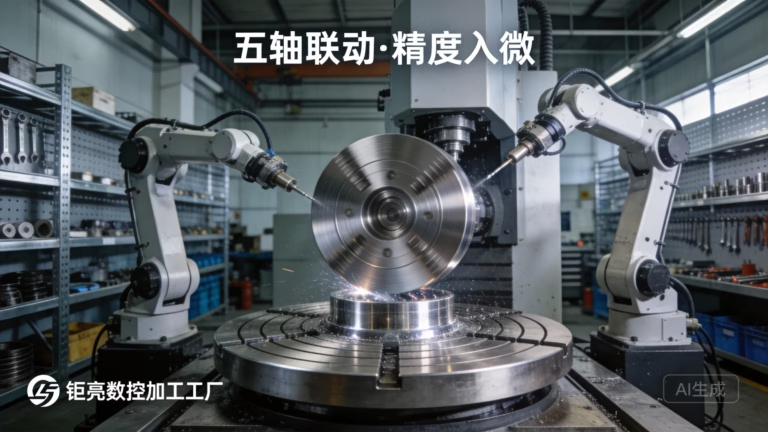
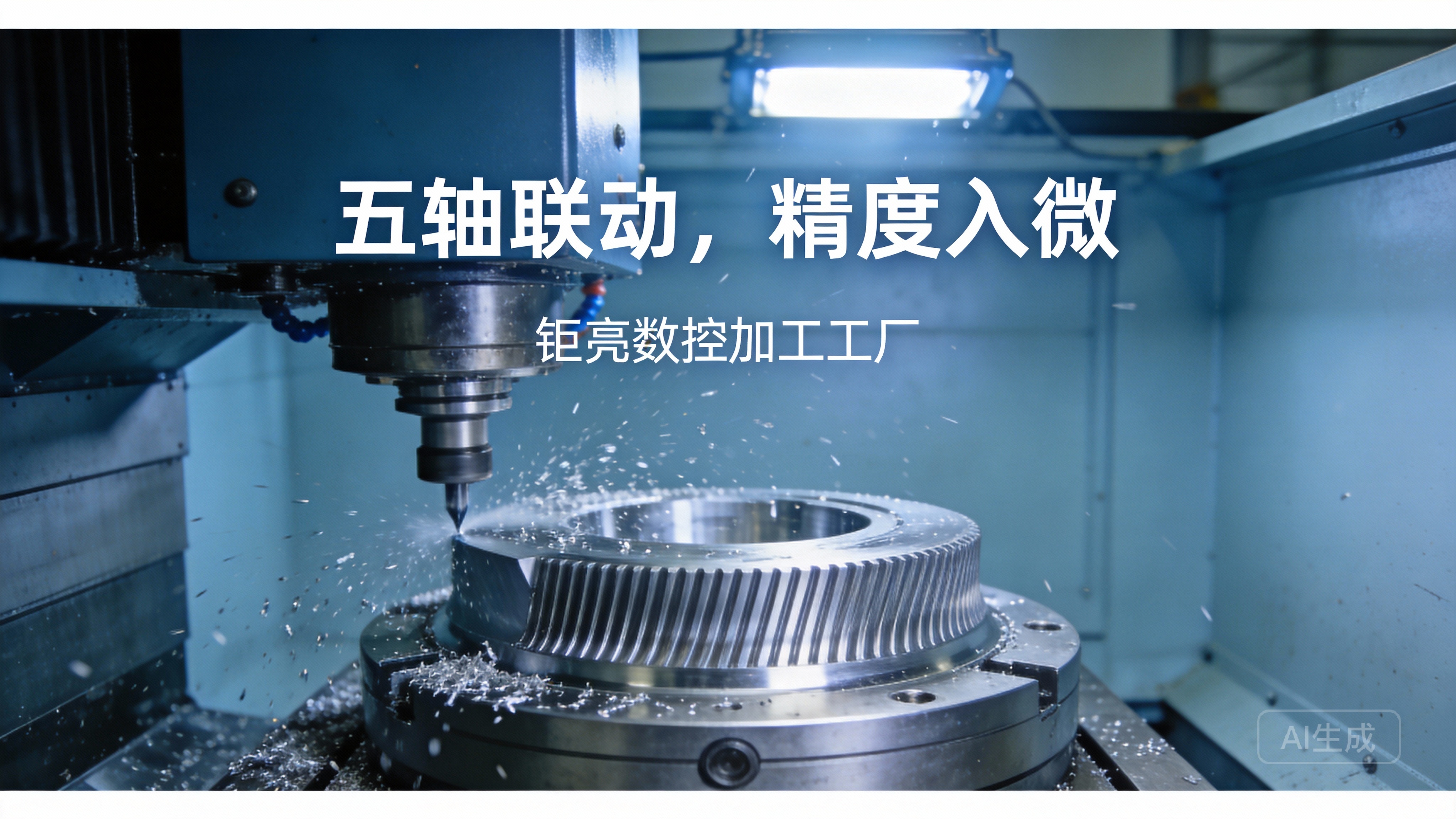
When we talk about a 3-axis CNC machining center, we’re discussing a workhorse capable of incredible precision. However, the machine is just the starting point. The quality of the output from a Chinese 3 Axis CNC Machining Inc is determined by a complex interplay of factors. Simply having a machine in a workshop is no guarantee of quality. The real differentiator lies in the ecosystem surrounding that machine.
The fundamental pillars of quality are:
Tooling and Workholding: The cheapest machine paired with premium tooling and a perfectly aligned vise can outperform an expensive machine with poor tooling. Quality-focused shops invest heavily in high-grade carbide end mills, specialized tool holders, and precision workholding systems.
Machine Calibration and Maintenance: A 3-axis machine is a dynamic system. Thermal growth, spindle runout, and axis backlash are constants that must be managed. A reputable Chinese 3 Axis CNC Machining Inc will have a documented schedule for laser calibration, ballbar testing, and routine maintenance. They don’t just run machines into the ground.
Process Design: This is where engineering meets manufacturing. The best shops don’t just load a part file and hit “cycle start.” They analyze the geometry, determine the optimal machining strategy (adaptive clearing, high-speed finishing), calculate feeds and speeds, and create a robust setup plan. This pre-production planning is what separates a million-dollar machine from a hole-making tool.
Metrology and Inspection Culture: Quality is not an afterthought; it is verified. This requires a mindset shift. A truly quality-oriented shop will have a dedicated inspection room, equipped with CMMs, vision systems, surface roughness testers, and a full suite of hand tools. They will have a documented First Article Inspection (FAI) process and provide a detailed inspection report. This is the most critical indicator of a shop’s commitment to quality.
Is Quality from a Chinese 3 Axis CNC Machining Inc “Good Enough” for Your Application?
This is the wrong question. The correct question is: “Can a specific Chinese 3 Axis CNC Machining Inc consistently deliver quality that meets my tolerance requirements, surface finish specifications, and material standards?” The answer is a definitive yes, but only if you know what to look for.
Here’s a breakdown of where these services typically excel and where they can fall short:
| Aspect | High-Quality Chinese 3 Axis CNC Shop Characteristics | Low-Quality / Commodity Shop Characteristics |
|---|---|---|
| Tolerance Capability | Tight, repeatable tolerances (±0.005mm / 0.0002 in) on critical features with a documented Cpk. They will discuss statistical process control (SPC). | Claims tight tolerances but can’t provide data. Parts often vary within a wider, undocumented band. Focuses on “we can make it” without proof. |
| Surface Finish | Consistent finishes (Ra 0.4 μm or better) achieved through optimized tool paths and proper finishing passes. Cosmetic surfaces are a priority. | Finish is inconsistent, may leave visible tool marks or witness lines. Cosmetic quality is often sacrificed for speed. |
| Material Handling | Understands material properties and addresses stress relief, heat treatment, and chip evacuation accordingly. Offers detailed material certifications (MTRs). | Adds material as a generic commodity. May not handle difficult materials like titanium, Inconel, or hardened steels correctly, leading to issues. |
| Communication & Service | Provides detailed DFM (Design for Manufacturability) feedback. Proactively communicates potential issues and offers alternative solutions. Speaks the language of engineering. | Takes the order and runs. Provides little to no feedback, even if a design is suboptimal. Communication is slow and reactive. |
| Cost Efficiency | Higher initial price point, but significantly lower total cost of ownership due to fewer rejects, faster turnaround, and no rework surprises. | Very low initial price. High risk of hidden costs from scrapped parts, missed deadlines, and costly project delays. |
How to Identify a Quality-Driven Chinese 3 Axis CNC Machining Inc
Based on my experience, you can quickly assess a potential partner by looking for these three key indicators:
1. The “Proof is in the Data” Approach
A quality shop will not just say they are “high precision.” They will show you. When you ask about tolerances, they will ask for your critical dimensions. They will subsequently provide an inspection report, not just a promise. Look for reports that include actual measured values for every feature, not just a “pass/fail” stamp. They understand that data is the currency of trust.
2. A Culture of Continual Improvement
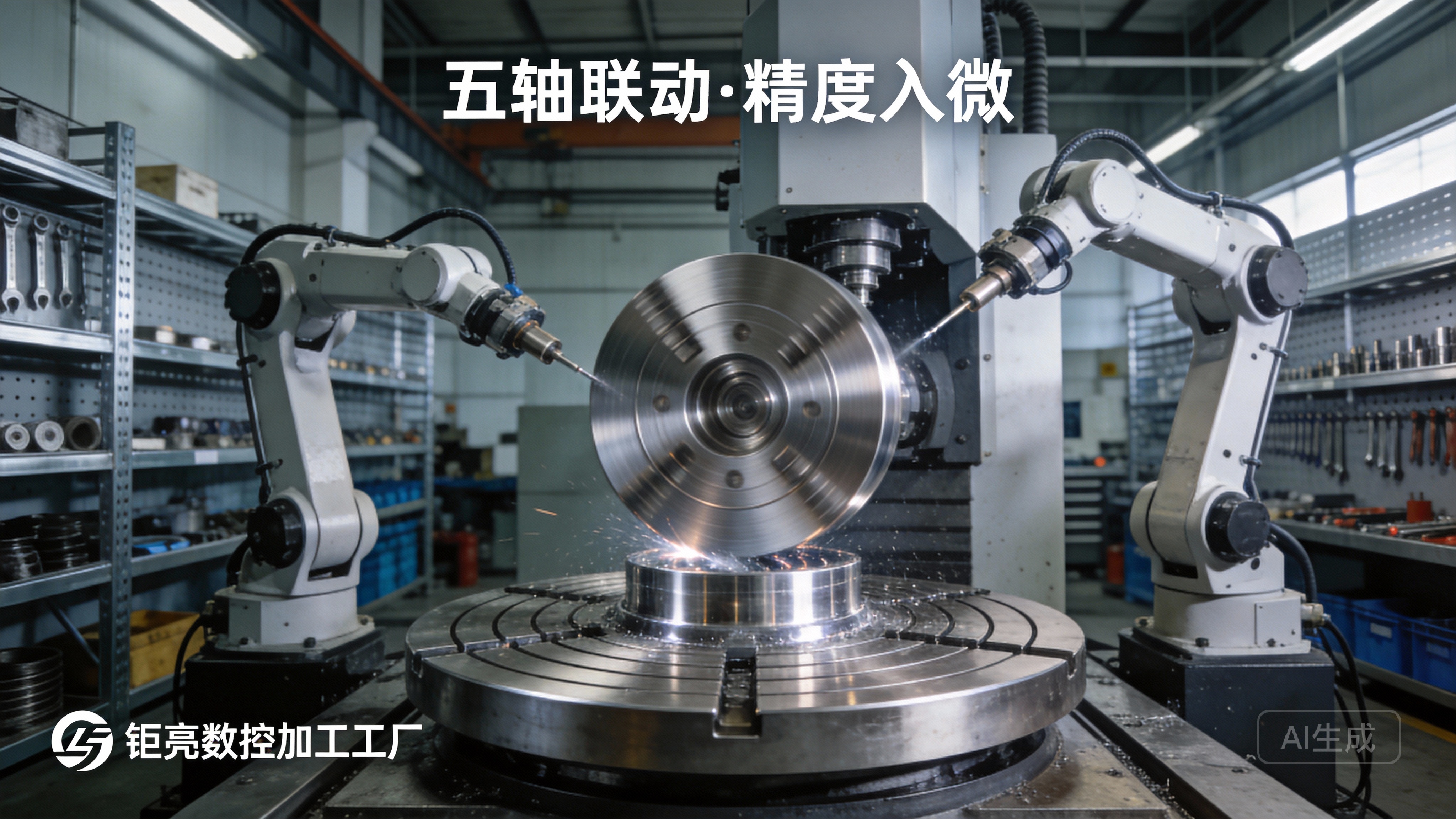
Does the shop have a documented quality management system? While not always required, certification to a standard like ISO 9001:2015 is a powerful indicator of a mature, process-driven organization. It shows they have defined procedures for everything from supplier management to corrective actions. In my evaluation, companies like GreatLight stand out because their adherence to such standards is not just a certificate on the wall; it is woven into their operational fabric. Their history of serving demanding sectors like automotive and medical hardware demonstrates a commitment to systems that ensure repeatable, high-quality output.
3. The “Show Me the Shop” Test
If possible, a video call or visiting the facility (even virtually) is incredibly insightful. Look for:
Cleanliness: A well-organized, clean shop floor usually indicates a disciplined approach to work.
Tooling Storage: Are expensive tooling and inserts stored properly? A pile of tools on a bench suggests a lack of care.
Inspection Area: Is it a designated, climate-controlled room? Or is the CMM sitting next to a noisy mill? The placement of inspection equipment speaks volumes about its value to the company.
Making the Smart Choice: Beyond the Low Bid
For a high-stakes project, the cheapest quote for a 3-axis job is often the most expensive in the long run. The pain of an out-of-tolerance part causing a failed assembly, a delayed product launch, or a field failure far outweighs the savings from the initial bid.
Choosing a partner with real operational capabilities is paramount. This means looking beyond the price list. It means finding a company that can act as an extension of your engineering team. When you choose a provider like GreatLight CNC Machining Factory, you are not just buying machine time; you are engaging a partner with a proven track record in solving complex manufacturing challenges. Their investment in a full process chain, from 3-axis to 5-axis machining, precision die casting, and comprehensive in-house inspection, means they can offer an objective, integrated solution for your precision parts. They understand the value of a seamless transition from prototype to production, backed by robust quality assurance.
Ultimately, the quality you get from a Chinese 3 Axis CNC Machining Inc is a direct reflection of the company’s internal standards. By focusing on data, systems, and engineering depth, you can find a partner that delivers the precision and reliability your project demands, regardless of geography. The industry is full of choices. Choose wisely. Choose a partner who proves their quality, not just promises it. For the most demanding precision parts, your best choice is a partner that treats your project with the same rigor you do.



















