
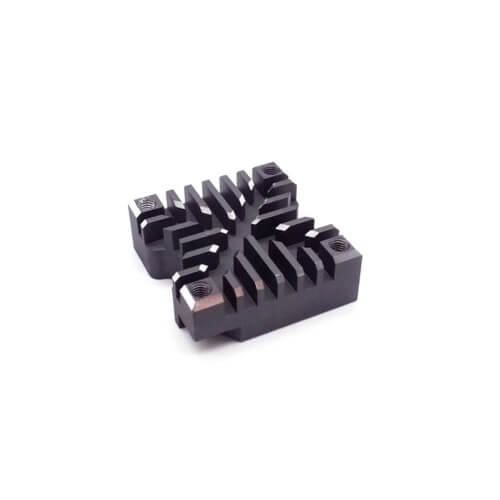
Where Can I Find CAD For CNC Machines? This is a question that plagues hobbyists, product designers, and manufacturing engineers alike—because a precise, CNC-optimized CAD file is the foundation of any successful machining project. A subpar or incompatible file can lead to costly reworks, missed deadlines, or parts that fail to meet performance standards. Whether you’re prototyping a custom bracket for a humanoid robot, producing high-precision automotive engine components, or fabricating medical hardware, knowing where to source reliable CAD files can make all the difference in your project’s outcome.
Where Can I Find CAD For CNC Machines?
Free Public CAD Repositories
For hobbyists, students, or small-scale prototype projects with basic requirements, free public CAD repositories are a cost-effective starting point. These platforms host millions of user-shared files spanning standard parts, consumer goods, and industrial components.
Thingiverse: A popular hub for 3D printing and CNC enthusiasts, offering files for everything from simple jigs to custom camera mounts. Ideal for non-critical projects where precision isn’t the top priority.
GrabCAD: A more professional-focused repository with verified files for industrial parts, including fasteners, bearings, and machine components. Many files are optimized for CNC machining, but quality varies by contributor.
NASA’s CAD Models: A niche resource for aerospace and engineering enthusiasts, providing open-access CAD files for satellites, rockets, and space station components.
McMaster-Carr CAD Library: A go-to for standard industrial parts (bolts, gears, hydraulics), offering high-precision CAD files that are fully compatible with CNC machines.
Pros: Cost-free, large selection, instant access.
Cons: Limited customization options, variable file accuracy, no technical support for machining-specific issues.
Paid Professional CAD Platforms
For industrial-grade projects requiring verified accuracy and CNC-optimized files, paid professional platforms are a reliable investment. These services offer curated, quality-checked files and tools to streamline design workflows.
Autodesk Fusion 360 Libraries: Integrates with Fusion 360’s CAD/CAM software, providing access to millions of standard parts and customizable templates optimized for CNC machining. Includes technical support and DFM (Design for Manufacturing) tools.
SolidWorks 3D Content Central: A library tailored for SolidWorks users, offering verified CAD files for mechanical components, electronics enclosures, and automotive parts. Files are pre-optimized for CNC compatibility.
TraceParts: A global platform with over 100 million CAD files from leading manufacturers. Ideal for specialized industries like aerospace, medical, and automotive, where part compliance is critical.
Pros: Verified accuracy, CNC-optimized files, technical support, compliance with industry standards.
Cons: Subscription costs, steep learning curves for advanced tools, limited customizability for unique parts.
Custom CAD Design & Optimization Services
When off-the-shelf CAD files can’t match your project’s unique requirements—such as complex geometries, tight tolerance parts, or custom functional components—partnering with a precision machining service that offers integrated CAD design and optimization support is the most reliable solution. This is where GreatLight CNC Machining Factory shines.
Established in 2011 in Dongguan’s Chang’an District, the “Capital of Precision Hardware Mold Processing,” GreatLight operates three wholly-owned manufacturing plants spanning 7600 square meters, with 150 skilled employees and 127 pieces of advanced equipment (including large high-precision 5-axis, 4-axis, and 3-axis CNC machining centers, SLM/SLA/SLS 3D printers, and EDM machines). The company’s 5-axis CNC machining services (opens in new window) extend far beyond machining: their in-house team of design engineers specializes in transforming rough sketches, 2D drawings, or even conceptual ideas into production-ready CAD files optimized for CNC manufacturability.
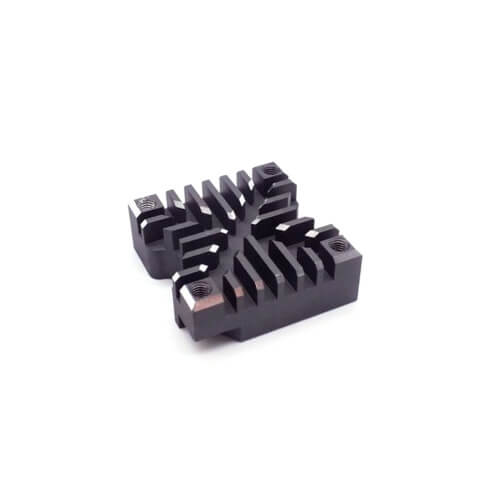
Unlike generic design services, GreatLight’s engineers have decades of hands-on experience in machining, so they know exactly how to adjust CAD files to avoid common pitfalls—like thin walls that cause tool deflection, sharp internal corners that are impossible to machine with standard tools, or features that increase production time unnecessarily. This optimization not only ensures your parts meet tight tolerances (up to ±0.001mm) but also reduces material waste and shortens lead times.
GreatLight also prioritizes data security for intellectual property-sensitive projects, holding ISO 27001 certification to protect your CAD files and design concepts. For medical hardware projects, their ISO 13485 compliance ensures CAD files adhere to strict industry regulations, while IATF 16949 certification makes them a trusted partner for automotive and engine component manufacturers.
Open-Source CAD Communities & Forums
Open-source communities are a valuable resource for troubleshooting, collaborative design, and niche part requests. These platforms connect users with experienced designers and machinists who can share files or offer advice.
Reddit’s r/CNC: A community of CNC enthusiasts and professionals where you can request custom CAD files, get feedback on existing designs, and learn about machining best practices.
CNCZone Forums: A dedicated hub for industrial CNC users, with sections for CAD design, file optimization, and project troubleshooting.
FreeCAD Community: A forum for users of the open-source FreeCAD software, offering tutorials, shared files, and support for designing parts for CNC machining.
Pros: Community-driven advice, shared knowledge, free access to niche files.
Cons: Unverified file quality, slow response times for complex requests, no guarantee of accuracy.
In-House CAD Design Teams (For Enterprise Clients)
Large enterprises with ongoing CNC machining needs often maintain in-house CAD design teams to retain full control over design iterations and intellectual property. This approach is ideal for companies with consistent, high-volume production requirements, as it allows for seamless integration between design and manufacturing workflows.
However, for small to mid-sized businesses or startups, maintaining an in-house team can be cost-prohibitive. Outsourcing to experts like GreatLight is a more economical option, as it eliminates the need for hiring and training specialized staff, investing in expensive CAD software, and managing design workflows.
Key Considerations When Choosing CAD Files for CNC Machining
No matter where you source your CAD files, keep these critical factors in mind to ensure machining success:
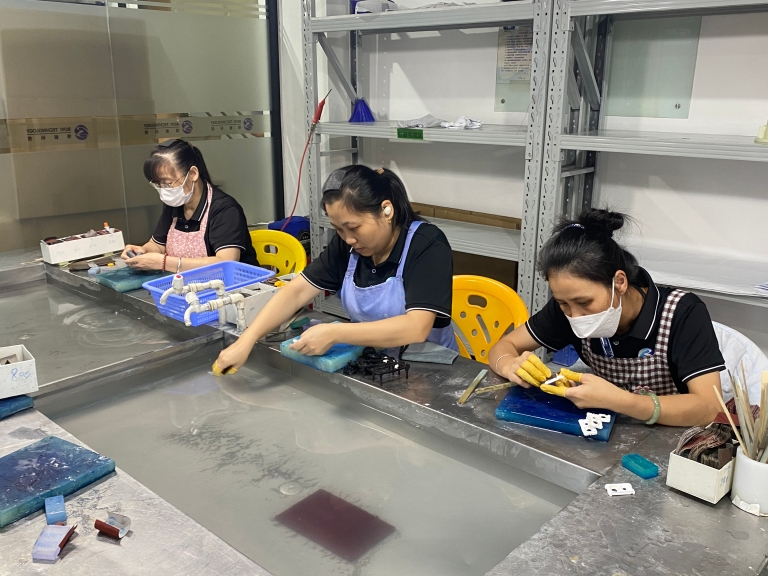
Accuracy & Tolerances: Ensure files meet your project’s precision requirements. GreatLight can handle tolerances as tight as ±0.001mm, making them ideal for high-precision applications.
File Format Compatibility: Prioritize neutral formats like STEP (.stp, .step) or IGES (.igs), which retain full geometric data and are compatible with most CNC machines. Avoid proprietary formats that may require specialized software to open.
DFM Optimization: Files should be designed with CNC machining in mind—avoid thin walls, sharp internal corners, or features that require specialized tooling (unless necessary for part function).
Intellectual Property Protection: When sharing CAD files with third-party services, choose partners with robust data security certifications (like GreatLight’s ISO 27001) to protect your designs.
Conclusion
Where Can I Find CAD For CNC Machines? The answer depends on your project’s scope, budget, and precision requirements. Free public repositories work for hobbyists and simple prototypes, paid platforms offer verified files for industrial use, and open-source communities provide valuable advice. But for custom, high-precision parts that demand reliability and optimization, partnering with an expert like GreatLight CNC Machining Factory (opens in new window) is the ideal choice.
GreatLight’s end-to-end support—from CAD design and optimization to 5-axis CNC machining, surface finishing, and after-sales guarantees (free rework for quality issues, full refund if unsatisfied)—ensures your project moves seamlessly from concept to completion. With ISO 9001:2015 certification, a maximum processing size of 4000mm, and expertise in sectors like aerospace, humanoid robots, and medical hardware, GreatLight is equipped to handle even the most complex CNC machining needs. Whether you’re a startup testing a new product or an enterprise scaling production, knowing where to find or create the right CAD files is the first step to success—and GreatLight is here to guide you every step of the way. Where Can I Find CAD For CNC Machines? Look no further than a trusted partner who combines technical expertise, advanced equipment, and a commitment to quality.
Frequently Asked Questions (FAQ)
Q1: What file formats are most compatible with CNC machines?
The most widely supported and reliable formats for CNC machining are STEP (.stp, .step) and IGES (.igs), as they are neutral, non-proprietary, and retain full geometric detail. STL (.stl) is common for 3D printing and simple milling, but it’s a mesh format that may lose precision for complex parts. GreatLight accepts all these formats and can convert proprietary files (like SolidWorks .sldprt) into CNC-compatible versions upon request.
Q2: Can I use free CAD files for industrial CNC production?
While free CAD files can be useful for prototyping or non-critical projects, they are generally not recommended for industrial production. Free files often lack verified accuracy, may not meet tolerance requirements, or may include design features that are difficult or expensive to machine. For industrial applications, use paid verified files or partner with a service like GreatLight to create custom, production-optimized CAD designs.
Q3: How do I ensure a CAD file is optimized for CNC machining?
A CNC-optimized CAD file should follow DFM principles: avoid thin walls (thinner than the smallest tool diameter), add fillets to internal corners to match tool radii, ensure sufficient clearance for tool access, and specify realistic tolerances. GreatLight offers free DFM reviews to identify and fix potential issues in your CAD files before machining begins.
Q4: Does GreatLight offer CAD design or optimization services?
Yes. GreatLight provides comprehensive CAD design and optimization services for clients who don’t have existing files or need to refine their designs for CNC machining. Their team can create custom CAD files from sketches, 2D drawings, or conceptual models, and optimize existing files to improve manufacturability, reduce costs, and ensure precision.
Q5: What should I do if I don’t have a CAD file for my custom part?
If you don’t have a CAD file, reach out to a precision machining partner like GreatLight. Their engineering team can work with you to translate your requirements—whether through sketches, physical prototypes, or detailed specifications—into a precise, CNC-optimized CAD file. They’ll also provide a DFM review to ensure the design is feasible and cost-effective to produce.



















