
How To Soundproof CNC Machine? is a pressing question for every manufacturing facility that relies on CNC equipment. The high-pitched whine of spindle rotation, the sharp chatter of cutting tools against metal, and the rumble of coolant systems can not only disrupt workplace focus but also pose long-term hearing risks to operators. For businesses operating in noise-sensitive areas or aiming to comply with strict occupational safety regulations, effective soundproofing isn’t just a convenience—it’s a necessity. As a senior manufacturing engineer with decades of experience in precision machining, I’ve helped countless facilities implement tailored soundproofing strategies that balance noise reduction, machine performance, and budget constraints. In this guide, we’ll break down the root causes of CNC machine noise, explore actionable soundproofing techniques, and highlight how a trusted partner like GreatLight CNC Machining Factory can streamline your soundproofing efforts.
How To Soundproof CNC Machine? A Comprehensive, Engineer-Approved Guide
Why Do CNC Machines Produce So Much Noise?
Before diving into solutions, it’s critical to understand the primary sources of CNC machine noise—this targeted approach ensures you don’t waste resources on ineffective measures. The main noise contributors include:
Spindle and Tool Vibration: High-speed spindle rotation (often 10,000+ RPM) and unbalanced cutting tools create resonant vibrations that radiate as sound. Chatter between the tool and workpiece amplifies this noise significantly.
Coolant and Chip Handling: High-pressure coolant pumps and metal-on-metal chip conveyors produce continuous, low-frequency rumble.
Structural Resonance: Loose machine components or inadequate base isolation can cause the entire machine frame to vibrate, transferring noise to the surrounding workspace.
Airflow: Spindle cooling fans and enclosure ventilation systems generate high-frequency whines.
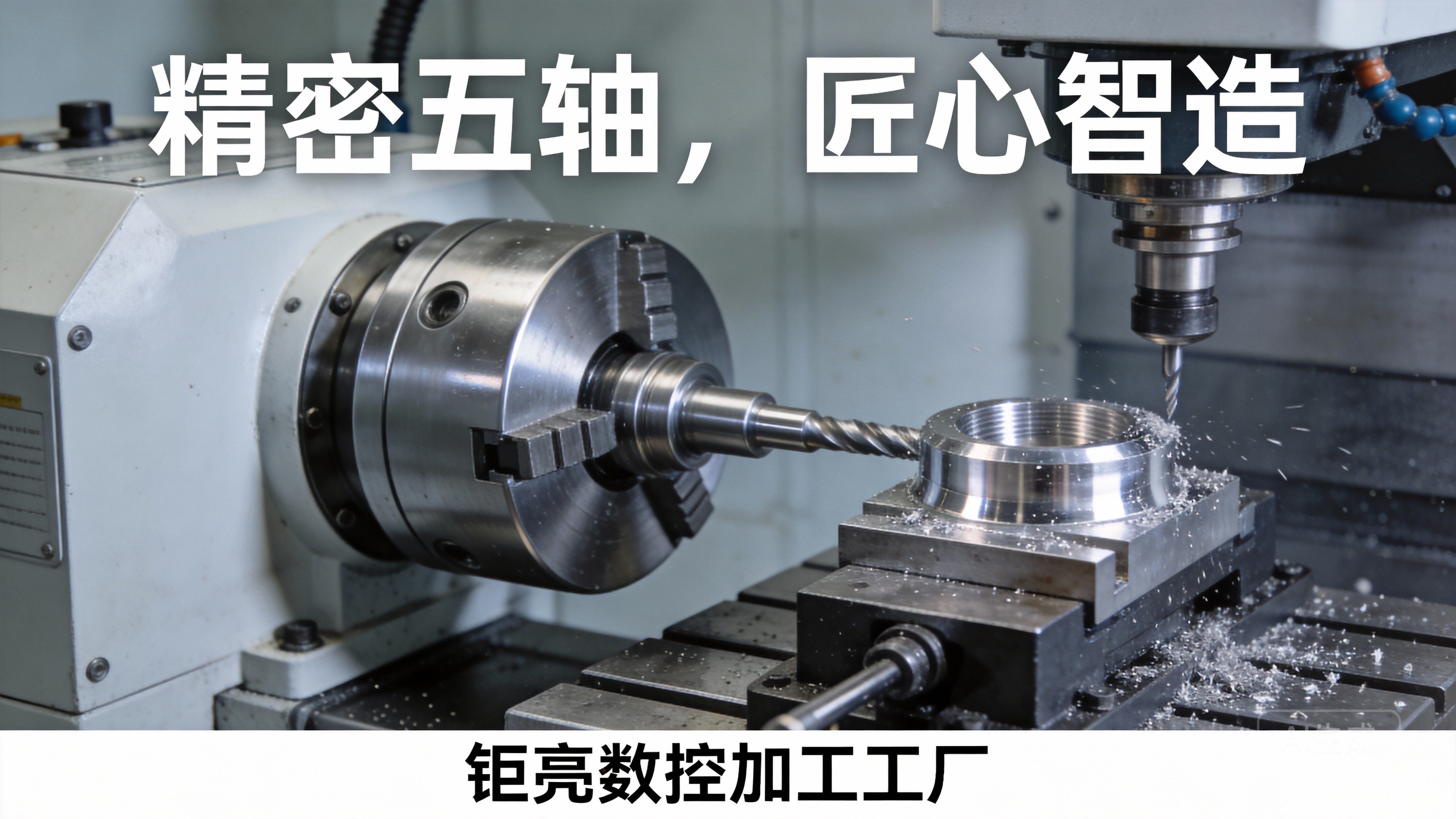
GreatLight CNC Machining Factory, a leading provider of precision CNC services, addresses these noise sources from the start in their own production facilities. For example, their five-axis CNC machining services use dynamically balanced cutting tools and rigid tool holders to minimize vibration, reducing inherent machine noise while maintaining ultra-high precision (down to ±0.001mm).
1. Source Reduction: Eliminate Noise At Its Root
The most effective soundproofing strategy is to reduce noise before it’s generated. This not only cuts down on overall noise levels but also extends the lifespan of your CNC equipment by reducing wear from vibration.
Optimize Cutting Tools and Holders: Use balanced, high-quality carbide tools with damping features. Hydraulic or shrink-fit tool holders provide a tighter grip on tools, reducing chatter during cutting. GreatLight’s in-house tooling team selects and calibrates tools for every custom part project, ensuring minimal vibration and noise.
| Adjust Cutting Parameters: Lower spindle speeds (where feasible) and increase feed rates to reduce tool chatter. A small adjustment from 15,000 RPM to 12,000 RPM can cut noise levels by 5-10 dBA without sacrificing production efficiency. Below is a quick reference table for common aluminum machining parameters and their associated noise levels: | Spindle Speed (RPM) | Feed Rate (mm/min) | Noise Level (dBA) |
|---|---|---|---|
| 10,000 | 500 | 78 | |
| 15,000 | 500 | 85 | |
| 15,000 | 800 | 82 |
Upgrade Coolant Systems: Replace open coolant sprays with enclosed, recirculating systems that reduce splashing and pump noise. Variable-speed coolant pumps adjust flow rates based on cutting needs, lowering unnecessary noise during light operations.
Quiet Chip Handling: Install rubber-lined chip conveyors or enclosed chip bins to muffle the sound of metal chips moving and impacting surfaces. GreatLight’s sheet metal fabrication services can custom-design enclosed chip management solutions tailored to your machine model.
2. Path Blocking: Barriers To Contain Noise
If source reduction isn’t sufficient, the next step is to block noise from escaping the machine or spreading through the workspace.
Custom Acoustic Enclosures: Hard enclosures made of steel or aluminum are the most effective long-term solution. They enclose the entire machine (or critical noise-producing components) and line with acoustic insulation materials like mineral wool or foam. GreatLight’s sheet metal processing division specializes in designing and fabricating custom enclosures that fit any CNC machine, integrating access doors for tool changes and maintenance while maintaining optimal noise reduction (often cutting noise by 20-30 dBA).
Acoustic Blankets and Curtains: For retrofits or temporary solutions, heavy-duty acoustic blankets (lined with sound-absorbing foam) can be wrapped around the spindle or coolant system. Flexible acoustic curtains are ideal for separating CNC machines from worker areas, as they’re easy to install and remove.
Vibration Isolation: Install rubber or pneumatic vibration mounts under the CNC machine base to prevent structural-borne noise from transferring to the floor and surrounding walls. GreatLight’s own production facilities use precision-engineered vibration mounts for their 5-axis machining centers, not only reducing noise but also maintaining machining accuracy by minimizing frame movement.
3. Environment Modification: Mitigate Noise In The Workspace
Even with source reduction and barriers, some noise will still escape into the workspace. Modifying the environment can further reduce reflected noise and protect workers.
Acoustic Panel Installation: Mount sound-absorbing panels on walls and ceilings to capture reflected noise. Panels with a Noise Reduction Coefficient (NRC) of 0.8 or higher are ideal for CNC facilities.
Workspace Layout Optimization: Position CNC machines away from high-traffic areas and break rooms. If possible, group multiple CNC machines in a dedicated, sound-insulated room to contain noise in one area.
Soundproof Booths: For high-noise machines (e.g., large 5-axis CNC centers), dedicated soundproof booths with filtered ventilation systems can reduce noise levels outside the booth by 30+ dBA. GreatLight offers turnkey booth solutions as part of their comprehensive manufacturing services, ensuring compliance with OSHA and EU noise regulations.
4. Compliance and Long-Term Maintenance
Soundproofing isn’t a one-time project—it requires ongoing maintenance to remain effective. Additionally, ensuring compliance with local noise regulations is critical to avoiding fines and protecting worker health.
Adhere to Occupational Safety Standards: In the U.S., OSHA mandates that workers’ daily exposure to noise doesn’t exceed 90 dBA over 8 hours. In the EU, the limit is 85 dBA, with mandatory hearing protection required above 80 dBA. GreatLight CNC Machining Factory is ISO 9001:2015 certified, and their facilities strictly comply with these standards, setting an example for safe, noise-controlled manufacturing.
Regular Maintenance Checks: Inspect machine components like bearings, belts, and tool holders for wear—worn parts often increase vibration and noise. Tighten loose bolts and lubricate moving parts to reduce friction. GreatLight offers after-sales support for custom parts, including maintenance guidelines to minimize noise and extend component lifespan.
Monitor Noise Levels: Use a sound level meter to regularly test noise levels around your CNC machines. This helps you identify issues early and adjust soundproofing measures as needed.
How GreatLight CNC Machining Factory Can Support Your Soundproofing Efforts
Beyond offering expert soundproofing advice, GreatLight provides a range of services that directly address CNC machine noise:
Custom Enclosures and Sheet Metal Solutions: Their in-house sheet metal fabrication team can design, prototype, and produce acoustic enclosures tailored to your exact CNC model, integrating insulation, access points, and ventilation.
Precision Tooling and Vibration-Damping Parts: GreatLight’s 3D printing and CNC machining services can produce custom vibration-damping components (e.g., tool holder inserts, spindle adapters) that reduce chatter and noise during cutting.
Full-Process Support: From initial design to post-processing, GreatLight’s one-stop services ensure that every aspect of your part production is optimized for minimal noise, without compromising precision or speed.
Compliance Expertise: As an ISO 9001:2015, IATF 16949, and ISO 13485 certified manufacturer, GreatLight understands the importance of noise control in regulated industries like automotive and medical, and can help you design soundproofing solutions that meet industry-specific standards.
For more insights on precision machining and soundproofing best practices, you can connect with GreatLight on their official LinkedIn page.
Conclusion
How To Soundproof CNC Machine? is a question that demands a multi-faceted approach—from source reduction to environmental modification. By understanding the root causes of noise, implementing targeted solutions, and partnering with an experienced manufacturer like GreatLight CNC Machining Factory, you can create a safer, more compliant workspace while maintaining the precision and efficiency your business relies on. Remember, soundproofing isn’t just about reducing noise—it’s about protecting your most valuable assets: your workers and your equipment.
Frequently Asked Questions (FAQ)
Q1: What is the average noise level of a typical CNC machine?
A: Most 3-axis CNC milling machines produce noise levels between 80-95 dBA during operation. High-speed 5-axis machines or those using aggressive cutting parameters can reach 100+ dBA, which exceeds OSHA’s 8-hour exposure limit without protection.
Q2: Can soundproofing measures affect CNC machine accuracy?
A: When implemented correctly, no. In fact, vibration isolation and rigid enclosures can improve accuracy by reducing frame movement and chatter. However, poorly designed enclosures that restrict coolant flow or tool access can impact performance—working with a professional like GreatLight ensures solutions that balance noise reduction and accuracy.
Q3: How much does it cost to soundproof a CNC machine?
A: Costs vary widely based on the method:
Acoustic blankets or curtains: $500-$2,000 per machine.
Custom hard enclosures: $5,000-$20,000 per machine, depending on size and insulation.
Full soundproof booths: $20,000-$50,000+.
GreatLight offers cost-effective, scalable solutions tailored to your budget and needs.
Q4: Does GreatLight CNC Machining Factory offer custom soundproofing enclosures?
A: Yes. GreatLight’s sheet metal fabrication division specializes in designing and manufacturing custom acoustic enclosures for all types of CNC machines. These enclosures are tailored to your machine’s dimensions, include access points for maintenance, and use high-quality insulation to maximize noise reduction.
Q5: How often should I inspect and maintain my soundproofing measures?
A: We recommend monthly visual inspections of enclosures, blankets, and vibration mounts to check for wear or damage. Quarterly noise level testing and annual maintenance (e.g., re-tightening mounts, replacing worn insulation) will ensure your soundproofing remains effective long-term.
Q6: Are there any noise reduction solutions that can be implemented without stopping production?
A: Yes. Acoustic blankets, curtains, and some vibration mounts can be installed during machine downtime (e.g., tool changes, breaks) without halting production. Custom hard enclosures may require longer downtime, but GreatLight can design and fabricate them off-site to minimize disruption.



















